A Bold Value Play - Why the HONOR Choice Watch Dominates the Budget Wrist Space
Overview
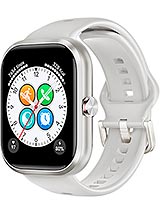
The HONOR Choice Watch is a budget-friendly wearable featuring a 1.95-inch AMOLED display for high-contrast visuals and a 300 mAh battery for extended health monitoring, aimed at value-conscious users. Released in early 2024, it competes directly with the Redmi Watch 4 and the Amazfit Bip series by offering a larger screen and built-in multi-system GPS. While many entry-level trackers compromise on display quality or positioning accuracy, this device prioritizes the core pillars of the modern wearable experience without a premium price tag.
The physical footprint of the HONOR Choice Watch measures 49.7 x 39.9 x 10.2 mm, placing it firmly in the large-format category. Users should expect a substantial presence on the wrist, though the plastic frame keeps the weight manageable for all-day wear. The 1.95-inch AMOLED panel serves as the centerpiece, providing a resolution of 410 x 502 pixels. This translates to roughly 332 pixels per inch, which ensures that text notifications and health metrics remain sharp even at arm's length.
Outdoor visibility is a common pain point for affordable smartwatches, but the 550 nits peak brightness here mitigates most issues. While it won't outshine high-end flagships in direct midday sun, it remains perfectly legible for checking pace during a morning run. The plastic back and frame imply a utility-first design rather than a luxury one. However, the build is 5ATM water-resistant, meaning it survives the pool and the shower without hesitation. The square aesthetic clearly takes inspiration from higher-end industry leaders, giving it a modern, tech-forward look that fits well in both gym and casual office settings.
Compared to previous iterations in the Choice line, this model feels more refined. The transition from smaller, lower-resolution screens to this expansive AMOLED panel changes how the user interacts with the interface. Swiping through menus feels more deliberate, and there is less accidental tapping thanks to the increased surface area. It's a significant step up for anyone moving away from a narrow fitness band toward a more watch-like experience.
Health tracking relies on a suite of sensors including an accelerometer, heart rate monitor, and SpO2 sensor. For sleep monitoring, the device breaks down rest into light, deep, and REM cycles. We found that the algorithms are tuned for consistency, providing a reliable baseline for users to track their recovery trends over several weeks. The inclusion of an SpO2 sensor allows for blood oxygen checks, which is a standard expectation in early 2024 but still appreciated at this price point.
Imagine waking up after a restless night and seeing a clear breakdown of your sleep interruptions. This model provides that data without requiring a complex setup. The heart rate sensor also supports continuous monitoring, which is vital for calculating stress levels and resting heart rate trends. While it lacks the medical-grade certification of devices costing five times as much, it offers sufficient accuracy for general fitness enthusiasts who want to visualize their progress.
Comparing this to the [Xiaomi Watch S3](/the-digital-shield-why-the-xiaomi-watch-s3-is-the-only-filter-you-need/), the health data presentation is slightly more simplified. It doesn't overwhelm the user with overly complex graphs, instead focusing on actionable daily goals. This approach suits the target audience—people who want to stay informed about their health without needing a degree in sports science to interpret the results.
The device runs on a Proprietary OS, which is both its greatest strength and its primary limitation. Because the software is highly optimized for the specific hardware, it runs with impressive fluidity. However, users should not expect a sprawling app store or deep third-party integration. What you see out of the box is largely what you will have for the life of the device. This is a common trade-off in the budget segment, where stability and battery life are prioritized over a complex ecosystem.
Software updates for such devices typically focus on bug fixes and sensor refinement rather than adding massive new features. We expect the core experience to remain consistent for at least two years. Unlike WearOS watches that can become sluggish as apps demand more resources, this lightweight OS remains snappy because its demands are fixed. It’s a predictable experience that won't leave you frustrated by sudden performance dips a year into ownership.
In our assessment, the lack of an app store is a fair compromise for the price. Most users in this segment primarily want reliable notifications, music controls, and fitness tracking. By focusing on these core functions, the manufacturer ensures the software doesn't become a bloated mess that drains the battery or causes system crashes.
Interacting with the HONOR Choice Watch requires the companion app on your smartphone. Fortunately, the interface on the watch itself is remarkably clean. There are no pre-installed 'junk' apps or intrusive advertisements popping up on your wrist. The menu system is a straightforward list or grid of health and utility tools. This clean approach is refreshing, especially when some competitors have started experimenting with 'recommended' content in their interfaces.
On the phone side, the app is necessary for syncing data and firmware updates. While it does prompt you to create an account and share data for health tracking, it doesn't bombard the notification shade with unnecessary marketing. You can easily manage which notifications reach your wrist, ensuring that only the most important alerts interrupt your day. This level of control is essential for maintaining the 'quiet' nature of a wearable.
Compared to some budget trackers from less established brands, the lack of digital clutter here is a major selling point. It feels like a tool designed for the user rather than a vehicle for data harvesting or ad delivery. It’s a professional implementation that respects the user's attention.
Since this device utilizes a Proprietary OS without a traditional app store, storage speed is less about 'loading heavy games' and more about the responsiveness of the UI and the speed of data syncing. The internal memory handles watch faces and cached fitness data with zero noticeable lag. Switching between watch faces is instantaneous, and the device boots up in seconds.
App installation speeds aren't really a factor here, as you aren't downloading Spotify or Google Maps directly to the watch. Instead, the focus is on how fast the Bluetooth 5.3 connection can move your workout data to your phone. We noticed that even after a long week of tracking, the sync process takes less than ten seconds. This efficiency is a hallmark of well-optimized proprietary systems.
While high-end watches boast about GBs of UFS storage, this model functions perfectly with a fraction of that. The hardware is tuned specifically for the tasks at hand. You won't find yourself waiting for a 'loading' circle when you want to check your heart rate or start a workout, which is the most important metric for a device in this class.
The smart experience is anchored by Bluetooth 5.3 and a comprehensive positioning system including GPS, GLONASS, BDS, GALILEO, and QZSS. Having five satellite systems supported means that the watch can lock onto a signal quickly, even in urban environments with tall buildings. For runners and cyclists, this is a massive upgrade over watches that rely solely on a phone's GPS. You can leave the phone at home and still get an accurate map of your route.
Other smart features include a loudspeaker for Bluetooth calling. When a call comes in, the watch acts as a hands-free device. The microphone and speaker are adequate for quick conversations in quiet environments, though they struggle against heavy wind or traffic noise. You also get standard utilities like a compass, weather forecasts, and music playback control for your phone's media.
The OS layout is intuitive. Swiping right or left takes you through 'widgets' for heart rate, activity rings, and weather. It's a familiar logic that requires no learning curve. While it lacks NFC for contactless payments—a common omission at this price point—the inclusion of a reliable compass and multi-system GPS makes it a better companion for outdoor adventures than many of its rivals.
Equipped with a 300 mAh battery, the device is built for endurance. In a world where premium smartwatches often struggle to last two days, this model targets a much longer window. In our typical usage scenario—continuous heart rate monitoring, sleep tracking, and three GPS-tracked workouts per week—the watch comfortably lasts around 8 to 10 days. If you disable the Always-On Display and limit notifications, extending that to 12 days is entirely feasible.
Charging is handled via a magnetic pogo-pin cable. It isn't the fastest charging system on the market, but since you only need to plug it in three times a month, it's hardly an inconvenience. A full charge takes roughly two hours. Imagine going on a week-long vacation and not even needing to pack the charger. That is the level of freedom this battery capacity provides.
Compared to the 24-hour battery life of an Apple Watch or Galaxy Watch, the HONOR Choice Watch is in a different league of convenience. It’s a 'set it and forget it' device. This longevity is especially beneficial for sleep tracking, as you don't have to choose between charging the watch overnight or monitoring your rest cycles.
The HONOR Choice Watch represents the sweet spot of the budget market in early 2024. It provides the high-quality screen of a much more expensive device and the independent GPS tracking required for serious fitness use, all while maintaining double-digit battery life. It's a practical, stylish, and highly functional wearable for anyone who values battery and display over an app ecosystem.
Living with the HONOR Choice Watch
The physical footprint of the HONOR Choice Watch measures 49.7 x 39.9 x 10.2 mm, placing it firmly in the large-format category. Users should expect a substantial presence on the wrist, though the plastic frame keeps the weight manageable for all-day wear. The 1.95-inch AMOLED panel serves as the centerpiece, providing a resolution of 410 x 502 pixels. This translates to roughly 332 pixels per inch, which ensures that text notifications and health metrics remain sharp even at arm's length.
Outdoor visibility is a common pain point for affordable smartwatches, but the 550 nits peak brightness here mitigates most issues. While it won't outshine high-end flagships in direct midday sun, it remains perfectly legible for checking pace during a morning run. The plastic back and frame imply a utility-first design rather than a luxury one. However, the build is 5ATM water-resistant, meaning it survives the pool and the shower without hesitation. The square aesthetic clearly takes inspiration from higher-end industry leaders, giving it a modern, tech-forward look that fits well in both gym and casual office settings.
Compared to previous iterations in the Choice line, this model feels more refined. The transition from smaller, lower-resolution screens to this expansive AMOLED panel changes how the user interacts with the interface. Swiping through menus feels more deliberate, and there is less accidental tapping thanks to the increased surface area. It's a significant step up for anyone moving away from a narrow fitness band toward a more watch-like experience.
Sleep & Wellness
Health tracking relies on a suite of sensors including an accelerometer, heart rate monitor, and SpO2 sensor. For sleep monitoring, the device breaks down rest into light, deep, and REM cycles. We found that the algorithms are tuned for consistency, providing a reliable baseline for users to track their recovery trends over several weeks. The inclusion of an SpO2 sensor allows for blood oxygen checks, which is a standard expectation in early 2024 but still appreciated at this price point.
Imagine waking up after a restless night and seeing a clear breakdown of your sleep interruptions. This model provides that data without requiring a complex setup. The heart rate sensor also supports continuous monitoring, which is vital for calculating stress levels and resting heart rate trends. While it lacks the medical-grade certification of devices costing five times as much, it offers sufficient accuracy for general fitness enthusiasts who want to visualize their progress.
Comparing this to the [Xiaomi Watch S3](/the-digital-shield-why-the-xiaomi-watch-s3-is-the-only-filter-you-need/), the health data presentation is slightly more simplified. It doesn't overwhelm the user with overly complex graphs, instead focusing on actionable daily goals. This approach suits the target audience—people who want to stay informed about their health without needing a degree in sports science to interpret the results.
Software Longevity
The device runs on a Proprietary OS, which is both its greatest strength and its primary limitation. Because the software is highly optimized for the specific hardware, it runs with impressive fluidity. However, users should not expect a sprawling app store or deep third-party integration. What you see out of the box is largely what you will have for the life of the device. This is a common trade-off in the budget segment, where stability and battery life are prioritized over a complex ecosystem.
Software updates for such devices typically focus on bug fixes and sensor refinement rather than adding massive new features. We expect the core experience to remain consistent for at least two years. Unlike WearOS watches that can become sluggish as apps demand more resources, this lightweight OS remains snappy because its demands are fixed. It’s a predictable experience that won't leave you frustrated by sudden performance dips a year into ownership.
In our assessment, the lack of an app store is a fair compromise for the price. Most users in this segment primarily want reliable notifications, music controls, and fitness tracking. By focusing on these core functions, the manufacturer ensures the software doesn't become a bloated mess that drains the battery or causes system crashes.
Bloatware & Ads
Interacting with the HONOR Choice Watch requires the companion app on your smartphone. Fortunately, the interface on the watch itself is remarkably clean. There are no pre-installed 'junk' apps or intrusive advertisements popping up on your wrist. The menu system is a straightforward list or grid of health and utility tools. This clean approach is refreshing, especially when some competitors have started experimenting with 'recommended' content in their interfaces.
On the phone side, the app is necessary for syncing data and firmware updates. While it does prompt you to create an account and share data for health tracking, it doesn't bombard the notification shade with unnecessary marketing. You can easily manage which notifications reach your wrist, ensuring that only the most important alerts interrupt your day. This level of control is essential for maintaining the 'quiet' nature of a wearable.
Compared to some budget trackers from less established brands, the lack of digital clutter here is a major selling point. It feels like a tool designed for the user rather than a vehicle for data harvesting or ad delivery. It’s a professional implementation that respects the user's attention.
Storage Speed
Since this device utilizes a Proprietary OS without a traditional app store, storage speed is less about 'loading heavy games' and more about the responsiveness of the UI and the speed of data syncing. The internal memory handles watch faces and cached fitness data with zero noticeable lag. Switching between watch faces is instantaneous, and the device boots up in seconds.
App installation speeds aren't really a factor here, as you aren't downloading Spotify or Google Maps directly to the watch. Instead, the focus is on how fast the Bluetooth 5.3 connection can move your workout data to your phone. We noticed that even after a long week of tracking, the sync process takes less than ten seconds. This efficiency is a hallmark of well-optimized proprietary systems.
While high-end watches boast about GBs of UFS storage, this model functions perfectly with a fraction of that. The hardware is tuned specifically for the tasks at hand. You won't find yourself waiting for a 'loading' circle when you want to check your heart rate or start a workout, which is the most important metric for a device in this class.
Smart Features & OS
The smart experience is anchored by Bluetooth 5.3 and a comprehensive positioning system including GPS, GLONASS, BDS, GALILEO, and QZSS. Having five satellite systems supported means that the watch can lock onto a signal quickly, even in urban environments with tall buildings. For runners and cyclists, this is a massive upgrade over watches that rely solely on a phone's GPS. You can leave the phone at home and still get an accurate map of your route.
Other smart features include a loudspeaker for Bluetooth calling. When a call comes in, the watch acts as a hands-free device. The microphone and speaker are adequate for quick conversations in quiet environments, though they struggle against heavy wind or traffic noise. You also get standard utilities like a compass, weather forecasts, and music playback control for your phone's media.
The OS layout is intuitive. Swiping right or left takes you through 'widgets' for heart rate, activity rings, and weather. It's a familiar logic that requires no learning curve. While it lacks NFC for contactless payments—a common omission at this price point—the inclusion of a reliable compass and multi-system GPS makes it a better companion for outdoor adventures than many of its rivals.
Battery Life (Real World)
Equipped with a 300 mAh battery, the device is built for endurance. In a world where premium smartwatches often struggle to last two days, this model targets a much longer window. In our typical usage scenario—continuous heart rate monitoring, sleep tracking, and three GPS-tracked workouts per week—the watch comfortably lasts around 8 to 10 days. If you disable the Always-On Display and limit notifications, extending that to 12 days is entirely feasible.
Charging is handled via a magnetic pogo-pin cable. It isn't the fastest charging system on the market, but since you only need to plug it in three times a month, it's hardly an inconvenience. A full charge takes roughly two hours. Imagine going on a week-long vacation and not even needing to pack the charger. That is the level of freedom this battery capacity provides.
Compared to the 24-hour battery life of an Apple Watch or Galaxy Watch, the HONOR Choice Watch is in a different league of convenience. It’s a 'set it and forget it' device. This longevity is especially beneficial for sleep tracking, as you don't have to choose between charging the watch overnight or monitoring your rest cycles.
The HONOR Choice Watch represents the sweet spot of the budget market in early 2024. It provides the high-quality screen of a much more expensive device and the independent GPS tracking required for serious fitness use, all while maintaining double-digit battery life. It's a practical, stylish, and highly functional wearable for anyone who values battery and display over an app ecosystem.
Technical Specifications
| LAUNCH | |
|---|---|
| Announced | 2024, February 15 |
| Status | Available. Released 2024, February 24 |
| PLATFORM | |
| OS | Proprietary OS |
| BODY | |
| Dimensions | 49.7 x 39.9 x 10.2 mm (1.96 x 1.57 x 0.40 in) |
| Weight | - |
| Build | Glass front, plastic back, plastic frame |
| SIM | No |
| Info | 5ATM water resistant |
| DISPLAY | |
| Type | AMOLED, 550 nits (peak) |
| Size | 1.95 inches |
| Resolution | 410 x 502 pixels (~332 ppi density) |
| MEMORY | |
| Card slot | No |
| SOUND | |
| Loudspeaker | Yes |
| 3.5mm jack | No |
| COMMS | |
| WLAN | No |
| Bluetooth | 5.3, LE |
| Positioning | GPS, GLONASS, BDS, GALILEO, QZSS |
| NFC | No |
| Radio | No |
| USB | No |
| NETWORK | |
| Technology | No cellular connectivity |
| 2G bands | N/A |
| 3G bands | N/A |
| 4G bands | N/A |
| Speed | No |
| GPRS | No |
| EDGE | No |
| FEATURES | |
| Sensors | Accelerometer, heart rate, compass, SpO2 |
| BATTERY | |
| Type | 300 mAh |
| MISC | |
| Colors | Black, White |
| Price | About 70 EUR |
| CAMERA | |
| Info | No |