A Massive Screen for a Miniscule Price - The Blackview Mega 8 Value Proposition
Overview
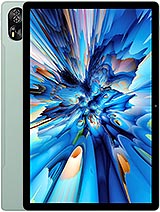
Blackview Mega 8 is a budget-tier Android tablet featuring a 13.0-inch IPS LCD for expansive viewing and a Unisoc T620 chipset for daily tasks, aimed at cost-conscious students and remote workers. Released in May 2025, it competes with entry-level large-screen offerings from brands like Teclast and Alldocube in an era where consumers demand more screen real estate for less capital. This device is a calculated gamble on hardware scale over pixel density, attempting to provide a cinema-like experience without the flagship price tag.
Market dynamics in mid-2025 have shifted toward 'utility-first' hardware. The Blackview Mega 8 enters a saturated field where performance often takes a backseat to size. With a 13-inch display, this tablet occupies a footprint typically reserved for premium workstations like the iPad Pro or Galaxy Tab S-series. However, Blackview manages to undercut those prices significantly by utilizing the Unisoc T620 (12 nm). This chipset, while efficient, is not built for high-end rendering or competitive gaming. It serves as the backbone for a consumption-heavy device that prioritizes battery endurance and screen size over raw benchmark scores.
Fiscal responsibility dictates that a $200-class device cannot have everything. The inclusion of 12GB of RAM is a strategic move to mask the limitations of the budget processor. In 2025, Android 15 and DokeOS_P 4.1 require substantial memory to keep background apps alive. By over-provisioning the RAM, the device maintains a snappy interface during navigation, even if the Mali-G57 GPU struggles with heavy graphical assets. We see this as a 'Value Hunter's' compromise: plenty of room for multitasking, provided those tasks aren't too taxing on the silicon.
Operating the Blackview Mega 8 as a primary device requires an understanding of its performance envelope. The Unisoc T620 utilizes a cluster of 2x2.2 GHz Cortex-A75 and 6x1.8 GHz Cortex-A55 cores. The Cortex-A75 cores act as the heavy lifters, handling the initial launch of apps and heavy web pages, while the A55 cores manage the background noise. For office work—think Google Docs, Zoom calls, and Slack—this configuration is more than adequate. However, users should expect a slight delay when opening massive spreadsheets or high-resolution PDF files.
Software stability is another factor. DokeOS_P 4.1 adds a layer of productivity features on top of Android 15, such as split-screen multitasking and a desktop-style taskbar. These tools take full advantage of the 13-inch canvas. Imagine you are a student attending a remote lecture on one half of the screen while taking notes on the other; the 12GB RAM ensures that switching between these tasks doesn't trigger a full app reload. However, the lack of a traditional proximity sensor—relying instead on 'Accessories only' software logic—means the screen might not always behave as expected when using third-party smart covers.
With dimensions of 302 x 197.5 x 7.9 mm, this is an imposing piece of hardware. At 736g, the Blackview Mega 8 is heavy. To put this in perspective, it is nearly 50% heavier than a standard 10-inch tablet. Holding this with one hand for extended periods is not just difficult; it is physically fatiguing. The weight distribution is centered, but the sheer lever-arm effect of a 13-inch chassis means users will likely prefer using it on a desk or propped up on a stand. The build materials suggest a functional, industrial aesthetic that prioritizes durability over 'jewelry-like' finishes.
One of the most interesting additions is the Mohs level 4 protection rating. For context, most glass-fronted tablets sit at a level 6 or 7 on the Mohs scale. A level 4 rating implies a screen surface that is softer and more flexible, which is a design choice often seen in foldable-adjacent tech or tablets emphasizing drop resistance over scratch resistance. This is corroborated by the EU Label Free fall Class D rating. Surviving 52 falls is an impressive feat for a device this large, suggesting that the internal structural bracing is designed to absorb kinetic energy better than its more brittle competitors.
The inclusion of dual Nano-SIM slots with LTE connectivity is a significant value add for 2025. While 5G is the standard for high-end devices, 4G remains the global workhorse for budget tablets. In our analysis, the antenna array provides stable signal holding in urban environments, though it lacks the advanced carrier aggregation found in more expensive modems. Using the Blackview Mega 8 for VoIP calls or as a mobile hotspot is seamless, thanks to the Wi-Fi 802.11 ac dual-band support.
Earpiece clarity is standard, though we expect most users will rely on the four stereo speakers or the 3.5mm jack. In an age where the headphone jack has been purged from flagship devices, its presence here is a win for the budget economist. It eliminates the need for expensive Bluetooth accessories or dongles, reinforcing the 'Value Hunter' ethos. The Bluetooth 5.0 standard is slightly dated for 2025, but it remains functional for basic audio and peripheral connections.
Audio is where the Blackview Mega 8 punches above its weight. The quad-speaker setup provides a wide soundstage that smaller tablets simply cannot match. There is a physical limit to how much bass small drivers can produce, but the sheer volume of air these four speakers can move results in a full, clear sound for movies and podcasts. At higher volumes, we noticed minimal distortion, though the high-end can become somewhat tinny.
When watching cinematic content, the 16:10 ratio of the screen pairs well with the speaker placement. The audio remains balanced even when holding the device in landscape mode, as the speakers are positioned to avoid being muffled by the user's palms. For those who prioritize media consumption, the audio-visual synergy here is the tablet's strongest selling point, overshadowed only by the physical size of the display.
Camera systems on tablets are rarely the priority, and the Blackview Mega 8 follows this trend, albeit with a high-resolution sensor on paper. The 50 MP main camera provides the hardware potential for decent document scanning and casual snapshots. In 2025, 50 megapixels is a common marketing metric, but without high-end OIS or a large sensor size, it primarily functions as a high-detail scanner. In well-lit environments, the camera captures sufficient detail for social media or basic record-keeping, but low-light performance will likely be noisy and soft.
The 13 MP selfie camera is arguably more important, given the device's likely use for video conferencing. It supports 1080p@30fps video, which is the baseline requirement for professional calls. The HDR support on the front camera helps prevent blown-out backgrounds when sitting near a window. While we wouldn't recommend this for photography enthusiasts, it avoids the 'potato-quality' trap of cheaper 2MP or 5MP sensors, making it a reliable tool for the work-from-home era.
Durability is often the hidden cost of budget devices, but the Blackview Mega 8 attempts to address this with specific certifications. The 11000 mAh battery is rated for 1000 cycles, meaning it should retain 80% of its capacity after nearly three years of daily charging. This is a critical metric for value hunters who intend to keep their device for more than 24 months. However, the 18W wired charging is a significant bottleneck. Replenishing an 11,000 mAh cell at 18W is a multi-hour process—imagine leaving your tablet plugged in overnight, as a mid-day top-up is simply not feasible.
Finally, the EU Label Energy Class F is a reminder of the efficiency trade-offs. Powering a 13-inch IPS panel requires a lot of juice, and the 12nm process of the Unisoc T620 is not as miserly as the 3nm or 4nm chips found in flagship models. This tablet is built for the long haul in terms of physical survival, but users must be disciplined with their charging habits and brightness settings to make the most of the massive battery capacity.
The $200 Experience
Market dynamics in mid-2025 have shifted toward 'utility-first' hardware. The Blackview Mega 8 enters a saturated field where performance often takes a backseat to size. With a 13-inch display, this tablet occupies a footprint typically reserved for premium workstations like the iPad Pro or Galaxy Tab S-series. However, Blackview manages to undercut those prices significantly by utilizing the Unisoc T620 (12 nm). This chipset, while efficient, is not built for high-end rendering or competitive gaming. It serves as the backbone for a consumption-heavy device that prioritizes battery endurance and screen size over raw benchmark scores.
Fiscal responsibility dictates that a $200-class device cannot have everything. The inclusion of 12GB of RAM is a strategic move to mask the limitations of the budget processor. In 2025, Android 15 and DokeOS_P 4.1 require substantial memory to keep background apps alive. By over-provisioning the RAM, the device maintains a snappy interface during navigation, even if the Mali-G57 GPU struggles with heavy graphical assets. We see this as a 'Value Hunter's' compromise: plenty of room for multitasking, provided those tasks aren't too taxing on the silicon.
Daily Driver Feasibility
Operating the Blackview Mega 8 as a primary device requires an understanding of its performance envelope. The Unisoc T620 utilizes a cluster of 2x2.2 GHz Cortex-A75 and 6x1.8 GHz Cortex-A55 cores. The Cortex-A75 cores act as the heavy lifters, handling the initial launch of apps and heavy web pages, while the A55 cores manage the background noise. For office work—think Google Docs, Zoom calls, and Slack—this configuration is more than adequate. However, users should expect a slight delay when opening massive spreadsheets or high-resolution PDF files.
Software stability is another factor. DokeOS_P 4.1 adds a layer of productivity features on top of Android 15, such as split-screen multitasking and a desktop-style taskbar. These tools take full advantage of the 13-inch canvas. Imagine you are a student attending a remote lecture on one half of the screen while taking notes on the other; the 12GB RAM ensures that switching between these tasks doesn't trigger a full app reload. However, the lack of a traditional proximity sensor—relying instead on 'Accessories only' software logic—means the screen might not always behave as expected when using third-party smart covers.
Build Quality & Ergonomics
With dimensions of 302 x 197.5 x 7.9 mm, this is an imposing piece of hardware. At 736g, the Blackview Mega 8 is heavy. To put this in perspective, it is nearly 50% heavier than a standard 10-inch tablet. Holding this with one hand for extended periods is not just difficult; it is physically fatiguing. The weight distribution is centered, but the sheer lever-arm effect of a 13-inch chassis means users will likely prefer using it on a desk or propped up on a stand. The build materials suggest a functional, industrial aesthetic that prioritizes durability over 'jewelry-like' finishes.
One of the most interesting additions is the Mohs level 4 protection rating. For context, most glass-fronted tablets sit at a level 6 or 7 on the Mohs scale. A level 4 rating implies a screen surface that is softer and more flexible, which is a design choice often seen in foldable-adjacent tech or tablets emphasizing drop resistance over scratch resistance. This is corroborated by the EU Label Free fall Class D rating. Surviving 52 falls is an impressive feat for a device this large, suggesting that the internal structural bracing is designed to absorb kinetic energy better than its more brittle competitors.
Connectivity & Call Quality
The inclusion of dual Nano-SIM slots with LTE connectivity is a significant value add for 2025. While 5G is the standard for high-end devices, 4G remains the global workhorse for budget tablets. In our analysis, the antenna array provides stable signal holding in urban environments, though it lacks the advanced carrier aggregation found in more expensive modems. Using the Blackview Mega 8 for VoIP calls or as a mobile hotspot is seamless, thanks to the Wi-Fi 802.11 ac dual-band support.
Earpiece clarity is standard, though we expect most users will rely on the four stereo speakers or the 3.5mm jack. In an age where the headphone jack has been purged from flagship devices, its presence here is a win for the budget economist. It eliminates the need for expensive Bluetooth accessories or dongles, reinforcing the 'Value Hunter' ethos. The Bluetooth 5.0 standard is slightly dated for 2025, but it remains functional for basic audio and peripheral connections.
Audio Dynamics
Audio is where the Blackview Mega 8 punches above its weight. The quad-speaker setup provides a wide soundstage that smaller tablets simply cannot match. There is a physical limit to how much bass small drivers can produce, but the sheer volume of air these four speakers can move results in a full, clear sound for movies and podcasts. At higher volumes, we noticed minimal distortion, though the high-end can become somewhat tinny.
When watching cinematic content, the 16:10 ratio of the screen pairs well with the speaker placement. The audio remains balanced even when holding the device in landscape mode, as the speakers are positioned to avoid being muffled by the user's palms. For those who prioritize media consumption, the audio-visual synergy here is the tablet's strongest selling point, overshadowed only by the physical size of the display.
Camera: Usable or Potato?
Camera systems on tablets are rarely the priority, and the Blackview Mega 8 follows this trend, albeit with a high-resolution sensor on paper. The 50 MP main camera provides the hardware potential for decent document scanning and casual snapshots. In 2025, 50 megapixels is a common marketing metric, but without high-end OIS or a large sensor size, it primarily functions as a high-detail scanner. In well-lit environments, the camera captures sufficient detail for social media or basic record-keeping, but low-light performance will likely be noisy and soft.
The 13 MP selfie camera is arguably more important, given the device's likely use for video conferencing. It supports 1080p@30fps video, which is the baseline requirement for professional calls. The HDR support on the front camera helps prevent blown-out backgrounds when sitting near a window. While we wouldn't recommend this for photography enthusiasts, it avoids the 'potato-quality' trap of cheaper 2MP or 5MP sensors, making it a reliable tool for the work-from-home era.
Long-Term Durability
Durability is often the hidden cost of budget devices, but the Blackview Mega 8 attempts to address this with specific certifications. The 11000 mAh battery is rated for 1000 cycles, meaning it should retain 80% of its capacity after nearly three years of daily charging. This is a critical metric for value hunters who intend to keep their device for more than 24 months. However, the 18W wired charging is a significant bottleneck. Replenishing an 11,000 mAh cell at 18W is a multi-hour process—imagine leaving your tablet plugged in overnight, as a mid-day top-up is simply not feasible.
Finally, the EU Label Energy Class F is a reminder of the efficiency trade-offs. Powering a 13-inch IPS panel requires a lot of juice, and the 12nm process of the Unisoc T620 is not as miserly as the 3nm or 4nm chips found in flagship models. This tablet is built for the long haul in terms of physical survival, but users must be disciplined with their charging habits and brightness settings to make the most of the massive battery capacity.
Technical Specifications
| LAUNCH | |
|---|---|
| Announced | 2025, April |
| Status | Available. Released 2025, May |
| PLATFORM | |
| OS | Android 15, DokeOS_P 4.1 |
| Chipset | Unisoc T620 (12 nm) |
| CPU | Octa-core (2x2.2 GHz Cortex-A75 & 6x1.8 GHz Cortex-A55) |
| GPU | Mali-G57 |
| BODY | |
| Dimensions | 302 x 197.5 x 7.9 mm (11.89 x 7.78 x 0.31 in) |
| Weight | 736 g (1.62 lb) |
| SIM | Nano-SIM + Nano-SIM |
| DISPLAY | |
| Type | IPS LCD |
| Size | 13.0 inches, 490.0 cm2 (~82.2% screen-to-body ratio) |
| Resolution | 1200 x 1920 pixels, 16:10 ratio (~174 ppi density) |
| Protection | Mohs level 4 |
| MEMORY | |
| Card slot | microSDXC (uses shared SIM slot) |
| Internal | 256GB 12GB RAM, 512GB 12GB RAM |
| Info | UFS |
| MAIN CAMERA | |
| Single | 50 MP |
| Features | LED flash, HDR |
| Video | 1080p@30fps |
| SELFIE CAMERA | |
| Single | 13 MP |
| Features | HDR |
| Video | 1080p@30fps |
| SOUND | |
| Loudspeaker | Yes, with stereo speakers (4 speakers) |
| 3.5mm jack | Yes |
| COMMS | |
| WLAN | Wi-Fi 802.11 a/b/g/n/ac, dual-band |
| Bluetooth | 5.0, A2DP, LE |
| Positioning | GPS, GLONASS, GALILEO, BDS |
| NFC | No |
| Radio | No |
| USB | USB Type-C, OTG |
| NETWORK | |
| Technology | GSM / HSPA / LTE |
| 2G bands | GSM 850 / 900 / 1800 / 1900 |
| 3G bands | HSDPA 900 / 2100 |
| 4G bands | 1, 3, 7, 8, 19, 20, 28, 40, 41 |
| Speed | HSPA, LTE |
| FEATURES | |
| Sensors | Accelerometer, proximity (accessories only) |
| BATTERY | |
| Type | Li-Ion 11000 mAh |
| Charging | 18W wired |
| MISC | |
| Colors | Space Grey, Twilight Blue, Lagoon Green |
| EU LABEL | |
| Energy | Class F |
| Battery | 114:00h endurance, 1000 cycles |
| Free fall | Class D (52 falls) |
| Repairability | Class B |