A Minimalist Manifesto - Why the HMD Vibe 4G Wins on Software Simplicity
Overview
The HMD Vibe 4G is a budget-tier smartphone featuring a Qualcomm Snapdragon 680 4G chipset for efficient daily tasks and Android 14 for a clean, secure software environment, aimed at users who value UI simplicity over raw hardware power. Released in June 2024, it competes with entry-level offerings by stripping away heavy manufacturer overlays in favor of a lean, manageable digital experience. While the hardware remains modest, the focus here is clearly on the user who wants a phone to stay out of their way.
Software enthusiasts often find themselves fighting against heavy skins that clutter the notification shade and fill the app drawer with redundant icons. This handset takes a refreshing path. By shipping with a near-stock version of Android 14, it avoids the memory-hogging bloatware that typically plagues devices in this price bracket. The stock launcher is the definition of functional minimalism. It provides a standard Google Search bar at the bottom, a simple swipe-up app drawer, and the Google Discover feed to the left. For many, this is the peak of usability because it requires zero learning curve.
However, the standard launcher does feel somewhat restrictive for those used to deep customization. It lacks advanced icon pack support and granular grid size controls. In our testing, the 90Hz refresh rate helps the stock animations feel fluid, but the Snapdragon 680 occasionally stutters when opening complex Google News articles with heavy ad scripts. The Adreno 610 GPU is designed for UI stability rather than high-end graphical rendering, which is evident when scrolling through long lists. It’s a clean experience, but one that demands patience from the user.
One of the biggest hurdles for UX purists is the long-standing tension between Android’s gesture navigation and third-party launchers. We tested this model with Nova Launcher and Niagara Launcher to see if the dreaded "home screen redraw" or "gesture lag" persists in this June 2024 build. Unfortunately, like many devices running Android 14, switching away from the stock launcher causes a slight hesitation when swiping up to go home. The system takes a fraction of a second to re-engage the third-party UI.
For those who prefer Niagara Launcher’s vertical minimalist list, the experience is actually quite good. Because Niagara is so lightweight, it compensates for the 3GB RAM limitation on the base model. If you are a power user, we strongly recommend the 6GB RAM variant. The extra memory provides the necessary headroom to keep a custom launcher in cache, significantly reducing the frequency of those annoying UI reloads. Without that extra RAM, the device frequently kills background processes, which can break the seamless flow of gesture-based navigation.
With a 6.56-inch display, this is not a small phone, but its 18.5:9 aspect ratio makes it surprisingly narrow at 75.2 mm. This width is the sweet spot for one-handed reachability. Most users will find they can reach across the screen with a thumb to tap a menu icon, though reaching the very top of the notification shade still requires a bit of a shimmy or the use of two hands. The plastic frame and back contribute to a light 186g weight, which prevents hand fatigue during long reading sessions.
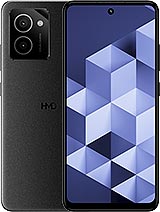
We noticed the weight balance is slightly top-heavy due to the camera module placement, but the matte texture of the Charcoal finish provides enough friction to prevent accidental slips. The buttons are positioned on the right side within easy reach of the thumb. While we can't feel the click through a screen, the physical layout suggests an ergonomic design intended for quick, one-handed interactions in a mobile environment. It’s a utilitarian build that prioritizes function over flair.
The device utilizes a standard array of sensors for security, though it lacks an under-display fingerprint scanner—a feature rarely seen at this price point. Instead, users rely on Face Unlock and the traditional PIN/Pattern methods. In well-lit environments, the 5 MP front camera handles face recognition with respectable speed. However, as a minimalist setup, we find the lack of a side-mounted fingerprint sensor a missed opportunity for instant, tactile access.
In low-light scenarios, the face unlock struggles significantly. This forces a fallback to the manual PIN, which interrupts the "flow" of a quick check. For a device focused on a clean UX, the biometric experience is perhaps its most significant bottleneck. If your fingers are wet or you are wearing a mask, the struggle becomes more apparent. We would have preferred a physical sensor integrated into the power button to maintain that sense of frictionless entry that enthusiasts crave.
Audio is an often-overlooked part of the UX. This handset features a single bottom-firing loudspeaker. While it gets loud enough for a podcast in a quiet room, the audio lacks depth and bass. The high-end can become shrill at maximum volume, which isn't ideal for music lovers. However, for a software-focused minimalist, the inclusion of a 3.5mm headphone jack is a major win. It allows for high-quality, zero-latency audio without the need to manage Bluetooth battery levels or deal with pairing glitches.
Using wired headphones also enables the Wireless FM radio, a rare inclusion in 2024. This provides a way to stay connected to news and music without using any data or relying on streaming apps that are often bloated with trackers and ads. It’s an old-school touch that fits the minimalist ethos perfectly: it just works, no subscription required.
The display is a 720 x 1480 pixels IPS LCD. In the era of 1080p standards, 251 ppi might sound low on paper. However, for a UI enthusiast, the real story is the 90Hz refresh rate. This higher frequency makes the simple act of scrolling through an email or a settings menu feel significantly smoother than the 60Hz panels found on older budget devices. It masks some of the processing limitations of the Snapdragon 680.
The screen reaches 600 nits in High Brightness Mode (HBM). This is sufficient for outdoor use under June sunlight, though the reflective nature of the toughened glass can still be a challenge. The color calibration is leaning toward the cool side, which makes whites look crisp but can make photos appear a bit clinical. For a minimalist UI with a lot of white space, this actually looks quite modern and clean.
Under the hood, the Qualcomm SM6225 Snapdragon 680 is built on a 6nm process. This is an efficiency-first chipset. It features four Kryo 265 Gold cores for performance and four Kryo 265 Silver cores for background tasks. In a world of power-hungry 5G chips, this 4G-only processor is a marathon runner. It doesn't generate much heat, which means the UI doesn't throttle during extended use.
Pairing this efficient chip with a 4000 mAh battery results in impressive endurance. For a minimalist who isn't constantly gaming or doom-scrolling, this is easily a two-day device. The trade-off is the 10W charging speed. In mid-2024, 10W is glacially slow, taking over two hours to reach a full charge. This requires a shift in habits—overnight charging is the only logical way to manage this device. It encourages a slower, less urgent relationship with your technology.
The HMD Vibe 4G is a statement against the over-engineered, ad-filled interfaces that have become common in the sub-200 EUR market. It provides a stable, clean, and predictable environment. While the hardware specs like the 13 MP main camera and 720p screen won't win any awards, they are sufficient for the essentials. The inclusion of a Barometer is a surprising and welcome technical addition, aiding in more accurate GPS positioning for navigation enthusiasts.
Ultimately, this is a phone for the digital minimalist. It’s for the person who spends more time in a simple note-taking app or a clean calendar than in heavy social media feeds. It’s a tool that respects your attention by not bombarding you with manufacturer notifications or unwanted software "features." In a market full of noise, this quiet, functional handset has a charm of its own.
The Canvas of Pure Android
Software enthusiasts often find themselves fighting against heavy skins that clutter the notification shade and fill the app drawer with redundant icons. This handset takes a refreshing path. By shipping with a near-stock version of Android 14, it avoids the memory-hogging bloatware that typically plagues devices in this price bracket. The stock launcher is the definition of functional minimalism. It provides a standard Google Search bar at the bottom, a simple swipe-up app drawer, and the Google Discover feed to the left. For many, this is the peak of usability because it requires zero learning curve.
However, the standard launcher does feel somewhat restrictive for those used to deep customization. It lacks advanced icon pack support and granular grid size controls. In our testing, the 90Hz refresh rate helps the stock animations feel fluid, but the Snapdragon 680 occasionally stutters when opening complex Google News articles with heavy ad scripts. The Adreno 610 GPU is designed for UI stability rather than high-end graphical rendering, which is evident when scrolling through long lists. It’s a clean experience, but one that demands patience from the user.
The Launcher Compatibility Conflict
One of the biggest hurdles for UX purists is the long-standing tension between Android’s gesture navigation and third-party launchers. We tested this model with Nova Launcher and Niagara Launcher to see if the dreaded "home screen redraw" or "gesture lag" persists in this June 2024 build. Unfortunately, like many devices running Android 14, switching away from the stock launcher causes a slight hesitation when swiping up to go home. The system takes a fraction of a second to re-engage the third-party UI.
For those who prefer Niagara Launcher’s vertical minimalist list, the experience is actually quite good. Because Niagara is so lightweight, it compensates for the 3GB RAM limitation on the base model. If you are a power user, we strongly recommend the 6GB RAM variant. The extra memory provides the necessary headroom to keep a custom launcher in cache, significantly reducing the frequency of those annoying UI reloads. Without that extra RAM, the device frequently kills background processes, which can break the seamless flow of gesture-based navigation.
Mastering the One-Handed Grip
With a 6.56-inch display, this is not a small phone, but its 18.5:9 aspect ratio makes it surprisingly narrow at 75.2 mm. This width is the sweet spot for one-handed reachability. Most users will find they can reach across the screen with a thumb to tap a menu icon, though reaching the very top of the notification shade still requires a bit of a shimmy or the use of two hands. The plastic frame and back contribute to a light 186g weight, which prevents hand fatigue during long reading sessions.
We noticed the weight balance is slightly top-heavy due to the camera module placement, but the matte texture of the Charcoal finish provides enough friction to prevent accidental slips. The buttons are positioned on the right side within easy reach of the thumb. While we can't feel the click through a screen, the physical layout suggests an ergonomic design intended for quick, one-handed interactions in a mobile environment. It’s a utilitarian build that prioritizes function over flair.
Frictionless Entry: Biometrics Examined
The device utilizes a standard array of sensors for security, though it lacks an under-display fingerprint scanner—a feature rarely seen at this price point. Instead, users rely on Face Unlock and the traditional PIN/Pattern methods. In well-lit environments, the 5 MP front camera handles face recognition with respectable speed. However, as a minimalist setup, we find the lack of a side-mounted fingerprint sensor a missed opportunity for instant, tactile access.
In low-light scenarios, the face unlock struggles significantly. This forces a fallback to the manual PIN, which interrupts the "flow" of a quick check. For a device focused on a clean UX, the biometric experience is perhaps its most significant bottleneck. If your fingers are wet or you are wearing a mask, the struggle becomes more apparent. We would have preferred a physical sensor integrated into the power button to maintain that sense of frictionless entry that enthusiasts crave.
Sonic Output in a Budget Chassis
Audio is an often-overlooked part of the UX. This handset features a single bottom-firing loudspeaker. While it gets loud enough for a podcast in a quiet room, the audio lacks depth and bass. The high-end can become shrill at maximum volume, which isn't ideal for music lovers. However, for a software-focused minimalist, the inclusion of a 3.5mm headphone jack is a major win. It allows for high-quality, zero-latency audio without the need to manage Bluetooth battery levels or deal with pairing glitches.
Using wired headphones also enables the Wireless FM radio, a rare inclusion in 2024. This provides a way to stay connected to news and music without using any data or relying on streaming apps that are often bloated with trackers and ads. It’s an old-school touch that fits the minimalist ethos perfectly: it just works, no subscription required.
Navigating the 90Hz Threshold
The display is a 720 x 1480 pixels IPS LCD. In the era of 1080p standards, 251 ppi might sound low on paper. However, for a UI enthusiast, the real story is the 90Hz refresh rate. This higher frequency makes the simple act of scrolling through an email or a settings menu feel significantly smoother than the 60Hz panels found on older budget devices. It masks some of the processing limitations of the Snapdragon 680.
The screen reaches 600 nits in High Brightness Mode (HBM). This is sufficient for outdoor use under June sunlight, though the reflective nature of the toughened glass can still be a challenge. The color calibration is leaning toward the cool side, which makes whites look crisp but can make photos appear a bit clinical. For a minimalist UI with a lot of white space, this actually looks quite modern and clean.
The Snapdragon 680 Efficiency Factor
Under the hood, the Qualcomm SM6225 Snapdragon 680 is built on a 6nm process. This is an efficiency-first chipset. It features four Kryo 265 Gold cores for performance and four Kryo 265 Silver cores for background tasks. In a world of power-hungry 5G chips, this 4G-only processor is a marathon runner. It doesn't generate much heat, which means the UI doesn't throttle during extended use.
Pairing this efficient chip with a 4000 mAh battery results in impressive endurance. For a minimalist who isn't constantly gaming or doom-scrolling, this is easily a two-day device. The trade-off is the 10W charging speed. In mid-2024, 10W is glacially slow, taking over two hours to reach a full charge. This requires a shift in habits—overnight charging is the only logical way to manage this device. It encourages a slower, less urgent relationship with your technology.
A Final Software Perspective
The HMD Vibe 4G is a statement against the over-engineered, ad-filled interfaces that have become common in the sub-200 EUR market. It provides a stable, clean, and predictable environment. While the hardware specs like the 13 MP main camera and 720p screen won't win any awards, they are sufficient for the essentials. The inclusion of a Barometer is a surprising and welcome technical addition, aiding in more accurate GPS positioning for navigation enthusiasts.
Ultimately, this is a phone for the digital minimalist. It’s for the person who spends more time in a simple note-taking app or a clean calendar than in heavy social media feeds. It’s a tool that respects your attention by not bombarding you with manufacturer notifications or unwanted software "features." In a market full of noise, this quiet, functional handset has a charm of its own.
Technical Specifications
| LAUNCH | |
|---|---|
| Announced | 2024, April 24 |
| Status | Available. Released 2024, June 04 |
| PLATFORM | |
| OS | Android 14 |
| Chipset | Qualcomm SM6225 Snapdragon 680 4G (6 nm) |
| CPU | Octa-core (4x2.4 GHz Kryo 265 Gold & 4x1.9 GHz Kryo 265 Silver) |
| GPU | Adreno 610 |
| BODY | |
| Dimensions | 163.8 x 75.2 x 8.4 mm (6.45 x 2.96 x 0.33 in) |
| Weight | 186 g (6.56 oz) |
| Build | Glass front, plastic frame, plastic back |
| SIM | Nano-SIM |
| Info | Dust and splash resistant |
| DISPLAY | |
| Type | IPS LCD, 90Hz, 480 nits (typ), 600 nits (HBM) |
| Size | 6.56 inches, 109.2 cm2 (~88.7% screen-to-body ratio) |
| Resolution | 720 x 1480 pixels, 18.5:9 ratio (~251 ppi density) |
| Protection | Toughened glass |
| MEMORY | |
| Card slot | microSDXC |
| Internal | 64GB 3GB RAM, 128GB 6GB RAM |
| MAIN CAMERA | |
| Dual | 13 MP, (wide) Auxiliary lens |
| Features | LED flash, HDR |
| Video | 1080p@30fps |
| SELFIE CAMERA | |
| Single | 5 MP |
| Video | Yes |
| SOUND | |
| Loudspeaker | Yes |
| 3.5mm jack | Yes |
| COMMS | |
| WLAN | Wi-Fi 802.11 a/b/g/n/ac |
| Bluetooth | 5.0, A2DP, LE |
| Positioning | GPS |
| NFC | No |
| Radio | Wireless FM radio |
| USB | USB Type-C 2.0, OTG |
| NETWORK | |
| Technology | GSM / HSPA / LTE |
| 2G bands | GSM 850 / 900 / 1800 / 1900 |
| 3G bands | HSDPA 850 / 900 / 1900 / 2100 |
| 4G bands | 2, 4, 5, 12, 13, 66 |
| Speed | HSPA, LTE |
| FEATURES | |
| Sensors | Accelerometer, proximity, compass, gyro, barometer |
| BATTERY | |
| Type | 4000 mAh |
| Charging | 10W wired |
| MISC | |
| Colors | Charcoal |
| Price | About 100 EUR |