Aluminum Shell Meets 2G Reality - Why the Nokia 230 (2024) Is a Specialized Tool Rather Than a Daily Driver
Overview
The Digital Detox Dilemma
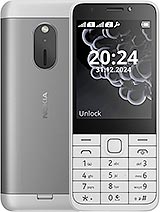
Nokia 230 (2024) is a budget-tier feature phone featuring an aluminum back cover for durability and a 2.8-inch TFT LCD for basic visual output, aimed at users seeking a secondary voice-centric device or a digital detox tool. Released in April 2024, it competes with other basic handsets and entry-level used smartphones by offering tactile simplicity over modern complexity.
In our analysis, we see a device caught between two worlds. On one side, it offers a premium physical feel that shames most modern plastic [budget phones](/trend/best-budget-phones-2026/). On the other, it relies on a GSM-only network infrastructure that is increasingly fragile in 2024. For the value hunter, this creates a specific set of trade-offs. We aren't looking at this as a smartphone replacement. We are looking at it as a specialized communication tool.
New vs Used Argument
At a price point of roughly 70 EUR, the decision to buy this handset new versus a used smartphone is a philosophical one. For the same money, you could easily secure a three-year-old flagship like an iPhone 8 or a Samsung Galaxy S10 in the refurbished market. Those devices offer apps, high-quality cameras, and 4G/LTE connectivity. However, they also bring the baggage of degraded batteries and distracting notifications.
This model offers a fresh start with zero battery anxiety. While a used flagship might struggle to last a full workday on a worn-out cell, this device comfortably cruises through multiple days. It provides a level of reliability that second-hand electronics rarely guarantee. If your goal is purely voice calls and SMS, the brand-new warranty and fresh 1450 mAh battery offer more peace of mind than a cracked-screen legacy smartphone.
Build Quality Comparison
Our examination of the materials reveals a surprising level of sophistication. The aluminum back cover isn't just a gimmick; it provides structural rigidity that most entry-level devices lack. When held, the weight and temperature of the metal suggest a device that can survive the rigors of a construction site or a messy backpack. It feels significantly more substantial than the all-plastic Nokia 215 or 225 models.
Compared to modern glass-sandwich smartphones, this build is refreshingly utilitarian. There is no fear of a shattered rear panel here. The physical buttons offer a tactile certainty that touchscreens can never replicate. In low-light conditions, the integrated flashlight is accessed via a physical shortcut, making it a more practical tool than the software-toggled flashes on expensive handsets.
Resale Value Prediction
Historically, feature phones do not hold value in the same way that high-end tech does. We anticipate a sharp initial drop in resale value. However, the Nokia brand carries a unique "legacy" tax. Unlike generic budget phones from lesser-known brands, these devices tend to hit a price floor around 40% of their retail value and stay there for years.
Because this is the 2024 edition, its inclusion of USB Type-C and Bluetooth 5.0 gives it a longevity advantage over older micro-USB feature phones. In three years, someone looking for a reliable backup phone will still find this model relevant because it uses modern charging cables. It is a sunk cost for most, but one that preserves more utility than a cheap plastic competitor.
Accessory Compatibility
The move to USB Type-C is the most significant upgrade for this era. It means you no longer need a dedicated "feature phone charger" taking up space in your drawer. You can use the same cable that charges your laptop or tablet. This universal compatibility adds immense value for travelers who want to minimize their gear.
Beyond charging, the 3.5mm jack remains a staple here. It allows for the use of any standard wired headphones for the FM radio or the MP3 player. While the screen size is too small for modern screen protectors to be common in stores, the recessed screen design and the aluminum body mean third-party cases are largely unnecessary. The phone is its own protective case.
Unboxing Experience
Nokia keeps the packaging minimal and eco-friendly. Inside the box, you typically find the handset, the removable 1450 mAh battery, and a basic charger. Unlike the premium smartphone market where the brick is missing, Nokia still provides the essentials. There are no fancy stickers or high-end earbuds here; it is a purely functional affair.
We noted the absence of a microSD card in the box. Given the 16MB internal storage, a microSDHC card is a mandatory purchase if you intend to use the camera or play music. Without it, you will hit the storage ceiling after just a few 2MP photos. This is a hidden cost that buyers must account for in their budget.
Performance Reality
The Unisoc 6531F chipset is the engine under the hood. It is an ultra-low-power processor that focuses on efficiency rather than speed. Navigating the menus is instantaneous because the S30+ operating system is incredibly light. There is no lag because there are no heavy apps to process. It is a binary experience: things are either open or they are closed.
Gaming is restricted to classic titles like Snake. While these are fun for a five-minute distraction, the 240 x 320 resolution on a 2.8-inch screen is not meant for extended visual engagement. The dual 2 MP cameras (front and back) are functional for basic documentation but lack the dynamic range for anything artistic. They are tools for capturing a quick grocery list or a parking spot, not for social media.
The Final Take
The Nokia 230 (2024) is a specialized instrument. It excels at being a phone in the most traditional sense. The aluminum build provides a premium tactile experience, and the battery life is measured in days, not hours. However, the lack of 4G or Wi-Fi is a massive hurdle in regions where 2G networks are being decommissioned.
For those in areas with stable 2G coverage who want a rugged, handsome, and simple communication device, it is a champion of value. It eschews the complexity of the modern world for the reliability of the past. It is not trying to be your only screen; it is trying to be the screen you use when you want to put all other screens away.
Technical Specifications
| LAUNCH | |
|---|---|
| Announced | 2024, April 11 |
| Status | Available. Released 2024, April 26 |
| PLATFORM | |
| Chipset | Unisoc 6531F |
| BODY | |
| Dimensions | 124.6 x 53.4 x 10.9 mm (4.91 x 2.10 x 0.43 in) |
| Weight | - |
| Build | Aluminum back cover |
| SIM | Nano-SIM + Nano-SIM |
| Info | Flashlight |
| DISPLAY | |
| Type | TFT LCD |
| Size | 2.8 inches, 24.3 cm2 (~36.5% screen-to-body ratio) |
| Resolution | 240 x 320 pixels, 4:3 ratio (~143 ppi density) |
| MEMORY | |
| Card slot | microSDHC |
| Phonebook | Yes |
| Call records | Yes |
| Internal | 16MB 8MB RAM |
| MAIN CAMERA | |
| Single | 2 MP |
| Features | LED flash |
| Video | Yes |
| SELFIE CAMERA | |
| Single | 2 MP |
| Features | LED flash |
| Video | Yes |
| SOUND | |
| Loudspeaker | Yes |
| 3.5mm jack | Yes |
| COMMS | |
| WLAN | No |
| Bluetooth | 5.0, A2DP, LE |
| Positioning | No |
| NFC | No |
| Radio | Wireless FM radio |
| USB | USB Type-C |
| NETWORK | |
| Technology | GSM |
| 2G bands | GSM 900 / 1800 |
| GPRS | Yes |
| EDGE | No |
| FEATURES | |
| Sensors | No |
| Messaging | SMS |
| Games | Yes |
| Java | No |
| Info | MP3 player |
| BATTERY | |
| Type | Li-Ion 1450 mAh, removable |
| MISC | |
| Colors | Black, White |
| Price | About 70 EUR |