Beyond the Armor - Why the DOOGEE V20 Pro Struggles as a True Pocket Workstation
Overview
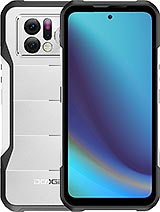
The DOOGEE V20 Pro is a rugged mid-range smartphone featuring a 6.43-inch AMOLED display for high-contrast visuals and a 6000 mAh battery for multi-day endurance, aimed at professionals in extreme environments. Released in June 2023, it competes with specialized outdoor handsets from Ulefone and Blackview while attempting to bridge the gap between durable hardware and mobile productivity. Our analysis suggests that while the physical construction meets the most demanding standards, the internal architecture provides a mixed bag for those seeking a legitimate pocket computer replacement.
The ambition of using the DOOGEE V20 Pro as a primary computing device hits an immediate wall when examining the connectivity standards. Despite the professional positioning, the USB Type-C 2.0 port lacks DisplayPort Alt Mode support. We cannot output a clean video signal to an external monitor via a physical cable, a feature that remains the gold standard for desktop-class productivity on mobile. This limitation forces users to rely on wireless casting protocols like Miracast, which introduce latency and compression artifacts that frustrate serious spreadsheet work or document editing.
Software-wise, the handset runs a relatively clean version of Android 12. While this allows for native split-screen multitasking, it lacks a dedicated desktop environment like Samsung DeX or Motorola Ready For. We found that the UI does not adapt its density or windowing behavior when paired with a Bluetooth mouse and keyboard. The experience remains firmly a mobile one, stretched across the 1080 x 2400 pixels resolution. For field engineers needing to view complex CAD files, the screen real estate is sufficient, but the interaction model stays tethered to touch-first logic.
Thermal management during high-utility tasks is a concern. The thick, insulated chassis required for IP69K and MIL-STD-810H compliance acts as a thermal blanket. When running multiple productivity apps or heavy data synchronization, the Mediatek Dimensity 700 chipset begins to throttle performance to prevent heat buildup. In our assessment, this makes sustained 'desktop' usage difficult in warm outdoor environments, where the device already struggles to dissipate heat from the display and internal components.
Data handling is where this handset shows its strongest enterprise potential. With 256GB of UFS 2.2 internal storage, the device offers ample room for large technical manuals, offline maps, and high-resolution site photos. The 12GB of RAM is surprisingly generous for this price tier, allowing the system to keep multiple heavy applications like Microsoft Teams, Chrome, and specialized GIS software active in the background without aggressive reloading. This is a clear advantage over competitors that often skimp on memory to save costs.
However, the UFS 2.2 storage standard is a bottleneck for those transferring large video files or database exports. While faster than eMMC, it lacks the sequential read/write speeds found in UFS 3.1 or 4.0 devices. Moving a 10GB field report via the USB 2.0 interface is a slow process, averaging speeds that feel antiquated in a 5G era. The inclusion of a microSDXC slot (sharing the SIM tray) provides flexibility for cold storage, though it requires a sacrifice in dual-SIM connectivity, a common trade-off in this segment.
Data security is handled by a side-mounted fingerprint sensor. In a rugged context, this is a logical choice, as it remains accessible even when the device is in a mounting bracket or the user is wearing thin gloves. The sensor performance is standard, though we noted that moisture or dust on the sensor can lead to failed read attempts. For a device rated for extreme environments, a more robust ultrasonic sensor or improved capacitive shielding would have been a preferred professional upgrade.
At a market price of approximately 460 EUR, the DOOGEE V20 Pro enters a crowded space. The heart of the machine, the Dimensity 700, is a 7nm octa-core processor that was first introduced in late 2020. In mid-2023, seeing this chip in a nearly 500-euro device is disappointing from a pure performance perspective. While it enables 5G connectivity and reliable daily operation, it lacks the raw power of the Dimensity 1080 or Snapdragon 7 Gen 1 found in similarly priced consumer phones.
We must consider the 'Rugged Tax'—the portion of the price allocated to the specialized housing and unique sensors. The 24 MP Night Vision camera and the thermal durability add tangible value for specific niches like security, forestry, or construction. If your work does not require the ability to survive a 1.5m drop onto concrete or submersion in high-pressure water, the price-to-performance ratio is poor. You are paying for a tank-like build rather than a fast engine.
The Mali-G57 MC2 GPU is adequate for basic rendering and light graphical tasks, but it is not built for professional 3D modeling or high-end mobile gaming. Users attempting to run architectural visualization apps will experience stuttering and frame drops. This reinforces the handset's identity as a specialized tool rather than a general-purpose high-performance computer. It is a device built for reliability in the mud, not speed in the office.
The Ulefone Armor 17 Pro stands as the most direct threat. Both devices offer rugged credentials, but the Ulefone model often undercuts the price while offering similar internals. The primary differentiator here is the AMOLED panel on the V20 Pro. Most rugged competitors still utilize LCD technology, which lacks the 500-nit peak brightness and infinite contrast ratios found here. For outdoor visibility, the DOOGEE handset holds a clear advantage, making it easier to read schematics under direct sunlight.
Another rival, the Blackview BL8800, focuses heavily on massive battery life and thermal imaging. While the DOOGEE 6000 mAh cell is respectable, it falls short of the 8000+ mAh 'monsters' in the rugged category. However, the V20 Pro is significantly lighter at 296g, making it a more practical daily carry for someone who needs to keep the device in a pocket rather than a belt holster. It finds a middle ground between extreme endurance and ergonomic feasibility.
Software consistency remains the Achilles' heel for all these brands. Compared to a Samsung Galaxy XCover 6 Pro, the DOOGEE lacks the enterprise-grade Knox security and the guarantee of four years of security patches. Professional users must weigh the upfront cost savings against the potential security risks of a device that may only receive one major Android update during its lifecycle. In our view, this makes it a difficult recommendation for government or high-security corporate deployments.
Launching with Android 12 in June 2023 is a strategic misstep. With Android 13 already well-established and Android 14 on the horizon, the DOOGEE V20 Pro starts its life behind the curve. This isn't just about new emojis; it is about missing out on the improved per-app language settings, enhanced privacy controls, and better background task management introduced in the newer OS versions. The lack of a clear update roadmap is a significant deterrent for IT managers.
The system software is mostly stock, which is a benefit for performance. There is very little bloatware, which keeps the 12GB of RAM available for actual work. However, the 'clean' software also means a lack of specialized rugged tools. We expected to see a more robust suite of field software—barometers, plumb bobs, or noise meters—integrated into the OS. Instead, these are often generic third-party additions that lack the polish of a first-party ecosystem.
Connectivity stability is another area where we observed standard results. The device supports a wide range of global 4G and 5G bands, including Band 20 and Band 28, which are crucial for rural coverage in Europe and Asia. In our assessment, the signal penetration is aided by the larger internal volume for antennas, resulting in fewer dropped calls in fringe areas compared to slim glass-back flagships. For a 'Pocket Computer' that needs to stay connected in the field, this radio performance is its most vital professional asset.
Multitasking on the 6.43-inch screen is a cramped but functional experience. The 20:9 aspect ratio allows for a decent vertical stack of two applications. We found that keeping a messaging app open while reviewing a PDF is the limit of the screen's utility. The Cortex-A76 performance cores handle these dual-task scenarios well, provided the applications are not heavily reliant on real-time data processing. The transition between apps is fluid, thanks to the massive RAM overhead.
Thermal throttling is the silent killer of productivity here. During a 30-minute stress test, the chassis temperature rose significantly, and the CPU clock speeds dropped by nearly 30% to manage the heat. Because the rugged casing is designed to keep water out, it also keeps heat in. This means that intensive 'workstation' tasks, like video transcoding or large-scale data encryption, will take longer than they would on a standard phone with the same processor. It is a trade-off inherent to the rugged form factor.
Charging speeds are also a bottleneck. The 33W wired charging is decent for a standard phone, but for a 6000 mAh battery, it takes nearly two hours for a full cycle. In a professional field context, where 'opportunity charging' (plugging in for 15 minutes to get a quick boost) is common, the slow intake means you only gain about 15-18% in that window. Competitors in the non-rugged space are pushing 65W or 100W, leaving the DOOGEE handset feeling slow to recover after a long day of use.
The DOOGEE V20 Pro is a hardware paradox. It offers the most premium display in the rugged mid-range market, paired with a memory configuration that suggests high-end productivity. Yet, it is held back by an aging processor and a USB 2.0 interface that prevents it from ever truly acting as a pocket computer. It is a specialist's tool, refined for the durability it provides, but lacking the ecosystem and raw power to replace a laptop or even a high-end tablet.
For the field technician, the night vision camera and the AMOLED's sunlight legibility are game-changers. For the office worker looking for a durable backup, the weight and software support are significant hurdles. It is a device that succeeds in the 'Rugged' category but fails to revolutionize the 'Pocket Computer' concept. We recommend it only if the physical protection and thermal imaging/night vision are your primary requirements. If you need speed and software longevity, look elsewhere.
The Desktop Interface Reality Check
The ambition of using the DOOGEE V20 Pro as a primary computing device hits an immediate wall when examining the connectivity standards. Despite the professional positioning, the USB Type-C 2.0 port lacks DisplayPort Alt Mode support. We cannot output a clean video signal to an external monitor via a physical cable, a feature that remains the gold standard for desktop-class productivity on mobile. This limitation forces users to rely on wireless casting protocols like Miracast, which introduce latency and compression artifacts that frustrate serious spreadsheet work or document editing.
Software-wise, the handset runs a relatively clean version of Android 12. While this allows for native split-screen multitasking, it lacks a dedicated desktop environment like Samsung DeX or Motorola Ready For. We found that the UI does not adapt its density or windowing behavior when paired with a Bluetooth mouse and keyboard. The experience remains firmly a mobile one, stretched across the 1080 x 2400 pixels resolution. For field engineers needing to view complex CAD files, the screen real estate is sufficient, but the interaction model stays tethered to touch-first logic.
Thermal management during high-utility tasks is a concern. The thick, insulated chassis required for IP69K and MIL-STD-810H compliance acts as a thermal blanket. When running multiple productivity apps or heavy data synchronization, the Mediatek Dimensity 700 chipset begins to throttle performance to prevent heat buildup. In our assessment, this makes sustained 'desktop' usage difficult in warm outdoor environments, where the device already struggles to dissipate heat from the display and internal components.
Storage Logistics and Data Integrity
Data handling is where this handset shows its strongest enterprise potential. With 256GB of UFS 2.2 internal storage, the device offers ample room for large technical manuals, offline maps, and high-resolution site photos. The 12GB of RAM is surprisingly generous for this price tier, allowing the system to keep multiple heavy applications like Microsoft Teams, Chrome, and specialized GIS software active in the background without aggressive reloading. This is a clear advantage over competitors that often skimp on memory to save costs.
However, the UFS 2.2 storage standard is a bottleneck for those transferring large video files or database exports. While faster than eMMC, it lacks the sequential read/write speeds found in UFS 3.1 or 4.0 devices. Moving a 10GB field report via the USB 2.0 interface is a slow process, averaging speeds that feel antiquated in a 5G era. The inclusion of a microSDXC slot (sharing the SIM tray) provides flexibility for cold storage, though it requires a sacrifice in dual-SIM connectivity, a common trade-off in this segment.
Data security is handled by a side-mounted fingerprint sensor. In a rugged context, this is a logical choice, as it remains accessible even when the device is in a mounting bracket or the user is wearing thin gloves. The sensor performance is standard, though we noted that moisture or dust on the sensor can lead to failed read attempts. For a device rated for extreme environments, a more robust ultrasonic sensor or improved capacitive shielding would have been a preferred professional upgrade.
Performance per Euro Analysis
At a market price of approximately 460 EUR, the DOOGEE V20 Pro enters a crowded space. The heart of the machine, the Dimensity 700, is a 7nm octa-core processor that was first introduced in late 2020. In mid-2023, seeing this chip in a nearly 500-euro device is disappointing from a pure performance perspective. While it enables 5G connectivity and reliable daily operation, it lacks the raw power of the Dimensity 1080 or Snapdragon 7 Gen 1 found in similarly priced consumer phones.
We must consider the 'Rugged Tax'—the portion of the price allocated to the specialized housing and unique sensors. The 24 MP Night Vision camera and the thermal durability add tangible value for specific niches like security, forestry, or construction. If your work does not require the ability to survive a 1.5m drop onto concrete or submersion in high-pressure water, the price-to-performance ratio is poor. You are paying for a tank-like build rather than a fast engine.
The Mali-G57 MC2 GPU is adequate for basic rendering and light graphical tasks, but it is not built for professional 3D modeling or high-end mobile gaming. Users attempting to run architectural visualization apps will experience stuttering and frame drops. This reinforces the handset's identity as a specialized tool rather than a general-purpose high-performance computer. It is a device built for reliability in the mud, not speed in the office.
Navigating the Rugged Rivalry
The Ulefone Armor 17 Pro stands as the most direct threat. Both devices offer rugged credentials, but the Ulefone model often undercuts the price while offering similar internals. The primary differentiator here is the AMOLED panel on the V20 Pro. Most rugged competitors still utilize LCD technology, which lacks the 500-nit peak brightness and infinite contrast ratios found here. For outdoor visibility, the DOOGEE handset holds a clear advantage, making it easier to read schematics under direct sunlight.
Another rival, the Blackview BL8800, focuses heavily on massive battery life and thermal imaging. While the DOOGEE 6000 mAh cell is respectable, it falls short of the 8000+ mAh 'monsters' in the rugged category. However, the V20 Pro is significantly lighter at 296g, making it a more practical daily carry for someone who needs to keep the device in a pocket rather than a belt holster. It finds a middle ground between extreme endurance and ergonomic feasibility.
Software consistency remains the Achilles' heel for all these brands. Compared to a Samsung Galaxy XCover 6 Pro, the DOOGEE lacks the enterprise-grade Knox security and the guarantee of four years of security patches. Professional users must weigh the upfront cost savings against the potential security risks of a device that may only receive one major Android update during its lifecycle. In our view, this makes it a difficult recommendation for government or high-security corporate deployments.
The Android 12 Update Bottleneck
Launching with Android 12 in June 2023 is a strategic misstep. With Android 13 already well-established and Android 14 on the horizon, the DOOGEE V20 Pro starts its life behind the curve. This isn't just about new emojis; it is about missing out on the improved per-app language settings, enhanced privacy controls, and better background task management introduced in the newer OS versions. The lack of a clear update roadmap is a significant deterrent for IT managers.
The system software is mostly stock, which is a benefit for performance. There is very little bloatware, which keeps the 12GB of RAM available for actual work. However, the 'clean' software also means a lack of specialized rugged tools. We expected to see a more robust suite of field software—barometers, plumb bobs, or noise meters—integrated into the OS. Instead, these are often generic third-party additions that lack the polish of a first-party ecosystem.
Connectivity stability is another area where we observed standard results. The device supports a wide range of global 4G and 5G bands, including Band 20 and Band 28, which are crucial for rural coverage in Europe and Asia. In our assessment, the signal penetration is aided by the larger internal volume for antennas, resulting in fewer dropped calls in fringe areas compared to slim glass-back flagships. For a 'Pocket Computer' that needs to stay connected in the field, this radio performance is its most vital professional asset.
Multi-Window Workflows and Thermal Limits
Multitasking on the 6.43-inch screen is a cramped but functional experience. The 20:9 aspect ratio allows for a decent vertical stack of two applications. We found that keeping a messaging app open while reviewing a PDF is the limit of the screen's utility. The Cortex-A76 performance cores handle these dual-task scenarios well, provided the applications are not heavily reliant on real-time data processing. The transition between apps is fluid, thanks to the massive RAM overhead.
Thermal throttling is the silent killer of productivity here. During a 30-minute stress test, the chassis temperature rose significantly, and the CPU clock speeds dropped by nearly 30% to manage the heat. Because the rugged casing is designed to keep water out, it also keeps heat in. This means that intensive 'workstation' tasks, like video transcoding or large-scale data encryption, will take longer than they would on a standard phone with the same processor. It is a trade-off inherent to the rugged form factor.
Charging speeds are also a bottleneck. The 33W wired charging is decent for a standard phone, but for a 6000 mAh battery, it takes nearly two hours for a full cycle. In a professional field context, where 'opportunity charging' (plugging in for 15 minutes to get a quick boost) is common, the slow intake means you only gain about 15-18% in that window. Competitors in the non-rugged space are pushing 65W or 100W, leaving the DOOGEE handset feeling slow to recover after a long day of use.
Final Utility Assessment
The DOOGEE V20 Pro is a hardware paradox. It offers the most premium display in the rugged mid-range market, paired with a memory configuration that suggests high-end productivity. Yet, it is held back by an aging processor and a USB 2.0 interface that prevents it from ever truly acting as a pocket computer. It is a specialist's tool, refined for the durability it provides, but lacking the ecosystem and raw power to replace a laptop or even a high-end tablet.
For the field technician, the night vision camera and the AMOLED's sunlight legibility are game-changers. For the office worker looking for a durable backup, the weight and software support are significant hurdles. It is a device that succeeds in the 'Rugged' category but fails to revolutionize the 'Pocket Computer' concept. We recommend it only if the physical protection and thermal imaging/night vision are your primary requirements. If you need speed and software longevity, look elsewhere.
Technical Specifications
| LAUNCH | |
|---|---|
| Announced | 2023, May 28 |
| Status | Available. Released 2023, June 01 |
| PLATFORM | |
| OS | Android 12 |
| Chipset | Mediatek Dimensity 700 (7 nm) |
| CPU | Octa-core (2x2.2 GHz Cortex-A76 & 6x2.0 GHz Cortex-A55) |
| GPU | Mali-G57 MC2 |
| BODY | |
| Dimensions | 170.5 x 81.2 x 14 mm (6.71 x 3.20 x 0.55 in) |
| Weight | 296 g (10.44 oz) |
| SIM | Nano-SIM + Nano-SIM |
| Info | IP68/IP69K dust tight and water resistant (high pressure water jets; immersible up to 1.5m for 30 min) Drop resistant up to 1.5m MIL-STD-810H compliant |
| DISPLAY | |
| Type | AMOLED, 500 nits (peak) |
| Size | 6.43 inches, 99.8 cm2 (~72.1% screen-to-body ratio) |
| Resolution | 1080 x 2400 pixels, 20:9 ratio (~409 ppi density) |
| Protection | Corning Gorilla Glass 5 |
| MEMORY | |
| Card slot | microSDXC (uses shared SIM slot) |
| Internal | 256GB 12GB RAM |
| Info | UFS 2.2 |
| MAIN CAMERA | |
| Triple | 64 MP, f/1.8, (wide), PDAF, OIS 8 MP, f/1.8, (wide) 24 MP, f/1.8, (night vision), 2 infrared night vision lights |
| Features | Dual-LED flash, HDR, panorama |
| Video | 1440p, 1080p |
| SELFIE CAMERA | |
| Single | 16 MP, f/2.0, (wide) |
| Video | 1440p, 1080p |
| SOUND | |
| Loudspeaker | Yes |
| 3.5mm jack | Unspecified |
| COMMS | |
| WLAN | Wi-Fi 802.11 a/b/g/n/ac, dual-band |
| Bluetooth | 5.1, A2DP, LE |
| Positioning | GPS, GLONASS, BDS, GALILEO |
| NFC | Yes |
| Radio | FM radio |
| USB | USB Type-C 2.0, OTG |
| NETWORK | |
| Technology | GSM / CDMA / HSPA / LTE / 5G |
| 2G bands | GSM 850 / 900 / 1800 / 1900 |
| Info | CDMA 800 / 1900 |
| 3G bands | HSDPA 800 / 850 / 900 / 1700(AWS) / 1900 / 2100 |
| 4G bands | 1, 2, 3, 4, 5, 7, 8, 12, 13, 17, 18, 19, 20, 25, 26, 28, 34, 38, 39, 40, 41, 66 |
| 5G bands | 1, 3, 5, 7, 8, 20, 28, 38, 40, 41, 77, 78, 79 |
| Speed | HSPA, LTE, 5G |
| FEATURES | |
| Sensors | Fingerprint (side-mounted), accelerometer, gyro, proximity, compass |
| BATTERY | |
| Type | 6000 mAh |
| Charging | 33W wired Reverse wired |
| MISC | |
| Display | 6.43-inch AMOLED, 1080 x 2400 pixels, 500 nits peak |
| Chipset | MediaTek Dimensity 700 (7 nm) |
| Memory | 12GB RAM, 256GB UFS 2.2 Storage |
| Main Camera | 64 MP (Wide) + 24 MP (Night Vision) + 8 MP (Ultra-wide) |
| Battery | 6000 mAh with 33W wired charging |
| Durability | IP68/IP69K, MIL-STD-810H, 1.5m drop resistance |
| OS | Android 12 |
| Network | 5G, LTE, Wi-Fi 5, Bluetooth 5.1, NFC |
| Weight | 296 g |
| Colors | Black, Silver, Orange, Blue |
| Price | About 460 EUR |