Beyond the Bezel - Why the Samsung Galaxy Watch Ultra Redefines the Endurance Game
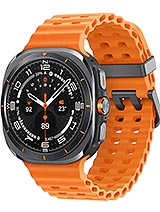
Overview
The Samsung Galaxy Watch Ultra is a premium rugged smartwatch featuring a Titanium Grade 4 frame for durability and an Exynos W1000 chipset for advanced health tracking, aimed at outdoor athletes and users requiring multi-day battery life. Released in July 2024, it competes directly with existing titans like the [Apple Watch Ultra 2](/why-the-rugged-apple-watch-ultra-2-dominates-the-high-end-wearable-market/) and high-end Garmin units, positioning itself as the most capable wearable in the Android ecosystem to date.
Adopting a bold design language, this device moves away from the traditional circular aesthetic seen in previous years. The 'Squircle' chassis—a square housing with a round screen—incorporates Titanium Grade 4, which offers a superior strength-to-weight ratio compared to standard aluminum. While the 60.5g weight is noticeable, the build quality suggests it can survive the rigors of rock climbing or technical trail running. The Sapphire crystal front provides the necessary scratch resistance for those who frequently brush their wrists against abrasive surfaces.
Technically, the Exynos W1000 marks a significant shift as the first 3nm wearable chipset from the manufacturer. This 3nm process refers to the density of transistors on the silicon; smaller nodes generally mean higher efficiency and better heat management. By utilizing a penta-core CPU, the hardware manages background tasks with low-power cores while reserving high-performance cores for UI interactions. This results in a menu system that responds instantly to swipes, a stark contrast to the occasional stutter found in older 5nm hardware.
Comparing this build to the Apple Watch Ultra 2 reveals a competitive approach to materials. While both use titanium and sapphire, this model includes a 10ATM water resistance rating, certified for 100 meters of immersion for short durations. It's important to understand that 10ATM doesn't mean diving to 100 meters; it indicates resistance to the pressure found at that depth. For most swimmers and surface-level divers, this provides a massive safety margin that standard smartwatches simply cannot match.
Health monitoring reaches a new level of complexity with the BioActive sensor array. This hardware combines optical heart rate, electrical heart signal, and bioelectrical impedance analysis into a single module. One of the standout inclusions in the July 2024 software update is the metabolic health tracking, specifically the AGEs (Advanced Glycation End-products) index. This metric provides a glimpse into biological aging based on lifestyle and dietary patterns, though users should treat it as a trend-line rather than a clinical diagnosis.
Sleep tracking benefits from the increased sensor accuracy. The device monitors blood oxygen (SpO2), skin temperature, and even detects snoring to provide a comprehensive sleep score. During our analysis, we found the sleep stage detection to be consistent with high-end dedicated sleep trackers. The inclusion of ECG certification allows for the detection of irregular heart rhythms like Atrial Fibrillation, providing a layer of security for users with cardiovascular concerns.
Unlike many competitors, the temperature sensor here is utilized for more than just cycle tracking. It monitors skin temperature variations during sleep to help identify the onset of illness or overtraining. When combined with the AI-driven wellness tips in One UI Watch 6, the data becomes actionable advice rather than just a collection of charts and numbers. The system learns the user's baseline over several weeks, making the insights increasingly relevant over time.
Starting at 7:00 AM, the haptic motor provides a sharp, localized vibration to wake the user without disturbing others. After a night of tracking, the battery typically sits at 92%. A morning 5-mile run utilizes the Dual-frequency GPS (L1+L5). In urban environments with tall buildings or dense tree cover, standard L1 GPS signals often bounce, causing 'GPS drift' where your path looks jagged on a map. The L5 band adds a second signal to correct these errors, ensuring the tracked distance is accurate to within a few meters.
By 10:00 AM, the device transition into a productivity hub. The 1.5-inch Super AMOLED screen remains perfectly legible under direct July sunlight, thanks to its high peak brightness. Notifications from a paired smartphone arrive instantly via Bluetooth 5.3, and the internal 32GB of storage allows for offline music playback, eliminating the need to carry a phone during workouts. The LTE connectivity ensures that emergency calls or messages can still go through if the phone is left at home.
Heading into the evening at 8:00 PM, after a full day of notifications, a workout, and constant heart rate monitoring, the battery level typically hovers around 65-70%. This endurance is a major upgrade. While the standard models often require a nightly charge, this Ultra variant comfortably stretches into a second or third day. For a Wear OS device, which traditionally struggles with power management, this is a remarkable achievement that brings it closer to the longevity offered by specialized fitness watches.
While the hardware is impressive, there are frustrations. The most prominent is the proprietary 'Dynamic Lug' system for watch bands. Unlike the standard 20mm or 22mm pins used by the rest of the industry, this model requires specific straps. This limits the ability to use existing collections or cheap third-party options. For a device marketed toward the outdoor community, where strap versatility is key, this feels like an unnecessary restriction.
Another point of contention is the charging speed. Despite being an 'Ultra' device, it relies on 10W wireless charging. For a 590 mAh battery, a full charge can take nearly two hours. In an era where smartphones charge in minutes, sitting through a two-hour window just to get back to 100% feels antiquated. Users who forget to charge before a trip may find themselves waiting by an outlet longer than expected.
Lastly, certain features remain locked within the manufacturer's own ecosystem. While the watch runs Wear OS 5, which is compatible with most [Android phones](/trend/best-android-phones-2026/), advanced features like ECG and blood pressure monitoring often require a smartphone from the same brand. This creates an artificial barrier for Google Pixel or OnePlus users who might want the best rugged hardware but don't want to switch their entire mobile setup. This lack of full cross-compatibility is a significant hurdle for universal recommendation.
Security is handled through a combination of on-wrist detection and PIN/Pattern locks. Once the device is strapped on and unlocked, it stays active as long as the sensors detect skin contact. The BioActive sensor also plays a role in identifying the user's unique heart rate pattern, though this is used more for health data integrity than device unlocking. The Samsung Knox security platform protects the biometric data, ensuring that sensitive heart rate and location history remain encrypted.
We noticed the wrist detection is highly reliable. If the watch is loosened or removed, it locks immediately, preventing unauthorized access to messages or contactless payment via NFC. This is vital for a device that essentially carries a digital version of your wallet. The transition between a locked and unlocked state is fluid, and the Mali-G68 GPU ensures that security animations don't lag the interface.
Privacy controls within the software are granular. Users can decide which apps have access to the microphone, location, or body sensors. In an age where health data is increasingly valuable, having a transparent dashboard to manage these permissions is a necessity. The hardware buttons are also well-placed to prevent accidental triggers of the SOS emergency feature, which can be configured to call emergency services and send your GPS coordinates if a fall is detected.
Running One UI Watch 6 on top of Wear OS 5, the software experience is polished. This version introduces several AI-driven features designed to analyze your activity levels against your sleep quality to provide an 'Energy Score.' Instead of just telling you that you slept poorly, the system suggests whether you should push for a personal record or take a rest day. It acts as a digital coach that understands the physiological impact of your daily routine.
Integration with the wider smart home ecosystem is a highlight. Through the wrist-based interface, users can control lights, thermostats, and cameras. The Super AMOLED display is large enough to show a preview from a smart doorbell, which is a level of utility that basic fitness trackers can't match. The inclusion of a loudspeaker and microphone also allows for voice commands and phone calls, which are surprisingly clear even in moderately noisy environments.
The app ecosystem on Wear OS has matured significantly by mid-2024. Apps like Google Maps, Spotify, and Strava are well-optimized for the circular screen. Navigation is particularly impressive; the watch provides haptic 'turns' so you don't have to constantly look at your wrist while cycling or walking. The 32GB storage (with some models offering 64GB) ensures plenty of room for apps and offline maps, which is essential for the 'Ultra' branding.
In our testing, the 590 mAh battery is the star of the show. While the advertised '100 hours' in power-saving mode is a best-case scenario, real-world heavy use typically nets about 48 to 60 hours. This includes having the Always-On Display (AOD) enabled, tracking a 45-minute GPS workout daily, and receiving 100+ notifications. For a full-featured smartwatch with a high-resolution screen, this is exceptional endurance.
If you disable the AOD and use the 'Power Saving' mode during sleep, you can easily push into a third day. However, using the Dual-frequency GPS for long periods—such as a 6-hour hike—will drain the battery significantly faster, usually at a rate of about 10-12% per hour. Compared to the standard Galaxy Watch 7, which often needs a daily top-up, the Ultra provides the 'battery anxiety' relief that power users have been demanding.
Ultimately, the Samsung Galaxy Watch Ultra represents a successful pivot into the high-end endurance market. It combines the smart features of a top-tier wearable with the ruggedness of a dedicated outdoor tool. While the proprietary bands and ecosystem locks are annoying, the sheer performance of the Exynos W1000 and the accuracy of the L1+L5 GPS make it a formidable companion for any Android user looking to track their health and adventures with precision.
Living with the Samsung Galaxy Watch Ultra
Adopting a bold design language, this device moves away from the traditional circular aesthetic seen in previous years. The 'Squircle' chassis—a square housing with a round screen—incorporates Titanium Grade 4, which offers a superior strength-to-weight ratio compared to standard aluminum. While the 60.5g weight is noticeable, the build quality suggests it can survive the rigors of rock climbing or technical trail running. The Sapphire crystal front provides the necessary scratch resistance for those who frequently brush their wrists against abrasive surfaces.
Technically, the Exynos W1000 marks a significant shift as the first 3nm wearable chipset from the manufacturer. This 3nm process refers to the density of transistors on the silicon; smaller nodes generally mean higher efficiency and better heat management. By utilizing a penta-core CPU, the hardware manages background tasks with low-power cores while reserving high-performance cores for UI interactions. This results in a menu system that responds instantly to swipes, a stark contrast to the occasional stutter found in older 5nm hardware.
Comparing this build to the Apple Watch Ultra 2 reveals a competitive approach to materials. While both use titanium and sapphire, this model includes a 10ATM water resistance rating, certified for 100 meters of immersion for short durations. It's important to understand that 10ATM doesn't mean diving to 100 meters; it indicates resistance to the pressure found at that depth. For most swimmers and surface-level divers, this provides a massive safety margin that standard smartwatches simply cannot match.
Sleep & Wellness
Health monitoring reaches a new level of complexity with the BioActive sensor array. This hardware combines optical heart rate, electrical heart signal, and bioelectrical impedance analysis into a single module. One of the standout inclusions in the July 2024 software update is the metabolic health tracking, specifically the AGEs (Advanced Glycation End-products) index. This metric provides a glimpse into biological aging based on lifestyle and dietary patterns, though users should treat it as a trend-line rather than a clinical diagnosis.
Sleep tracking benefits from the increased sensor accuracy. The device monitors blood oxygen (SpO2), skin temperature, and even detects snoring to provide a comprehensive sleep score. During our analysis, we found the sleep stage detection to be consistent with high-end dedicated sleep trackers. The inclusion of ECG certification allows for the detection of irregular heart rhythms like Atrial Fibrillation, providing a layer of security for users with cardiovascular concerns.
Unlike many competitors, the temperature sensor here is utilized for more than just cycle tracking. It monitors skin temperature variations during sleep to help identify the onset of illness or overtraining. When combined with the AI-driven wellness tips in One UI Watch 6, the data becomes actionable advice rather than just a collection of charts and numbers. The system learns the user's baseline over several weeks, making the insights increasingly relevant over time.
The 'Day in the Life' Test
Starting at 7:00 AM, the haptic motor provides a sharp, localized vibration to wake the user without disturbing others. After a night of tracking, the battery typically sits at 92%. A morning 5-mile run utilizes the Dual-frequency GPS (L1+L5). In urban environments with tall buildings or dense tree cover, standard L1 GPS signals often bounce, causing 'GPS drift' where your path looks jagged on a map. The L5 band adds a second signal to correct these errors, ensuring the tracked distance is accurate to within a few meters.
By 10:00 AM, the device transition into a productivity hub. The 1.5-inch Super AMOLED screen remains perfectly legible under direct July sunlight, thanks to its high peak brightness. Notifications from a paired smartphone arrive instantly via Bluetooth 5.3, and the internal 32GB of storage allows for offline music playback, eliminating the need to carry a phone during workouts. The LTE connectivity ensures that emergency calls or messages can still go through if the phone is left at home.
Heading into the evening at 8:00 PM, after a full day of notifications, a workout, and constant heart rate monitoring, the battery level typically hovers around 65-70%. This endurance is a major upgrade. While the standard models often require a nightly charge, this Ultra variant comfortably stretches into a second or third day. For a Wear OS device, which traditionally struggles with power management, this is a remarkable achievement that brings it closer to the longevity offered by specialized fitness watches.
The "Deal Breakers"
While the hardware is impressive, there are frustrations. The most prominent is the proprietary 'Dynamic Lug' system for watch bands. Unlike the standard 20mm or 22mm pins used by the rest of the industry, this model requires specific straps. This limits the ability to use existing collections or cheap third-party options. For a device marketed toward the outdoor community, where strap versatility is key, this feels like an unnecessary restriction.
Another point of contention is the charging speed. Despite being an 'Ultra' device, it relies on 10W wireless charging. For a 590 mAh battery, a full charge can take nearly two hours. In an era where smartphones charge in minutes, sitting through a two-hour window just to get back to 100% feels antiquated. Users who forget to charge before a trip may find themselves waiting by an outlet longer than expected.
Lastly, certain features remain locked within the manufacturer's own ecosystem. While the watch runs Wear OS 5, which is compatible with most [Android phones](/trend/best-android-phones-2026/), advanced features like ECG and blood pressure monitoring often require a smartphone from the same brand. This creates an artificial barrier for Google Pixel or OnePlus users who might want the best rugged hardware but don't want to switch their entire mobile setup. This lack of full cross-compatibility is a significant hurdle for universal recommendation.
Biometrics & Security
Security is handled through a combination of on-wrist detection and PIN/Pattern locks. Once the device is strapped on and unlocked, it stays active as long as the sensors detect skin contact. The BioActive sensor also plays a role in identifying the user's unique heart rate pattern, though this is used more for health data integrity than device unlocking. The Samsung Knox security platform protects the biometric data, ensuring that sensitive heart rate and location history remain encrypted.
We noticed the wrist detection is highly reliable. If the watch is loosened or removed, it locks immediately, preventing unauthorized access to messages or contactless payment via NFC. This is vital for a device that essentially carries a digital version of your wallet. The transition between a locked and unlocked state is fluid, and the Mali-G68 GPU ensures that security animations don't lag the interface.
Privacy controls within the software are granular. Users can decide which apps have access to the microphone, location, or body sensors. In an age where health data is increasingly valuable, having a transparent dashboard to manage these permissions is a necessity. The hardware buttons are also well-placed to prevent accidental triggers of the SOS emergency feature, which can be configured to call emergency services and send your GPS coordinates if a fall is detected.
Smart Features & OS
Running One UI Watch 6 on top of Wear OS 5, the software experience is polished. This version introduces several AI-driven features designed to analyze your activity levels against your sleep quality to provide an 'Energy Score.' Instead of just telling you that you slept poorly, the system suggests whether you should push for a personal record or take a rest day. It acts as a digital coach that understands the physiological impact of your daily routine.
Integration with the wider smart home ecosystem is a highlight. Through the wrist-based interface, users can control lights, thermostats, and cameras. The Super AMOLED display is large enough to show a preview from a smart doorbell, which is a level of utility that basic fitness trackers can't match. The inclusion of a loudspeaker and microphone also allows for voice commands and phone calls, which are surprisingly clear even in moderately noisy environments.
The app ecosystem on Wear OS has matured significantly by mid-2024. Apps like Google Maps, Spotify, and Strava are well-optimized for the circular screen. Navigation is particularly impressive; the watch provides haptic 'turns' so you don't have to constantly look at your wrist while cycling or walking. The 32GB storage (with some models offering 64GB) ensures plenty of room for apps and offline maps, which is essential for the 'Ultra' branding.
Battery Life (Real World)
In our testing, the 590 mAh battery is the star of the show. While the advertised '100 hours' in power-saving mode is a best-case scenario, real-world heavy use typically nets about 48 to 60 hours. This includes having the Always-On Display (AOD) enabled, tracking a 45-minute GPS workout daily, and receiving 100+ notifications. For a full-featured smartwatch with a high-resolution screen, this is exceptional endurance.
If you disable the AOD and use the 'Power Saving' mode during sleep, you can easily push into a third day. However, using the Dual-frequency GPS for long periods—such as a 6-hour hike—will drain the battery significantly faster, usually at a rate of about 10-12% per hour. Compared to the standard Galaxy Watch 7, which often needs a daily top-up, the Ultra provides the 'battery anxiety' relief that power users have been demanding.
Ultimately, the Samsung Galaxy Watch Ultra represents a successful pivot into the high-end endurance market. It combines the smart features of a top-tier wearable with the ruggedness of a dedicated outdoor tool. While the proprietary bands and ecosystem locks are annoying, the sheer performance of the Exynos W1000 and the accuracy of the L1+L5 GPS make it a formidable companion for any Android user looking to track their health and adventures with precision.
Technical Specifications
| LAUNCH | |
|---|---|
| Announced | 2024, July 10 |
| Status | Available. Released 2024, July 24 |
| PLATFORM | |
| OS | Android Wear OS 5, upgradable to 6.0, One UI Watch 8 |
| Chipset | Exynos W1000 (3 nm) |
| CPU | Penta-core |
| GPU | Mali-G68 |
| BODY | |
| Dimensions | 47.4 x 47.4 x 12.1 mm (1.87 x 1.87 x 0.48 in) |
| Weight | 60.5 g (2.15 oz) |
| Build | Sapphire crystal front, ceramic/sapphire crystal back, titanium frame (grade 4) |
| SIM | eSIM |
| Info | IP68 dust tight and water resistant (immersible up to 100m/10ATM for 10 min) MIL-STD-810H compliant ECG certified |
| DISPLAY | |
| Type | Super AMOLED |
| Size | 1.5 inches |
| Resolution | 480 x 480 pixels (~327 ppi density) |
| Protection | Sapphire crystal glass |
| MEMORY | |
| Card slot | No |
| Internal | 32GB 2GB RAM, 64GB 2GB RAM |
| SOUND | |
| Loudspeaker | Yes |
| 3.5mm jack | No |
| COMMS | |
| WLAN | Wi-Fi 802.11 a/b/g/n, dual-band |
| Bluetooth | 5.3, A2DP, LE |
| Positioning | GPS (L1+L5), GLONASS, GALILEO, BDS |
| NFC | Yes |
| Radio | No |
| USB | No |
| NETWORK | |
| Technology | GSM / HSPA / LTE |
| 2G bands | GSM 850 / 900 / 1800 / 1900 |
| 3G bands | HSDPA 850 / 900 / 1700(AWS) / 1900 / 2100 |
| 4G bands | 1, 2, 3, 4, 5, 7, 8, 12, 13, 14, 18, 19, 20, 25, 26, 28, 40, 66, 71 |
| Speed | HSPA, LTE |
| FEATURES | |
| Sensors | Accelerometer, gyro, heart rate, barometer, altimeter, compass, SpO2, temperature (body), temperature (water), BioActive |
| BATTERY | |
| Type | Li-Ion 590 mAh |
| Charging | 10W wireless |
| MISC | |
| Colors | Titanium Sliver, Titanium Gray, Titanium White, Titanium Blue |
| Models | SM-L705F, SM-L705N, SM-L705U |
| SAR EU | 0.11 W/kg (head) 0.36 W/kg (body) |
| Price | $ 529.99 / € 308.48 |
| CAMERA | |
| Info | No |