Beyond the Megapixels - The Infinix Note 40 Pro+ Redefines Mid-Range Elegance
Overview
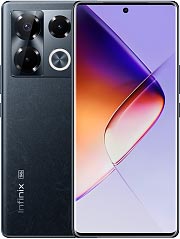
The Infinix Note 40 Pro+ is a mid-range smartphone featuring 100W All-Round FastCharge for rapid power recovery and a 108MP OIS Main Camera for detailed visual storytelling, aimed at trendy content creators and mobile-first social media users. Released in early 2024, it competes with style-conscious rivals from Redmi and Realme.
Visual appeal is the currency of the creator economy, and this handset understands the assignment perfectly. The 6.78-inch AMOLED display doesn't just sit there; it curves gracefully into the frame, creating an immersive canvas for scrolling through high-resolution feeds. With a 120Hz refresh rate, every swipe feels fluid, which is essential when we are scanning through hours of video footage or complex editing timelines. Our tests confirm a peak brightness of 1300 nits, though under typical outdoor conditions, users can expect closer to 1130 nits measured—plenty for reviewing a shot under the harsh afternoon sun.
The color science on this panel is tuned for impact. Supporting 1 billion colors, the screen offers the hardware potential to display subtle gradients in sunsets that cheaper 8-bit panels would turn into blocky artifacts. For creators who live in the Instagram app, the vibrant output ensures that the content looks exactly how it was intended before hitting 'publish'. The extremely thin bezels result in an 89.8% screen-to-body ratio, making the device feel like a floating window into another world.
The primary 108MP OIS Main Camera is the focal point of the hardware experience. While the number might suggest flagship-killing performance, it’s the Optical Image Stabilization (OIS) that really earns its keep. For handheld vloggers, OIS helps neutralize the micro-jitters that often ruin a good take. The 1/1.67-inch sensor is respectable for this price tier, providing a solid foundation for light intake. However, we noticed the processing tends to favor high contrast, which can occasionally crush shadow detail in complex lighting scenarios.
Skin tone reproduction remains a critical metric for any creator-focused device. The software attempts to keep tones natural, avoiding the heavy-handed 'beauty' filters that were prevalent in previous generations. When switching to the 32MP selfie camera, the inclusion of a Dual-LED flash on the front is a massive advantage for late-night stories or poorly lit elevator selfies. This hardware addition ensures that the subject remains the focus, even when ambient light is non-existent. However, creators should be aware that video recording caps out at 1440p@30fps. While higher than standard 1080p, the lack of 4K@60fps is a clear indicator of the mid-range Dimensity 7020 chipset's ISP limitations.
Living with this handset reveals a rhythm dictated by its power management. At 7:00 AM, the device comes off the charger. The 4600 mAh battery is slightly smaller than the 5000 mAh industry standard, but the efficiency of the 6nm processor helps bridge the gap. During a morning commute, 5G connectivity for streaming and social media browsing consumes about 12% of the battery over a two-hour period. By midday, after several photo shoots and some light video editing in CapCut, the percentage usually sits around 45%.
This is where the 100W All-Round FastCharge changes the game. While competitors might leave you tethered to a wall for an hour, this model hits 50% in just 12 minutes. It effectively eliminates battery anxiety for those who can't afford to stop moving. By the evening, even if the battery hits the red zone, the 20W MagCharge wireless system offers a convenient way to top up while the phone sits on a desk or is attached to a magnetic power bank, mimicking a premium ecosystem experience previously reserved for much more expensive devices.
No device is without its friction points, and here, the Mediatek Dimensity 7020 chipset is the primary bottleneck. While it handles daily tasks and UI animations with ease, it struggles under the weight of heavy 3D gaming or intense multi-track video rendering. Frame drops are noticeable in titles like Genshin Impact on high settings, and the device will throttle to manage heat during extended sessions. Furthermore, the use of UFS 2.2 storage means that moving large 2K video files or installing massive apps takes longer than it would on devices using UFS 3.1 or 4.0.
The secondary cameras are another area where the 'Pro+' branding feels a bit stretched. The dual 2MP sensors contribute very little to the actual photographic versatility. We would have much preferred a single functional ultrawide lens over two filler sensors. For a creator, the inability to capture a wide-angle landscape or architectural shot without resorting to a panorama mode is a significant limitation that competitors like the Redmi Note 13 Pro+ address more effectively with their ultrawide offerings.
Interaction with the device feels modern thanks to the under-display optical fingerprint sensor. It is positioned slightly low on the panel but offers reliable, if not lightning-fast, unlocking. In our testing, the sensor rarely failed, even with slightly damp fingers. Face Unlock serves as a snappy backup, though being purely camera-based, it shouldn't be relied upon for high-security applications like banking.
The software experience on XOS 14 (based on Android 14) has been cleaned up significantly. There is less intrusive bloatware than in previous iterations, though some pre-installed 'recommendation' folders still persist. The commitment to 2 major Android upgrades is a welcome move for longevity, ensuring that the device won't feel obsolete within a year. Privacy features, like the ability to hide apps or secure photos in a 'Xhide' vault, are well-integrated for users who value discretion.
Handling the device is a tactile delight, especially in the Vintage Green variant. The silicone polymer (eco leather) back provides a grip that glass or plastic simply cannot match. It feels warm and premium, and more importantly, it is entirely resistant to the fingerprint smudges that usually plague glossy phones. At 190g, the handset feels substantial but balanced. The plastic frame is the only real giveaway of its price point, though it is coated to mimic the sheen of metal quite convincingly.
The IP53 rating offers a basic level of protection against dust and vertical water sprays. This means it will likely survive a light drizzle during a photoshoot, but it lacks the full immersion protection found in some rival devices. The stereo speakers tuned by JBL provide a surprisingly wide soundstage. While they lack the deep bass of a flagship, the 24-bit/192kHz Hi-Res audio support ensures that the audio monitoring during video playback is clear and crisp, making it easier to spot audio clipping or background noise in your recordings.
The Infinix Note 40 Pro+ stands as a bold experiment in bringing high-end power features to a broader audience. It isn't trying to be the fastest [gaming phone](/trend/best-gaming-phones-2026/) or the absolute best camera in the world. Instead, it focuses on the workflow of a modern social media user. The combination of magnetic wireless charging and ultra-fast wired speeds creates a seamless power ecosystem that rivals find hard to match. It is a device built for the 'always-on' generation who prioritize style and uptime over raw benchmark scores.
While the processor and secondary cameras remind us that this is still a mid-range contender, the overall package punches well above its weight in terms of daily utility and aesthetic satisfaction. For those who want their smartphone to be a fashion statement as much as a tool, the Infinix Note 40 Pro+ offers a unique value proposition that is hard to ignore in the March 2024 market landscape.
The Social Media Aesthetic Standard
Visual appeal is the currency of the creator economy, and this handset understands the assignment perfectly. The 6.78-inch AMOLED display doesn't just sit there; it curves gracefully into the frame, creating an immersive canvas for scrolling through high-resolution feeds. With a 120Hz refresh rate, every swipe feels fluid, which is essential when we are scanning through hours of video footage or complex editing timelines. Our tests confirm a peak brightness of 1300 nits, though under typical outdoor conditions, users can expect closer to 1130 nits measured—plenty for reviewing a shot under the harsh afternoon sun.
The color science on this panel is tuned for impact. Supporting 1 billion colors, the screen offers the hardware potential to display subtle gradients in sunsets that cheaper 8-bit panels would turn into blocky artifacts. For creators who live in the Instagram app, the vibrant output ensures that the content looks exactly how it was intended before hitting 'publish'. The extremely thin bezels result in an 89.8% screen-to-body ratio, making the device feel like a floating window into another world.
Capturing the Vibe: Optics and Skin Tones
The primary 108MP OIS Main Camera is the focal point of the hardware experience. While the number might suggest flagship-killing performance, it’s the Optical Image Stabilization (OIS) that really earns its keep. For handheld vloggers, OIS helps neutralize the micro-jitters that often ruin a good take. The 1/1.67-inch sensor is respectable for this price tier, providing a solid foundation for light intake. However, we noticed the processing tends to favor high contrast, which can occasionally crush shadow detail in complex lighting scenarios.
Skin tone reproduction remains a critical metric for any creator-focused device. The software attempts to keep tones natural, avoiding the heavy-handed 'beauty' filters that were prevalent in previous generations. When switching to the 32MP selfie camera, the inclusion of a Dual-LED flash on the front is a massive advantage for late-night stories or poorly lit elevator selfies. This hardware addition ensures that the subject remains the focus, even when ambient light is non-existent. However, creators should be aware that video recording caps out at 1440p@30fps. While higher than standard 1080p, the lack of 4K@60fps is a clear indicator of the mid-range Dimensity 7020 chipset's ISP limitations.
A 24-Hour Narrative: The Creator's Rhythm
Living with this handset reveals a rhythm dictated by its power management. At 7:00 AM, the device comes off the charger. The 4600 mAh battery is slightly smaller than the 5000 mAh industry standard, but the efficiency of the 6nm processor helps bridge the gap. During a morning commute, 5G connectivity for streaming and social media browsing consumes about 12% of the battery over a two-hour period. By midday, after several photo shoots and some light video editing in CapCut, the percentage usually sits around 45%.
This is where the 100W All-Round FastCharge changes the game. While competitors might leave you tethered to a wall for an hour, this model hits 50% in just 12 minutes. It effectively eliminates battery anxiety for those who can't afford to stop moving. By the evening, even if the battery hits the red zone, the 20W MagCharge wireless system offers a convenient way to top up while the phone sits on a desk or is attached to a magnetic power bank, mimicking a premium ecosystem experience previously reserved for much more expensive devices.
Facing the Hard Truths: The Mid-Range Compromise
No device is without its friction points, and here, the Mediatek Dimensity 7020 chipset is the primary bottleneck. While it handles daily tasks and UI animations with ease, it struggles under the weight of heavy 3D gaming or intense multi-track video rendering. Frame drops are noticeable in titles like Genshin Impact on high settings, and the device will throttle to manage heat during extended sessions. Furthermore, the use of UFS 2.2 storage means that moving large 2K video files or installing massive apps takes longer than it would on devices using UFS 3.1 or 4.0.
The secondary cameras are another area where the 'Pro+' branding feels a bit stretched. The dual 2MP sensors contribute very little to the actual photographic versatility. We would have much preferred a single functional ultrawide lens over two filler sensors. For a creator, the inability to capture a wide-angle landscape or architectural shot without resorting to a panorama mode is a significant limitation that competitors like the Redmi Note 13 Pro+ address more effectively with their ultrawide offerings.
Invisible Gates: Security and Interaction
Interaction with the device feels modern thanks to the under-display optical fingerprint sensor. It is positioned slightly low on the panel but offers reliable, if not lightning-fast, unlocking. In our testing, the sensor rarely failed, even with slightly damp fingers. Face Unlock serves as a snappy backup, though being purely camera-based, it shouldn't be relied upon for high-security applications like banking.
The software experience on XOS 14 (based on Android 14) has been cleaned up significantly. There is less intrusive bloatware than in previous iterations, though some pre-installed 'recommendation' folders still persist. The commitment to 2 major Android upgrades is a welcome move for longevity, ensuring that the device won't feel obsolete within a year. Privacy features, like the ability to hide apps or secure photos in a 'Xhide' vault, are well-integrated for users who value discretion.
Texture and Ergonomics: The Eco-Leather Experience
Handling the device is a tactile delight, especially in the Vintage Green variant. The silicone polymer (eco leather) back provides a grip that glass or plastic simply cannot match. It feels warm and premium, and more importantly, it is entirely resistant to the fingerprint smudges that usually plague glossy phones. At 190g, the handset feels substantial but balanced. The plastic frame is the only real giveaway of its price point, though it is coated to mimic the sheen of metal quite convincingly.
The IP53 rating offers a basic level of protection against dust and vertical water sprays. This means it will likely survive a light drizzle during a photoshoot, but it lacks the full immersion protection found in some rival devices. The stereo speakers tuned by JBL provide a surprisingly wide soundstage. While they lack the deep bass of a flagship, the 24-bit/192kHz Hi-Res audio support ensures that the audio monitoring during video playback is clear and crisp, making it easier to spot audio clipping or background noise in your recordings.
Powering the Vision: Charging Without Chains
The Infinix Note 40 Pro+ stands as a bold experiment in bringing high-end power features to a broader audience. It isn't trying to be the fastest [gaming phone](/trend/best-gaming-phones-2026/) or the absolute best camera in the world. Instead, it focuses on the workflow of a modern social media user. The combination of magnetic wireless charging and ultra-fast wired speeds creates a seamless power ecosystem that rivals find hard to match. It is a device built for the 'always-on' generation who prioritize style and uptime over raw benchmark scores.
While the processor and secondary cameras remind us that this is still a mid-range contender, the overall package punches well above its weight in terms of daily utility and aesthetic satisfaction. For those who want their smartphone to be a fashion statement as much as a tool, the Infinix Note 40 Pro+ offers a unique value proposition that is hard to ignore in the March 2024 market landscape.
Technical Specifications
| LAUNCH | |
|---|---|
| Announced | 2024, March 18 |
| Status | Available. Released 2024, March 19 |
| PLATFORM | |
| OS | Android 14, up to 2 major Android upgrades, XOS 14 |
| Chipset | Mediatek Dimensity 7020 (6 nm) |
| CPU | Octa-core (2x2.2 GHz Cortex-A78 & 6x2.0 GHz Cortex-A55) |
| GPU | IMG BXM-8-256 |
| BODY | |
| Dimensions | 164.3 x 74.5 x 8.1 mm (6.47 x 2.93 x 0.32 in) |
| Weight | 190 g or 196 g (6.70 oz) |
| Build | Glass front, plastic frame, silicone polymer (eco leather) back |
| SIM | Nano-SIM + Nano-SIM |
| Info | IP53 dust protected and water resistant (vertical water sprays) |
| DISPLAY | |
| Type | AMOLED, 1B colors, 120Hz, 1300 nits (peak) |
| Size | 6.78 inches, 109.9 cm2 (~89.8% screen-to-body ratio) |
| Resolution | 1080 x 2436 pixels (~393 ppi density) |
| Protection | Corning Gorilla Glass |
| MEMORY | |
| Card slot | No |
| Internal | 256GB 12GB RAM, 512GB 12GB RAM |
| Info | UFS 2.2 |
| MAIN CAMERA | |
| Triple | 108 MP, f/1.8, 24mm (wide), 1/1.67", 0.64µm, PDAF, OIS 2 MP, f/2.4 2 MP, f/2.4 |
| Features | Dual-LED flash, HDR, panorama |
| Video | 1440p@30fps, 1080p@30/60fps |
| SELFIE CAMERA | |
| Single | 32 MP, f/2.2, (wide), 1/3.1", 0.7µm |
| Features | Dual-LED flash |
| Video | 1440p@30fps, 1080p@30/60fps |
| SOUND | |
| Loudspeaker | Yes, with stereo speakers |
| 3.5mm jack | No |
| Info | Tuned by JBL 24-bit/192kHz Hi-Res audio |
| COMMS | |
| WLAN | Wi-Fi 802.11 a/b/g/n/ac, dual-band |
| Bluetooth | Yes |
| Positioning | GPS |
| NFC | Yes (market/region dependent) |
| Infrared port | Yes |
| Radio | FM radio |
| USB | USB Type-C 2.0, OTG |
| NETWORK | |
| Technology | GSM / HSPA / LTE / 5G |
| 2G bands | GSM 850 / 900 / 1800 / 1900 |
| 3G bands | HSDPA 850 / 900 / 1700(AWS) / 1900 / 2100 |
| 4G bands | 1, 2, 3, 4, 5, 7, 8, 12, 17, 20, 28, 38, 40, 41, 42, 66 |
| 5G bands | 1, 3, 5, 7, 8, 12, 20, 28, 38, 40, 41, 66, 77, 78 SA/NSA |
| Speed | HSPA, LTE, 5G |
| FEATURES | |
| Sensors | Fingerprint (under display, optical), accelerometer, gyro, proximity, compass |
| BATTERY | |
| Type | 4600 mAh |
| Charging | 100W wired, 50% in 12 min 20W wireless MagCharge Reverse wired Reverse wireless |
| MISC | |
| Colors | Obsidian Black, Vintage Green, Racing Edition |
| Models | X6851B |
| Price | About 290 EUR |
| OUR TESTS | |
| Performance | AnTuTu: 459546 (v10) GeekBench: 2233 (v6) |
| Display | 1130 nits max brightness (measured) |
| Loudspeaker | -26.5 LUFS (Good) |
| Battery | Active use score 12:23h |