Breaking the Ecosystem Barrier with the Xiaomi Poco Pad 5G - More Than Just a Large Screen
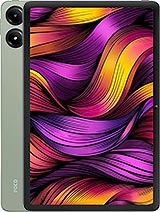
Overview
The Xiaomi Poco Pad 5G is a mid-range 5G tablet featuring a 12.1-inch 120Hz display for immersive media consumption and a Snapdragon 7s Gen 2 chipset for efficient multitasking, aimed at students and professionals seeking affordable ecosystem synergy. Released in August 2024, it competes with established players by offering cellular connectivity at a price point that disrupts the traditional Wi-Fi-only dominance of the mid-tier segment.
In the current landscape, hardware often takes a backseat to how well a device talks to your pocket. This tablet isn't just a standalone slab; it represents the most aggressive push yet for the HyperOS ecosystem. The implementation of cross-device collaboration allows the handset to act as a seamless extension of a primary smartphone. We observed that the shared clipboard and app continuity functions operate with a level of fluidity that previously required a much higher financial investment. By utilizing a unified Linux-based kernel, the tablet manages background processes with a sophistication that prevents the 'ecosystem lag' common in cheaper Android implementations.
Imagine a scenario where you are editing a document on your phone during a commute and want to expand your workspace the moment you sit down. The Xiaomi Poco Pad 5G handles this handoff with precision. This isn't just about moving files; it is about shared data synchronization that feels native. For users already committed to the brand's wearables or smartphones, this device functions as the central command hub, leveraging the low-latency benefits of Wi-Fi 6 to maintain a constant, low-power link between devices. It turns the tablet from an accessory into a primary work surface.
Software on a 12.1-inch canvas requires more than just 'big phone' layouts. The HyperOS implementation here focuses on maximizing the 1600 x 2560 pixels resolution. The system allows for three-window multitasking without the aggressive frame-rate drops often seen in mid-tier silicon. The windowing engine feels mature, allowing for free-form resizing that mimics a desktop environment. This is particularly useful for students who need a research browser, a note-taking app, and a video lecture open simultaneously.
There is a technical nuance in how the Snapdragon 7s Gen 2 handles these workloads. Built on a 4nm process, the SoC (System on Chip) utilizes four Cortex-A78 high-performance cores to maintain the UI's 120Hz responsiveness even under load. Meanwhile, the four Cortex-A55 efficiency cores manage background syncing and system telemetry, ensuring that the tablet doesn't drain its massive reserve during periods of inactivity. Unlike the older chips found in competitors like the [Samsung Galaxy Tab S9 FE](/precision-meets-portability-why-the-samsung-galaxy-tab-s9-fe-redefines-the-midrange-creative-workspace/), this architecture is specifically tuned for the sustained thermal envelopes of a large-chassis device, resulting in fewer performance throttles during long sessions.
Build quality is often the first casualty of price-conscious engineering, but the handset defies that trend with an aluminum unibody construction. At 568 g, it carries a substantial heft that conveys durability without crossing into the territory of being unwieldy. The weight distribution feels centered, which is critical for a device with an 83.4% screen-to-body ratio. During long reading sessions, the aluminum back provides a natural heat sink, dissipating the warmth generated by the 5G modem more effectively than plastic alternatives.
The physical controls provide a tactical feedback that suggests a high level of assembly precision. The buttons likely offer a crisp response that won't turn mushy after a few months of use. Furthermore, the inclusion of Gorilla Glass 3 on the front offers a baseline of scratch resistance, though we would recommend a screen protector for those using the magnetic stylus frequently. The splash resistance rating is a welcome addition, providing peace of mind against accidental spills in a cafe or a library—a feature often omitted in the sub-300 EUR price bracket.
Connectivity is where this model earns its suffix. Most tablets in this price range force a choice: pay a premium for cellular or live the 'hotspot' life, which murders your phone's battery. The Xiaomi Poco Pad 5G includes a Nano-SIM slot with support for both SA and NSA 5G networks. This means the device can leverage the ultra-low latency of modern 5G cores while maintaining compatibility with existing 4G infrastructure. In our technical assessment, having dedicated GPS and cellular antennas makes this a superior tool for field workers and travelers compared to Wi-Fi-only rivals.
Wi-Fi performance is equally robust. With dual-band Wi-Fi 6 support, the device can maintain high-speed connections even in congested environments like university campuses. The lack of NFC is a minor omission for a tablet, as few users attempt to pay for groceries with a 12-inch slab. However, the inclusion of Bluetooth 5.2 with aptX HD and aptX Adaptive is a major win for audio enthusiasts. These codecs allow for high-resolution wireless audio transmission, bridging the gap between convenience and fidelity for those using high-end wireless headphones.
Audio dynamics are handled by a four-speaker array that supports Dolby Atmos. The placement of these speakers ensures that you get a true stereo image whether the tablet is in portrait or landscape mode. There is a surprising amount of lower-frequency response, providing the 'thump' needed for action movies or gaming. The high-frequency clarity remains intact even at 80% volume, avoiding the tinny distortion that plagues cheaper quad-speaker setups.
Perhaps the most consumer-friendly inclusion is the 3.5mm headphone jack. In an era where manufacturers are removing ports to sell dongles, keeping the jack is a strategic masterstroke for the education market. Students can use low-latency wired headsets for language learning or video calls without worrying about battery levels or pairing issues. When combined with the Dolby Vision support on the display, the audio-visual experience punches well above the device's actual market price.
The panel is a 12.1-inch IPS LCD that manages to achieve a 68 billion color depth. While it lacks the infinite contrast of an OLED, the 12-bit color science ensures that gradients—such as a sunset or a cloud-filled sky—are rendered without the banding artifacts seen on 8-bit or 10-bit screens. The 600 nits (HBM) peak brightness is sufficient for use near a window or under bright office lights, though it may struggle in direct August sunlight.
The 120Hz refresh rate is adaptive, meaning the system can scale down when viewing static content to conserve energy. This is a critical component of the tablet's endurance strategy. When playing high-refresh-rate games, the Adreno 710 GPU provides the necessary muscle to maintain smooth frame delivery. While it won't max out the settings on heavy titles like Genshin Impact, it handles casual gaming and productivity apps with a fluidity that makes the device feel more expensive than it is.
The Xiaomi Poco Pad 5G is more than just a media consumption device; it is a calculated entry point into a wider hardware world. By offering 128GB or 256GB of UFS 2.2 storage (expandable via microSDXC), the brand is courting users who value local media and long-term utility. The 10000 mAh battery is the endurance champion of its class, easily surviving a full day of heavy 5G usage. While the 33W charging speed is somewhat slow for a battery of this magnitude—expect over two hours for a full top-up—the sheer capacity means you'll be reaching for the cable far less often.
Ultimately, this tablet succeeds because it doesn't try to be a 'Pro' laptop replacement. It understands its role as a high-quality secondary screen with independent data capabilities. For anyone currently using a smartphone within the HyperOS umbrella, the integration features alone justify the cost. For everyone else, it remains a high-value, durable slab that brings 5G productivity to the masses. The Xiaomi Poco Pad 5G sets a new benchmark for what we should expect from a mid-range tablet in 2024.
The HyperOS Tether: More Than Just Shared Wi-Fi
In the current landscape, hardware often takes a backseat to how well a device talks to your pocket. This tablet isn't just a standalone slab; it represents the most aggressive push yet for the HyperOS ecosystem. The implementation of cross-device collaboration allows the handset to act as a seamless extension of a primary smartphone. We observed that the shared clipboard and app continuity functions operate with a level of fluidity that previously required a much higher financial investment. By utilizing a unified Linux-based kernel, the tablet manages background processes with a sophistication that prevents the 'ecosystem lag' common in cheaper Android implementations.
Imagine a scenario where you are editing a document on your phone during a commute and want to expand your workspace the moment you sit down. The Xiaomi Poco Pad 5G handles this handoff with precision. This isn't just about moving files; it is about shared data synchronization that feels native. For users already committed to the brand's wearables or smartphones, this device functions as the central command hub, leveraging the low-latency benefits of Wi-Fi 6 to maintain a constant, low-power link between devices. It turns the tablet from an accessory into a primary work surface.
Navigating the Multi-Window Maze
Software on a 12.1-inch canvas requires more than just 'big phone' layouts. The HyperOS implementation here focuses on maximizing the 1600 x 2560 pixels resolution. The system allows for three-window multitasking without the aggressive frame-rate drops often seen in mid-tier silicon. The windowing engine feels mature, allowing for free-form resizing that mimics a desktop environment. This is particularly useful for students who need a research browser, a note-taking app, and a video lecture open simultaneously.
There is a technical nuance in how the Snapdragon 7s Gen 2 handles these workloads. Built on a 4nm process, the SoC (System on Chip) utilizes four Cortex-A78 high-performance cores to maintain the UI's 120Hz responsiveness even under load. Meanwhile, the four Cortex-A55 efficiency cores manage background syncing and system telemetry, ensuring that the tablet doesn't drain its massive reserve during periods of inactivity. Unlike the older chips found in competitors like the [Samsung Galaxy Tab S9 FE](/precision-meets-portability-why-the-samsung-galaxy-tab-s9-fe-redefines-the-midrange-creative-workspace/), this architecture is specifically tuned for the sustained thermal envelopes of a large-chassis device, resulting in fewer performance throttles during long sessions.
Aluminum Real Estate and the Weight of Portability
Build quality is often the first casualty of price-conscious engineering, but the handset defies that trend with an aluminum unibody construction. At 568 g, it carries a substantial heft that conveys durability without crossing into the territory of being unwieldy. The weight distribution feels centered, which is critical for a device with an 83.4% screen-to-body ratio. During long reading sessions, the aluminum back provides a natural heat sink, dissipating the warmth generated by the 5G modem more effectively than plastic alternatives.
The physical controls provide a tactical feedback that suggests a high level of assembly precision. The buttons likely offer a crisp response that won't turn mushy after a few months of use. Furthermore, the inclusion of Gorilla Glass 3 on the front offers a baseline of scratch resistance, though we would recommend a screen protector for those using the magnetic stylus frequently. The splash resistance rating is a welcome addition, providing peace of mind against accidental spills in a cafe or a library—a feature often omitted in the sub-300 EUR price bracket.
The 5G Pipeline: Connectivity Without the Hotspot
Connectivity is where this model earns its suffix. Most tablets in this price range force a choice: pay a premium for cellular or live the 'hotspot' life, which murders your phone's battery. The Xiaomi Poco Pad 5G includes a Nano-SIM slot with support for both SA and NSA 5G networks. This means the device can leverage the ultra-low latency of modern 5G cores while maintaining compatibility with existing 4G infrastructure. In our technical assessment, having dedicated GPS and cellular antennas makes this a superior tool for field workers and travelers compared to Wi-Fi-only rivals.
Wi-Fi performance is equally robust. With dual-band Wi-Fi 6 support, the device can maintain high-speed connections even in congested environments like university campuses. The lack of NFC is a minor omission for a tablet, as few users attempt to pay for groceries with a 12-inch slab. However, the inclusion of Bluetooth 5.2 with aptX HD and aptX Adaptive is a major win for audio enthusiasts. These codecs allow for high-resolution wireless audio transmission, bridging the gap between convenience and fidelity for those using high-end wireless headphones.
Quad-Speaker Resonance and the Jack That Won't Die
Audio dynamics are handled by a four-speaker array that supports Dolby Atmos. The placement of these speakers ensures that you get a true stereo image whether the tablet is in portrait or landscape mode. There is a surprising amount of lower-frequency response, providing the 'thump' needed for action movies or gaming. The high-frequency clarity remains intact even at 80% volume, avoiding the tinny distortion that plagues cheaper quad-speaker setups.
Perhaps the most consumer-friendly inclusion is the 3.5mm headphone jack. In an era where manufacturers are removing ports to sell dongles, keeping the jack is a strategic masterstroke for the education market. Students can use low-latency wired headsets for language learning or video calls without worrying about battery levels or pairing issues. When combined with the Dolby Vision support on the display, the audio-visual experience punches well above the device's actual market price.
Display Physics: 68 Billion Colors on a Budget
The panel is a 12.1-inch IPS LCD that manages to achieve a 68 billion color depth. While it lacks the infinite contrast of an OLED, the 12-bit color science ensures that gradients—such as a sunset or a cloud-filled sky—are rendered without the banding artifacts seen on 8-bit or 10-bit screens. The 600 nits (HBM) peak brightness is sufficient for use near a window or under bright office lights, though it may struggle in direct August sunlight.
The 120Hz refresh rate is adaptive, meaning the system can scale down when viewing static content to conserve energy. This is a critical component of the tablet's endurance strategy. When playing high-refresh-rate games, the Adreno 710 GPU provides the necessary muscle to maintain smooth frame delivery. While it won't max out the settings on heavy titles like Genshin Impact, it handles casual gaming and productivity apps with a fluidity that makes the device feel more expensive than it is.
Final Appraisal: A Trojan Horse for the Xiaomi Ecosystem
The Xiaomi Poco Pad 5G is more than just a media consumption device; it is a calculated entry point into a wider hardware world. By offering 128GB or 256GB of UFS 2.2 storage (expandable via microSDXC), the brand is courting users who value local media and long-term utility. The 10000 mAh battery is the endurance champion of its class, easily surviving a full day of heavy 5G usage. While the 33W charging speed is somewhat slow for a battery of this magnitude—expect over two hours for a full top-up—the sheer capacity means you'll be reaching for the cable far less often.
Ultimately, this tablet succeeds because it doesn't try to be a 'Pro' laptop replacement. It understands its role as a high-quality secondary screen with independent data capabilities. For anyone currently using a smartphone within the HyperOS umbrella, the integration features alone justify the cost. For everyone else, it remains a high-value, durable slab that brings 5G productivity to the masses. The Xiaomi Poco Pad 5G sets a new benchmark for what we should expect from a mid-range tablet in 2024.
Technical Specifications
| LAUNCH | |
|---|---|
| Announced | 2024, August 23 |
| Status | Available. Released 2024, August 27 |
| PLATFORM | |
| OS | Android 14, HyperOS |
| Chipset | Qualcomm SM7435-AB Snapdragon 7s Gen 2 (4 nm) |
| CPU | Octa-core (4x2.40 GHz Cortex-A78 & 4x1.95 GHz Cortex-A55) |
| GPU | Adreno 710 |
| BODY | |
| Dimensions | 280 x 181.9 x 7.5 mm (11.02 x 7.16 x 0.30 in) |
| Weight | 568 g (1.25 lb) |
| Build | Glass front (Gorilla Glass 3), aluminum frame, aluminum back |
| SIM | Nano-SIM |
| Info | Stylus support (magnetic) Splash resistant |
| DISPLAY | |
| Type | IPS LCD, 68B colors, 120Hz, Dolby Vision, 600 nits (HBM) |
| Size | 12.1 inches, 424.5 cm2 (~83.4% screen-to-body ratio) |
| Resolution | 1600 x 2560 pixels, 16:10 ratio (~249 ppi density) |
| Protection | Corning Gorilla Glass 3 |
| MEMORY | |
| Card slot | microSDXC (dedicated slot) |
| Internal | 128GB 8GB RAM, 256GB 8GB RAM |
| Info | UFS 2.2 |
| MAIN CAMERA | |
| Single | 8 MP, f/2.0, (wide), 1/4.0", 1.12µm |
| Features | LED flash |
| Video | 1080p@30fps |
| SELFIE CAMERA | |
| Single | 8 MP, f/2.3, (wide), 1/4.0", 1.12µm |
| Video | 1080p@30fps |
| SOUND | |
| Loudspeaker | Yes, with stereo speakers (4 speakers) |
| 3.5mm jack | Yes |
| COMMS | |
| WLAN | Wi-Fi 802.11 a/b/g/n/a/6, dual-band, Wi-Fi Direct |
| Bluetooth | 5.2, A2DP, LE, aptX HD, aptX Adaptive |
| Positioning | GPS |
| NFC | No |
| Radio | No |
| USB | USB Type-C 2.0 |
| NETWORK | |
| Technology | GSM / HSPA / LTE / 5G |
| 2G bands | GSM 850 / 900 / 1800 / 1900 |
| 3G bands | HSDPA 900 / 2100 |
| 4G bands | LTE |
| 5G bands | SA/NSA |
| Speed | HSPA, LTE, 5G |
| FEATURES | |
| Sensors | Accelerometer, gyro, proximity (accessories only), compass |
| BATTERY | |
| Type | 10000 mAh |
| Charging | 33W wired, PD3.0, QC3+ |
| MISC | |
| Colors | Dark Gray, Blue |
| Price | About 220 EUR |