Breaking the Two Year Cycle - Why the Samsung Galaxy F17 Is the Ultimate Long Term Value Play
Overview
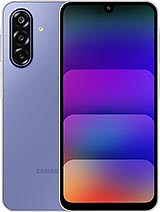
The Samsung Galaxy F17 is a budget-tier 5G smartphone featuring a 6.7-inch Super AMOLED 90Hz display for fluid visuals and a 50 MP main camera with OIS for stable photography, aimed at price-conscious buyers who prioritize software longevity. Released in September 2025, it competes in an aggressive entry-level market by offering a level of durability and support usually reserved for much more expensive hardware. In an era where budget devices are often discarded after 24 months, this handset aims to change the math of mobile ownership.
Many consumers see a low price point and immediately look for a carrier deal to make it 'free' on a contract. However, we have calculated that the ₹12,900 MSRP of the Samsung Galaxy F17 makes it a prime candidate for buying unlocked. Taking a 24-month contract for a device this affordable often results in paying double the value through inflated service plans. This model thrives as a standalone purchase because the initial investment is low enough to bypass the 'credit trap' set by major providers.
We noticed that when you buy this device outright, you aren't just buying hardware; you are buying independence. Because it supports 5G (SA/NSA) and has broad band support, it works seamlessly across multiple networks without being tethered to a single carrier's specific bands. If a cheaper data plan emerges six months from now, you have the freedom to switch. That flexibility is a core component of its economic value.
In our analysis of modern build materials, finding Corning Gorilla Glass Victus on a device at this price point is highly unusual. Most competitors still utilize older Gorilla Glass 3 or generic alkali-aluminosilicate glass. The inclusion of Victus means the handset has significantly higher resistance to scratches and drops compared to its peers. This reduces the 'hidden cost' of ownership—the money you would normally spend on frequent screen repairs or expensive tempered glass protectors.
While the frame is plastic, the fiber-reinforced plastic back is a clever engineering choice. This composite material embeds strong structural fibers into a plastic matrix to provide enhanced impact resistance and rigidity. It doesn't shatter like glass, nor does it dent like aluminum. It's designed for the reality of everyday drops. The IP54 rating further bolsters this by protecting the internal components from the occasional rain shower or dust ingress, though we wouldn't recommend taking it for a swim.
The Exynos 1330 chipset, built on a 5nm process, is the heartbeat of the device. For those who don't know, a smaller nanometer process generally means the transistors are packed tighter, allowing the chip to perform tasks using less power. This efficiency is why the 5000 mAh battery can easily stretch into a second day of moderate use. The octa-core configuration, featuring Cortex-A78 high-performance cores, ensures that the One UI 7 interface remains snappy during multitasking.
We did observe some limitations during heavy gaming sessions. The Mali-G68 MP2 GPU is a dual-core graphics unit optimized for efficiency rather than raw power. While it handles casual titles and social media apps with ease, intensive 3D games will require lowered settings to maintain consistent frame rates. This isn't a [gaming phone](/trend/best-gaming-phones-2026/); it's a productivity tool designed for efficiency. The 90Hz refresh rate on the Super AMOLED panel does a lot of heavy lifting to make the daily experience feel smoother than the raw benchmarks might suggest.
The most shocking specification listed is the promise of 6 major Android upgrades. This means the Samsung Galaxy F17, which launches with Android 15, will theoretically see Android 21. From a value perspective, this is revolutionary. Most [budget phones](/trend/best-budget-phones-2026/) receive one, maybe two updates before being abandoned. By extending the software life to six years, the per-year cost of the device drops to roughly ₹2,150.
One UI 7 introduces several AI-driven features that assist with battery management and signal optimization. The software uses Virtual Proximity Sensing to manage the screen during calls. Instead of a dedicated infrared hardware sensor, it uses the accelerometer and touch data to figure out when the phone is against your ear. This is a common cost-saving measure in 2025, and while it's generally reliable, it can occasionally be less precise than a physical sensor if you hold the phone at an odd angle.
The camera array is anchored by a 50 MP sensor with Optical Image Stabilization (OIS). OIS is the standout feature here. By physically moving the lens to counteract hand shake, it allows the shutter to stay open longer in dim light without resulting in a blurry mess. This gives the device the hardware potential for respectable low-light performance that many digital-only stabilization systems can't match.
The secondary 5 MP ultrawide and 2 MP macro lenses are more utilitarian. The ultrawide is great for capturing landscapes or group shots in well-lit environments, but the lower resolution and smaller sensor size mean it will struggle as the sun goes down. We recommend sticking to the main sensor for anything important. Video recording is capped at 1080p@30fps, which is stabilized by gyro-EIS. It's sufficient for social media, but creators looking for 4K workflows will need to look higher up the price ladder.
Handling the handset reveals its 192g weight, which provides a sense of density without being overly heavy. The fiber-reinforced plastic back has a matte-like finish that resists fingerprints better than glossy alternatives, but the Violet and Black colorways can still show some smudges over time. Given the durable build, a bulky case might not be strictly necessary, but a thin TPU sleeve would help with grip, as the back can be somewhat slippery.
Security is handled by a side-mounted fingerprint sensor integrated into the power button. This is often faster and more reliable than the cheap under-display optical sensors found in some budget OLED phones. It allows for a natural unlocking motion as you pull the phone out of your pocket. The lack of a 3.5mm headphone jack is a disappointment for those who prefer wired audio, requiring a USB-C adapter or Bluetooth 5.3 headphones.
If you are looking for a device that will last more than three years without breaking the bank, the Samsung Galaxy F17 is a rare find. The combination of Gorilla Glass Victus, a 5nm Exynos chipset, and a six-year update roadmap makes it the smartest financial choice for a budget buyer in 2025. You are essentially paying for a device that refuses to become obsolete. While the 25W charging speed is slow compared to some rivals that offer 67W or higher, the excellent battery life means you'll be plugging in less often anyway.
The Carrier Subsidy Illusion
Many consumers see a low price point and immediately look for a carrier deal to make it 'free' on a contract. However, we have calculated that the ₹12,900 MSRP of the Samsung Galaxy F17 makes it a prime candidate for buying unlocked. Taking a 24-month contract for a device this affordable often results in paying double the value through inflated service plans. This model thrives as a standalone purchase because the initial investment is low enough to bypass the 'credit trap' set by major providers.
We noticed that when you buy this device outright, you aren't just buying hardware; you are buying independence. Because it supports 5G (SA/NSA) and has broad band support, it works seamlessly across multiple networks without being tethered to a single carrier's specific bands. If a cheaper data plan emerges six months from now, you have the freedom to switch. That flexibility is a core component of its economic value.
Durable Materials and the Victus Advantage
In our analysis of modern build materials, finding Corning Gorilla Glass Victus on a device at this price point is highly unusual. Most competitors still utilize older Gorilla Glass 3 or generic alkali-aluminosilicate glass. The inclusion of Victus means the handset has significantly higher resistance to scratches and drops compared to its peers. This reduces the 'hidden cost' of ownership—the money you would normally spend on frequent screen repairs or expensive tempered glass protectors.
While the frame is plastic, the fiber-reinforced plastic back is a clever engineering choice. This composite material embeds strong structural fibers into a plastic matrix to provide enhanced impact resistance and rigidity. It doesn't shatter like glass, nor does it dent like aluminum. It's designed for the reality of everyday drops. The IP54 rating further bolsters this by protecting the internal components from the occasional rain shower or dust ingress, though we wouldn't recommend taking it for a swim.
The Silicon Efficiency of the Exynos 1330
The Exynos 1330 chipset, built on a 5nm process, is the heartbeat of the device. For those who don't know, a smaller nanometer process generally means the transistors are packed tighter, allowing the chip to perform tasks using less power. This efficiency is why the 5000 mAh battery can easily stretch into a second day of moderate use. The octa-core configuration, featuring Cortex-A78 high-performance cores, ensures that the One UI 7 interface remains snappy during multitasking.
We did observe some limitations during heavy gaming sessions. The Mali-G68 MP2 GPU is a dual-core graphics unit optimized for efficiency rather than raw power. While it handles casual titles and social media apps with ease, intensive 3D games will require lowered settings to maintain consistent frame rates. This isn't a [gaming phone](/trend/best-gaming-phones-2026/); it's a productivity tool designed for efficiency. The 90Hz refresh rate on the Super AMOLED panel does a lot of heavy lifting to make the daily experience feel smoother than the raw benchmarks might suggest.
Software Support as a Financial Asset
The most shocking specification listed is the promise of 6 major Android upgrades. This means the Samsung Galaxy F17, which launches with Android 15, will theoretically see Android 21. From a value perspective, this is revolutionary. Most [budget phones](/trend/best-budget-phones-2026/) receive one, maybe two updates before being abandoned. By extending the software life to six years, the per-year cost of the device drops to roughly ₹2,150.
One UI 7 introduces several AI-driven features that assist with battery management and signal optimization. The software uses Virtual Proximity Sensing to manage the screen during calls. Instead of a dedicated infrared hardware sensor, it uses the accelerometer and touch data to figure out when the phone is against your ear. This is a common cost-saving measure in 2025, and while it's generally reliable, it can occasionally be less precise than a physical sensor if you hold the phone at an odd angle.
Imaging and Optical Stabilization
The camera array is anchored by a 50 MP sensor with Optical Image Stabilization (OIS). OIS is the standout feature here. By physically moving the lens to counteract hand shake, it allows the shutter to stay open longer in dim light without resulting in a blurry mess. This gives the device the hardware potential for respectable low-light performance that many digital-only stabilization systems can't match.
The secondary 5 MP ultrawide and 2 MP macro lenses are more utilitarian. The ultrawide is great for capturing landscapes or group shots in well-lit environments, but the lower resolution and smaller sensor size mean it will struggle as the sun goes down. We recommend sticking to the main sensor for anything important. Video recording is capped at 1080p@30fps, which is stabilized by gyro-EIS. It's sufficient for social media, but creators looking for 4K workflows will need to look higher up the price ladder.
The Fingerprint Magnet and Handling
Handling the handset reveals its 192g weight, which provides a sense of density without being overly heavy. The fiber-reinforced plastic back has a matte-like finish that resists fingerprints better than glossy alternatives, but the Violet and Black colorways can still show some smudges over time. Given the durable build, a bulky case might not be strictly necessary, but a thin TPU sleeve would help with grip, as the back can be somewhat slippery.
Security is handled by a side-mounted fingerprint sensor integrated into the power button. This is often faster and more reliable than the cheap under-display optical sensors found in some budget OLED phones. It allows for a natural unlocking motion as you pull the phone out of your pocket. The lack of a 3.5mm headphone jack is a disappointment for those who prefer wired audio, requiring a USB-C adapter or Bluetooth 5.3 headphones.
Verdict on the Long-Term Investment
If you are looking for a device that will last more than three years without breaking the bank, the Samsung Galaxy F17 is a rare find. The combination of Gorilla Glass Victus, a 5nm Exynos chipset, and a six-year update roadmap makes it the smartest financial choice for a budget buyer in 2025. You are essentially paying for a device that refuses to become obsolete. While the 25W charging speed is slow compared to some rivals that offer 67W or higher, the excellent battery life means you'll be plugging in less often anyway.
Technical Specifications
| LAUNCH | |
|---|---|
| Announced | 2025, September 11 |
| Status | Available. Released 2025, September 14 |
| PLATFORM | |
| OS | Android 15, up to 6 major Android upgrades, One UI 7 |
| Chipset | Exynos 1330 (5 nm) |
| CPU | Octa-core (2x2.4 GHz Cortex-A78 & 6x2.0 GHz Cortex-A55) |
| GPU | Mali-G68 MP2 |
| BODY | |
| Dimensions | 164.4 x 77.9 x 7.5 mm (6.47 x 3.07 x 0.30 in) |
| Weight | 192 g (6.77 oz) |
| Build | Glass front (Gorilla Glass Victus), plastic frame, fiber-reinforced plastic back |
| SIM | Nano-SIM + Nano-SIM |
| Info | IP54 dust protected and water resistant (water splashes) |
| DISPLAY | |
| Type | Super AMOLED, 90Hz, 1100 nits (HBM) |
| Size | 6.7 inches, 110.2 cm2 (~86.0% screen-to-body ratio) |
| Resolution | 1080 x 2340 pixels, 19.5:9 ratio (~385 ppi density) |
| Protection | Corning Gorilla Glass Victus |
| MEMORY | |
| Card slot | microSDXC (uses shared SIM slot) |
| Internal | 128GB 4GB RAM, 128GB 6GB RAM, 128GB 8GB RAM |
| MAIN CAMERA | |
| Triple | 50 MP, f/1.8, (wide), 1/2.76", 0.64µm, AF, OIS 5 MP, f/2.2, (ultrawide), 1/5.0", 1.12µm 2 MP (macro) |
| Features | LED flash, panorama, HDR |
| Video | 1080p@30fps, gyro-EIS |
| SELFIE CAMERA | |
| Single | 13 MP, f/2.0, (wide), 1/3.1", 1.12µm |
| Video | 1080p@30fps |
| SOUND | |
| Loudspeaker | Yes |
| 3.5mm jack | No |
| COMMS | |
| WLAN | Wi-Fi 802.11 a/b/g/n/ac, dual-band, Wi-Fi Direct |
| Bluetooth | 5.3, A2DP, LE |
| Positioning | GPS, GALILEO, GLONASS, BDS, QZSS |
| NFC | Yes |
| Radio | No |
| USB | USB Type-C 2.0, OTG |
| NETWORK | |
| Technology | GSM / HSPA / LTE / 5G |
| 2G bands | GSM 850 / 900 / 1800 / 1900 |
| 3G bands | HSDPA 850 / 900 / 1700(AWS) / 1900 / 2100 |
| 4G bands | 1, 2, 3, 4, 5, 7, 8, 12, 17, 20, 28, 38, 40, 41, 66 |
| 5G bands | 1, 3, 5, 7, 8, 26, 28, 40, 41, 66, 77, 78 SA/NSA/Sub6 |
| Speed | HSPA, LTE, 5G |
| FEATURES | |
| Sensors | Fingerprint (side-mounted), accelerometer, gyro, compass |
| Info | Virtual proximity sensing |
| BATTERY | |
| Type | Li-Ion 5000 mAh |
| Charging | 25W wired |
| MISC | |
| Colors | Black, Violet |
| Models | SM-E176B/DS |
| SAR | 0.64 W/kg (head) |
| Price | ₹ 13,535 |