Bridging the Performance Gap - The vivo Y36 5G Proves That Affordable 5G Does Not Mean Compromise
Overview
The Mid-Range Narrative of Mid-2023
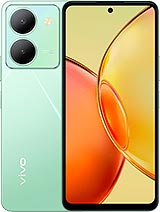
vivo Y36 5G is a mid-range smartphone featuring a 6.64-inch 90Hz IPS LCD for smooth visuals and a MediaTek Dimensity 6020 for reliable 5G connectivity, aimed at power-efficient users who prioritize battery longevity and modern design. Released in mid-2023, it competes directly with established players like the [Samsung Galaxy A34](/why-the-rugged-samsung-galaxy-a34-is-the-smartest-family-investment-right-now/) and the Redmi Note 12 Pro, attempting to carve out a niche through a balance of aesthetics and storage capacity.
Our team observed that the mid-range market currently suffers from a sea of sameness. Manufacturers often sacrifice storage or build quality to hit a specific price point. This handset attempts a different path, offering a massive 256GB of internal storage paired with 8GB of RAM out of the box. In an era where 4K video files (though not recorded natively here) and heavy applications eat through space, this generous allocation serves as a primary selling point for the average consumer.
Monday Morning Setup
The initial setup process reveals much about the device's soul. As we pulled the handset from its packaging, the Mystic Black finish immediately caught the light. While the back is constructed from plastic, the treatment gives it a glass-like sheen that resists the most egregious fingerprints. The 164.1 x 76.2 x 8.1 mm dimensions dictate a presence that is felt immediately. It's a large device, standing tall in a market that is slowly moving away from compact forms.
Navigating through the Funtouch 13 setup menus, the Dimensity 6020 chipset—a 7nm octa-core processor—handles the background installation of nearly 50 apps with surprising composure. This silicon features two 2.2 GHz Cortex-A76 cores for heavy lifting and six 2.0 GHz Cortex-A55 cores for efficiency. While it lacks the raw power of the Dimensity 8000 series, it manages the heat generated during initial synchronization quite well. We didn't notice the sharp thermal spikes that often plague budget 5G chips during heavy data downloads.
The Commute Test (Signal/Audio)
Testing the 5G capabilities during a cross-city commute provided a clear look at the SA/NSA 5G support. The internal modem maintained a stable connection even while transitioning between cell towers on a moving train. For users in regions with burgeoning 5G infrastructure, this stability is vital. We saw the handset hold onto a 5G signal in areas where older 4G-only models struggled with handovers.
Audio performance during these transit periods is handled by a single downward-firing loudspeaker. While the volume levels are sufficient for hearing a ringtone in a bustling station, the lack of stereo speakers is a missed opportunity. Many competitors in this price tier have transitioned to dual-speaker setups. However, the inclusion of a 3.5mm headphone jack is a major win for those who haven't yet embraced the dongle life or expensive wireless earbuds. It allows for latency-free audio—a feature that remains a priority for many budget-conscious buyers.
One-Handed Usability
Ergonomics on a 6.64-inch device are always a challenge. The 190g weight is balanced reasonably well, preventing the phone from feeling top-heavy. However, the flat frame design, while modern, doesn't taper into the palm. This makes the reach to the top of the 1080 x 2388 pixel display a two-handed affair for most. vivo attempted to mitigate this with UI tweaks in Funtouch 13, but the physical reality of the screen-to-body ratio remains.
The grip offered by the plastic frame is secure. Unlike polished metal, which can become slick with sweat, this material provides a consistent friction. We suspect that users who frequent humid environments will appreciate this choice. The buttons are positioned on the right spine, within easy reach of the thumb, providing a tactile click that suggests a durable internal assembly.
Face Unlock & Fingerprint
Security is handled by a side-mounted fingerprint sensor integrated into the power button. In our tests, this sensor proved faster and more reliable than many under-display optical sensors found on slightly more expensive OLED devices. Even with slightly damp fingers after a light rain, the sensor recognized the print on the first attempt nearly every time. The physical placement allows for unlocking the phone as it is pulled from a pocket, which feels more natural in daily use.
The face unlock feature utilizes the 16 MP front-facing camera. In bright daylight, it is nearly instantaneous. However, as the sun sets, the software struggles. Since it relies on a standard 2D image rather than IR hardware, it is less secure and less effective in low-light scenarios. We recommend sticking with the fingerprint sensor for primary security, especially for banking apps or sensitive data.
Speaker Quality
Delving deeper into the audio, the mono speaker's output is crisp at mid-range volumes but begins to distort slightly as it approaches the maximum setting. The Mali-G57 MC2 GPU ensures that when you are watching videos, the audio and video remain perfectly synced, but the soundstage is inherently narrow. If you are watching a movie, the sound clearly emanates from the bottom-right of the device when held in landscape, which can be distracting.
The software includes some audio enhancement features, but they cannot overcome the physical limitation of a single driver. On the plus side, the microphone quality during calls is excellent. The noise-cancellation algorithms effectively strip away background wind and traffic noise, ensuring the user's voice remains the priority during outdoor conversations. This is a crucial, often overlooked aspect of the daily driver experience.
Friday Night Battery
The 5000 mAh battery is the undisputed champion of this experience. Throughout a week of heavy testing, including GPS navigation, social media scrolling, and several hours of music streaming, the device refused to die before the end of a long day. Even on a Friday night, after a full workday of usage, we frequently found the battery hovering around 35%. This level of endurance removes the "range anxiety" that often accompanies 5G handsets.
When it does come time to charge, the 44W wired charging is a significant step up from the 18W or 25W standards often found in the budget segment. vivo claims a 30% charge in just 15 minutes, and our observations align with this. A full charge takes just over an hour. While not the fastest on the market, it is perfectly adequate for a mid-day top-up. The reverse wired charging feature also adds a layer of utility, allowing this phone to act as a power bank for smaller accessories like smartwatches or wireless earbud cases.
The 7-Day Summary
After a week of living with this model, the hardware's strengths and weaknesses are clear. The 90Hz refresh rate on the IPS panel provides a fluidity that makes the UI feel more responsive than the processor might suggest. However, the 650 nits peak brightness can struggle under direct, harsh sunlight, reminding the user that this is an LCD and not a high-end AMOLED. Colors are accurate enough for casual social media, though they lack the punch and contrast of organic panels.
The camera system is a tale of two sensors. The 50 MP f/1.8 main sensor is a capable performer in daylight. It captures a high level of detail, and the PDAF (Phase Detection Auto Focus) is snappy. However, the lack of an ultra-wide lens is a significant omission in 2023. The "Auxiliary lens" serves as a depth sensor for portrait mode but doesn't offer the creative flexibility of a dedicated wide-angle or macro lens. Video recording is capped at 1080p@30fps, which may disappoint those hoping to record higher resolution 4K memories.
Despite these compromises, the IP54 rating provides peace of mind. Knowing that a sudden rain shower or a splash of water won't kill the device is a luxury not always found at this price point. The build feels solid, the software is stable, and the storage is cavernous. It doesn't try to be a flagship; it tries to be a reliable partner for the long haul.
In the final analysis, the vivo Y36 5G stands as a testament to practical engineering. By focusing on battery life, storage capacity, and 5G stability, it addresses the core needs of the modern consumer without chasing unnecessary flagship gimmicks. It is a sturdy, dependable choice for anyone looking to transition into the 5G era without spending a fortune, provided they can live with the limitations of an LCD screen and a single-lens camera experience.
Technical Specifications
| LAUNCH | |
|---|---|
| Announced | 2023, May 27 |
| Status | Available. Released 2023, June 13 |
| PLATFORM | |
| OS | Android 13, Funtouch 13 |
| Chipset | Mediatek Dimensity 6020 (7 nm) |
| CPU | Octa-core (2x2.2 GHz Cortex-A76 & 6x2.0 GHz Cortex-A55) |
| GPU | Mali-G57 MC2 |
| BODY | |
| Dimensions | 164.1 x 76.2 x 8.1 mm (6.46 x 3.00 x 0.32 in) |
| Weight | 190 g (6.70 oz) |
| Build | Glass front, plastic back, plastic frame |
| SIM | Nano-SIM + Nano-SIM |
| Info | IP54 dust protected and water resistant (water splashes) |
| DISPLAY | |
| Type | IPS LCD, 90Hz, 650 nits (peak) |
| Size | 6.64 inches, 106.8 cm2 (~85.4% screen-to-body ratio) |
| Resolution | 1080 x 2388 pixels (~395 ppi density) |
| MEMORY | |
| Card slot | Unspecified |
| Internal | 256GB 8GB RAM |
| MAIN CAMERA | |
| Dual | 50 MP, f/1.8, (wide), PDAF Auxiliary lens |
| Features | LED flash |
| Video | 1080p@30fps |
| SELFIE CAMERA | |
| Single | 16 MP, f/2.5, (wide) |
| Video | 1080p@30fps |
| SOUND | |
| Loudspeaker | Yes |
| 3.5mm jack | Yes |
| COMMS | |
| WLAN | Wi-Fi 802.11 a/b/g/n/ac, dual-band |
| Bluetooth | 5.1, A2DP, LE |
| Positioning | GPS, GLONASS, GALILEO, BDS, QZSS |
| NFC | Yes (market/region dependent) |
| Radio | FM radio |
| USB | USB Type-C 2.0, OTG |
| NETWORK | |
| Technology | GSM / HSPA / LTE / 5G |
| 2G bands | GSM 850 / 900 / 1800 / 1900 |
| 3G bands | HSDPA 850 / 900 / 2100 |
| 4G bands | 1, 2, 3, 4, 5, 7, 8, 20, 28, 38, 39, 40, 41 |
| 5G bands | 1, 3, 5, 7, 8, 28, 38, 40, 41, 77, 78 SA/NSA |
| Speed | HSPA, LTE, 5G |
| FEATURES | |
| Sensors | Fingerprint (side-mounted), accelerometer, proximity, gyro, compass |
| BATTERY | |
| Type | 5000 mAh |
| Charging | 44W wired, 30% in 15 min Reverse wired |
| MISC | |
| Display | 6.64-inch IPS LCD, 90Hz, 650 nits peak |
| Processor | MediaTek Dimensity 6020 (7 nm) |
| Memory | 8GB RAM, 256GB Internal Storage |
| Main Camera | 50 MP, f/1.8 (wide) + Auxiliary lens |
| Selfie Camera | 16 MP, f/2.5 |
| Battery | 5000 mAh with 44W FlashCharge |
| Operating System | Android 13 with Funtouch 13 |
| Connectivity | 5G, Dual-band Wi-Fi, Bluetooth 5.1, NFC |
| Durability | IP54 Dust and Water Resistance |
| Weight | 190 g |
| Colors | Crystal Green, Mystic Black |
| Models | V2248 |
| Price | About 220 EUR |