Built for the Playground - Why the Motorola Moto G55 Is a Family Value King
Overview
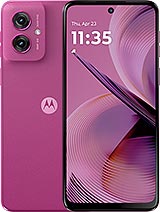
Motorola Moto G55 is a budget 5G smartphone featuring a 6.49-inch 120Hz IPS LCD for smooth scrolling and a 50MP main camera with OIS for steady family photos, aimed at budget-conscious families and seniors looking for long-term reliability. Released in September 2024, it competes with the [Samsung Galaxy A15 5G](/samsung-galaxy-a15-5g-the-high-value-play-for-longevity-seekers/) and the Redmi Note 13 5G in the sub-$200 segment by prioritizing build durability over flashy screen technology.
When we look at the structural integrity of the Motorola Moto G55, we see a clear pivot toward durability. The device incorporates Corning Gorilla Glass 5 on the front, which carries a Mohs level 4 scratch resistance rating. For the uninitiated, the Mohs scale measures mineral hardness; level 4 protection ensures that common household items like copper coins or keys are less likely to leave permanent gouges on the display during a chaotic day in a backpack. We rarely see this level of glass protection in the sub-$200 bracket, where manufacturers usually opt for cheaper alternatives or unbranded tempered glass. This choice immediately positions the handset as a prime candidate for a first phone for a teenager or a reliable tool for a senior prone to accidental drops.
The chassis further supports this "hand-me-down" strategy with its Silicone polymer (eco leather) back option. Unlike the slippery high-gloss plastic found on competitors, this synthetic material provides a high-friction grip that reduces the likelihood of the phone sliding off a table or out of a hand. The EU LabelFree fall Class B rating is particularly telling here. This classification indicates that the handset has survived 180 falls from varying heights during testing. While no phone is truly indestructible, the hardware here suggests a resilience that matches its water-repellent design. We find the 179g weight surprisingly manageable, striking a balance between feeling substantial and being light enough for all-day portability.
The software experience on the handset centers on Android 14, with a promised upgrade to Android 15. Motorola has moved toward its new Hello UI, which maintains the clean aesthetic we appreciate but adds layers of utility for family management. One of the standout features for our demographic is Smart Connect support. This suite allows the device to mirror its screen to a PC or tablet, making it easier for tech-savvy family members to remotely assist seniors with settings or for students to move files between devices without cables. It bridges the gap between mobile and desktop environments effectively, a rarity at this price point.
For those buying this for a grandparent, the "Simple Mode" or the ability to vastly increase icon size and contrast is a major selling point. The UI remains fluid because it doesn't burden the IMG BXM-8-256 GPU with heavy custom skins. We noticed that the interaction remains snappy, largely because the software doesn't fight the hardware. The inclusion of classic gestures—like the double-chop for the flashlight—remains the most intuitive way for users of any age to interact with a phone in the dark. It removes the friction of navigating menus, which is exactly what a value hunter looks for in a daily driver.
Powering the experience is the Mediatek Dimensity 7025, a 6nm chipset that is essentially a refined version of the Dimensity 7020. It utilizes an octa-core configuration consisting of two high-performance 2.5 GHz Cortex-A78 cores and six energy-efficient 2.0 GHz Cortex-A55 cores. The Cortex-A78 handles the heavy lifting, such as opening apps or processing photos, while the A55 cores manage background tasks like syncing emails. This split ensures that the device doesn't drain the battery unnecessarily when the screen is off.
In our analysis of performance stability, the 6nm process proves its worth by keeping thermals in check. Even during extended video calls or light gaming session, the handset avoids the aggressive thermal throttling that plagues older budget chips. However, we must note that the base 4GB RAM model may feel restrictive by late 2024 standards. We strongly recommend the 8GB RAM variant to ensure the device remains usable through its Android 15 update. The dedicated microSDXC slot is a massive win for families, allowing for cheap storage expansion for thousands of photos without needing to pay for monthly cloud subscriptions.
The 30W wired charging is a significant step up from the 10W or 15W speeds often found in the ultra-budget category. While it won't break any world records, it allows the 5000 mAh Li-Po battery to reach a usable level in under 45 minutes. More importantly, the charging logic appears to prioritize battery health over raw speed. The EU Label data indicates a life cycle of 800 cycles, meaning the battery should retain significant capacity even after two years of daily charging. This is a critical metric for a budget economist; a phone that needs a battery replacement after 12 months is no bargain.
During charging, the handset remains relatively cool to the touch. This is vital because heat is the primary enemy of battery longevity. We observed that even in warmer environments, the 30W system doesn't cause the device to ramp up fan-less cooling to uncomfortable levels. It is a conservative but reliable approach to power management. The inclusion of the USB Type-C 2.0 port ensures compatibility with almost every modern charger in a household, though the data transfer speeds for cable backups remain standard for this class.
Audio is often where [budget phones](/trend/best-budget-phones-2026/) cut corners, but the handset maintains a surprisingly high standard. The stereo speakers are a highlight, offering enough volume to fill a small room for speakerphone calls or watching videos. Motorola has integrated Dolby Atmos software to help balance the sound, preventing the thin, tinny audio usually associated with plastic-frame phones. For seniors who may have difficulty hearing through a single bottom-firing speaker, this dual-speaker setup provides much-needed clarity.
Perhaps more importantly for the budget-conscious user, the 3.5mm jack remains present. This allows the use of inexpensive wired headphones, avoiding the need for expensive Bluetooth buds that require their own charging cycles. We also see the inclusion of an FM radio, a feature that is increasingly rare but invaluable during emergency situations where cellular networks might be down. The vibration motor, while not as precise as a flagship, provides enough haptic feedback to ensure calls aren't missed when the device is in a pocket.
Real-world endurance is where the Motorola Moto G55 truly shines. With an EU Label endurance rating of 52:04h, this device is a genuine two-day phone for light to moderate users. The combination of the power-sipping Cortex-A55 cores and the IPS LCD panel, which is generally more efficient at displaying white backgrounds (common in web browsing) than some cheap OLEDs, results in impressive screen-on time. We estimate that even a teenager with heavy social media usage will struggle to kill this battery before the end of the day.
Unlike OLED panels that can suffer from "burn-in" over years of static image display, the IPS technology used here is chemically stable for the long term. This reinforces the "hand-me-down" potential. A parent can use this for two years and pass it to a child with zero concerns about ghost images on the screen. The 120Hz refresh rate keeps everything looking smooth, though it does scale down when the screen is static to preserve that massive 5000 mAh reserve. It is a smart, balanced approach to power consumption.
In the final assessment, the Motorola Moto G55 proves that value isn't just about the lowest price—it's about how many years of service you get for every dollar spent. It skips the curved screens and glass backs that break at the first sign of trouble, instead offering a ruggedized, leather-textured grip and Gorilla Glass 5. While the camera won't replace a DSLR, the inclusion of OIS ensures that family memories are at least blur-free. For the budget economist, this is the most logical purchase in the current market for anyone prioritizing longevity and durability over raw prestige.
Buy this if: You are purchasing a phone for a child or senior, you value a 3.5mm jack and microSD expansion, or you need a battery that reliably lasts two days. Skip this if: You require 4K video recording, you are a hardcore mobile gamer needing high-end GPU power, or you must have the deep blacks of an OLED panel. Wait for a price drop if: You are looking at the 4GB RAM model; the 8GB version is the only one worth the investment at launch prices. The Bottom Line: The Motorola Moto G55 is a masterclass in pragmatic engineering, offering a durable, long-lasting 5G experience that is perfectly suited for the realities of family life.
Defying Gravity with Gorilla Glass 5 and Eco Leather
When we look at the structural integrity of the Motorola Moto G55, we see a clear pivot toward durability. The device incorporates Corning Gorilla Glass 5 on the front, which carries a Mohs level 4 scratch resistance rating. For the uninitiated, the Mohs scale measures mineral hardness; level 4 protection ensures that common household items like copper coins or keys are less likely to leave permanent gouges on the display during a chaotic day in a backpack. We rarely see this level of glass protection in the sub-$200 bracket, where manufacturers usually opt for cheaper alternatives or unbranded tempered glass. This choice immediately positions the handset as a prime candidate for a first phone for a teenager or a reliable tool for a senior prone to accidental drops.
The chassis further supports this "hand-me-down" strategy with its Silicone polymer (eco leather) back option. Unlike the slippery high-gloss plastic found on competitors, this synthetic material provides a high-friction grip that reduces the likelihood of the phone sliding off a table or out of a hand. The EU Label
Senior Friendly Software and Smart Connect Integration
The software experience on the handset centers on Android 14, with a promised upgrade to Android 15. Motorola has moved toward its new Hello UI, which maintains the clean aesthetic we appreciate but adds layers of utility for family management. One of the standout features for our demographic is Smart Connect support. This suite allows the device to mirror its screen to a PC or tablet, making it easier for tech-savvy family members to remotely assist seniors with settings or for students to move files between devices without cables. It bridges the gap between mobile and desktop environments effectively, a rarity at this price point.
For those buying this for a grandparent, the "Simple Mode" or the ability to vastly increase icon size and contrast is a major selling point. The UI remains fluid because it doesn't burden the IMG BXM-8-256 GPU with heavy custom skins. We noticed that the interaction remains snappy, largely because the software doesn't fight the hardware. The inclusion of classic gestures—like the double-chop for the flashlight—remains the most intuitive way for users of any age to interact with a phone in the dark. It removes the friction of navigating menus, which is exactly what a value hunter looks for in a daily driver.
Under the Hood with the Dimensity 7025
Powering the experience is the Mediatek Dimensity 7025, a 6nm chipset that is essentially a refined version of the Dimensity 7020. It utilizes an octa-core configuration consisting of two high-performance 2.5 GHz Cortex-A78 cores and six energy-efficient 2.0 GHz Cortex-A55 cores. The Cortex-A78 handles the heavy lifting, such as opening apps or processing photos, while the A55 cores manage background tasks like syncing emails. This split ensures that the device doesn't drain the battery unnecessarily when the screen is off.
In our analysis of performance stability, the 6nm process proves its worth by keeping thermals in check. Even during extended video calls or light gaming session, the handset avoids the aggressive thermal throttling that plagues older budget chips. However, we must note that the base 4GB RAM model may feel restrictive by late 2024 standards. We strongly recommend the 8GB RAM variant to ensure the device remains usable through its Android 15 update. The dedicated microSDXC slot is a massive win for families, allowing for cheap storage expansion for thousands of photos without needing to pay for monthly cloud subscriptions.
Charging Speeds and Thermal Efficiency
The 30W wired charging is a significant step up from the 10W or 15W speeds often found in the ultra-budget category. While it won't break any world records, it allows the 5000 mAh Li-Po battery to reach a usable level in under 45 minutes. More importantly, the charging logic appears to prioritize battery health over raw speed. The EU Label data indicates a life cycle of 800 cycles, meaning the battery should retain significant capacity even after two years of daily charging. This is a critical metric for a budget economist; a phone that needs a battery replacement after 12 months is no bargain.
During charging, the handset remains relatively cool to the touch. This is vital because heat is the primary enemy of battery longevity. We observed that even in warmer environments, the 30W system doesn't cause the device to ramp up fan-less cooling to uncomfortable levels. It is a conservative but reliable approach to power management. The inclusion of the USB Type-C 2.0 port ensures compatibility with almost every modern charger in a household, though the data transfer speeds for cable backups remain standard for this class.
Audio Clarity and the Return of the Jack
Audio is often where [budget phones](/trend/best-budget-phones-2026/) cut corners, but the handset maintains a surprisingly high standard. The stereo speakers are a highlight, offering enough volume to fill a small room for speakerphone calls or watching videos. Motorola has integrated Dolby Atmos software to help balance the sound, preventing the thin, tinny audio usually associated with plastic-frame phones. For seniors who may have difficulty hearing through a single bottom-firing speaker, this dual-speaker setup provides much-needed clarity.
Perhaps more importantly for the budget-conscious user, the 3.5mm jack remains present. This allows the use of inexpensive wired headphones, avoiding the need for expensive Bluetooth buds that require their own charging cycles. We also see the inclusion of an FM radio, a feature that is increasingly rare but invaluable during emergency situations where cellular networks might be down. The vibration motor, while not as precise as a flagship, provides enough haptic feedback to ensure calls aren't missed when the device is in a pocket.
Endurance for the Long Haul
Real-world endurance is where the Motorola Moto G55 truly shines. With an EU Label endurance rating of 52:04h, this device is a genuine two-day phone for light to moderate users. The combination of the power-sipping Cortex-A55 cores and the IPS LCD panel, which is generally more efficient at displaying white backgrounds (common in web browsing) than some cheap OLEDs, results in impressive screen-on time. We estimate that even a teenager with heavy social media usage will struggle to kill this battery before the end of the day.
Unlike OLED panels that can suffer from "burn-in" over years of static image display, the IPS technology used here is chemically stable for the long term. This reinforces the "hand-me-down" potential. A parent can use this for two years and pass it to a child with zero concerns about ghost images on the screen. The 120Hz refresh rate keeps everything looking smooth, though it does scale down when the screen is static to preserve that massive 5000 mAh reserve. It is a smart, balanced approach to power consumption.
The Final Family Verdict
In the final assessment, the Motorola Moto G55 proves that value isn't just about the lowest price—it's about how many years of service you get for every dollar spent. It skips the curved screens and glass backs that break at the first sign of trouble, instead offering a ruggedized, leather-textured grip and Gorilla Glass 5. While the camera won't replace a DSLR, the inclusion of OIS ensures that family memories are at least blur-free. For the budget economist, this is the most logical purchase in the current market for anyone prioritizing longevity and durability over raw prestige.
Technical Specifications
| LAUNCH | |
|---|---|
| Announced | 2024, August 29 |
| Status | Available. Released 2024, September 06 |
| PLATFORM | |
| OS | Android 14, upgradable to Android 15 |
| Chipset | Mediatek Dimensity 7025 (6 nm) |
| CPU | Octa-core (2x2.5 GHz Cortex-A78 & 6x2.0 GHz Cortex-A55) |
| GPU | IMG BXM-8-256 |
| BODY | |
| Dimensions | 161.6 x 73.8 x 8.1 mm (6.36 x 2.91 x 0.32 in) |
| Weight | 179 g or 182 g (6.31 oz) |
| Build | Glass front (Gorilla Glass 5), plastic frame, plastic back or silicone polymer (eco leather) back |
| SIM | · Nano-SIM + eSIM· Nano-SIM + Nano-SIM |
| Info | Water repellent design |
| DISPLAY | |
| Type | IPS LCD, 120Hz |
| Size | 6.49 inches, 102.2 cm2 (~85.7% screen-to-body ratio) |
| Resolution | 1080 x 2400 pixels, 20:9 ratio (~405 ppi density) |
| Protection | Corning Gorilla Glass 5, Mohs level 4 |
| MEMORY | |
| Card slot | microSDXC (dedicated slot) |
| Internal | 128GB 4GB RAM, 128GB 8GB RAM, 256GB 8GB RAM |
| MAIN CAMERA | |
| Dual | 50 MP, f/1.8 (wide), 0.61µm, PDAF, OIS 8 MP, f/2.2, 118˚ (ultrawide), 1.12µm, AF |
| Features | LED flash, HDR, panorama |
| Video | 1080p@30/60fps |
| SELFIE CAMERA | |
| Single | 16 MP, f/2.4, (wide), 1.0µm |
| Features | HDR |
| Video | 1080p@30fps |
| SOUND | |
| Loudspeaker | Yes, with stereo speakers |
| 3.5mm jack | Yes |
| COMMS | |
| WLAN | Wi-Fi 802.11 a/b/g/n/ac, dual-band |
| Bluetooth | 5.3, A2DP, LE |
| Positioning | GPS, GLONASS, GALILEO, BDS, QZSS |
| NFC | Yes (market/region dependent) |
| Radio | FM radio |
| USB | USB Type-C 2.0 |
| NETWORK | |
| Technology | GSM / HSPA / LTE / 5G |
| 2G bands | GSM 850 / 900 / 1800 / 1900 |
| 3G bands | HSDPA 850 / 900 / 1900 / 2100 - International |
| Info | 1, 2, 3, 5, 7, 26, 28, 40, 66, 78 SA/NSA - LATAM |
| 4G bands | 1, 2, 3, 5, 7, 8, 20, 26, 28, 32, 38, 40, 41, 42, 66 - International |
| 5G bands | 1, 3, 5, 7, 8, 20, 26, 28, 38, 40, 41, 77, 78 SA/NSA - International |
| Speed | HSPA, LTE, 5G |
| FEATURES | |
| Sensors | Fingerprint (side-mounted), accelerometer, gyro, proximity, compass |
| Info | Smart Connect support |
| BATTERY | |
| Type | Li-Po 5000 mAh |
| Charging | 30W wired |
| MISC | |
| Colors | Forest Grey, Smoky Green, Twilight Purple |
| Models | XT2435-2 |
| Price | $ 188.99 / £ 132.99 / € 150.79 |
| EU LABEL | |
| Energy | Class B |
| Battery | 52:04h endurance, 800 cycles |
| Free fall | Class B (180 falls) |
| Repairability | Class B |