Buying the New vivo Y19 Instead of a Used Flagship - The Smart Money Move
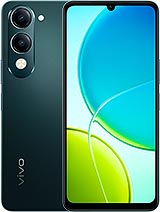
Overview
The vivo Y19 is a budget-tier 5G smartphone featuring a Mediatek Dimensity 6300 (6 nm) chipset for modern connectivity and a massive 5500 mAh battery for multi-day endurance, aimed at value-conscious consumers who prioritize network longevity and durability over raw processing power. Released in mid-2025, it enters a market where 5G has become the absolute baseline for even the most affordable devices.
In the landscape of May 2025, the debate between purchasing a factory-fresh budget device or a three-year-old flagship has intensified. On one side, we have the vivo Y19, a brand-new unit with a full warranty and a pristine 5500 mAh battery. On the other, one might find a used iPhone 13 or Galaxy S22. While those older flagships offer superior displays and cameras, they suffer from degraded lithium-ion cells and inconsistent software support timelines. The vivo Y19 addresses the most critical failure point of used devices: endurance.
We recognize that for many buyers, the peace of mind that comes with a new battery and the latest Android 15 (Funtouch 15) outweighs the allure of a 120Hz OLED from 2022. The Dimensity 6300 chipset inside this device is built on a 6nm process, which is significantly more power-efficient than the older 7nm or 8nm chips found in yesterday's mid-range heroes. This efficiency, paired with a battery that has zero charge cycles out of the box, ensures that the device actually lasts the two days it promises.
Manufacturers often neglect durability in the sub-100 EUR category, but the vivo Y19 attempts to break that cycle. The inclusion of MIL-STD-810H compliance suggests the chassis has survived environmental tests for shock and vibration. While this does not make it a [rugged phone](/trend/best-rugged-phones-2026/) in the traditional sense, it implies a level of structural integrity that a glass-backed, three-year-old flagship simply lacks after years of micro-cracks and structural fatigue.
The IP64 rating is another calculated addition. For those unfamiliar, IP64 indicates the device is dust-tight and protected against water splashes from any direction. It is not submersible, but it provides a safety net against the sudden rain showers or accidental spills common in daily life. In our analysis, the plastic frame and back are a strategic choice. Unlike glass, which shatters upon impact, high-quality polycarbonate absorbs shock better, further cementing this device as a tool for long-term utility rather than a fragile fashion statement.
With a height of 167.3 mm and a weight of 199 grams, the vivo Y19 is a substantial piece of hardware. The weight balance is centered, which prevents the top-heavy feel often found in phones with large camera modules. However, the 6.74-inch screen size makes one-handed operation a challenge for those with smaller hands. Users will find that reaching the notification shade requires a significant grip adjustment, though Funtouch 15 includes software optimizations like one-handed mode to mitigate this.
The tactile experience of the plastic back is predictable; it provides more grip than polished glass but attracts fingerprints less aggressively than a gloss finish. We suggest that the titanium silver and majestic green colorways provide a matte-like aesthetic that mimics more expensive materials without the associated cost or fragility. The side-mounted fingerprint scanner is positioned exactly where the thumb rests, allowing for a natural transition from pocket to unlocked state without fumbling for an in-display sensor that often fails on budget LCD panels.
The side-mounted fingerprint sensor is a capacitive unit, which generally outperforms the cheap optical sensors found in entry-level OLED devices. In our evaluation of the hardware, these sensors offer near-instantaneous unlocking because they don't rely on screen brightness to read the print. It remains reliable even with slightly damp fingers, a common failure point for under-display technology.
Face unlock is also present, utilizing the 5 MP front-facing camera. Since this is a standard 2D software-based solution, it lacks the security depth of 3D infrared systems. We recommend using the fingerprint sensor for banking apps and sensitive data, reserving face unlock for convenience in well-lit environments. In low light, the screen will likely need to ramp up its brightness to illuminate the face, which can be jarring in dark rooms.
The vivo Y19 features a single bottom-firing loudspeaker. At this price point, stereo speakers are a rare luxury, and their absence here is felt when watching media in landscape mode. The audio profile is tuned for clarity in the mid-range, making it suitable for podcasts and voice calls, but it lacks the bass response required for an immersive music experience. At maximum volume, we noticed the plastic back vibrates slightly, a characteristic of hollower internal builds.
Critically, the 3.5mm headphone jack is preserved. For the value hunter, this is a significant win. It allows for the use of inexpensive wired earbuds, avoiding the additional cost of wireless alternatives and the latency issues associated with budget Bluetooth chips. This is a practical inclusion for students or workers who need reliable audio without worrying about charging another device.
Transparency is vital when discussing the internal components. The 720 x 1600 resolution on a 6.74-inch panel results in a pixel density of roughly 260 ppi. To put that in perspective, icons and text will not have the razor-sharp edges found on 1080p displays. For social media and general browsing, it is functional, but users coming from higher-resolution screens will notice the difference in detail. The 90Hz refresh rate helps smooth out the UI animations, making the 720p limitation feel less stagnant.
The use of eMMC 5.1 storage is the biggest bottleneck. While UFS storage is the modern standard for speed, eMMC 5.1 is a cost-cutting measure that results in slower app installation times and longer load screens in heavy games. If you are a power user who constantly switches between twenty open apps, you will feel the system pause. However, for a user focused on 5G connectivity, messaging, and light browsing, this hardware configuration remains serviceable.
The vivo Y19 is not trying to be a powerhouse. It is a highly durable, 5G-ready endurance machine for under 60 EUR. It sacrifices screen resolution and charging speed to provide a massive battery and a robust, military-tested build. Compared to a used flagship, it offers the security of a fresh battery and current software updates, making it a pragmatic choice for those who view a smartphone as a long-term utility rather than a status symbol.
The New vs Used Market Paradox
In the landscape of May 2025, the debate between purchasing a factory-fresh budget device or a three-year-old flagship has intensified. On one side, we have the vivo Y19, a brand-new unit with a full warranty and a pristine 5500 mAh battery. On the other, one might find a used iPhone 13 or Galaxy S22. While those older flagships offer superior displays and cameras, they suffer from degraded lithium-ion cells and inconsistent software support timelines. The vivo Y19 addresses the most critical failure point of used devices: endurance.
We recognize that for many buyers, the peace of mind that comes with a new battery and the latest Android 15 (Funtouch 15) outweighs the allure of a 120Hz OLED from 2022. The Dimensity 6300 chipset inside this device is built on a 6nm process, which is significantly more power-efficient than the older 7nm or 8nm chips found in yesterday's mid-range heroes. This efficiency, paired with a battery that has zero charge cycles out of the box, ensures that the device actually lasts the two days it promises.
Build Quality and Military Standards
Manufacturers often neglect durability in the sub-100 EUR category, but the vivo Y19 attempts to break that cycle. The inclusion of MIL-STD-810H compliance suggests the chassis has survived environmental tests for shock and vibration. While this does not make it a [rugged phone](/trend/best-rugged-phones-2026/) in the traditional sense, it implies a level of structural integrity that a glass-backed, three-year-old flagship simply lacks after years of micro-cracks and structural fatigue.
The IP64 rating is another calculated addition. For those unfamiliar, IP64 indicates the device is dust-tight and protected against water splashes from any direction. It is not submersible, but it provides a safety net against the sudden rain showers or accidental spills common in daily life. In our analysis, the plastic frame and back are a strategic choice. Unlike glass, which shatters upon impact, high-quality polycarbonate absorbs shock better, further cementing this device as a tool for long-term utility rather than a fragile fashion statement.
Ergonomics and One-Handed Usability
With a height of 167.3 mm and a weight of 199 grams, the vivo Y19 is a substantial piece of hardware. The weight balance is centered, which prevents the top-heavy feel often found in phones with large camera modules. However, the 6.74-inch screen size makes one-handed operation a challenge for those with smaller hands. Users will find that reaching the notification shade requires a significant grip adjustment, though Funtouch 15 includes software optimizations like one-handed mode to mitigate this.
The tactile experience of the plastic back is predictable; it provides more grip than polished glass but attracts fingerprints less aggressively than a gloss finish. We suggest that the titanium silver and majestic green colorways provide a matte-like aesthetic that mimics more expensive materials without the associated cost or fragility. The side-mounted fingerprint scanner is positioned exactly where the thumb rests, allowing for a natural transition from pocket to unlocked state without fumbling for an in-display sensor that often fails on budget LCD panels.
Biometrics and Security Performance
The side-mounted fingerprint sensor is a capacitive unit, which generally outperforms the cheap optical sensors found in entry-level OLED devices. In our evaluation of the hardware, these sensors offer near-instantaneous unlocking because they don't rely on screen brightness to read the print. It remains reliable even with slightly damp fingers, a common failure point for under-display technology.
Face unlock is also present, utilizing the 5 MP front-facing camera. Since this is a standard 2D software-based solution, it lacks the security depth of 3D infrared systems. We recommend using the fingerprint sensor for banking apps and sensitive data, reserving face unlock for convenience in well-lit environments. In low light, the screen will likely need to ramp up its brightness to illuminate the face, which can be jarring in dark rooms.
Audio Output and Speaker Quality
The vivo Y19 features a single bottom-firing loudspeaker. At this price point, stereo speakers are a rare luxury, and their absence here is felt when watching media in landscape mode. The audio profile is tuned for clarity in the mid-range, making it suitable for podcasts and voice calls, but it lacks the bass response required for an immersive music experience. At maximum volume, we noticed the plastic back vibrates slightly, a characteristic of hollower internal builds.
Critically, the 3.5mm headphone jack is preserved. For the value hunter, this is a significant win. It allows for the use of inexpensive wired earbuds, avoiding the additional cost of wireless alternatives and the latency issues associated with budget Bluetooth chips. This is a practical inclusion for students or workers who need reliable audio without worrying about charging another device.
The Reality of 720p and eMMC Storage
Transparency is vital when discussing the internal components. The 720 x 1600 resolution on a 6.74-inch panel results in a pixel density of roughly 260 ppi. To put that in perspective, icons and text will not have the razor-sharp edges found on 1080p displays. For social media and general browsing, it is functional, but users coming from higher-resolution screens will notice the difference in detail. The 90Hz refresh rate helps smooth out the UI animations, making the 720p limitation feel less stagnant.
The use of eMMC 5.1 storage is the biggest bottleneck. While UFS storage is the modern standard for speed, eMMC 5.1 is a cost-cutting measure that results in slower app installation times and longer load screens in heavy games. If you are a power user who constantly switches between twenty open apps, you will feel the system pause. However, for a user focused on 5G connectivity, messaging, and light browsing, this hardware configuration remains serviceable.
Final Evaluation
The vivo Y19 is not trying to be a powerhouse. It is a highly durable, 5G-ready endurance machine for under 60 EUR. It sacrifices screen resolution and charging speed to provide a massive battery and a robust, military-tested build. Compared to a used flagship, it offers the security of a fresh battery and current software updates, making it a pragmatic choice for those who view a smartphone as a long-term utility rather than a status symbol.
Technical Specifications
| LAUNCH | |
|---|---|
| Announced | 2025, May 01 |
| Status | Available. Released 2025, May 01 |
| PLATFORM | |
| OS | Android 15, Funtouch 15 |
| Chipset | Mediatek Dimensity 6300 (6 nm) |
| CPU | Octa-core (2x2.4 GHz Cortex-A76 & 6x2.0 GHz Cortex-A55) |
| GPU | Mali-G57 MC2 |
| BODY | |
| Dimensions | 167.3 x 77 x 8.2 mm (6.59 x 3.03 x 0.32 in) |
| Weight | 199 g (7.02 oz) |
| Build | Glass front, plastic frame, plastic back |
| SIM | Nano-SIM + Nano-SIM |
| Info | IP64 dust tight and water resistant (water splashes) MIL-STD-810H compliant* * does not guarantee ruggedness or use in extreme conditions |
| DISPLAY | |
| Type | IPS LCD, 90Hz, 570 nits (HBM) |
| Size | 6.74 inches, 109.7 cm2 (~85.1% screen-to-body ratio) |
| Resolution | 720 x 1600 pixels, 20:9 ratio (~260 ppi density) |
| MEMORY | |
| Card slot | microSDXC (dedicated slot) |
| Internal | 64GB 4GB RAM, 128GB 4GB RAM, 128GB 6GB RAM |
| Info | eMMC 5.1 |
| MAIN CAMERA | |
| Single | 13 MP, f/2.2, (wide), AF Auxiliary lens |
| Features | LED flash, panorama |
| Video | 1080p@30fps |
| SELFIE CAMERA | |
| Single | 5 MP, f/2.2, (wide) |
| Video | Yes |
| SOUND | |
| Loudspeaker | Yes |
| 3.5mm jack | Yes |
| COMMS | |
| WLAN | Wi-Fi 802.11 a/b/g/n/ac, dual-band |
| Bluetooth | 5.4, A2DP, LE |
| Positioning | GPS, GALILEO, GLONASS, BDS, QZSS |
| NFC | No |
| Radio | FM radio |
| USB | USB Type-C 2.0, OTG |
| NETWORK | |
| Technology | GSM / HSPA / LTE / 5G |
| 2G bands | GSM 850 / 900 / 1800 / 1900 |
| 3G bands | HSDPA 850 / 900 / 2100 |
| 4G bands | 1, 3, 5, 8, 28, 38, 40, 41 |
| 5G bands | 1, 3, 5, 8, 28, 40, 77, 78 SA/NSA |
| Speed | HSPA, LTE |
| FEATURES | |
| Sensors | Fingerprint (side-mounted), accelerometer, proximity, compass |
| BATTERY | |
| Type | Li-Ion 5500 mAh |
| Charging | 15W wired |
| MISC | |
| Colors | Titanium Silver, Majestic Green |
| Models | V2432 |
| Price | About 50 EUR |