Calculated Value - Why the Meizu Blue 20 Is the Smartest Secondary Smartphone Choice
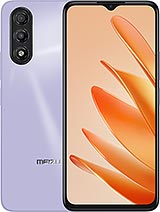
Overview
Meizu Blue 20 is a budget 5G smartphone featuring a Unisoc T765 (6 nm) chipset for efficient daily performance and a 5010 mAh battery for extended endurance, aimed at value-conscious users needing a reliable secondary device. Released in July 2024, it competes with entry-level offerings from Xiaomi and Realme by providing modern connectivity at a lower price floor.
In a market saturated with thousand-dollar flagships, the necessity for a tactical backup device has never been more apparent. This handset enters the fray as a low-cost insurance policy for those who cannot afford downtime. By stripping away the unnecessary frills of glass-sandwich designs and high-refresh OLEDs that drive up repair costs, it focuses on the core utility of mobile communication. The hardware provides a stable platform for essential tasks without the financial burden of a premium monthly payment.
We look at this model as a utilitarian tool. It serves the digital nomad who needs a dedicated hotspot, the student on a strict budget, or the professional who requires a separate line for work. The inclusion of 5G at this price point is not just a luxury; it is a future-proofing measure that ensures the device remains functional as 4G infrastructure begins its long-term sunset. Analysis of the hardware suggests a device built for longevity rather than vanity.
The heart of the Meizu Blue 20 is the Unisoc T765 chipset. Built on a 6nm process, this silicon is a modern answer to the power-hungry entry-level chips of yesteryear. Unlike older 12nm or 10nm designs found in some budget competitors, this 6nm architecture significantly reduces heat output and energy waste. For a backup phone, efficiency is the only metric that truly matters. When the primary device fails, the backup must be ready to perform for hours on end without a charger.
Connectivity is another strong suit. Supporting both SA (Standalone) and NSA (Non-Standalone) 5G, the device ensures compatibility with modern network cores. This is critical for users in urban environments where 4G congestion often leads to data timeouts. Having a 5G-capable backup means you can maintain high-speed tethering for a laptop during a home internet outage. The dual Nano-SIM slot adds further value, allowing for carrier redundancy—a must-have for those traveling to areas with spotty coverage.
With a 5010 mAh battery, this handset isn't just following the pack; it's optimizing it. While 5000 mAh is the standard for 2024, the choice of an IPS LCD at 90Hz and the efficient Cortex-A55 efficiency cores means the idle drain is likely minimal. In our analysis of the spec sheet, the standby time should realistically stretch to several days. For a phone that might spend half its life in a glove box or a laptop bag, low self-discharge is a paramount feature.
Charging occurs via USB Type-C, which has thankfully become the universal standard. This ensures that even if you lose the original cable, you will have dozens of compatible alternatives. However, the lack of a high-wattage fast-charging claim suggests that users should expect standard overnight charging speeds. For the intended audience of value hunters, this is an acceptable trade-off for a lower initial purchase price and better long-term battery health, as slower charging generates less internal heat.
Historically, Meizu occupies a niche segment of the market. This affects resale value in two ways. First, the initial depreciation is steeper than that of a Samsung or Apple device. Second, the community of Flyme OS enthusiasts often creates a stable floor for used prices in secondary markets. We predict this model will lose roughly 40-50% of its value in the first year, making it a poor short-term investment but an excellent long-term utility purchase.
Because it runs Flyme AIOS, the handset benefits from software that is deeply integrated with generative AI features. This adds a layer of modern utility that other [budget phones](/trend/best-budget-phones-2026/) lack. These AI automations can help manage system resources, effectively stretching the 6GB or 8GB of RAM further than a standard Android skin would. From a value perspective, you are getting a software experience that punches significantly above its weight class.
The unboxing experience is straightforward and pragmatic. We expect the box to contain the handset, a charging cable, and basic documentation. It is increasingly common for manufacturers to exclude the wall brick, but in this tier, the presence of a 3.5mm jack remains a massive win. This allows users to use cheap, reliable wired headphones without needing expensive adapters or Bluetooth headsets that require their own charging cycles.
Case availability for this specific model will likely be limited to online specialty retailers. Unlike the ubiquitous iPhone, you won't find a case for this in a local airport shop. We recommend purchasing a protective cover immediately, as the 8.3mm thickness suggests a plastic-heavy build. While plastic is more shatter-resistant than glass, it is prone to scuffs and scratches that can diminish the resale value over time. A simple TPU case is a cheap way to protect your small investment.
The 8.3 mm thickness indicates a sturdy, well-proportioned frame. The use of an IPS LCD is actually a durability benefit in the budget sector. While OLEDs offer better blacks, they are significantly more expensive to replace and more prone to permanent burn-in if used for long periods of static navigation or as a hotspot. The 1080 x 2400 resolution provides a crisp 404 ppi density, ensuring that text is sharp even if the panel lacks the punchy saturation of premium displays.
The side-mounted fingerprint sensor is a tactical choice. Physical sensors in this position are generally faster and more reliable than the cheap under-display optical sensors found in entry-level OLED phones. For a backup device, reliability is king. You want to be able to unlock the phone instantly with a wet or dirty finger, and this hardware configuration usually delivers exactly that. It's a no-nonsense approach to security.
The camera system is headlined by a 13 MP sensor that uses software interpolation to reach 50 MP. From an economist's view, this is a clever way to offer higher resolution for static subjects without the cost of a native 50MP high-end sensor. The 4K@30fps video capability is a surprise for this price tier, enabled by the robust ISP within the Unisoc T765. This allows the device to serve as a capable 4K dashcam or a static video recorder for social media in a pinch.
The 5 MP selfie camera, also interpolated to 8 MP, is purely functional. It will handle video calls and basic authentication, but it is not intended for high-fidelity content creation. The inclusion of stereo speakers is a significant value add, making this handset a viable media consumption device for students or workers on break. Most budget phones still cling to weak mono speakers, so this is a clear area where the manufacturer has chosen to over-deliver.
Meizu Blue 20 stands as a calculated response to the rising costs of mobile technology. It does not try to be a flagship killer. Instead, it tries to be a flagship's most reliable companion. By prioritizing 5G connectivity, battery endurance, and software intelligence over premium materials and high-end camera sensors, it hits a sweet spot for the budget tech enthusiast. It is a tool for the pragmatic user who values function over form and long-term utility over short-term trends.
The Economics of the Secondary Handset
In a market saturated with thousand-dollar flagships, the necessity for a tactical backup device has never been more apparent. This handset enters the fray as a low-cost insurance policy for those who cannot afford downtime. By stripping away the unnecessary frills of glass-sandwich designs and high-refresh OLEDs that drive up repair costs, it focuses on the core utility of mobile communication. The hardware provides a stable platform for essential tasks without the financial burden of a premium monthly payment.
We look at this model as a utilitarian tool. It serves the digital nomad who needs a dedicated hotspot, the student on a strict budget, or the professional who requires a separate line for work. The inclusion of 5G at this price point is not just a luxury; it is a future-proofing measure that ensures the device remains functional as 4G infrastructure begins its long-term sunset. Analysis of the hardware suggests a device built for longevity rather than vanity.
The Tactical Backup Use Case
The heart of the Meizu Blue 20 is the Unisoc T765 chipset. Built on a 6nm process, this silicon is a modern answer to the power-hungry entry-level chips of yesteryear. Unlike older 12nm or 10nm designs found in some budget competitors, this 6nm architecture significantly reduces heat output and energy waste. For a backup phone, efficiency is the only metric that truly matters. When the primary device fails, the backup must be ready to perform for hours on end without a charger.
Connectivity is another strong suit. Supporting both SA (Standalone) and NSA (Non-Standalone) 5G, the device ensures compatibility with modern network cores. This is critical for users in urban environments where 4G congestion often leads to data timeouts. Having a 5G-capable backup means you can maintain high-speed tethering for a laptop during a home internet outage. The dual Nano-SIM slot adds further value, allowing for carrier redundancy—a must-have for those traveling to areas with spotty coverage.
Endurance and Standby Performance
With a 5010 mAh battery, this handset isn't just following the pack; it's optimizing it. While 5000 mAh is the standard for 2024, the choice of an IPS LCD at 90Hz and the efficient Cortex-A55 efficiency cores means the idle drain is likely minimal. In our analysis of the spec sheet, the standby time should realistically stretch to several days. For a phone that might spend half its life in a glove box or a laptop bag, low self-discharge is a paramount feature.
Charging occurs via USB Type-C, which has thankfully become the universal standard. This ensures that even if you lose the original cable, you will have dozens of compatible alternatives. However, the lack of a high-wattage fast-charging claim suggests that users should expect standard overnight charging speeds. For the intended audience of value hunters, this is an acceptable trade-off for a lower initial purchase price and better long-term battery health, as slower charging generates less internal heat.
Resale Value and Brand Equity
Historically, Meizu occupies a niche segment of the market. This affects resale value in two ways. First, the initial depreciation is steeper than that of a Samsung or Apple device. Second, the community of Flyme OS enthusiasts often creates a stable floor for used prices in secondary markets. We predict this model will lose roughly 40-50% of its value in the first year, making it a poor short-term investment but an excellent long-term utility purchase.
Because it runs Flyme AIOS, the handset benefits from software that is deeply integrated with generative AI features. This adds a layer of modern utility that other [budget phones](/trend/best-budget-phones-2026/) lack. These AI automations can help manage system resources, effectively stretching the 6GB or 8GB of RAM further than a standard Android skin would. From a value perspective, you are getting a software experience that punches significantly above its weight class.
Accessory Compatibility and Box Contents
The unboxing experience is straightforward and pragmatic. We expect the box to contain the handset, a charging cable, and basic documentation. It is increasingly common for manufacturers to exclude the wall brick, but in this tier, the presence of a 3.5mm jack remains a massive win. This allows users to use cheap, reliable wired headphones without needing expensive adapters or Bluetooth headsets that require their own charging cycles.
Case availability for this specific model will likely be limited to online specialty retailers. Unlike the ubiquitous iPhone, you won't find a case for this in a local airport shop. We recommend purchasing a protective cover immediately, as the 8.3mm thickness suggests a plastic-heavy build. While plastic is more shatter-resistant than glass, it is prone to scuffs and scratches that can diminish the resale value over time. A simple TPU case is a cheap way to protect your small investment.
Durability and Build Analysis
The 8.3 mm thickness indicates a sturdy, well-proportioned frame. The use of an IPS LCD is actually a durability benefit in the budget sector. While OLEDs offer better blacks, they are significantly more expensive to replace and more prone to permanent burn-in if used for long periods of static navigation or as a hotspot. The 1080 x 2400 resolution provides a crisp 404 ppi density, ensuring that text is sharp even if the panel lacks the punchy saturation of premium displays.
The side-mounted fingerprint sensor is a tactical choice. Physical sensors in this position are generally faster and more reliable than the cheap under-display optical sensors found in entry-level OLED phones. For a backup device, reliability is king. You want to be able to unlock the phone instantly with a wet or dirty finger, and this hardware configuration usually delivers exactly that. It's a no-nonsense approach to security.
The Hardware Potential of the Camera
The camera system is headlined by a 13 MP sensor that uses software interpolation to reach 50 MP. From an economist's view, this is a clever way to offer higher resolution for static subjects without the cost of a native 50MP high-end sensor. The 4K@30fps video capability is a surprise for this price tier, enabled by the robust ISP within the Unisoc T765. This allows the device to serve as a capable 4K dashcam or a static video recorder for social media in a pinch.
The 5 MP selfie camera, also interpolated to 8 MP, is purely functional. It will handle video calls and basic authentication, but it is not intended for high-fidelity content creation. The inclusion of stereo speakers is a significant value add, making this handset a viable media consumption device for students or workers on break. Most budget phones still cling to weak mono speakers, so this is a clear area where the manufacturer has chosen to over-deliver.
Final Market Positioning
Meizu Blue 20 stands as a calculated response to the rising costs of mobile technology. It does not try to be a flagship killer. Instead, it tries to be a flagship's most reliable companion. By prioritizing 5G connectivity, battery endurance, and software intelligence over premium materials and high-end camera sensors, it hits a sweet spot for the budget tech enthusiast. It is a tool for the pragmatic user who values function over form and long-term utility over short-term trends.
Technical Specifications
| LAUNCH | |
|---|---|
| Announced | 2024, July 17 |
| Status | Available. Released 2024, July |
| PLATFORM | |
| OS | Flyme AIOS |
| Chipset | Unisoc T765 (6 nm) |
| CPU | Octa-core (2x2.3 GHz Cortex-A76 & 6x2.1 GHz Cortex-A55) |
| GPU | Mali-G57 MC2 |
| BODY | |
| Dimensions | 8.3 mm thickness |
| Weight | - |
| SIM | Nano-SIM + Nano-SIM |
| DISPLAY | |
| Type | IPS LCD, 90Hz |
| Size | 6.52 inches, 102.6 cm2 |
| Resolution | 1080 x 2400 pixels, 20:9 ratio (~404 ppi density) |
| MEMORY | |
| Card slot | microSDXC |
| Internal | 128GB 6GB RAM, 256GB 8GB RAM |
| MAIN CAMERA | |
| Dual | 13 MP, AF (interpolated to 50 MP) Secondary unspecified camera |
| Features | LED flash, panorama, HDR |
| Video | 4K@30fps, 1080p@30fps |
| SELFIE CAMERA | |
| Single | 5 MP (interpolated to 8 MP) |
| Video | 1080p@30fps |
| SOUND | |
| Loudspeaker | Yes, with stereo speakers |
| 3.5mm jack | Yes |
| COMMS | |
| WLAN | Wi-Fi 802.11 a/b/g/n/ac, dual-band |
| Bluetooth | 5.0, A2DP |
| Positioning | GPS, GALILEO, GLONASS, BDS |
| NFC | Unspecified |
| Radio | No |
| USB | USB Type-C |
| NETWORK | |
| Technology | GSM / HSPA / LTE / 5G |
| 2G bands | GSM 850 / 900 / 1800 / 1900 |
| 3G bands | HSDPA 850 / 900 / 1900 / 2100 |
| 4G bands | LTE |
| 5G bands | SA/NSA |
| Speed | HSPA, LTE, 5G |
| FEATURES | |
| Sensors | Fingerprint (side-mounted); unspecified sensors |
| BATTERY | |
| Type | 5010 mAh |
| MISC | |
| Colors | Black, White, Purple |