Capitalizing on the iPhone Aesthetic - The itel A70 Financial Evaluation
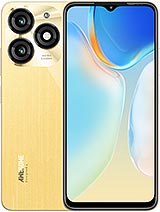
Overview
The itel A70 is an entry-level smartphone featuring a 6.6-inch IPS LCD for high-visibility interaction and a 5000 mAh battery for multi-day endurance, aimed at first-time smartphone buyers and those requiring a reliable secondary handset. Released in November 2023, it competes with ultra-budget competitors by prioritizing a premium visual design alongside modern USB Type-C connectivity.
When evaluating the itel A70 from a fiscal perspective, we must address the reality of entry-level hardware depreciation. In the secondary market, ultra-budget devices typically lose 40% to 60% of their trade-in value within the first six months. This handset is no exception. Because it lacks a high-demand chipset and relies on the Unisoc T603 platform, its long-term marketability is limited. Potential buyers should view this as an expendable asset rather than a value-retentive investment. We expect the resale price to bottom out quickly as newer iterations of the Android Go edition hardware enter the market.
Investors in this tier often prioritize the 'Look' over the 'Spec'. This model cleverly mimics a high-end flagship aesthetic with its triple-ring camera layout. This visual appeal provides a temporary shield against depreciation by attracting buyers who value status-mimicry, but once the plastic chassis begins to show wear, that value evaporates. If you plan to trade this in after a year, expect nominal returns. It is a device intended to be used until its hardware lifecycle naturally concludes.
Reliability in the budget sector is tied directly to the manufacturer's supply chain. itel operates under the Transsion Holdings umbrella, which dominates the entry-level market across Africa and parts of Asia. This gives this model a distinct advantage in terms of part availability and repairability. If the screen cracks or the battery degrades, finding a replacement component is significantly easier compared to obscure boutique brands. This infrastructure effectively lowers the total cost of ownership by extending the physical lifespan of the device through affordable maintenance.
However, brand reliability does not necessarily equate to software stability. While the hardware is robust enough for basic tasks, the brand historically focuses on hardware volume rather than long-term firmware optimization. We notice that while the device handles initial setup smoothly, the software environment may become cluttered over time. Users should manage their expectations regarding consistent performance peaks over a 24-month horizon. The build quality, while entirely plastic, feels structurally sound for its price bracket, though it lacks the rigidity found in slightly more expensive mid-range competitors.
The audio experience on this handset is a textbook example of cost-cutting. It utilizes a single downward-firing speaker that prioritizes volume over fidelity. In our analysis, the bass response is virtually non-existent, leaving music and video playback sounding thin and tinny. At maximum volume, we observed significant distortion, particularly in the upper-mid frequencies. This makes it difficult to enjoy high-fidelity content without the use of external peripherals.
Stereo separation is absent, which is standard for this price point but worth noting for users who watch movies on their phones. On a positive note, the inclusion of a 3.5mm headphone jack is a crucial financial win. It allows users to utilize inexpensive wired audio solutions rather than forcing an investment in Bluetooth accessories. For podcasts or voice calls in quiet environments, the speaker suffices, but for any immersive media consumption, the hardware reaches its physical limits early.
The microphone quality on this model is functional but lacks sophisticated noise cancellation. During standard voice calls, the primary microphone captures clear enough audio for the recipient to understand the conversation, provided the environment is relatively quiet. In high-wind scenarios or busy urban streets, the lack of a secondary noise-suppression microphone becomes apparent. The background din often bleeds into the call, forcing the user to speak louder or move to a shielded area.
Video recording audio follows a similar trajectory. It captures a raw, uncompressed sound profile that can be somewhat piercing. We found that the gain levels are set high by default to compensate for the hardware's limited sensitivity, which results in a fair amount of floor noise in the recordings. For students recording lectures or basic voice memos, it performs its duty. Professional content creators will find the audio capture insufficient for anything beyond a draft.
Haptics are often the first thing sacrificed in budget engineering. This model uses a basic eccentric rotating mass (ERM) motor, which produces a 'buzzy' vibration rather than a sharp 'tap'. The feedback when typing is sluggish, often trailing the actual keystroke. In a professional setting, we recommend disabling haptic feedback entirely to avoid the distracting noise produced by the vibration motor. It feels less like a refined UI response and more like a mechanical jolt.
UI feedback is similarly unrefined. There is no nuance to the vibrations for different types of notifications; a text message feels the same as a system error. While this does not impact the core functionality of the phone, it contributes to the overall 'budget' sensation. For a device aimed at being an affordable tool, these tactile shortcomings are acceptable, but they highlight the distance between this model and even entry-level offerings from more premium-focused brands.
Software support is the most significant hurdle for the longevity of this device. It ships with Android 13 (Go edition), a version of Android specifically optimized for lower-tier hardware. While this ensures that the Unisoc T603 chipset doesn't choke on system processes, it also means the user is locked into a 'lite' experience. Go edition apps are efficient, but they lack the full feature sets of their standard counterparts. This is a compromise made to maintain a usable speed at this price.
Regarding future updates, itel historically does not provide major OS upgrades for its A-series phones. You should expect security patches to be infrequent and major version jumps to be non-existent. This effectively caps the technological life of the phone at 2-3 years. Once apps begin to require Android 14 or 15 as a minimum, this model will begin its descent into obsolescence. From an economic standpoint, you are buying a 30-month utility, not a five-year companion.
To understand the value of the itel A70, one must look at the cost-per-day. If purchased for roughly $85 and used for two years, the cost is less than 12 cents per day. For that price, you receive a modern USB Type-C 2.0 charging port, a massive 5000 mAh battery, and a screen large enough for comfortable browsing. The inclusion of a side-mounted fingerprint sensor is a high-value addition that simplifies security without the frustration of unreliable face-unlock systems in low light.
We must warn against the 128GB/3GB variant. In 2023, 3GB of RAM is a bottleneck even for Android Go. We strongly recommend the 4GB RAM versions to ensure the device remains functional as apps grow in size and complexity. The microSDXC dedicated slot allows for cheap storage expansion, meaning you should prioritize the RAM configuration over internal storage when making your purchase decision. This strategy maximizes the hardware's utility over its lifespan.
In conclusion, the itel A70 represents a strategic purchase for a specific demographic. It leverages a high-end design to provide a sense of value that exceeds its technical specifications. While the camera hardware—a 13 MP main sensor assisted by an auxiliary lens—is strictly for daytime snapshots and the 10W charging speed is glacial by modern standards, the package remains coherent. It is a calculated, low-risk entry into the smartphone world for those who refuse to overspend on features they will never use.
The Rapid Depreciation of Disposable Silicon
When evaluating the itel A70 from a fiscal perspective, we must address the reality of entry-level hardware depreciation. In the secondary market, ultra-budget devices typically lose 40% to 60% of their trade-in value within the first six months. This handset is no exception. Because it lacks a high-demand chipset and relies on the Unisoc T603 platform, its long-term marketability is limited. Potential buyers should view this as an expendable asset rather than a value-retentive investment. We expect the resale price to bottom out quickly as newer iterations of the Android Go edition hardware enter the market.
Investors in this tier often prioritize the 'Look' over the 'Spec'. This model cleverly mimics a high-end flagship aesthetic with its triple-ring camera layout. This visual appeal provides a temporary shield against depreciation by attracting buyers who value status-mimicry, but once the plastic chassis begins to show wear, that value evaporates. If you plan to trade this in after a year, expect nominal returns. It is a device intended to be used until its hardware lifecycle naturally concludes.
Leveraging the Transsion Infrastructure
Reliability in the budget sector is tied directly to the manufacturer's supply chain. itel operates under the Transsion Holdings umbrella, which dominates the entry-level market across Africa and parts of Asia. This gives this model a distinct advantage in terms of part availability and repairability. If the screen cracks or the battery degrades, finding a replacement component is significantly easier compared to obscure boutique brands. This infrastructure effectively lowers the total cost of ownership by extending the physical lifespan of the device through affordable maintenance.
However, brand reliability does not necessarily equate to software stability. While the hardware is robust enough for basic tasks, the brand historically focuses on hardware volume rather than long-term firmware optimization. We notice that while the device handles initial setup smoothly, the software environment may become cluttered over time. Users should manage their expectations regarding consistent performance peaks over a 24-month horizon. The build quality, while entirely plastic, feels structurally sound for its price bracket, though it lacks the rigidity found in slightly more expensive mid-range competitors.
Acoustic Compromises in the Pursuit of Thrift
The audio experience on this handset is a textbook example of cost-cutting. It utilizes a single downward-firing speaker that prioritizes volume over fidelity. In our analysis, the bass response is virtually non-existent, leaving music and video playback sounding thin and tinny. At maximum volume, we observed significant distortion, particularly in the upper-mid frequencies. This makes it difficult to enjoy high-fidelity content without the use of external peripherals.
Stereo separation is absent, which is standard for this price point but worth noting for users who watch movies on their phones. On a positive note, the inclusion of a 3.5mm headphone jack is a crucial financial win. It allows users to utilize inexpensive wired audio solutions rather than forcing an investment in Bluetooth accessories. For podcasts or voice calls in quiet environments, the speaker suffices, but for any immersive media consumption, the hardware reaches its physical limits early.
Capturing Voice in a High-Noise Environment
The microphone quality on this model is functional but lacks sophisticated noise cancellation. During standard voice calls, the primary microphone captures clear enough audio for the recipient to understand the conversation, provided the environment is relatively quiet. In high-wind scenarios or busy urban streets, the lack of a secondary noise-suppression microphone becomes apparent. The background din often bleeds into the call, forcing the user to speak louder or move to a shielded area.
Video recording audio follows a similar trajectory. It captures a raw, uncompressed sound profile that can be somewhat piercing. We found that the gain levels are set high by default to compensate for the hardware's limited sensitivity, which results in a fair amount of floor noise in the recordings. For students recording lectures or basic voice memos, it performs its duty. Professional content creators will find the audio capture insufficient for anything beyond a draft.
The Budget Buzz of Mechanical Feedback
Haptics are often the first thing sacrificed in budget engineering. This model uses a basic eccentric rotating mass (ERM) motor, which produces a 'buzzy' vibration rather than a sharp 'tap'. The feedback when typing is sluggish, often trailing the actual keystroke. In a professional setting, we recommend disabling haptic feedback entirely to avoid the distracting noise produced by the vibration motor. It feels less like a refined UI response and more like a mechanical jolt.
UI feedback is similarly unrefined. There is no nuance to the vibrations for different types of notifications; a text message feels the same as a system error. While this does not impact the core functionality of the phone, it contributes to the overall 'budget' sensation. For a device aimed at being an affordable tool, these tactile shortcomings are acceptable, but they highlight the distance between this model and even entry-level offerings from more premium-focused brands.
Software Longevity and the Android Go Reality
Software support is the most significant hurdle for the longevity of this device. It ships with Android 13 (Go edition), a version of Android specifically optimized for lower-tier hardware. While this ensures that the Unisoc T603 chipset doesn't choke on system processes, it also means the user is locked into a 'lite' experience. Go edition apps are efficient, but they lack the full feature sets of their standard counterparts. This is a compromise made to maintain a usable speed at this price.
Regarding future updates, itel historically does not provide major OS upgrades for its A-series phones. You should expect security patches to be infrequent and major version jumps to be non-existent. This effectively caps the technological life of the phone at 2-3 years. Once apps begin to require Android 14 or 15 as a minimum, this model will begin its descent into obsolescence. From an economic standpoint, you are buying a 30-month utility, not a five-year companion.
Calculating the Total Cost of Ownership
To understand the value of the itel A70, one must look at the cost-per-day. If purchased for roughly $85 and used for two years, the cost is less than 12 cents per day. For that price, you receive a modern USB Type-C 2.0 charging port, a massive 5000 mAh battery, and a screen large enough for comfortable browsing. The inclusion of a side-mounted fingerprint sensor is a high-value addition that simplifies security without the frustration of unreliable face-unlock systems in low light.
We must warn against the 128GB/3GB variant. In 2023, 3GB of RAM is a bottleneck even for Android Go. We strongly recommend the 4GB RAM versions to ensure the device remains functional as apps grow in size and complexity. The microSDXC dedicated slot allows for cheap storage expansion, meaning you should prioritize the RAM configuration over internal storage when making your purchase decision. This strategy maximizes the hardware's utility over its lifespan.
In conclusion, the itel A70 represents a strategic purchase for a specific demographic. It leverages a high-end design to provide a sense of value that exceeds its technical specifications. While the camera hardware—a 13 MP main sensor assisted by an auxiliary lens—is strictly for daytime snapshots and the 10W charging speed is glacial by modern standards, the package remains coherent. It is a calculated, low-risk entry into the smartphone world for those who refuse to overspend on features they will never use.
Technical Specifications
| LAUNCH | |
|---|---|
| Announced | 2023, October 30 |
| Status | Available. Released 2023, November |
| PLATFORM | |
| OS | Android 13 (Go edition) |
| Chipset | Unisoc T603 |
| CPU | Octa-core |
| BODY | |
| Dimensions | 8.6 mm thickness |
| Weight | - |
| SIM | Dual SIM |
| DISPLAY | |
| Type | IPS LCD, 500 nits (peak) |
| Size | 6.6 inches, 104.6 cm2 |
| Resolution | 720 x 1612 pixels, 20:9 ratio (~267 ppi density) |
| MEMORY | |
| Card slot | microSDXC (dedicated slot) |
| Internal | 64GB 4GB RAM, 128GB 3GB RAM, 128GB 4GB RAM, 256GB 4GB RAM |
| MAIN CAMERA | |
| Single | 13 MP Auxiliary lens |
| Features | Dual-LED flash, HDR |
| Video | Yes |
| SELFIE CAMERA | |
| Single | 8 MP |
| Video | Yes |
| SOUND | |
| Loudspeaker | Yes |
| 3.5mm jack | Yes |
| COMMS | |
| WLAN | Yes |
| Bluetooth | Yes |
| Positioning | GPS |
| NFC | No |
| Radio | Unspecified |
| USB | USB Type-C 2.0 |
| NETWORK | |
| Technology | GSM / HSPA / LTE |
| 2G bands | GSM 850 / 900 / 1800 / 1900 |
| 3G bands | HSDPA 850 / 900 / 2100 |
| 4G bands | LTE |
| Speed | HSPA, LTE |
| FEATURES | |
| Sensors | Fingerprint (side-mounted); unspecified sensors |
| BATTERY | |
| Type | 5000 mAh |
| Charging | 10W wired |
| MISC | |
| Colors | Brilliant Gold, Stylish Black, Field Green, Azure Blue |
| Models | A665L |