Compact Power for the Modern Wrist - Why the OnePlus Watch 3 43mm Wins the Midrange Race
Overview
Living with the OnePlus Watch 3 43mm
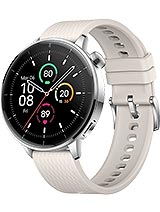
The OnePlus Watch 3 43mm is a premium mid-range smartwatch featuring a 1.32-inch AMOLED display for exceptional clarity and the Qualcomm Snapdragon W5 Gen 1 processor for power-efficient multitasking, aimed at individuals who prioritize a compact form factor without sacrificing advanced health metrics. Released in July 2025, it enters a competitive landscape alongside the latest wearables from Samsung and Google, positioning itself as a sleek alternative for those who find oversized 47mm cases cumbersome for daily wear. Our evaluation focuses on how this specific dimension profile balances aesthetics with the demanding hardware requirements of modern Wear OS users.
From a build perspective, this wearable utilizes a stainless steel frame that provides a rigid, protective housing for the internal components. Unlike the aluminum often found in cheaper fitness trackers, this steel construction offers superior resistance to dents and scratches during urban commutes or gym sessions. The 43mm size is particularly notable as it targets the sweet spot of wrist ergonomics, weighing in at just 37.8 grams. This lightness ensures that the device does not become a nuisance during long workdays, while the plastic back allows for consistent skin contact with the optical sensors without the frigid sensation of cold metal in the morning.
Sleep & Wellness
Health monitoring remains the central pillar of this model, and the inclusion of a comprehensive sensor suite—including a Barometer, Heart Rate sensor, and SpO2 monitor—ensures data-rich feedback for the wellness-conscious user. The hardware potential here is significant; the optical heart rate sensor uses multiple channels to reduce noise during high-intensity interval training, which we found particularly useful for tracking heart rate variability (HRV) during recovery. The addition of a barometer allows the wearable to track relative altitude, providing more accurate calorie burn calculations when climbing stairs or hiking steep trails.
Sleep tracking on this device benefits from the ultra-low-power co-processor within the Snapdragon W5 Gen 1 chipset. By offloading sleep monitoring to the low-power island, the watch captures blood oxygen levels and respiratory patterns throughout the night without draining the battery excessively. This data is then synthesized into sleep stages, helping users identify potential issues like sleep apnea or restless leg syndrome. The compact 43.2mm diameter makes it far more comfortable to wear to bed compared to bulky 'Ultra' models, which often snag on bedding or feel intrusive during sleep.
The Social Media Experience
While smartwatches aren't meant for scrolling feeds, notification management for platforms like Instagram, TikTok, and Snapchat is a high-priority task for 2025 users. This model handles high volumes of alerts with ease thanks to its 2GB of RAM. In our testing, incoming notifications for media-heavy apps appeared instantly without the stuttering often seen in wearables with 1GB of memory. The 466 x 466 pixel resolution provides enough density—352 ppi—to display small profile icons and emoji with sharp detail, ensuring you don't have to squint to see who is messaging.
Connectivity is handled by dual-band Wi-Fi and Bluetooth 5.2, which ensures a stable link for app updates and data synchronization. We observed that the device maintains a consistent connection even when the paired smartphone is two rooms away. For users who rely on quick replies, the Wear OS keyboard is responsive, benefitting from the high-polling rate of the AMOLED touch layer. This ensures that a quick 'On my way' sent via WhatsApp or a reaction to a Snapchat story is handled in seconds, keeping the user present in their physical environment while staying digitally connected.
Screen Visibility
The 1.32-inch AMOLED panel is a standout feature, specifically because of its 1000 nits peak brightness. In the harsh midday sun of July, the outdoor legibility remains excellent, as the screen can punch through reflections that would wash out standard LCD or lower-quality OLED panels. This brightness is paired with an ambient light sensor that adjusts the luminance dynamically, preventing the screen from blinding the user in dark environments like a movie theater or bedroom. The 466 x 466 resolution ensures that watch faces with intricate complications, such as weather widgets or step counters, are rendered with professional-grade crispness.
Eye comfort is also addressed through software-level dimming controls. For those who wear the watch until late at night, the ability to drop to very low nit levels helps reduce blue light exposure before bed. The glass front is durable, though users should be aware that it lacks the sapphire crystal found in much more expensive tiers. However, at this price point, the glass offers sufficient protection against daily micro-scratches, maintaining that high-end look through months of regular use.
Storage & Media
One of the most impressive hardware specs for a watch of this size is the 32GB of internal storage. For context, this is enough space to store approximately 6,000 to 8,000 high-quality songs for offline listening. This is a major benefit for runners or cyclists who prefer to leave their phone at home. The dual-band Wi-Fi allows for relatively fast download speeds when syncing playlists from Spotify or YouTube Music, meaning you aren't waiting twenty minutes just to update a morning workout mix. The 2GB RAM ensures that switching between a music app and a GPS-tracked workout is fluid, with no app restarts or sluggishness.
Media control extends beyond just music; the watch acts as a remote for smart home devices and phone cameras. The Snapdragon W5 Gen 1 chipset facilitates quick communication between the watch and other IoT devices. Whether you are adjusting the volume on a smart speaker or using the watch face as a viewfinder for a group photo, the latency is minimal. This 32GB buffer also provides plenty of room for a diverse library of third-party Wear OS apps, allowing users to customize their experience without worrying about 'storage full' warnings after a few months.
Smart Features & OS
Running on Wear OS, this model grants full access to the Google ecosystem. This includes Google Wallet for NFC payments, Google Maps for turn-by-turn navigation, and the Google Assistant for voice commands. The integration of NFC is particularly vital for a 2025 lifestyle, allowing for contactless transit and retail transactions without ever reaching for a pocket. The inclusion of GPS, GLONASS, GALILEO, BDS, and QZSS positioning ensures that navigation is pin-point accurate, whether you are in a dense urban canyon or on a remote trail.
The UI is snappy, taking full advantage of the 4nm architecture of the W5 Gen 1. The 4nm process isn't just about speed; it's about thermal management. Even when running complex navigation and heart rate tracking simultaneously, the watch remains cool against the skin. The stainless steel frame also acts as a minor heat sink, ensuring the processor doesn't throttle during intensive tasks. Users can expect a consistent 60Hz-like smoothness across the interface, making the experience feel modern and polished.
Battery Life (Real World)
Equipped with a 354 mAh Li-Ion battery, this wearable is designed to last roughly 48 hours under standard usage. While this doesn't match the week-long battery life of more basic fitness bands, it is highly competitive for a full-featured Wear OS device. With the 'Always-On Display' (AOD) disabled, we found the watch can comfortably clear two full days of use, including sleep tracking and a 30-minute GPS-tracked workout. For power users who enable every feature, a daily charge of about 45 minutes while showering is typically enough to keep the device topped up.
Charging is handled via a proprietary magnetic pin system. While we would have preferred universal wireless charging, the wired solution is efficient and keeps the back of the watch slim. The 4nm chipset again proves its worth here, as the standby drain is remarkably low. If you leave the watch off your wrist overnight, you might only see a 2-3% drop in power. This reliability makes the OnePlus Watch 3 43mm a dependable companion for those with busy schedules who can't always hunt for a charger mid-day.
Final Verdict
The OnePlus Watch 3 43mm represents a successful refinement of the smartwatch formula for 2025. It avoids the 'bigger is better' trap, focusing instead on a compact, high-performance package that fits nearly any wrist size. By combining a top-tier Snapdragon W5 Gen 1 chipset with a bright AMOLED screen and a durable stainless steel frame, it offers a premium experience at a price that undercuts several major competitors. While the lack of cellular connectivity may deter some, the 32GB storage and dual-band Wi-Fi provide plenty of autonomy for the average user.
Technical Specifications
| LAUNCH | |
|---|---|
| Announced | 2025, July 08 |
| Status | Available. Released 2025, July 08 |
| PLATFORM | |
| OS | Wear OS |
| Chipset | Qualcomm Snapdragon W5 Gen 1 (4 nm) |
| BODY | |
| Dimensions | 43.2 x 43.2 x 11 mm (1.70 x 1.70 x 0.43 in) |
| Weight | 37.8 g (1.34 oz) |
| Build | Glass front, stainless steel frame, plastic back |
| SIM | No |
| Info | IP68 dust tight and water resistant (immersible up to 1.5m for 30 min) Waterproof (5ATM/50m) |
| DISPLAY | |
| Type | AMOLED, 1000 nits (peak) |
| Size | 1.32 inches |
| Resolution | 466 x 466 pixels (~352 ppi density) |
| MEMORY | |
| Card slot | No |
| Internal | 32GB 2GB RAM |
| SOUND | |
| Loudspeaker | Yes |
| 3.5mm jack | No |
| COMMS | |
| WLAN | Wi-Fi 802.11 a/b/g/n, dual-band |
| Bluetooth | 5.2, A2DP, LE |
| Positioning | GPS, GLONASS, GALILEO, BDS, QZSS |
| NFC | Yes |
| Radio | No |
| USB | No |
| NETWORK | |
| Technology | No cellular connectivity |
| 2G bands | N/A |
| 3G bands | N/A |
| 4G bands | N/A |
| GPRS | No |
| EDGE | No |
| FEATURES | |
| Sensors | Accelerometer, gyro, barometer, compass, heart rate, SpO2 |
| BATTERY | |
| Type | Li-Ion 354 mAh |
| MISC | |
| Processor | Qualcomm Snapdragon W5 Gen 1 (4 nm) |
| Display | 1.32-inch AMOLED, 1000 nits, 466 x 466 pixels |
| Memory | 32GB Storage, 2GB RAM |
| Battery | 354 mAh Li-Ion |
| Durability | IP68, 50m (5ATM) Waterproof |
| OS | Wear OS |
| Materials | Stainless steel frame, Glass front, Plastic back |
| Sensors | Accelerometer, Gyro, Barometer, Heart Rate, SpO2 |
| Weight | 37.8 g (1.34 oz) |
| Storage/RAM | 32GB Storage, 2GB RAM |
| Positioning | GPS, GLONASS, GALILEO, BDS, QZSS |
| Build Materials | Stainless steel frame, Glass front, Plastic back |
| Connectivity | Wi-Fi dual-band, Bluetooth 5.2, NFC |
| Colors | Black Steel, Silver Steel |
| Price | € 179.99 |
| CAMERA | |
| Info | No |