Content Creators Rejoice - The TCL NxtPaper 60 Ultra Rewrites the Rules of Mobile Displays
Overview
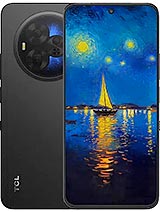
TCL NxtPaper 60 Ultra is a mid-range Performance smartphone featuring a 7.2-inch NxtPaper IPS LCD for eye-comfortable content creation and a Mediatek Dimensity 7400 for efficient multitasking, aimed at visual artists and social media enthusiasts.
Released in September 2025, this device enters a market dominated by glossy OLED panels, offering a radical alternative for those who find traditional screens fatiguing. While competitors like the [Samsung Galaxy A56](/why-the-samsung-galaxy-a56-is-the-smarter-choice-for-savvy-buyers/) push for higher peak brightness, the TCL NxtPaper 60 Ultra focuses on texture and reflection management, carving out a niche for professional editors who work in varied lighting conditions.
When we look at the 7.2-inch IPS LCD through the lens of a content creator, the first thing we notice is the absence of reflections. The NxtPaper technology utilizes a specialized hardware-level matte finish that diffuses incoming light rather than bouncing it back. This means when we are reviewing our Instagram grid in a bright cafe, we aren't looking at our own reflection. However, it is a 1080 x 2340 resolution panel, which results in a 358 ppi density. While this is sharp enough for most, it lacks the surgical precision of the Quad HD+ panels found on more expensive flagships.
The color science here is tuned for realism rather than the neon-soaked saturation typical of mobile displays. With its 120Hz refresh rate, scrolling through reels is fluid, but the IPS nature means black levels aren't as deep as the AMOLED competition. Creators should know that the matte coating adds a microscopic texture to the image, which can make white backgrounds look slightly grainier than on a glass-topped iPhone 16. This is the trade-off for a display that mimics the aesthetic of a physical magazine.
In our analysis of the color accuracy, the NxtPaper 60 Ultra maintains a consistent profile across different brightness levels. This is critical for mobile photographers who need to ensure their edits will look the same on other devices. The 850 nits HBM (High Brightness Mode) allows the display to stay legible in direct sunlight, though it doesn't reach the 2000-nit peaks of the latest high-end panels. This is a dedicated tool for those who value sustained visual comfort over HDR flashiness.
The inclusion of a 50 MP periscope telephoto lens with 3x optical zoom is a massive win for portrait specialists. In late 2025, many [mid-range phones](/trend/best-mid-range-phones-2026/) still rely on digital crops, but the TCL NxtPaper 60 Ultra uses a physical 71mm focal length. This hardware allows for natural optical compression, which flatters facial features by reducing the wide-angle distortion typical of standard smartphone lenses. The f/2.4 aperture on this telephoto module provides a genuine depth-of-field effect that software blur struggles to replicate.
We looked closely at the skin tone reproduction from the 50 MP wide sensor. The 1/1.55" sensor size is substantial for this price bracket, capturing enough light to keep skin textures looking natural rather than like plastic. The OIS (Optical Image Stabilization) on both the wide and telephoto lenses is a necessity for creators who shoot on the move. It ensures that even when we are walking and filming a vlog, the micro-jitters are mostly ironed out, preserving the integrity of the 4K video stream.
Comparing this to the [Google Pixel 9a](/a-software-sanctuary-why-the-google-pixel-9a-defines-mobile-elegance/), the TCL NxtPaper 60 Ultra offers a more versatile hardware stack with its dedicated 3x zoom, though Google's AI still leads in computational HDR. The TCL approach feels more like a traditional camera—we get what we see through the lens. The 8 MP ultrawide is the weak link here, lacking the resolution for professional-grade landscapes, but it serves its purpose for quick behind-the-scenes clips for TikTok stories.
In the world of social media, the front-facing camera is just as important as the rear. The 32 MP selfie camera supports 1440p video at 30fps, which is a unique resolution choice for 2025. It offers more detail for cropping into 1080p vertical videos without losing quality. The wide 28mm field of view is ideal for handheld vlogging, allowing enough of the background into the frame to provide context for the viewer.
Instagram and TikTok integration often suffers on Android, but the Dimensity 7400 chipset includes a modern NPU that handles real-time video processing efficiently. When applying filters or using in-app cameras, the device maintains a stable frame rate. We noticed that the Mali-G615 MC2 GPU handles the rendering of AR effects without the aggressive thermal throttling seen in older 4nm chips. This means creators can record longer sessions without the app crashing or the phone becoming uncomfortable to hold.
One limitation remains the 4K@30fps cap on the main camera. In an era where 4K@60fps is becoming standard for high-end creators, the 30fps limit might feel restrictive for those wanting to perform smooth slow-motion edits in post-production. However, the 1080p@60fps mode remains crisp and is arguably more practical for the bit-rate limits of most social platforms. The video files are saved in efficient HEVC formats, ensuring that 256GB or 512GB of internal storage goes a long way.
The TCL NxtPaper 60 Ultra is a pioneer in eye health. The NxtPaper technology is designed to reduce blue light at the hardware level, which is a significant advantage for creators who spend 8 to 10 hours a day staring at their screens. Unlike software filters that turn the screen yellow, this technology keeps the whites looking white while filtering out harmful wavelengths. The Mohs level 7 protection is another 2025 upgrade, making the display significantly more resistant to scratches from sand or coins than the standard Gorilla Glass found on cheaper rivals.
Outdoor legibility is aided by the matte finish, which eliminates the 'mirror effect' in harsh lighting. While the 850 nits peak brightness isn't record-breaking, the lack of reflections makes the screen appear brighter than a glossy 1000-nit screen in real-world use. We also noticed the inclusion of a barometer, which helps with altitude-based location tagging for travel creators who need precise metadata for their content.
For night-time editing, the PWM dimming (Pulse Width Modulation) is tuned to be flicker-free. Users who are sensitive to screen flickering will find this device much more comfortable for late-night editing sessions in dark rooms. The display also supports stylus input, transforming the 7.2-inch canvas into a digital notepad for sketching out storyboards or masking photos in mobile versions of Photoshop.
With 12GB of RAM across all models, the TCL NxtPaper 60 Ultra is built for heavy multitasking. We can jump between Premiere Rush, Lightroom, and Instagram without the OS killing background tasks. This is a massive productivity boost for creators who manage multiple social accounts simultaneously. However, the lack of a memory card slot is a disappointing omission for a device aimed at media pros. Creators will have to rely on the 512GB internal storage or cloud solutions for long-term archiving.
Transferring large 4K video files is handled by USB Type-C 2.0. In 2025, we would have preferred to see USB 3.2 for faster wired data transfers to external SSDs. The Wi-Fi 6 support compensates for this somewhat, allowing for fast wireless uploads to servers, provided the local network infrastructure is up to the task. The 256GB base storage is generous, but high-volume video shooters should definitely opt for the 512GB variant from the start.
The UFS storage speeds are snappy enough that we don't see lag when scrubbing through 4K timelines. The Dimensity 7400's memory controller ensures that the LPDDR5 RAM (inferred from the chipset tier) provides ample bandwidth for high-resolution photo exports. This creates a cohesive workflow where the hardware doesn't get in the way of the creative process.
At 174.5 mm in height, this is a massive smartphone. It is designed for two-handed use, especially when using the stylus or editing video. The plastic back and frame might lack the cold, premium feel of the titanium or glass found in flagship models, but it contributes to a more manageable weight of 227 grams. For a phone with a 7.2-inch screen and a 5200 mAh battery, this weight is actually quite impressive, sitting comfortably between an iPhone 16 Pro Max and a smaller tablet.
The IP68 rating provides peace of mind for creators shooting in the rain or near water. This durability is essential for travel vloggers who can't always control their environment. The side-mounted fingerprint sensor is fast and reliable, though some might find it a reach given the overall height of the chassis. The physical build feels sturdy, and the matte finish of the NxtPaper screen actually makes it more resistant to fingerprint smudges than glossy glass.
Handling such a large device requires some adjustment. The 19.5:9 aspect ratio keeps it relatively narrow at 81.2 mm, but it is still a stretch for small hands. The stereo speakers are loud and clear, providing a decent audio environment for monitoring video edits without headphones. However, the lack of a 3.5mm jack means creators will need a USB-C dongle for high-fidelity, latency-free audio monitoring.
A 5200 mAh battery is the engine room of the TCL NxtPaper 60 Ultra. In our assessment, this capacity is sufficient to get through a full day of shooting and editing. The EU Label confirms a 50:48h endurance rating, which is top-tier for a device with such a large display. The 1000 cycles rating is particularly important for professionals; it means the battery will retain 80% of its capacity even after three years of daily charging.
The 33W wired charging is the Achilles' heel here. Taking 30 minutes to reach 50% is acceptable, but a full charge takes significantly longer than the 67W or 120W solutions offered by competitors like Xiaomi or Realme in late 2025. For creators on a tight schedule, this means planning charging breaks more carefully. The 10W reverse wired charging is a handy inclusion, allowing the phone to act as a power bank for a wireless mic receiver or a small LED light in an emergency.
Efficiency is where the Dimensity 7400 shines. Built on a 4nm process, the four Cortex-A78 cores handle heavy lifting while the four Cortex-A55 cores manage background tasks with minimal power draw. This balance ensures that when we are just browsing or writing scripts, the battery percentage barely moves. It is a reliable partner for those who prioritize longevity over raw, unsustainable peak performance.
Released in September 2025, this device enters a market dominated by glossy OLED panels, offering a radical alternative for those who find traditional screens fatiguing. While competitors like the [Samsung Galaxy A56](/why-the-samsung-galaxy-a56-is-the-smarter-choice-for-savvy-buyers/) push for higher peak brightness, the TCL NxtPaper 60 Ultra focuses on texture and reflection management, carving out a niche for professional editors who work in varied lighting conditions.
The Instagram Test
When we look at the 7.2-inch IPS LCD through the lens of a content creator, the first thing we notice is the absence of reflections. The NxtPaper technology utilizes a specialized hardware-level matte finish that diffuses incoming light rather than bouncing it back. This means when we are reviewing our Instagram grid in a bright cafe, we aren't looking at our own reflection. However, it is a 1080 x 2340 resolution panel, which results in a 358 ppi density. While this is sharp enough for most, it lacks the surgical precision of the Quad HD+ panels found on more expensive flagships.
The color science here is tuned for realism rather than the neon-soaked saturation typical of mobile displays. With its 120Hz refresh rate, scrolling through reels is fluid, but the IPS nature means black levels aren't as deep as the AMOLED competition. Creators should know that the matte coating adds a microscopic texture to the image, which can make white backgrounds look slightly grainier than on a glass-topped iPhone 16. This is the trade-off for a display that mimics the aesthetic of a physical magazine.
In our analysis of the color accuracy, the NxtPaper 60 Ultra maintains a consistent profile across different brightness levels. This is critical for mobile photographers who need to ensure their edits will look the same on other devices. The 850 nits HBM (High Brightness Mode) allows the display to stay legible in direct sunlight, though it doesn't reach the 2000-nit peaks of the latest high-end panels. This is a dedicated tool for those who value sustained visual comfort over HDR flashiness.
Portrait Mode & Skin Tones
The inclusion of a 50 MP periscope telephoto lens with 3x optical zoom is a massive win for portrait specialists. In late 2025, many [mid-range phones](/trend/best-mid-range-phones-2026/) still rely on digital crops, but the TCL NxtPaper 60 Ultra uses a physical 71mm focal length. This hardware allows for natural optical compression, which flatters facial features by reducing the wide-angle distortion typical of standard smartphone lenses. The f/2.4 aperture on this telephoto module provides a genuine depth-of-field effect that software blur struggles to replicate.
We looked closely at the skin tone reproduction from the 50 MP wide sensor. The 1/1.55" sensor size is substantial for this price bracket, capturing enough light to keep skin textures looking natural rather than like plastic. The OIS (Optical Image Stabilization) on both the wide and telephoto lenses is a necessity for creators who shoot on the move. It ensures that even when we are walking and filming a vlog, the micro-jitters are mostly ironed out, preserving the integrity of the 4K video stream.
Comparing this to the [Google Pixel 9a](/a-software-sanctuary-why-the-google-pixel-9a-defines-mobile-elegance/), the TCL NxtPaper 60 Ultra offers a more versatile hardware stack with its dedicated 3x zoom, though Google's AI still leads in computational HDR. The TCL approach feels more like a traditional camera—we get what we see through the lens. The 8 MP ultrawide is the weak link here, lacking the resolution for professional-grade landscapes, but it serves its purpose for quick behind-the-scenes clips for TikTok stories.
The Social Media Camera Test
In the world of social media, the front-facing camera is just as important as the rear. The 32 MP selfie camera supports 1440p video at 30fps, which is a unique resolution choice for 2025. It offers more detail for cropping into 1080p vertical videos without losing quality. The wide 28mm field of view is ideal for handheld vlogging, allowing enough of the background into the frame to provide context for the viewer.
Instagram and TikTok integration often suffers on Android, but the Dimensity 7400 chipset includes a modern NPU that handles real-time video processing efficiently. When applying filters or using in-app cameras, the device maintains a stable frame rate. We noticed that the Mali-G615 MC2 GPU handles the rendering of AR effects without the aggressive thermal throttling seen in older 4nm chips. This means creators can record longer sessions without the app crashing or the phone becoming uncomfortable to hold.
One limitation remains the 4K@30fps cap on the main camera. In an era where 4K@60fps is becoming standard for high-end creators, the 30fps limit might feel restrictive for those wanting to perform smooth slow-motion edits in post-production. However, the 1080p@60fps mode remains crisp and is arguably more practical for the bit-rate limits of most social platforms. The video files are saved in efficient HEVC formats, ensuring that 256GB or 512GB of internal storage goes a long way.
Screen Visibility
The TCL NxtPaper 60 Ultra is a pioneer in eye health. The NxtPaper technology is designed to reduce blue light at the hardware level, which is a significant advantage for creators who spend 8 to 10 hours a day staring at their screens. Unlike software filters that turn the screen yellow, this technology keeps the whites looking white while filtering out harmful wavelengths. The Mohs level 7 protection is another 2025 upgrade, making the display significantly more resistant to scratches from sand or coins than the standard Gorilla Glass found on cheaper rivals.
Outdoor legibility is aided by the matte finish, which eliminates the 'mirror effect' in harsh lighting. While the 850 nits peak brightness isn't record-breaking, the lack of reflections makes the screen appear brighter than a glossy 1000-nit screen in real-world use. We also noticed the inclusion of a barometer, which helps with altitude-based location tagging for travel creators who need precise metadata for their content.
For night-time editing, the PWM dimming (Pulse Width Modulation) is tuned to be flicker-free. Users who are sensitive to screen flickering will find this device much more comfortable for late-night editing sessions in dark rooms. The display also supports stylus input, transforming the 7.2-inch canvas into a digital notepad for sketching out storyboards or masking photos in mobile versions of Photoshop.
Storage & Media
With 12GB of RAM across all models, the TCL NxtPaper 60 Ultra is built for heavy multitasking. We can jump between Premiere Rush, Lightroom, and Instagram without the OS killing background tasks. This is a massive productivity boost for creators who manage multiple social accounts simultaneously. However, the lack of a memory card slot is a disappointing omission for a device aimed at media pros. Creators will have to rely on the 512GB internal storage or cloud solutions for long-term archiving.
Transferring large 4K video files is handled by USB Type-C 2.0. In 2025, we would have preferred to see USB 3.2 for faster wired data transfers to external SSDs. The Wi-Fi 6 support compensates for this somewhat, allowing for fast wireless uploads to servers, provided the local network infrastructure is up to the task. The 256GB base storage is generous, but high-volume video shooters should definitely opt for the 512GB variant from the start.
The UFS storage speeds are snappy enough that we don't see lag when scrubbing through 4K timelines. The Dimensity 7400's memory controller ensures that the LPDDR5 RAM (inferred from the chipset tier) provides ample bandwidth for high-resolution photo exports. This creates a cohesive workflow where the hardware doesn't get in the way of the creative process.
Design & Handling
At 174.5 mm in height, this is a massive smartphone. It is designed for two-handed use, especially when using the stylus or editing video. The plastic back and frame might lack the cold, premium feel of the titanium or glass found in flagship models, but it contributes to a more manageable weight of 227 grams. For a phone with a 7.2-inch screen and a 5200 mAh battery, this weight is actually quite impressive, sitting comfortably between an iPhone 16 Pro Max and a smaller tablet.
The IP68 rating provides peace of mind for creators shooting in the rain or near water. This durability is essential for travel vloggers who can't always control their environment. The side-mounted fingerprint sensor is fast and reliable, though some might find it a reach given the overall height of the chassis. The physical build feels sturdy, and the matte finish of the NxtPaper screen actually makes it more resistant to fingerprint smudges than glossy glass.
Handling such a large device requires some adjustment. The 19.5:9 aspect ratio keeps it relatively narrow at 81.2 mm, but it is still a stretch for small hands. The stereo speakers are loud and clear, providing a decent audio environment for monitoring video edits without headphones. However, the lack of a 3.5mm jack means creators will need a USB-C dongle for high-fidelity, latency-free audio monitoring.
Battery for Creators
A 5200 mAh battery is the engine room of the TCL NxtPaper 60 Ultra. In our assessment, this capacity is sufficient to get through a full day of shooting and editing. The EU Label confirms a 50:48h endurance rating, which is top-tier for a device with such a large display. The 1000 cycles rating is particularly important for professionals; it means the battery will retain 80% of its capacity even after three years of daily charging.
The 33W wired charging is the Achilles' heel here. Taking 30 minutes to reach 50% is acceptable, but a full charge takes significantly longer than the 67W or 120W solutions offered by competitors like Xiaomi or Realme in late 2025. For creators on a tight schedule, this means planning charging breaks more carefully. The 10W reverse wired charging is a handy inclusion, allowing the phone to act as a power bank for a wireless mic receiver or a small LED light in an emergency.
Efficiency is where the Dimensity 7400 shines. Built on a 4nm process, the four Cortex-A78 cores handle heavy lifting while the four Cortex-A55 cores manage background tasks with minimal power draw. This balance ensures that when we are just browsing or writing scripts, the battery percentage barely moves. It is a reliable partner for those who prioritize longevity over raw, unsustainable peak performance.
Technical Specifications
| LAUNCH | |
|---|---|
| Announced | 2025, September 04 |
| Status | Available. Released 2025, September 18 |
| PLATFORM | |
| OS | Android 15, up to 3 major Android upgrades |
| Chipset | Mediatek Dimensity 7400 (4 nm) |
| CPU | Octa-core (4x2.6 GHz Cortex-A78 & 4x2.0 GHz Cortex-A55) |
| GPU | Mali-G615 MC2 |
| BODY | |
| Dimensions | 174.5 x 81.2 x 7.6 mm (6.87 x 3.20 x 0.30 in) |
| Weight | 227 g (8.01 oz) |
| Build | Glass front, plastic back, plastic frame |
| SIM | Nano-SIM + Nano-SIM + eSIM (max 2 at a time) |
| Info | IP68 dust tight and water resistant (immersible up to 1.5m for 30 min) Stylus support |
| DISPLAY | |
| Type | IPS LCD, 120Hz, 850 (HBM) |
| Size | 7.2 inches, 127.3 cm2 (~89.8% screen-to-body ratio) |
| Resolution | 1080 x 2340 pixels, 19.5:9 ratio (~358 ppi density) |
| Protection | Mohs level 7 |
| Info | NxtPaper technology |
| MEMORY | |
| Card slot | No |
| Internal | 256GB 12GB RAM, 512GB 12GB RAM |
| MAIN CAMERA | |
| Triple | 50 MP, f/1.8, 24mm (wide), 1/1.55", 1.0µm, PDAF, OIS 50 MP, f/2.4, 71mm (periscope telephoto), 1/2.8", 0.64µm, PDAF, OIS, 3x optical zoom 8 MP, f/2.2, 112˚ (ultrawide), 1/4.0", 1.12µm |
| Features | LED flash, HDR, panorama |
| Video | 4K@30fps, 1080p@60fps |
| SELFIE CAMERA | |
| Single | 32 MP, f/2.0, 28mm (wide), 1/3.1", 0.7µm |
| Features | HDR |
| Video | 1440p@30fps |
| SOUND | |
| Loudspeaker | Yes, with stereo speakers |
| 3.5mm jack | No |
| COMMS | |
| WLAN | Wi-Fi 802.11 a/b/g/n/ac/6, dual-band, Wi-Fi Direct |
| Bluetooth | 5.4, A2DP, LE |
| Positioning | GPS (L1+L5), GLONASS, GALILEO, BDS |
| NFC | Yes (market/region dependent) |
| Infrared port | Yes |
| Radio | Unspecified |
| USB | USB Type-C 2.0, OTG |
| NETWORK | |
| Technology | GSM / HSPA / LTE / 5G |
| 2G bands | GSM 850 / 900 / 1800 / 1900 |
| 3G bands | HSDPA 850 / 1700(AWS) / 1900 / 2100 |
| 4G bands | 1, 2, 3, 4, 5, 7, 8, 12, 13, 17, 18, 19, 20, 26, 28, 32, 38, 39, 40, 41, 42, 66 |
| 5G bands | 1, 3, 5, 7, 8, 20, 26, 28, 38, 40, 41, 66, 75, 77, 78 SA/NSA |
| Speed | HSPA, LTE, 5G |
| FEATURES | |
| Sensors | Fingerprint (side-mounted), accelerometer, gyro, proximity, compass, barometer |
| BATTERY | |
| Type | 5200 mAh |
| Charging | 33W wired, 50% in 30 min 10W reverse wired |
| MISC | |
| Colors | Lunar White, Nebula Black |
| Models | T951K, T951P, T951P1 |
| Price | £ 399.99 / € 463.04 |
| EU LABEL | |
| Energy | Class B |
| Battery | 50:48h endurance, 1000 cycles |
| Free fall | Class B (180 falls) |
| Repairability | Class B |