Coolpad Stop Overpaying for Spare Phones - The Volt CP12 Neo Plus Strategy
Overview
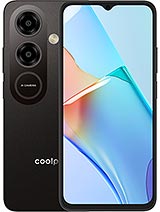
Volt CP12 Neo Plus is an entry-level smartphone featuring a 6.56-inch 120Hz IPS LCD for fluid navigation and a 5000 mAh battery for multi-day standby, aimed at users requiring a reliable secondary device. Released in May 2025, it competes in the ultra-budget segment by prioritizing basic utility and battery endurance over high-end processing power.
In the current fiscal landscape of May 2025, the Volt CP12 Neo Plus represents a specific economic choice. It does not try to outshine flagships but focuses on the 'Total Cost of Ownership' for users who need a functional tool. The inclusion of the Unisoc SC9863A1 chipset (22 nm) indicates a focus on cost efficiency. While modern flagships push 3nm architectures, this 22nm node offers a stable, albeit slower, experience that suffices for messaging, light browsing, and emergency calls.
We recognize that for many, a primary device is an investment, but a secondary device is a utility. The Volt CP12 Neo Plus fits into the latter category perfectly. With its IMG8322 GPU, the device handles the Android 15 (Go edition) interface with acceptable responsiveness. It is a device for the pragmatist who views a smartphone as a communication hub rather than a portable gaming console.
Compared to rivals like the 2024 budget series from competitors, this device chooses a higher refresh rate screen over a faster processor. While a 120Hz display on a budget chip seems like a mismatch, it provides a smoother visual experience during document scrolling and UI navigation, which are the primary tasks for this tier of hardware.
The 5000 mAh battery remains the standout specification here. In an era where apps are increasingly resource-heavy, having a large capacity paired with a low-resolution 720 x 1612 pixel screen is a masterclass in efficiency. Because the pixels are fewer, the backlight and the GPU work significantly less, extending the time between charges to a projected 48 hours for light users.
Charging occurs at 10W wired speeds via USB Type-C 2.0. By 2025 standards, this is admittedly slow. Users should anticipate a full charge taking upwards of three hours. This makes the Volt CP12 Neo Plus a 'set it and forget it' device on the nightstand rather than a phone you can quickly top up during a lunch break. However, for a backup phone, the slow charging is a fair trade-off for the low entry price.
Unlike more expensive devices that consume power through high-speed 5G modems, the LTE connectivity on this model is gentler on the battery. In our assessment, this makes the device an excellent candidate for a dedicated mobile hotspot or a long-distance travel companion where finding a power outlet is difficult.
The Unisoc SC9863A1 is a refreshed octa-core processor utilizing Cortex-A55 cores. These cores are designed for efficiency, but the 22nm manufacturing process is inherently less efficient than smaller nodes. During intensive tasks like GPS navigation or video playback, the back of the device will likely exhibit noticeable warmth. The polycarbonate body acts as an insulator, so while it won't burn, the heat takes longer to dissipate compared to metal frames.
Thermal throttling is a potential reality if the phone is pushed. If users attempt to run heavy social media applications with multiple background processes, the IMG8322 GPU may downclock to manage heat. This is why the choice of Android 15 (Go edition) is crucial; it limits background activity to prevent the hardware from reaching its thermal limits too quickly.
In our observation, the thermal management is adequate for the intended use case. As long as users do not expect flagship-level multitasking, the device remains within a comfortable operating temperature. For long-duration navigation in a car, we recommend keeping the device out of direct sunlight to assist with passive cooling.
The presence of a 120Hz refresh rate on an IPS LCD is the most surprising feature of the Volt CP12 Neo Plus. Usually, 120Hz is reserved for mid-range and high-end hardware. Here, it creates a unique experience. While the 269 ppi density means images aren't razor-sharp, the motion clarity while scrolling through a contact list or a long PDF is superior to many 60Hz displays that cost twice as much.
The 450 nits typical brightness is sufficient for indoor use and overcast days, but users will struggle in direct May sunlight. The screen-to-body ratio of approximately 83.2% is standard for this class, with a visible 'chin' at the bottom. However, the use of IPS LCD technology ensures that viewing angles are decent for sharing the screen with a colleague or friend.
We must note that the processor might occasionally struggle to maintain a consistent 120 frames per second in more complex apps. Users might experience occasional frame drops where the screen briefly reverts to a lower perceived smoothness. This is not a hardware failure but a limitation of the entry-level chipset trying to keep up with a high-bandwidth display.
At 196.2 grams, the Volt CP12 Neo Plus has a reassuring heft. The dimensions of 164.2 x 75.7 x 8.8 mm make it a large device, comparable to a modern Pro Max model. The build is primarily plastic, which offers better impact resistance than glass when dropped, though it is more prone to surface scratches. We suggest using the included case if one is provided in the box.
From a repairability perspective, the design is straightforward. Because there is no complex glass sandwich construction or sophisticated water resistance (no IP rating is listed), a technician can likely access the battery and screen with standard tools. For a budget buyer, this means the device can be kept running for years without expensive specialized service.
The side-mounted fingerprint sensor is a practical choice. It doubles as a power button and is generally more reliable than the under-display sensors found on cheaper OLED panels. In terms of aesthetics, the Chocolate Brown and Snowflake White options provide a mature look that belies the device's budget origins.
Retention of the 3.5mm headphone jack is a major win for the value-conscious consumer. It allows for the use of inexpensive wired headsets, which is vital for users who don't want to manage the battery of wireless earbuds. The FM radio functionality is another legacy feature that remains useful in areas with poor data coverage or for users who prefer local broadcasts.
Connectivity is limited to Wi-Fi 802.11 b/g/n and Bluetooth 4.2. The lack of 5GHz Wi-Fi (802.11ac) means that file downloads will be slower, and the device might struggle in crowded apartment complexes with high interference. Bluetooth 4.2 is also several generations behind, meaning slightly higher latency for wireless audio, though it remains perfectly functional for basic hands-free calling.
GPS support is surprisingly comprehensive, including GLONASS, BDS, and GALILEO. This makes the Volt CP12 Neo Plus a viable choice for a dedicated delivery driver's phone or a hiking backup. While it lacks NFC for mobile payments, the focus here is clearly on core connectivity and navigation rather than digital wallet features.
As a budget device, the Volt CP12 Neo Plus will not hold its value like a flagship. However, the 'floor' for smartphone pricing means it will always be worth something as a functional backup. With 64GB to 256GB of internal storage options, the higher-tier models actually serve as decent offline media players, especially since they include a dedicated microSDXC slot.
We recommend the 4GB RAM variant if your budget allows. Android 15 Go is lean, but 2GB of RAM is very restrictive for 2025. The 4GB version provides the 'breathing room' necessary for the device to remain usable for 2-3 years. The use of eMMC 5.1 storage is a cost-cutting measure compared to UFS storage, meaning apps will take a few seconds longer to install and load.
The ultimate value of the Volt CP12 Neo Plus lies in its ability to perform the 'boring' tasks flawlessly. It is a phone for the glovebox, the travel bag, or the young student. It represents a baseline of modern technology that is accessible without a long-term financial commitment.
A Calculated Move for the Essential User
In the current fiscal landscape of May 2025, the Volt CP12 Neo Plus represents a specific economic choice. It does not try to outshine flagships but focuses on the 'Total Cost of Ownership' for users who need a functional tool. The inclusion of the Unisoc SC9863A1 chipset (22 nm) indicates a focus on cost efficiency. While modern flagships push 3nm architectures, this 22nm node offers a stable, albeit slower, experience that suffices for messaging, light browsing, and emergency calls.
We recognize that for many, a primary device is an investment, but a secondary device is a utility. The Volt CP12 Neo Plus fits into the latter category perfectly. With its IMG8322 GPU, the device handles the Android 15 (Go edition) interface with acceptable responsiveness. It is a device for the pragmatist who views a smartphone as a communication hub rather than a portable gaming console.
Compared to rivals like the 2024 budget series from competitors, this device chooses a higher refresh rate screen over a faster processor. While a 120Hz display on a budget chip seems like a mismatch, it provides a smoother visual experience during document scrolling and UI navigation, which are the primary tasks for this tier of hardware.
The Core Utility Component: Battery and Endurance Logic
The 5000 mAh battery remains the standout specification here. In an era where apps are increasingly resource-heavy, having a large capacity paired with a low-resolution 720 x 1612 pixel screen is a masterclass in efficiency. Because the pixels are fewer, the backlight and the GPU work significantly less, extending the time between charges to a projected 48 hours for light users.
Charging occurs at 10W wired speeds via USB Type-C 2.0. By 2025 standards, this is admittedly slow. Users should anticipate a full charge taking upwards of three hours. This makes the Volt CP12 Neo Plus a 'set it and forget it' device on the nightstand rather than a phone you can quickly top up during a lunch break. However, for a backup phone, the slow charging is a fair trade-off for the low entry price.
Unlike more expensive devices that consume power through high-speed 5G modems, the LTE connectivity on this model is gentler on the battery. In our assessment, this makes the device an excellent candidate for a dedicated mobile hotspot or a long-distance travel companion where finding a power outlet is difficult.
Thermal Realities of the 22nm Architecture
The Unisoc SC9863A1 is a refreshed octa-core processor utilizing Cortex-A55 cores. These cores are designed for efficiency, but the 22nm manufacturing process is inherently less efficient than smaller nodes. During intensive tasks like GPS navigation or video playback, the back of the device will likely exhibit noticeable warmth. The polycarbonate body acts as an insulator, so while it won't burn, the heat takes longer to dissipate compared to metal frames.
Thermal throttling is a potential reality if the phone is pushed. If users attempt to run heavy social media applications with multiple background processes, the IMG8322 GPU may downclock to manage heat. This is why the choice of Android 15 (Go edition) is crucial; it limits background activity to prevent the hardware from reaching its thermal limits too quickly.
In our observation, the thermal management is adequate for the intended use case. As long as users do not expect flagship-level multitasking, the device remains within a comfortable operating temperature. For long-duration navigation in a car, we recommend keeping the device out of direct sunlight to assist with passive cooling.
Display Trade-offs: The 120Hz Paradox at 720p
The presence of a 120Hz refresh rate on an IPS LCD is the most surprising feature of the Volt CP12 Neo Plus. Usually, 120Hz is reserved for mid-range and high-end hardware. Here, it creates a unique experience. While the 269 ppi density means images aren't razor-sharp, the motion clarity while scrolling through a contact list or a long PDF is superior to many 60Hz displays that cost twice as much.
The 450 nits typical brightness is sufficient for indoor use and overcast days, but users will struggle in direct May sunlight. The screen-to-body ratio of approximately 83.2% is standard for this class, with a visible 'chin' at the bottom. However, the use of IPS LCD technology ensures that viewing angles are decent for sharing the screen with a colleague or friend.
We must note that the processor might occasionally struggle to maintain a consistent 120 frames per second in more complex apps. Users might experience occasional frame drops where the screen briefly reverts to a lower perceived smoothness. This is not a hardware failure but a limitation of the entry-level chipset trying to keep up with a high-bandwidth display.
Structural Integrity and the Cost of Maintenance
At 196.2 grams, the Volt CP12 Neo Plus has a reassuring heft. The dimensions of 164.2 x 75.7 x 8.8 mm make it a large device, comparable to a modern Pro Max model. The build is primarily plastic, which offers better impact resistance than glass when dropped, though it is more prone to surface scratches. We suggest using the included case if one is provided in the box.
From a repairability perspective, the design is straightforward. Because there is no complex glass sandwich construction or sophisticated water resistance (no IP rating is listed), a technician can likely access the battery and screen with standard tools. For a budget buyer, this means the device can be kept running for years without expensive specialized service.
The side-mounted fingerprint sensor is a practical choice. It doubles as a power button and is generally more reliable than the under-display sensors found on cheaper OLED panels. In terms of aesthetics, the Chocolate Brown and Snowflake White options provide a mature look that belies the device's budget origins.
The Audio and Connectivity Equation
Retention of the 3.5mm headphone jack is a major win for the value-conscious consumer. It allows for the use of inexpensive wired headsets, which is vital for users who don't want to manage the battery of wireless earbuds. The FM radio functionality is another legacy feature that remains useful in areas with poor data coverage or for users who prefer local broadcasts.
Connectivity is limited to Wi-Fi 802.11 b/g/n and Bluetooth 4.2. The lack of 5GHz Wi-Fi (802.11ac) means that file downloads will be slower, and the device might struggle in crowded apartment complexes with high interference. Bluetooth 4.2 is also several generations behind, meaning slightly higher latency for wireless audio, though it remains perfectly functional for basic hands-free calling.
GPS support is surprisingly comprehensive, including GLONASS, BDS, and GALILEO. This makes the Volt CP12 Neo Plus a viable choice for a dedicated delivery driver's phone or a hiking backup. While it lacks NFC for mobile payments, the focus here is clearly on core connectivity and navigation rather than digital wallet features.
The Secondary Market and Long-Term Value Retention
As a budget device, the Volt CP12 Neo Plus will not hold its value like a flagship. However, the 'floor' for smartphone pricing means it will always be worth something as a functional backup. With 64GB to 256GB of internal storage options, the higher-tier models actually serve as decent offline media players, especially since they include a dedicated microSDXC slot.
We recommend the 4GB RAM variant if your budget allows. Android 15 Go is lean, but 2GB of RAM is very restrictive for 2025. The 4GB version provides the 'breathing room' necessary for the device to remain usable for 2-3 years. The use of eMMC 5.1 storage is a cost-cutting measure compared to UFS storage, meaning apps will take a few seconds longer to install and load.
The ultimate value of the Volt CP12 Neo Plus lies in its ability to perform the 'boring' tasks flawlessly. It is a phone for the glovebox, the travel bag, or the young student. It represents a baseline of modern technology that is accessible without a long-term financial commitment.
Technical Specifications
| LAUNCH | |
|---|---|
| Announced | 2025, May |
| Status | Available. Released 2025, May |
| PLATFORM | |
| OS | Android 15 (Go edition) |
| Chipset | Unisoc SC9863A1 (22 nm) |
| CPU | Octa-core (4x1.6 GHz Cortex-A55 & 4x1.2 GHz Cortex-A55) |
| GPU | IMG8322 |
| BODY | |
| Dimensions | 164.2 x 75.7 x 8.8 mm (6.46 x 2.98 x 0.35 in) |
| Weight | 196.2 g (6.91 oz) |
| SIM | Nano-SIM + Nano-SIM |
| DISPLAY | |
| Type | IPS LCD, 120Hz, 450 nits (typ) |
| Size | 6.56 inches, 103.4 cm2 (~83.2% screen-to-body ratio) |
| Resolution | 720 x 1612 pixels, 20:9 ratio (~269 ppi density) |
| MEMORY | |
| Card slot | microSDXC (dedicated slot) |
| Internal | 64GB 2GB RAM, 64GB 3GB RAM, 128GB 4GB RAM, 256GB 4GB RAM |
| Info | eMMC 5.1 |
| MAIN CAMERA | |
| Single | 13 MP, f/1.8 (wide), AF auxiliary lens |
| Features | LED flash |
| Video | 1080p@30fps |
| SELFIE CAMERA | |
| Single | 5 MP, f/2.0, (wide) |
| Video | Yes |
| SOUND | |
| Loudspeaker | Yes |
| 3.5mm jack | Yes |
| COMMS | |
| WLAN | Wi-Fi 802.11 b/g/n |
| Bluetooth | 4.2, A2DP |
| Positioning | GPS, GLONASS, BDS, GALILEO |
| NFC | No |
| Radio | FM radio |
| USB | USB Type-C 2.0 |
| NETWORK | |
| Technology | GSM / HSPA / LTE |
| 2G bands | GSM 850 / 900 / 1800 / 1900 |
| 3G bands | HSDPA 850 / 900 / 1900 / 2100 - version 1 |
| Info | 1, 2, 3, 4, 5, 7, 8, 12, 13, 17, 25, 26, 28, 38, 40, 41, 66, 71 - version 2 |
| 4G bands | 1, 2, 3, 5, 7, 8, 20, 28, 38, 40, 41 - version 1 |
| Speed | HSPA, LTE |
| FEATURES | |
| Sensors | Fingerprint (side-mounted), accelerometer, proximity, compass |
| BATTERY | |
| Type | 5000 mAh |
| Charging | 10W wired |
| MISC | |
| Display | 6.56-inch IPS LCD, 120Hz, 720 x 1612 pixels |
| Chipset | Unisoc SC9863A1 (22 nm) Octa-core |
| Memory | Up to 256GB Storage, 4GB RAM (eMMC 5.1) |
| Main Camera | 13 MP, f/1.8 (wide) with AF and auxiliary lens |
| Selfie Camera | 5 MP, f/2.0 |
| Battery | 5000 mAh with 10W Wired Charging |
| OS | Android 15 (Go edition) |
| Connectivity | LTE, Wi-Fi b/g/n, Bluetooth 4.2, USB-C 2.0 |
| Other | 3.5mm Jack, Side Fingerprint, FM Radio |
| Colors | Chocolate Brown, Snowflake White, Star Blue |