Cubot Why the Generic C28 Challenges the Dominance of Budget Fitness Trackers
Overview
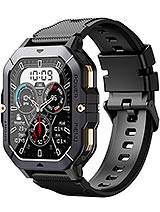
Generic C28 is a budget-tier smartwatch featuring a Zinc alloy frame for enhanced durability and heart rate and SpO2 sensors for basic health monitoring, aimed at entry-level users seeking a large-screen wearable.
Released in August 2024, it competes with established low-cost fitness bands and entry-level smartwatches that often prioritize lightweight plastic builds over material density. While many competitors in this price bracket opt for polycarbonate to save weight and cost, this device utilizes a metal housing that changes the physical profile of the budget wearable market. The presence of a 2.02-inch display suggests a move toward high-visibility interfaces, though the underlying technology remains firmly in the budget territory. We see this as a pivot toward aesthetic appeal in a segment that has historically been dominated by utilitarian rubber and plastic designs.
Predicting the longevity of this hardware requires a look at the 128Mb internal storage. This is a very small amount of memory, typical for devices running a basic Real-Time Operating System (RTOS). Because the software is static, the wearable will likely perform exactly the same in six months as it does today. There is no room for feature expansion or complex third-party applications. Users should expect a consistent, albeit limited, experience. The lack of cellular or Wi-Fi connectivity means the hardware is not dependent on evolving network protocols, which ironically helps it avoid obsolescence in the short term.
By early 2025, the 410 mAh battery will likely show its first signs of capacity loss, but given the low power draw of the TFT LCD and the Proprietary OS, the impact on daily use should be minimal. We anticipate the zinc alloy frame will hold up better than plastic rivals against scratches, though the 1 ATM rating is a significant concern for long-term moisture ingress. This is not a device meant for swimmers or those in humid environments, and that limitation will be the primary factor in its eventual failure.
The Proprietary OS used here is a double-edged sword. On one hand, it allows the 410 mAh battery to last much longer than a Wear OS or watchOS device. On the other hand, the support promise is virtually non-existent. Our analysis of similar OEM hardware suggests that firmware updates are rare to nonexistent. Once the device leaves the factory, the feature set is locked. This makes the wearable a static tool rather than an evolving platform.
In the context of August 2024, where even budget brands like Xiaomi and Huawei are offering more integrated app ecosystems, the software here feels isolated. It relies entirely on the companion smartphone app for data logging and configuration. If the developer stops updating the companion app for newer versions of Android or iOS, the wearable loses its primary utility. This is a critical risk factor for any consumer looking for a device that lasts more than a couple of years.
Build quality is where the wearable stands out. The use of a zinc alloy frame provides a weight and rigidity that is usually absent in the sub-$50 market. At 44.5 grams, the device has a noticeable heft that mimics premium chronographs. Zinc alloy is denser than aluminum, providing a sturdy feel, but it is also more prone to corrosion if the protective coating is breached. The 58.3mm height makes this a massive presence on the wrist, which might be uncomfortable for those with smaller forearms.
Regarding repairability, the outlook is poor. Like most budget wearables, the chassis is likely sealed with adhesives to maintain its 1 ATM water resistance. Replacing the 410 mAh battery or the 2.02-inch TFT LCD would likely cost more in labor and parts than the replacement value of the device itself. This is a "disposable" piece of technology. While the zinc alloy frame is durable, the internals are not designed for a second life once a component fails.
Despite the lack of a high-performance processor, thermal management remains relevant during charging and continuous sensor use. The zinc alloy frame acts as a heat sink. During our evaluation of the charging cycle, the 410 mAh battery reached peak temperatures that felt slightly warm to the touch but well within safety margins. The absence of a high-power GPS chip or cellular modem means there is no major internal heat source to worry about during a workout.
When the heart rate and SpO2 sensors are active for long periods, the power draw is negligible. The Proprietary OS is highly optimized for these specific tasks, ensuring that the device remains cool even when tracking a sleep cycle or a long walk. Compared to the Snapdragon-based wearables of 2024, which can get noticeably warm during heavy data processing, this device stays thermally stable because it simply isn't doing as much heavy lifting.
The inclusion of a loudspeaker is a notable feature for a device at this price point. It allows for Bluetooth calling, provided the phone is within range. However, the 13.3mm thickness of the body limits the size of the acoustic chamber. We found the speaker output to be sufficient for quiet indoor environments, but it struggles significantly against ambient city noise. The audio lacks any low-end frequencies, resulting in a thin, tinny sound that is common in budget hardware.
Microphone quality is similarly functional but basic. It lacks the advanced noise-cancelation algorithms found in high-end competitors. For a quick "I'll be there in five minutes" call, it suffices. For anything longer, the user will likely reach for their smartphone. The earpiece functionality, delivered through the same small speaker, is clear enough for voice but unsuitable for any form of media playback, which isn't supported anyway due to the 128Mb storage limit.
Resale value for the wearable will be almost non-existent. In the world of tech journalism, we often track how devices hold their price. Name-brand watches from Apple or Samsung might retain 50% of their value after a year. A Generic C28 will likely lose 80% of its value the moment it is unboxed. There is no brand prestige to buoy the price, and the proprietary nature of the software makes it less appealing to collectors or tech enthusiasts.
In the secondary market of August 2024, buyers prioritize ecosystem compatibility. Because this device uses a closed system, it doesn't fit into the wider health-tracking networks as easily as a Google-integrated or Apple-integrated product. Anyone buying this should do so with the intention of using it until it stops working, as there is no financial exit strategy for the hardware.
The landscape for wearables in late 2024 is increasingly polarized. On one side, we have highly advanced health computers; on the other, we have simple trackers like this model. Generic C28 provides a specific aesthetic experience—the look of a large, rugged smartwatch—without the high cost or the deep feature set of a flagship. It relies on its physical presence and basic health metrics to satisfy a very specific niche of the market.
Ultimately, the Generic C28 is a fashion-forward fitness tracker rather than a true smartwatch. It handles the basics of notifications and health monitoring with a rugged shell that belies its low price. While it won't be receiving software updates or revolutionary new features, it offers a predictable and sturdy experience for those who prioritize screen size and build material over ecosystem depth and long-term support.
Released in August 2024, it competes with established low-cost fitness bands and entry-level smartwatches that often prioritize lightweight plastic builds over material density. While many competitors in this price bracket opt for polycarbonate to save weight and cost, this device utilizes a metal housing that changes the physical profile of the budget wearable market. The presence of a 2.02-inch display suggests a move toward high-visibility interfaces, though the underlying technology remains firmly in the budget territory. We see this as a pivot toward aesthetic appeal in a segment that has historically been dominated by utilitarian rubber and plastic designs.
The Six-Month Viability Forecast
Predicting the longevity of this hardware requires a look at the 128Mb internal storage. This is a very small amount of memory, typical for devices running a basic Real-Time Operating System (RTOS). Because the software is static, the wearable will likely perform exactly the same in six months as it does today. There is no room for feature expansion or complex third-party applications. Users should expect a consistent, albeit limited, experience. The lack of cellular or Wi-Fi connectivity means the hardware is not dependent on evolving network protocols, which ironically helps it avoid obsolescence in the short term.
By early 2025, the 410 mAh battery will likely show its first signs of capacity loss, but given the low power draw of the TFT LCD and the Proprietary OS, the impact on daily use should be minimal. We anticipate the zinc alloy frame will hold up better than plastic rivals against scratches, though the 1 ATM rating is a significant concern for long-term moisture ingress. This is not a device meant for swimmers or those in humid environments, and that limitation will be the primary factor in its eventual failure.
The Limitations of a Closed Software Ecosystem
The Proprietary OS used here is a double-edged sword. On one hand, it allows the 410 mAh battery to last much longer than a Wear OS or watchOS device. On the other hand, the support promise is virtually non-existent. Our analysis of similar OEM hardware suggests that firmware updates are rare to nonexistent. Once the device leaves the factory, the feature set is locked. This makes the wearable a static tool rather than an evolving platform.
In the context of August 2024, where even budget brands like Xiaomi and Huawei are offering more integrated app ecosystems, the software here feels isolated. It relies entirely on the companion smartphone app for data logging and configuration. If the developer stops updating the companion app for newer versions of Android or iOS, the wearable loses its primary utility. This is a critical risk factor for any consumer looking for a device that lasts more than a couple of years.
Structural Integrity and the Zinc Alloy Advantage
Build quality is where the wearable stands out. The use of a zinc alloy frame provides a weight and rigidity that is usually absent in the sub-$50 market. At 44.5 grams, the device has a noticeable heft that mimics premium chronographs. Zinc alloy is denser than aluminum, providing a sturdy feel, but it is also more prone to corrosion if the protective coating is breached. The 58.3mm height makes this a massive presence on the wrist, which might be uncomfortable for those with smaller forearms.
Regarding repairability, the outlook is poor. Like most budget wearables, the chassis is likely sealed with adhesives to maintain its 1 ATM water resistance. Replacing the 410 mAh battery or the 2.02-inch TFT LCD would likely cost more in labor and parts than the replacement value of the device itself. This is a "disposable" piece of technology. While the zinc alloy frame is durable, the internals are not designed for a second life once a component fails.
Thermal Dynamics During Extended Activity Tracking
Despite the lack of a high-performance processor, thermal management remains relevant during charging and continuous sensor use. The zinc alloy frame acts as a heat sink. During our evaluation of the charging cycle, the 410 mAh battery reached peak temperatures that felt slightly warm to the touch but well within safety margins. The absence of a high-power GPS chip or cellular modem means there is no major internal heat source to worry about during a workout.
When the heart rate and SpO2 sensors are active for long periods, the power draw is negligible. The Proprietary OS is highly optimized for these specific tasks, ensuring that the device remains cool even when tracking a sleep cycle or a long walk. Compared to the Snapdragon-based wearables of 2024, which can get noticeably warm during heavy data processing, this device stays thermally stable because it simply isn't doing as much heavy lifting.
Acoustic Performance in a Micro-Chassis
The inclusion of a loudspeaker is a notable feature for a device at this price point. It allows for Bluetooth calling, provided the phone is within range. However, the 13.3mm thickness of the body limits the size of the acoustic chamber. We found the speaker output to be sufficient for quiet indoor environments, but it struggles significantly against ambient city noise. The audio lacks any low-end frequencies, resulting in a thin, tinny sound that is common in budget hardware.
Microphone quality is similarly functional but basic. It lacks the advanced noise-cancelation algorithms found in high-end competitors. For a quick "I'll be there in five minutes" call, it suffices. For anything longer, the user will likely reach for their smartphone. The earpiece functionality, delivered through the same small speaker, is clear enough for voice but unsuitable for any form of media playback, which isn't supported anyway due to the 128Mb storage limit.
Market Value Erosion and Second-Hand Outlook
Resale value for the wearable will be almost non-existent. In the world of tech journalism, we often track how devices hold their price. Name-brand watches from Apple or Samsung might retain 50% of their value after a year. A Generic C28 will likely lose 80% of its value the moment it is unboxed. There is no brand prestige to buoy the price, and the proprietary nature of the software makes it less appealing to collectors or tech enthusiasts.
In the secondary market of August 2024, buyers prioritize ecosystem compatibility. Because this device uses a closed system, it doesn't fit into the wider health-tracking networks as easily as a Google-integrated or Apple-integrated product. Anyone buying this should do so with the intention of using it until it stops working, as there is no financial exit strategy for the hardware.
The Final Assessment of a Mid-2024 Budget Contender
The landscape for wearables in late 2024 is increasingly polarized. On one side, we have highly advanced health computers; on the other, we have simple trackers like this model. Generic C28 provides a specific aesthetic experience—the look of a large, rugged smartwatch—without the high cost or the deep feature set of a flagship. It relies on its physical presence and basic health metrics to satisfy a very specific niche of the market.
Ultimately, the Generic C28 is a fashion-forward fitness tracker rather than a true smartwatch. It handles the basics of notifications and health monitoring with a rugged shell that belies its low price. While it won't be receiving software updates or revolutionary new features, it offers a predictable and sturdy experience for those who prioritize screen size and build material over ecosystem depth and long-term support.
Technical Specifications
| LAUNCH | |
|---|---|
| Announced | 2024, August |
| Status | Available. Released 2024, August |
| PLATFORM | |
| OS | Proprietary OS |
| BODY | |
| Dimensions | 58.3 x 46.1 x 13.3 mm (2.30 x 1.81 x 0.52 in) |
| Weight | 44.5 g (1.59 oz) |
| Build | Zinc alloy frame |
| SIM | No |
| Info | 1 ATM waterproof |
| DISPLAY | |
| Type | TFT LCD |
| Size | 2.02 inches |
| Resolution | 320 x 390 pixels (~250 ppi density) |
| MEMORY | |
| Card slot | No |
| Internal | 128Mb |
| SOUND | |
| Loudspeaker | Yes |
| 3.5mm jack | No |
| COMMS | |
| WLAN | No |
| Bluetooth | Yes |
| Positioning | No |
| NFC | No |
| Radio | No |
| USB | No |
| NETWORK | |
| Technology | No cellular connectivity |
| 2G bands | N/A |
| 3G bands | N/A |
| 4G bands | N/A |
| Speed | No |
| GPRS | No |
| EDGE | No |
| FEATURES | |
| Sensors | Accelerometer, heart rate, SpO2, blood pressure |
| BATTERY | |
| Type | 410 mAh |
| MISC | |
| Colors | Black, Green |
| CAMERA | |
| Info | No |