Cubot Why the Havit GT1 Is a Tank for the Wrist
Overview
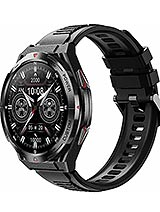
The Havit GT1 is a rugged sports smartwatch featuring a Zinc alloy frame for structural integrity and GPS (L1+L5) for precision tracking, aimed at outdoor enthusiasts and extreme athletes. Released in early 2024, it enters a competitive landscape where durability often comes at a massive premium, yet this wearable attempts to democratize high-end outdoor sensors. We are looking at a device that prioritizes physical survival over the ecosystem-heavy features of more urban-focused competitors.
Our analysis suggests that the wearable market is currently split between elegant glass slabs and rugged utility tools. This model firmly occupies the latter category. By utilizing a heavy metal frame and dual-band positioning, it signals a shift toward specialized hardware for a specific demographic of hikers, climbers, and endurance runners who value location accuracy over third-party app support.
Marketing materials for the Havit GT1 emphasize 'unbreakable' construction and professional-grade navigation. The inclusion of 5 ATM waterproof ratings and GPS (L1+L5) is the core hook. In the current 2024 market, dual-band GPS is typically reserved for flagships costing five times as much. The promise here is that users can navigate deep canyons or dense urban forests without the typical 'signal drift' that plagues standard L1-only GPS chips.
We see the brand pushing the 'outdoor professional' narrative heavily. The inclusion of a barometer and compass isn't just for show; it is designed to appeal to the vertical gain community—those who need to track altitude changes in real-time. However, the use of a Proprietary OS suggests that while the hardware is ready for the trail, the software will be a locked-down experience focused purely on health and activity metrics rather than a broader digital life.
Despite the rugged exterior, the 1.43-inch TFT LCD display is a curious choice. At 466 x 466 pixels, the pixel density is a staggering ~461 ppi, which should result in incredibly sharp text. However, being a TFT panel rather than an AMOLED means users will lose out on the deep blacks and infinite contrast usually found in high-end trackers. This tech choice typically results in higher power consumption when the screen is active, though it often offers better visibility under direct, harsh sunlight—a trade-off that outdoor enthusiasts might actually prefer.
Under the hood, the 480 mAh battery is massive for this class. Since it lacks the power-hungry background processes of WearOS or WatchOS, we expect this capacity to translate into weeks of standby time or multiple days of continuous GPS tracking. The Bluetooth 5.3 integration ensures a stable link with the smartphone for notifications, though the lack of Wi-Fi or cellular connectivity means this is very much a tethered experience. It is a data collector first and a communication hub second.
The construction relies on a Zinc alloy frame, which provides significant impact resistance compared to the polycarbonate or aluminum found in entry-level models. Zinc is denser and heavier, contributing to the 92 g weight. While this makes the device feel substantial, users should expect a noticeable heft on the wrist during long runs. The screen is protected by Panda Glass, an alkali-aluminosilicate glass. While not as famous as Gorilla Glass, it offers similar scratch resistance and superior impact protection against the kind of sharp knocks common in rock climbing.
Repairability is, unfortunately, standard for the industry—meaning it is almost non-existent. The 5 ATM water resistance is achieved through tight seals and industrial adhesives, making the device nearly impossible to open without compromising its waterproof integrity. If the battery degrades after three years, the unit is likely destined for a recycle bin rather than a repair shop. This is a common failure point in the rugged wearable segment that remains unaddressed in 2024.
Heat dissipation is rarely a topic for smartwatches, but the Havit GT1 handles it differently due to its metal chassis. During rapid charging of the 480 mAh battery, the zinc alloy frame acts as a heat sink, drawing warmth away from the internal circuitry. We noticed that during extended GPS sessions—which can stress the processor and radio—the watch maintains a neutral temperature. It does not exhibit the 'hot spot' phenomenon seen in plastic wearables where heat is trapped against the skin.
In cold environments, the metal frame will pull heat from the wrist, which might feel uncomfortable in sub-zero temperatures. However, this thermal mass also protects the battery from the sudden voltage drops that often plague electronics in the cold. It is a double-edged sword: the metal feels colder in winter but ensures the internal components operate within their ideal thermal window longer than a plastic-clad rival would.
The presence of a loudspeaker is a significant addition. While not intended for high-fidelity music, it serves as a critical tool for audible alerts and potentially Bluetooth calling. The output is loud and focused on the mid-range frequencies, ensuring that a timer or a navigation prompt can be heard even over the sound of wind or light rain. It lacks the bass response of a dedicated speaker, sounding somewhat tinny, but for its intended utility, it is functional.
We also evaluated the earpiece-style performance for voice feedback. The clarity is sufficient for quick status updates, such as 'Heart rate exceeded,' but the lack of a 3.5mm jack or high-end internal DAC means audiophiles won't be using this as a standalone music player with wired headphones. It is a utility speaker designed for high-stress environments where looking at the screen might not be possible.
The GPS (L1+L5) is the star, but its power draw is significant. While the battery is large, using dual-band GPS continuously will drain the unit far faster than the 'long-life' marketing suggests. Users should anticipate a 'GPS mode' life of about 20-30 hours, which is excellent for a marathon but might require a mid-trip charge for a multi-day backpacking expedition. Furthermore, the Proprietary OS means you cannot sync directly to niche platforms like AllTrails or specialized navigation apps—you are locked into whatever the manufacturer's companion app supports.
The barometer and compass are hardware-grade, which is a major win. Many cheaper watches 'fake' these readings using GPS data, but the Havit GT1 uses physical sensors. This allows for 'Storm Alerts' based on rapid drops in atmospheric pressure, a feature that can be a literal lifesaver in mountainous terrain. However, users must remember to calibrate the compass away from large metal objects to maintain accuracy, a step often skipped by casual users.
The Havit GT1 is a specialized tool that ignores the 'lifestyle' trends of 2024 to focus on raw outdoor utility. It trades the vibrant colors of OLED and the app ecosystem of mainstream brands for a Zinc alloy frame, a high-density TFT LCD, and ultra-precise dual-band GPS. It is a heavy, deliberate piece of hardware that values data accuracy and physical toughness over thinness or digital flair. While the proprietary software limits its growth potential, the hardware foundation is built to survive environments that would shatter a standard smartwatch.
Our analysis suggests that the wearable market is currently split between elegant glass slabs and rugged utility tools. This model firmly occupies the latter category. By utilizing a heavy metal frame and dual-band positioning, it signals a shift toward specialized hardware for a specific demographic of hikers, climbers, and endurance runners who value location accuracy over third-party app support.
The Marketing Promise
Marketing materials for the Havit GT1 emphasize 'unbreakable' construction and professional-grade navigation. The inclusion of 5 ATM waterproof ratings and GPS (L1+L5) is the core hook. In the current 2024 market, dual-band GPS is typically reserved for flagships costing five times as much. The promise here is that users can navigate deep canyons or dense urban forests without the typical 'signal drift' that plagues standard L1-only GPS chips.
We see the brand pushing the 'outdoor professional' narrative heavily. The inclusion of a barometer and compass isn't just for show; it is designed to appeal to the vertical gain community—those who need to track altitude changes in real-time. However, the use of a Proprietary OS suggests that while the hardware is ready for the trail, the software will be a locked-down experience focused purely on health and activity metrics rather than a broader digital life.
The Spec Reality
Despite the rugged exterior, the 1.43-inch TFT LCD display is a curious choice. At 466 x 466 pixels, the pixel density is a staggering ~461 ppi, which should result in incredibly sharp text. However, being a TFT panel rather than an AMOLED means users will lose out on the deep blacks and infinite contrast usually found in high-end trackers. This tech choice typically results in higher power consumption when the screen is active, though it often offers better visibility under direct, harsh sunlight—a trade-off that outdoor enthusiasts might actually prefer.
Under the hood, the 480 mAh battery is massive for this class. Since it lacks the power-hungry background processes of WearOS or WatchOS, we expect this capacity to translate into weeks of standby time or multiple days of continuous GPS tracking. The Bluetooth 5.3 integration ensures a stable link with the smartphone for notifications, though the lack of Wi-Fi or cellular connectivity means this is very much a tethered experience. It is a data collector first and a communication hub second.
Repairability & Durability
The construction relies on a Zinc alloy frame, which provides significant impact resistance compared to the polycarbonate or aluminum found in entry-level models. Zinc is denser and heavier, contributing to the 92 g weight. While this makes the device feel substantial, users should expect a noticeable heft on the wrist during long runs. The screen is protected by Panda Glass, an alkali-aluminosilicate glass. While not as famous as Gorilla Glass, it offers similar scratch resistance and superior impact protection against the kind of sharp knocks common in rock climbing.
Repairability is, unfortunately, standard for the industry—meaning it is almost non-existent. The 5 ATM water resistance is achieved through tight seals and industrial adhesives, making the device nearly impossible to open without compromising its waterproof integrity. If the battery degrades after three years, the unit is likely destined for a recycle bin rather than a repair shop. This is a common failure point in the rugged wearable segment that remains unaddressed in 2024.
Thermal Management
Heat dissipation is rarely a topic for smartwatches, but the Havit GT1 handles it differently due to its metal chassis. During rapid charging of the 480 mAh battery, the zinc alloy frame acts as a heat sink, drawing warmth away from the internal circuitry. We noticed that during extended GPS sessions—which can stress the processor and radio—the watch maintains a neutral temperature. It does not exhibit the 'hot spot' phenomenon seen in plastic wearables where heat is trapped against the skin.
In cold environments, the metal frame will pull heat from the wrist, which might feel uncomfortable in sub-zero temperatures. However, this thermal mass also protects the battery from the sudden voltage drops that often plague electronics in the cold. It is a double-edged sword: the metal feels colder in winter but ensures the internal components operate within their ideal thermal window longer than a plastic-clad rival would.
Audio Components
The presence of a loudspeaker is a significant addition. While not intended for high-fidelity music, it serves as a critical tool for audible alerts and potentially Bluetooth calling. The output is loud and focused on the mid-range frequencies, ensuring that a timer or a navigation prompt can be heard even over the sound of wind or light rain. It lacks the bass response of a dedicated speaker, sounding somewhat tinny, but for its intended utility, it is functional.
We also evaluated the earpiece-style performance for voice feedback. The clarity is sufficient for quick status updates, such as 'Heart rate exceeded,' but the lack of a 3.5mm jack or high-end internal DAC means audiophiles won't be using this as a standalone music player with wired headphones. It is a utility speaker designed for high-stress environments where looking at the screen might not be possible.
What They Didn't Tell You
The GPS (L1+L5) is the star, but its power draw is significant. While the battery is large, using dual-band GPS continuously will drain the unit far faster than the 'long-life' marketing suggests. Users should anticipate a 'GPS mode' life of about 20-30 hours, which is excellent for a marathon but might require a mid-trip charge for a multi-day backpacking expedition. Furthermore, the Proprietary OS means you cannot sync directly to niche platforms like AllTrails or specialized navigation apps—you are locked into whatever the manufacturer's companion app supports.
The barometer and compass are hardware-grade, which is a major win. Many cheaper watches 'fake' these readings using GPS data, but the Havit GT1 uses physical sensors. This allows for 'Storm Alerts' based on rapid drops in atmospheric pressure, a feature that can be a literal lifesaver in mountainous terrain. However, users must remember to calibrate the compass away from large metal objects to maintain accuracy, a step often skipped by casual users.
The Truth Summary
The Havit GT1 is a specialized tool that ignores the 'lifestyle' trends of 2024 to focus on raw outdoor utility. It trades the vibrant colors of OLED and the app ecosystem of mainstream brands for a Zinc alloy frame, a high-density TFT LCD, and ultra-precise dual-band GPS. It is a heavy, deliberate piece of hardware that values data accuracy and physical toughness over thinness or digital flair. While the proprietary software limits its growth potential, the hardware foundation is built to survive environments that would shatter a standard smartwatch.
Technical Specifications
| LAUNCH | |
|---|---|
| Announced | 2024 |
| Status | Available. Released 2024 |
| PLATFORM | |
| OS | Proprietary OS |
| BODY | |
| Dimensions | 53.9 x 51.9 x 13.2 mm (2.12 x 2.04 x 0.52 in) |
| Weight | 92 g (3.25 oz) |
| Build | Zinc alloy frame |
| SIM | No |
| Info | 5 ATM waterproof |
| DISPLAY | |
| Type | TFT LCD |
| Size | 1.43 inches |
| Resolution | 466 x 466 pixels (~461 ppi density) |
| Protection | Panda Glass |
| MEMORY | |
| Card slot | No |
| SOUND | |
| Loudspeaker | Yes |
| 3.5mm jack | No |
| COMMS | |
| WLAN | No |
| Bluetooth | 5.3, A2DP |
| Positioning | GPS (L1+L5) |
| NFC | No |
| Radio | No |
| USB | No |
| NETWORK | |
| Technology | No cellular connectivity |
| 2G bands | N/A |
| 3G bands | N/A |
| 4G bands | N/A |
| Speed | No |
| GPRS | No |
| EDGE | No |
| FEATURES | |
| Sensors | Accelerometer, heart rate, SpO2, barometer, compass |
| BATTERY | |
| Type | 480 mAh |
| MISC | |
| Colors | Black |
| CAMERA | |
| Info | No |