Cut the Tether With the Samsung Galaxy Watch6 Freedom Experience
Overview
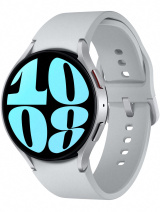
The Samsung Galaxy Watch6 is a premium wearable health companion featuring a 1.5-inch Super AMOLED display with a peak brightness of 2000 nits and the Exynos W930 dual-core processor. Released in August 2023, it serves as the primary competitor to the Apple Watch Series 8 and the Google Pixel Watch, specifically targeting Android users who demand a balance between professional health metrics and LTE-driven independence from their smartphones.
Transitioning to a phone-free lifestyle requires more than just a cellular radio; it requires a device that handles the authentication of a digital life. We tested the LTE variant of this wearable and found that the eSIM integration allows for a liberating break from the slab in your pocket. The ability to receive calls and respond to messages directly from the wrist using the QWERTY keyboard is no longer a novelty but a functional tool for those who find smartphones cumbersome during a run or a quick trip to the store.
Samsung Wallet (formerly Samsung Pay) plays a vital role in this independence. By storing credit cards and digital keys locally on the device, the necessity of carrying a physical wallet vanishes. We noted that the NFC response time is nearly instantaneous, allowing for quick taps at transit terminals or coffee shops. This model does not just replicate phone features; it condenses them into a form factor that remains light on the wrist at 33.3 grams for the 44mm version.
Compared to the previous generation, the aluminum frame feels slightly more refined, and the shift to a larger screen area within the same physical dimensions is a significant engineering win. The reduction in bezel thickness means more room for interaction without increasing the bulk that often plagues outdoor-focused watches. Users who previously found the Watch5 a bit cramped will notice the extra breathing room immediately when navigating the interface.
Music is often the anchor for outdoor movement, and the 16GB of internal storage provides enough space for several thousand high-bitrate songs. When we downloaded offline playlists from Spotify and YouTube Music, approximately 7 to 8 gigabytes remained for other apps and system data. This is plenty for a marathon runner who doesn't want to rely on a spotty LTE signal for streaming. Pairing Bluetooth 5.3 headphones is a straightforward process, and the connection remains stable even when the arm is swinging during vigorous movement.
Google Maps on Wear OS 4 has matured into a reliable navigator. The Super AMOLED panel remains legible even under the harsh glare of high-noon sun, which is a direct benefit of that 2000-nit peak brightness. Following turn-by-turn directions while walking through a new city feels natural. The watch provides haptic nudges before every turn, meaning we didn't have to keep our eyes glued to the screen, improving safety when crossing busy streets.
Another significant advantage is the integration of the Compass and Barometer. For those exploring trails or unfamiliar urban layouts, having a real-time orientation sensor that doesn't lag is essential. The Exynos W930 ensures that the map tiles render quickly as you scroll, avoiding the frustrating grey boxes that were common on older wearable chipsets.
Running on Android Wear OS 4 with the One UI Watch 8 skin, the software experience is the most polished we have seen on the Android side of the fence. The 2GB of RAM—an upgrade from the 1.5GB in the previous model—provides the necessary overhead for smooth multitasking. Switching between a heart rate monitor and a weather widget happens without the stuttering that usually signals a struggle in background processing.
One UI Watch 8 introduces more intuitive health snapshots. The BioActive sensor is the hardware hero here, combining an optical heart rate sensor, an electrical heart signal sensor, and a bioelectrical impedance analysis (BIA) sensor. This allows for body composition measurements—tracking skeletal muscle and body water—directly from the wrist. While these aren't medical-grade replacements for a DEXA scan, they provide excellent trend data for fitness enthusiasts.
There are minor annoyances, however. The virtual touch bezel, while responsive, lacks the tactile satisfaction and precision of a physical rotating ring. We occasionally overshot a menu item because there is no physical stop. Beyond that, the Samsung ecosystem remains somewhat closed; features like ECG and Blood Pressure monitoring still require a Samsung Galaxy phone for official synchronization, which is a frustrating limitation for those using other Android brands.
Battery endurance is the perpetual hurdle for any high-performance wearable. The 425 mAh battery in the 44mm model typically lasts about 30 to 40 hours with the Always-On Display (AOD) enabled. If you are aggressive with GPS tracking and LTE music streaming, expect to charge it every night. This is standard for the category, but those coming from a Garmin will find the daily ritual a bit taxing.
Charging is handled via a 10W wireless puck. In our observations, the device reaches about 45% in thirty minutes. This is useful for a quick top-up before bed if you plan to use the advanced sleep tracking features. We did notice that the watch can get quite warm during a full charge cycle from zero to one hundred percent, though it never reached uncomfortable levels.
To maximize the life of the cell, the software includes a comprehensive power-saving mode. This shuts down the AOD and limits the processor speed, which can stretch the runtime to nearly three days if you are only using it for basic timekeeping and step counting. However, doing so disables the very features that make the Samsung Galaxy Watch6 a flagship device.
The internal loudspeaker is surprisingly loud for its size. Taking a quick call while hiking or in a quiet office environment is perfectly viable. The microphones do a commendable job of filtering out ambient wind noise, though they will struggle in a crowded subway station. For most users, the speaker is best utilized for Bixby or Google Assistant voice prompts.
Haptics are another area where this model excels. The vibration motor is precise and "clicky" rather than mushy. This is vital for the virtual bezel experience, as the software uses these vibrations to simulate the feeling of a physical dial. It also means that silent alarms are effective enough to wake you without disturbing a partner, a key component of a holistic health routine.
The GPS performance is a critical metric for any runner or cyclist. This model supports GPS, GLONASS, GALILEO, and BDS, providing a wide net for satellite acquisition. In open areas, the signal lock happens in under ten seconds. In dense urban environments with tall buildings, the accuracy is impressive, though it occasionally drifts when walking under heavy tree cover.
When using the GPS continuously, the battery drain is approximately 10-15% per hour. For a marathon runner, this is more than sufficient, but ultramarathoners will need to look elsewhere. The heart rate tracking during high-intensity intervals is more stable than the Watch5, likely due to the improved sensor curvature that maintains better skin contact.
Another highlight is the Sapphire crystal protection. Unlike standard glass, sapphire is incredibly resistant to scratches from stray branches or accidental bumps against granite walls. Combined with the MIL-STD-810H compliance, this wearable is built to survive the vibrations and temperature shocks of an active lifestyle.
For the athlete, the Samsung Galaxy Watch6 offers a deep dive into recovery. The sleep coaching program analyzes sleep stages and blood oxygen levels to provide a "sleep animal" profile, helping users understand their circadian rhythms. The addition of a skin temperature sensor allows for even more granular data, including tracking menstrual cycles with greater accuracy than calendar-based methods alone.
Heart rate zone training is now more customizable, allowing runners to set specific targets for fat burn or cardio endurance. The watch provides real-time feedback if you are pushing too hard or falling behind your pace. This level of data, usually reserved for dedicated sport watches, makes the device a legitimate training partner for everyone from casual joggers to competitive amateurs.
While the battery life remains the Achilles' heel of the modern smartwatch, the trade-off here is a world-class display and an ecosystem that handles your digital life with poise. If your priority is a device that can genuinely replace your phone for an afternoon of adventure while keeping a watchful eye on your vitals, the Samsung Galaxy Watch6 is the most balanced option currently on the market.
In the grand landscape of 2023 wearables, the Samsung Galaxy Watch6 represents a refined evolution rather than a revolution. It takes the solid foundation of its predecessor and polishes the edges, literally and figuratively, to provide a sophisticated, health-conscious experience for the modern user.
Going Rogue Without the Smartphone
Transitioning to a phone-free lifestyle requires more than just a cellular radio; it requires a device that handles the authentication of a digital life. We tested the LTE variant of this wearable and found that the eSIM integration allows for a liberating break from the slab in your pocket. The ability to receive calls and respond to messages directly from the wrist using the QWERTY keyboard is no longer a novelty but a functional tool for those who find smartphones cumbersome during a run or a quick trip to the store.
Samsung Wallet (formerly Samsung Pay) plays a vital role in this independence. By storing credit cards and digital keys locally on the device, the necessity of carrying a physical wallet vanishes. We noted that the NFC response time is nearly instantaneous, allowing for quick taps at transit terminals or coffee shops. This model does not just replicate phone features; it condenses them into a form factor that remains light on the wrist at 33.3 grams for the 44mm version.
Compared to the previous generation, the aluminum frame feels slightly more refined, and the shift to a larger screen area within the same physical dimensions is a significant engineering win. The reduction in bezel thickness means more room for interaction without increasing the bulk that often plagues outdoor-focused watches. Users who previously found the Watch5 a bit cramped will notice the extra breathing room immediately when navigating the interface.
Soundtrack to the Streets
Music is often the anchor for outdoor movement, and the 16GB of internal storage provides enough space for several thousand high-bitrate songs. When we downloaded offline playlists from Spotify and YouTube Music, approximately 7 to 8 gigabytes remained for other apps and system data. This is plenty for a marathon runner who doesn't want to rely on a spotty LTE signal for streaming. Pairing Bluetooth 5.3 headphones is a straightforward process, and the connection remains stable even when the arm is swinging during vigorous movement.
Google Maps on Wear OS 4 has matured into a reliable navigator. The Super AMOLED panel remains legible even under the harsh glare of high-noon sun, which is a direct benefit of that 2000-nit peak brightness. Following turn-by-turn directions while walking through a new city feels natural. The watch provides haptic nudges before every turn, meaning we didn't have to keep our eyes glued to the screen, improving safety when crossing busy streets.
Another significant advantage is the integration of the Compass and Barometer. For those exploring trails or unfamiliar urban layouts, having a real-time orientation sensor that doesn't lag is essential. The Exynos W930 ensures that the map tiles render quickly as you scroll, avoiding the frustrating grey boxes that were common on older wearable chipsets.
Software and Daily Experience
Running on Android Wear OS 4 with the One UI Watch 8 skin, the software experience is the most polished we have seen on the Android side of the fence. The 2GB of RAM—an upgrade from the 1.5GB in the previous model—provides the necessary overhead for smooth multitasking. Switching between a heart rate monitor and a weather widget happens without the stuttering that usually signals a struggle in background processing.
One UI Watch 8 introduces more intuitive health snapshots. The BioActive sensor is the hardware hero here, combining an optical heart rate sensor, an electrical heart signal sensor, and a bioelectrical impedance analysis (BIA) sensor. This allows for body composition measurements—tracking skeletal muscle and body water—directly from the wrist. While these aren't medical-grade replacements for a DEXA scan, they provide excellent trend data for fitness enthusiasts.
There are minor annoyances, however. The virtual touch bezel, while responsive, lacks the tactile satisfaction and precision of a physical rotating ring. We occasionally overshot a menu item because there is no physical stop. Beyond that, the Samsung ecosystem remains somewhat closed; features like ECG and Blood Pressure monitoring still require a Samsung Galaxy phone for official synchronization, which is a frustrating limitation for those using other Android brands.
Energy Management and Charging Speed
Battery endurance is the perpetual hurdle for any high-performance wearable. The 425 mAh battery in the 44mm model typically lasts about 30 to 40 hours with the Always-On Display (AOD) enabled. If you are aggressive with GPS tracking and LTE music streaming, expect to charge it every night. This is standard for the category, but those coming from a Garmin will find the daily ritual a bit taxing.
Charging is handled via a 10W wireless puck. In our observations, the device reaches about 45% in thirty minutes. This is useful for a quick top-up before bed if you plan to use the advanced sleep tracking features. We did notice that the watch can get quite warm during a full charge cycle from zero to one hundred percent, though it never reached uncomfortable levels.
To maximize the life of the cell, the software includes a comprehensive power-saving mode. This shuts down the AOD and limits the processor speed, which can stretch the runtime to nearly three days if you are only using it for basic timekeeping and step counting. However, doing so disables the very features that make the Samsung Galaxy Watch6 a flagship device.
Sound and Touch
The internal loudspeaker is surprisingly loud for its size. Taking a quick call while hiking or in a quiet office environment is perfectly viable. The microphones do a commendable job of filtering out ambient wind noise, though they will struggle in a crowded subway station. For most users, the speaker is best utilized for Bixby or Google Assistant voice prompts.
Haptics are another area where this model excels. The vibration motor is precise and "clicky" rather than mushy. This is vital for the virtual bezel experience, as the software uses these vibrations to simulate the feeling of a physical dial. It also means that silent alarms are effective enough to wake you without disturbing a partner, a key component of a holistic health routine.
Tracking the Trail with GPS
The GPS performance is a critical metric for any runner or cyclist. This model supports GPS, GLONASS, GALILEO, and BDS, providing a wide net for satellite acquisition. In open areas, the signal lock happens in under ten seconds. In dense urban environments with tall buildings, the accuracy is impressive, though it occasionally drifts when walking under heavy tree cover.
When using the GPS continuously, the battery drain is approximately 10-15% per hour. For a marathon runner, this is more than sufficient, but ultramarathoners will need to look elsewhere. The heart rate tracking during high-intensity intervals is more stable than the Watch5, likely due to the improved sensor curvature that maintains better skin contact.
Another highlight is the Sapphire crystal protection. Unlike standard glass, sapphire is incredibly resistant to scratches from stray branches or accidental bumps against granite walls. Combined with the MIL-STD-810H compliance, this wearable is built to survive the vibrations and temperature shocks of an active lifestyle.
Runner's Summary
For the athlete, the Samsung Galaxy Watch6 offers a deep dive into recovery. The sleep coaching program analyzes sleep stages and blood oxygen levels to provide a "sleep animal" profile, helping users understand their circadian rhythms. The addition of a skin temperature sensor allows for even more granular data, including tracking menstrual cycles with greater accuracy than calendar-based methods alone.
Heart rate zone training is now more customizable, allowing runners to set specific targets for fat burn or cardio endurance. The watch provides real-time feedback if you are pushing too hard or falling behind your pace. This level of data, usually reserved for dedicated sport watches, makes the device a legitimate training partner for everyone from casual joggers to competitive amateurs.
While the battery life remains the Achilles' heel of the modern smartwatch, the trade-off here is a world-class display and an ecosystem that handles your digital life with poise. If your priority is a device that can genuinely replace your phone for an afternoon of adventure while keeping a watchful eye on your vitals, the Samsung Galaxy Watch6 is the most balanced option currently on the market.
In the grand landscape of 2023 wearables, the Samsung Galaxy Watch6 represents a refined evolution rather than a revolution. It takes the solid foundation of its predecessor and polishes the edges, literally and figuratively, to provide a sophisticated, health-conscious experience for the modern user.
Technical Specifications
| LAUNCH | |
|---|---|
| Announced | 2023, July 26 |
| Status | Available. Released 2023, August 11 |
| PLATFORM | |
| OS | Android Wear OS 4, upgradable to 6.0, One UI Watch 8 |
| Chipset | Exynos W930 (5 nm) |
| CPU | Dual-core 1.4GHz Cortex-A55 |
| GPU | Mali-G68 |
| BODY | |
| Dimensions | 42.8 x 44.4 x 9 mm (1.69 x 1.75 x 0.35 in) |
| Weight | 33.3 g (44mm), 28.7 g (40mm) (1.02 oz) |
| Build | Glass front (Sapphire crystal), aluminum frame |
| SIM | eSIM |
| Info | MIL-STD-810H compliant* IP68 dust tight and water resistant (immersible up to 50m) Compatible with standard 20mm straps ECG certified Blood pressure monitor *does not guarantee ruggedness or use in extreme conditions |
| DISPLAY | |
| Type | Super AMOLED, 2000 nits (peak) |
| Size | 1.5 inches |
| Resolution | 480 x 480 pixels (~327 ppi density) |
| Protection | Sapphire crystal |
| MEMORY | |
| Card slot | No |
| Internal | 16GB 2GB RAM |
| SOUND | |
| Loudspeaker | Yes |
| 3.5mm jack | No |
| COMMS | |
| WLAN | Wi-Fi 802.11 a/b/g/n, dual-band |
| Bluetooth | 5.3, A2DP, LE |
| Positioning | GPS, GLONASS, GALILEO, BDS |
| NFC | Yes |
| Radio | No |
| USB | No |
| NETWORK | |
| Technology | GSM / HSPA / LTE |
| 2G bands | GSM 850 / 900 / 1800 / 1900 |
| 3G bands | HSDPA 850 / 900 / 1700(AWS) / 1900 / 2100 |
| 4G bands | 1, 2, 3, 4, 5, 7, 8, 12, 13, 18, 19, 20, 25, 26, 28, 40, 66, 71 |
| Speed | HSPA, LTE |
| FEATURES | |
| Sensors | Accelerometer, gyro, heart rate, barometer, altimeter, compass, SpO2, temperature (skin) |
| BATTERY | |
| Type | Li-Ion 425 mAh |
| Charging | 10W wireless |
| MISC | |
| Display | 1.5-inch Super AMOLED, 2000 nits (peak) |
| Chipset | Exynos W930 (5 nm) Dual-core 1.4GHz |
| Memory | 2GB RAM, 16GB Internal Storage |
| Operating System | Android Wear OS 4, One UI Watch 8 |
| Durability | Sapphire crystal, MIL-STD-810H, IP68, 5ATM |
| Battery | 425 mAh with 10W Wireless Charging |
| Sensors | Accelerometer, ECG, Heart Rate, SpO2, Skin Temp |
| Connectivity | LTE, Wi-Fi Dual-band, Bluetooth 5.3, NFC |
| OS | Android Wear OS 4, One UI Watch 8 |
| Protection | Sapphire crystal, MIL-STD-810H compliant |
| Weight | 33.3 g (44mm version) |
| Colors | Graphite, Silver, Gold |
| Price | About 190 EUR |
| CAMERA | |
| Info | No |