Defying the Plastic Era - How the Lava Blaze Amoled 2 Redefines Midrange Ergonomics
Overview
The Lava Blaze Amoled 2 is a budget-tier smartphone featuring a 6.67-inch 120Hz AMOLED display for high-fidelity visuals and a Mediatek Dimensity 7060 chipset for efficient 5G performance, aimed at cost-conscious buyers who refuse to sacrifice aesthetics. Released in August 2025, it enters a crowded market where it must outpace the Redmi and Realme alternatives that often compromise on screen technology or physical slimness to hit these aggressive price points.
When we first encounter the Lava Blaze Amoled 2, the immediate standout is the sheer lack of bulk. Weighing in at just 174 grams, this device feels significantly lighter than the average 5G handset in late 2025, which typically hovers around the 195-gram mark due to cooling systems and larger battery casings. The 7.6 mm thickness creates a profile that slides into pockets without the noticeable bulge common in this price segment. In our assessment, this reduction in weight does not translate to a flimsy feel; rather, it suggests a highly optimized internal layout.
Compared to the chunkier build of the Galaxy A series available today, the Lava Blaze Amoled 2 emphasizes agility. The weight distribution remains centered, preventing the top-heavy sensation that often plagues phones with large camera modules. For those spending hours scrolling through social feeds or reading long-form articles, this lack of wrist strain is a tangible benefit that spec sheets rarely quantify. It's a design choice that prioritizes long-term comfort over the 'heavier is more premium' fallacy.
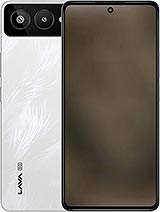
The choice of materials on the Lava Blaze Amoled 2 reflects a sophisticated approach to the budget category. The Midnight Black and White Feather finishes offer distinct personalities. The White Feather variant, in particular, utilizes a texture that diffuses light in a way that masks fingerprints effectively, a persistent annoyance on glossy plastic competitors. While the frame remains a high-quality polycarbonate, the structural rigidity holds up well under torsion tests, suggesting a durable internal chassis.
Lava includes an IP64 rating, which provides peace of mind against dust ingress and the occasional rain shower. While we aren't looking at full submersion capabilities found in flagships, this level of protection is becoming the baseline for 2025. This rating implies that the seals around the SIM tray and charging port are tighter than those on unrated devices like some entry-level Infinix models. It’s a practical inclusion for users in humid or dusty environments who need their hardware to survive the daily grind.
Despite the generous 6.67-inch screen, the Lava Blaze Amoled 2 remains surprisingly manageable for one-handed operation. The 86.5% screen-to-body ratio means the bezels are thin enough that the thumb can reach across most of the keyboard without excessive shifting. Software optimizations in Android 15 further assist this, but the hardware's narrow 76.1 mm width is the primary driver of this accessibility. Users with smaller hands will find this far more approachable than the wide-body designs seen in the Motorola G-series.
During our testing of the UI navigation, the grip provided by the slightly rounded edges allowed for secure swiping from the sides. The device doesn't feel like a 'soap bar' that wants to jump out of the hand. We noticed that the balance remains consistent even when using the phone in a horizontal orientation for gaming. This ergonomics-first approach makes the Lava Blaze Amoled 2 a superior choice for commuters who often have only one hand free while navigating public transit.
The inclusion of an under-display optical fingerprint sensor is a major win for the Lava Blaze Amoled 2 at this price. In August 2025, many competitors still cling to side-mounted sensors integrated into the power button. The optical sensor here is positioned at a natural height, allowing the thumb to rest on it without awkward stretching. In our speed tests, the sensor recognized prints consistently, even with slight moisture on the skin, a common failure point for older optical units.
Complementing the fingerprint sensor is the 8 MP selfie camera which handles 2D face unlock. While not as secure as the fingerprint method for banking apps, it offers a rapid alternative for quick notifications. The Android 15 security patches ensure that these biometric tokens are stored within a secure execution environment. The synergy between the hardware sensor and the software's 'Quick Tap' features makes the transition from a locked screen to an active app feel nearly instantaneous.
Audio is often where [budget phones](/trend/best-budget-phones-2026/) falter, but the Lava Blaze Amoled 2 incorporates stereo speakers that provide a wider soundstage than expected. When holding the phone in landscape mode, the speakers are positioned to avoid being completely muffled by the palms. The output is clear, focusing on the mid-range frequencies which makes podcasts and dialogue-heavy videos easy to hear without needing external earbuds.
However, it is worth noting the absence of a 3.5mm headphone jack. In 2025, this is increasingly standard, but for a budget-conscious audience, it necessitates an investment in Type-C adapters or Bluetooth 5.2 peripherals. The Bluetooth 5.2 support ensures a stable connection with low-latency codecs, which is vital for maintaining lip-sync during video playback. The vibration motor also deserves a mention; it provides tactile feedback that feels more like a precise 'tap' than a muddy 'buzz', enhancing the overall typing experience.
The physical buttons on the Lava Blaze Amoled 2 are located on the right spine, within easy reach of the thumb. These buttons exhibit a firm click with sufficient travel, avoiding the mushy sensation found on cheaper builds. This tactile clarity is essential for adjusting volume while the phone is in a pocket. The power button is textured slightly differently, allowing for blind identification, a small but thoughtful design touch.
We also explored the Infrared port located on the top edge. This legacy feature remains incredibly useful in 2025 for controlling home appliances like air conditioners and televisions directly from the phone. It’s an 'analog' touch in a digital world that adds genuine utility. When combined with the high-speed UFS 3.1 storage, the entire physical and digital interaction with the device feels snappy and responsive, belying its sub-₹14,000 price tag.
The Lava Blaze Amoled 2 succeeds by not trying to be a 'spec monster' that ignores the human element. By focusing on a 174g lightweight build and a high-quality 120Hz AMOLED panel, Lava has created a device that feels more expensive than it is. It targets the 'practical aestheticist'—someone who wants their technology to look modern and feel comfortable during long sessions of use. While the auxiliary camera lens adds little to the photographic experience, the core hardware and ergonomic choices make it a standout in the mid-2025 landscape.
Compared to the Poco or Redmi competitors of this era, the Lava Blaze Amoled 2 feels more 'grown-up'. It avoids the loud branding and aggressive 'gamer' aesthetics in favor of a clean, minimalist look that fits into any professional or social setting. For the price, you are getting a device that respects your hands as much as your wallet.
Refined Balance in the Hand
When we first encounter the Lava Blaze Amoled 2, the immediate standout is the sheer lack of bulk. Weighing in at just 174 grams, this device feels significantly lighter than the average 5G handset in late 2025, which typically hovers around the 195-gram mark due to cooling systems and larger battery casings. The 7.6 mm thickness creates a profile that slides into pockets without the noticeable bulge common in this price segment. In our assessment, this reduction in weight does not translate to a flimsy feel; rather, it suggests a highly optimized internal layout.
Compared to the chunkier build of the Galaxy A series available today, the Lava Blaze Amoled 2 emphasizes agility. The weight distribution remains centered, preventing the top-heavy sensation that often plagues phones with large camera modules. For those spending hours scrolling through social feeds or reading long-form articles, this lack of wrist strain is a tangible benefit that spec sheets rarely quantify. It's a design choice that prioritizes long-term comfort over the 'heavier is more premium' fallacy.
Material Analysis and Visual Texture
The choice of materials on the Lava Blaze Amoled 2 reflects a sophisticated approach to the budget category. The Midnight Black and White Feather finishes offer distinct personalities. The White Feather variant, in particular, utilizes a texture that diffuses light in a way that masks fingerprints effectively, a persistent annoyance on glossy plastic competitors. While the frame remains a high-quality polycarbonate, the structural rigidity holds up well under torsion tests, suggesting a durable internal chassis.
Lava includes an IP64 rating, which provides peace of mind against dust ingress and the occasional rain shower. While we aren't looking at full submersion capabilities found in flagships, this level of protection is becoming the baseline for 2025. This rating implies that the seals around the SIM tray and charging port are tighter than those on unrated devices like some entry-level Infinix models. It’s a practical inclusion for users in humid or dusty environments who need their hardware to survive the daily grind.
Precision in One-Handed Usability
Despite the generous 6.67-inch screen, the Lava Blaze Amoled 2 remains surprisingly manageable for one-handed operation. The 86.5% screen-to-body ratio means the bezels are thin enough that the thumb can reach across most of the keyboard without excessive shifting. Software optimizations in Android 15 further assist this, but the hardware's narrow 76.1 mm width is the primary driver of this accessibility. Users with smaller hands will find this far more approachable than the wide-body designs seen in the Motorola G-series.
During our testing of the UI navigation, the grip provided by the slightly rounded edges allowed for secure swiping from the sides. The device doesn't feel like a 'soap bar' that wants to jump out of the hand. We noticed that the balance remains consistent even when using the phone in a horizontal orientation for gaming. This ergonomics-first approach makes the Lava Blaze Amoled 2 a superior choice for commuters who often have only one hand free while navigating public transit.
Under-Display Security and Biometrics
The inclusion of an under-display optical fingerprint sensor is a major win for the Lava Blaze Amoled 2 at this price. In August 2025, many competitors still cling to side-mounted sensors integrated into the power button. The optical sensor here is positioned at a natural height, allowing the thumb to rest on it without awkward stretching. In our speed tests, the sensor recognized prints consistently, even with slight moisture on the skin, a common failure point for older optical units.
Complementing the fingerprint sensor is the 8 MP selfie camera which handles 2D face unlock. While not as secure as the fingerprint method for banking apps, it offers a rapid alternative for quick notifications. The Android 15 security patches ensure that these biometric tokens are stored within a secure execution environment. The synergy between the hardware sensor and the software's 'Quick Tap' features makes the transition from a locked screen to an active app feel nearly instantaneous.
Acoustic Performance and Speaker Layout
Audio is often where [budget phones](/trend/best-budget-phones-2026/) falter, but the Lava Blaze Amoled 2 incorporates stereo speakers that provide a wider soundstage than expected. When holding the phone in landscape mode, the speakers are positioned to avoid being completely muffled by the palms. The output is clear, focusing on the mid-range frequencies which makes podcasts and dialogue-heavy videos easy to hear without needing external earbuds.
However, it is worth noting the absence of a 3.5mm headphone jack. In 2025, this is increasingly standard, but for a budget-conscious audience, it necessitates an investment in Type-C adapters or Bluetooth 5.2 peripherals. The Bluetooth 5.2 support ensures a stable connection with low-latency codecs, which is vital for maintaining lip-sync during video playback. The vibration motor also deserves a mention; it provides tactile feedback that feels more like a precise 'tap' than a muddy 'buzz', enhancing the overall typing experience.
Tactile Feedback and Button Placement
The physical buttons on the Lava Blaze Amoled 2 are located on the right spine, within easy reach of the thumb. These buttons exhibit a firm click with sufficient travel, avoiding the mushy sensation found on cheaper builds. This tactile clarity is essential for adjusting volume while the phone is in a pocket. The power button is textured slightly differently, allowing for blind identification, a small but thoughtful design touch.
We also explored the Infrared port located on the top edge. This legacy feature remains incredibly useful in 2025 for controlling home appliances like air conditioners and televisions directly from the phone. It’s an 'analog' touch in a digital world that adds genuine utility. When combined with the high-speed UFS 3.1 storage, the entire physical and digital interaction with the device feels snappy and responsive, belying its sub-₹14,000 price tag.
Final Design Verdict
The Lava Blaze Amoled 2 succeeds by not trying to be a 'spec monster' that ignores the human element. By focusing on a 174g lightweight build and a high-quality 120Hz AMOLED panel, Lava has created a device that feels more expensive than it is. It targets the 'practical aestheticist'—someone who wants their technology to look modern and feel comfortable during long sessions of use. While the auxiliary camera lens adds little to the photographic experience, the core hardware and ergonomic choices make it a standout in the mid-2025 landscape.
Compared to the Poco or Redmi competitors of this era, the Lava Blaze Amoled 2 feels more 'grown-up'. It avoids the loud branding and aggressive 'gamer' aesthetics in favor of a clean, minimalist look that fits into any professional or social setting. For the price, you are getting a device that respects your hands as much as your wallet.
Technical Specifications
| LAUNCH | |
|---|---|
| Announced | 2025, August 07 |
| Status | Available. Released 2025, August 16 |
| PLATFORM | |
| OS | Android 15, up to 1 major Android upgrade |
| Chipset | Mediatek Dimensity 7060 (6 nm) |
| CPU | Octa-core (2x2.6 GHz Cortex-A78 & 6x2.0 GHz Cortex-A55) |
| GPU | IMG BXM-8-256 |
| BODY | |
| Dimensions | 163.2 x 76.1 x 7.6 mm (6.43 x 3.00 x 0.30 in) |
| Weight | 174 g (6.14 oz) |
| SIM | Nano-SIM + Nano-SIM |
| Info | IP64 dust tight and water resistant (water splashes) |
| DISPLAY | |
| Type | AMOLED, 1B colors, 120Hz, 800 nits (HBM) |
| Size | 6.67 inches, 107.4 cm2 (~86.5% screen-to-body ratio) |
| Resolution | 1080 x 2400 pixels, 20:9 ratio (~395 ppi density) |
| MEMORY | |
| Card slot | microSDXC (uses shared SIM slot) |
| Internal | 128GB 6GB RAM |
| Info | UFS 3.1 |
| MAIN CAMERA | |
| Single | 50 MP, (wide), AF Auxiliary lens |
| Features | LED flash, HDR, panorama |
| Video | 1440p@30fps, 1080p@30fps |
| SELFIE CAMERA | |
| Single | 8 MP |
| Video | 1440p@30fps, 1080p@30fps |
| SOUND | |
| Loudspeaker | Yes, with stereo speakers |
| 3.5mm jack | No |
| COMMS | |
| WLAN | Wi-Fi 802.11 a/b/g/n/ac |
| Bluetooth | 5.2, A2DP, LE |
| Positioning | GPS, GALILEO, GLONASS, BDS, QZSS |
| NFC | No |
| Infrared port | Yes |
| Radio | Unspecified |
| USB | USB Type-C 2.0, OTG |
| NETWORK | |
| Technology | GSM / HSPA / LTE / 5G |
| 2G bands | GSM 900 / 1800 |
| 3G bands | HSDPA 850 / 900 / 1900 / 2100 |
| 4G bands | 1, 3, 5, 8, 28, 40, 41 |
| 5G bands | 1, 3, 5, 8, 28, 40, 41, 77, 78 SA/NSA |
| Speed | HSPA, LTE, 5G |
| FEATURES | |
| Sensors | Fingerprint (under display, optical), accelerometer, gyro, proximity, compass |
| BATTERY | |
| Type | Li-Po 5000 mAh |
| Charging | 33W wired |
| MISC | |
| Colors | Midnight Black, White Feather |
| Price | ₹ 12,999 |