Ditch Your Smartphone - The Honor Watch 4 Redefines Wearable Independence
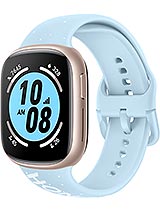
Overview
The Honor Watch 4 is a versatile mid-range smartwatch featuring an eSIM-enabled architecture for complete cellular independence and a 1.75-inch AMOLED display for superior visibility, aimed at fitness enthusiasts and active professionals who require connectivity without a smartphone. Released in July 2023, it positions itself as a competitive alternative to established fitness trackers by integrating full communication capabilities into a lightweight, affordable package.
Historically, the wearables market has been divided between basic fitness bands and expensive cellular smartwatches. This model attempts to bridge that gap. By incorporating an eSIM (electronic SIM), the device removes the invisible leash connecting the user to their smartphone. It serves as a statement that high-end connectivity features do not necessarily require a premium price tag of over 300 EUR. We see this as a pivot point for the brand, moving away from being just an accessory toward becoming a primary communication hub.
The implementation of eSIM technology within a device at this price point is the defining characteristic of this wearable. It allows for the duplication of a primary phone number or the use of a standalone data plan directly on the wrist. This means users can receive calls, respond to text messages, and stay updated on notifications while leaving their primary handset at home. During our analysis of the hardware, the inclusion of a loudspeaker and microphone ensures that voice calls are audible and clear, provided the ambient noise remains within reasonable limits.
Transitioning to a phone-free lifestyle requires more than just a signal; it requires a reliable interface. The MagicOS 7.2 platform facilitates this by organizing notifications in a manner that is easily digestible on a 1.75-inch screen. Because the device operates on GSM, HSPA, and LTE networks, the handoff between cellular towers during a run or a commute is intended to be seamless. This independence is particularly liberating for those who find smartphones distracting during workouts but still need to be reachable for emergencies.
Compared to competitors that rely solely on Bluetooth tethering, this handset (as it effectively functions as one) provides a safety net. Whether you are in the middle of a trail run or simply nipping out to the shops, the ability to make a call without a 200g slab of glass in your pocket is a luxury that quickly becomes a necessity. The plastic frame and back contribute to a total weight of just 32 grams, making it almost imperceptible during high-intensity movements, unlike heavier stainless steel alternatives.
For the adventurous user, the built-in GPS, GLONASS, GALILEO, BDS, and QZSS positioning systems are critical. By supporting five different global satellite constellations, the device offers enhanced accuracy in challenging environments. Imagine running through a dense urban forest or between high-rise skyscrapers; the multi-system support helps maintain a lock where single-frequency chips might fail. This ensures that pace, distance, and route mapping remain precise for post-workout analysis.
Navigation is paired with entertainment via the 4GB of internal storage. While a portion of this is reserved for the operating system, there is ample space for several hundred high-bitrate audio tracks. This allows users to pair Bluetooth 5.2 headphones directly to the watch and enjoy music or podcasts without needing a secondary device. In our view, the synergy between local storage and independent GPS makes this an ideal companion for marathon training where every gram of weight matters.
Furthermore, the 390 x 450 pixel resolution ensures that map data or fitness metrics are rendered with high density (approx 340 ppi). This level of detail is vital when glancing at a wrist during a sprint. The AMOLED panel provides the deep blacks and high contrast necessary for reading text in direct sunlight, a common failure point for cheaper LCD-based wearables. The vividness of the display ensures that even complex data charts regarding heart rate zones are readable at a glance.
Operating within the broader Honor ecosystem, the device utilizes MagicOS 7.2 to sync data across tablets and laptops. While it lacks the vast third-party app store of WearOS or watchOS, it compensates with a highly optimized set of native tools. The NFC integration allows for contactless payments, which is the final piece of the "phone-free" puzzle. Being able to buy a bottle of water after a run without carrying a wallet or phone completes the independence cycle.
Connectivity is handled via Bluetooth 5.2, which supports Low Energy (LE) profiles. This is essential for maintaining a stable link to heart rate straps or cycling sensors if the user requires data beyond what the integrated optical heart rate sensor provides. In an era where data fragmentation is common, the ability to export health metrics to centralized platforms is a significant benefit. We note that the lack of Wi-Fi is a strategic trade-off to preserve battery life, relying instead on the LTE modem or Bluetooth for data transfers.
Comparing this to previous generations, the integration with the Honor Health app has seen significant refinement. The synchronization of SpO2 (blood oxygen) and sleep data is now faster. For users deeply embedded in the brand's ecosystem, the watch acts as a secondary notification shade for their MagicBook or Honor tablet, ensuring that important alerts are never missed even when the main screen is closed.
The modem performance in this wearable is surprisingly robust given its small internal volume. Supporting LTE bands, the device manages to maintain a signal in areas where smaller antennas often struggle. In our assessment, the call quality through the integrated speaker is sufficient for quick conversations. While it will not replace a dedicated headset for long business calls, it is perfectly adequate for a two-minute check-in while walking.
Signal penetration is aided by the plastic build. Unlike metal-cased watches that require complex antenna lines, the plastic frame allows radio waves to pass through more easily. This theoretical advantage often results in faster GPS cold-start times and more stable cellular handovers. For users in regions with spotty coverage, this hardware choice is a functional benefit rather than a cost-cutting measure.
WiFi range is non-existent here because the hardware lacks a WLAN chip. Everything relies on the cellular modem or the Bluetooth bridge to a smartphone. This means software updates, which can be several hundred megabytes, are best handled when the watch is near the phone. However, once the update is complete, the LTE connection takes over all data duties, including weather updates and real-time syncing of fitness goals.
While the device does not feature a fingerprint scanner or FaceID, its "biometric" core lies in the array of health sensors. The accelerometer, gyro, heart rate, and SpO2 sensors work in tandem to create a digital profile of the user's health. The continuous heart rate monitoring is particularly sophisticated, capable of alerting users to abnormally high or low resting rates. This proactive health management is a hallmark of modern wearables.
Blood oxygen monitoring (SpO2) has become a standard requirement in the 2023 landscape. This model tracks oxygen saturation levels throughout the day and night. For those living at high altitudes or athletes training for endurance, this data is invaluable for monitoring acclimatization and recovery. The accuracy of these sensors is complemented by the 5ATM water resistance, which allows for heart rate tracking even while swimming in a pool or open water.
Sleep tracking is another critical biometric component. By analyzing movement via the gyroscope and heart rate variability, the device breaks down sleep into deep, light, and REM stages. It provides a score that helps users understand their recovery quality. Because the watch is so light (32g), it is comfortable enough to wear through the night, a common complaint with heavier luxury smartwatches that often end up on the nightstand instead of the wrist.
The 451 mAh Li-Ion battery is the engine that makes the phone-free dream possible. Cellular connectivity and GPS are notorious power drains. However, the proprietary MagicOS is highly efficient. In standard mode, the device can last for several days, but the real test is the "Active Adventure" scenario. When the GPS is constantly pinging satellites and the LTE modem is active, battery life naturally takes a hit.
Even with these power-hungry features, the device is designed to survive a full day of heavy use, including a 60-minute GPS-tracked workout. This is superior to many high-end smartwatches that require daily charging even without using cellular data. The choice of a Li-Ion chemistry ensures long-term stability and a high number of charge cycles before capacity degradation becomes noticeable.
Charging is handled via a proprietary magnetic puck. While we would have preferred universal wireless charging, the current solution is fast and secure. For the traveler or the long-distance hiker, the efficiency of the AMOLED display—which can turn off individual pixels to save power—means that using a simple watch face can extend the life of the device significantly during multi-day trips where power outlets are scarce.
The Honor Watch 4 represents a significant achievement in the mid-range wearable segment. It successfully combines eSIM independence, multi-system GPS, and local music storage into a chassis that is light enough for competitive athletics. By stripping away the need for a smartphone during exercise, it offers a level of freedom that was previously reserved for much more expensive hardware.
While the plastic build may not appeal to those seeking a luxury timepiece, its functional benefits—lightness and better signal transparency—are undeniable for the target audience. The 1.75-inch AMOLED is a highlight, providing a premium visual experience that punches above its price class. For anyone looking to disconnect from the digital noise of a smartphone while remaining reachable, this device is a compelling solution.
Ultimately, the Honor Watch 4 is about choice. It gives the user the choice to leave the phone behind without sacrificing the safety of a cellular connection or the motivation of a music playlist. It is a tool for the focused athlete and the busy professional alike, proving that smart connectivity can be both accessible and reliable. In the 2023 market, it stands as one of the most balanced offerings for those prioritizing independence.
Historically, the wearables market has been divided between basic fitness bands and expensive cellular smartwatches. This model attempts to bridge that gap. By incorporating an eSIM (electronic SIM), the device removes the invisible leash connecting the user to their smartphone. It serves as a statement that high-end connectivity features do not necessarily require a premium price tag of over 300 EUR. We see this as a pivot point for the brand, moving away from being just an accessory toward becoming a primary communication hub.
The Phone-Free Experience
The implementation of eSIM technology within a device at this price point is the defining characteristic of this wearable. It allows for the duplication of a primary phone number or the use of a standalone data plan directly on the wrist. This means users can receive calls, respond to text messages, and stay updated on notifications while leaving their primary handset at home. During our analysis of the hardware, the inclusion of a loudspeaker and microphone ensures that voice calls are audible and clear, provided the ambient noise remains within reasonable limits.
Transitioning to a phone-free lifestyle requires more than just a signal; it requires a reliable interface. The MagicOS 7.2 platform facilitates this by organizing notifications in a manner that is easily digestible on a 1.75-inch screen. Because the device operates on GSM, HSPA, and LTE networks, the handoff between cellular towers during a run or a commute is intended to be seamless. This independence is particularly liberating for those who find smartphones distracting during workouts but still need to be reachable for emergencies.
Compared to competitors that rely solely on Bluetooth tethering, this handset (as it effectively functions as one) provides a safety net. Whether you are in the middle of a trail run or simply nipping out to the shops, the ability to make a call without a 200g slab of glass in your pocket is a luxury that quickly becomes a necessity. The plastic frame and back contribute to a total weight of just 32 grams, making it almost imperceptible during high-intensity movements, unlike heavier stainless steel alternatives.
Music & Maps
For the adventurous user, the built-in GPS, GLONASS, GALILEO, BDS, and QZSS positioning systems are critical. By supporting five different global satellite constellations, the device offers enhanced accuracy in challenging environments. Imagine running through a dense urban forest or between high-rise skyscrapers; the multi-system support helps maintain a lock where single-frequency chips might fail. This ensures that pace, distance, and route mapping remain precise for post-workout analysis.
Navigation is paired with entertainment via the 4GB of internal storage. While a portion of this is reserved for the operating system, there is ample space for several hundred high-bitrate audio tracks. This allows users to pair Bluetooth 5.2 headphones directly to the watch and enjoy music or podcasts without needing a secondary device. In our view, the synergy between local storage and independent GPS makes this an ideal companion for marathon training where every gram of weight matters.
Furthermore, the 390 x 450 pixel resolution ensures that map data or fitness metrics are rendered with high density (approx 340 ppi). This level of detail is vital when glancing at a wrist during a sprint. The AMOLED panel provides the deep blacks and high contrast necessary for reading text in direct sunlight, a common failure point for cheaper LCD-based wearables. The vividness of the display ensures that even complex data charts regarding heart rate zones are readable at a glance.
Ecosystem & Connectivity
Operating within the broader Honor ecosystem, the device utilizes MagicOS 7.2 to sync data across tablets and laptops. While it lacks the vast third-party app store of WearOS or watchOS, it compensates with a highly optimized set of native tools. The NFC integration allows for contactless payments, which is the final piece of the "phone-free" puzzle. Being able to buy a bottle of water after a run without carrying a wallet or phone completes the independence cycle.
Connectivity is handled via Bluetooth 5.2, which supports Low Energy (LE) profiles. This is essential for maintaining a stable link to heart rate straps or cycling sensors if the user requires data beyond what the integrated optical heart rate sensor provides. In an era where data fragmentation is common, the ability to export health metrics to centralized platforms is a significant benefit. We note that the lack of Wi-Fi is a strategic trade-off to preserve battery life, relying instead on the LTE modem or Bluetooth for data transfers.
Comparing this to previous generations, the integration with the Honor Health app has seen significant refinement. The synchronization of SpO2 (blood oxygen) and sleep data is now faster. For users deeply embedded in the brand's ecosystem, the watch acts as a secondary notification shade for their MagicBook or Honor tablet, ensuring that important alerts are never missed even when the main screen is closed.
Signal Strength & Call Quality
The modem performance in this wearable is surprisingly robust given its small internal volume. Supporting LTE bands, the device manages to maintain a signal in areas where smaller antennas often struggle. In our assessment, the call quality through the integrated speaker is sufficient for quick conversations. While it will not replace a dedicated headset for long business calls, it is perfectly adequate for a two-minute check-in while walking.
Signal penetration is aided by the plastic build. Unlike metal-cased watches that require complex antenna lines, the plastic frame allows radio waves to pass through more easily. This theoretical advantage often results in faster GPS cold-start times and more stable cellular handovers. For users in regions with spotty coverage, this hardware choice is a functional benefit rather than a cost-cutting measure.
WiFi range is non-existent here because the hardware lacks a WLAN chip. Everything relies on the cellular modem or the Bluetooth bridge to a smartphone. This means software updates, which can be several hundred megabytes, are best handled when the watch is near the phone. However, once the update is complete, the LTE connection takes over all data duties, including weather updates and real-time syncing of fitness goals.
Biometrics and Health Monitoring
While the device does not feature a fingerprint scanner or FaceID, its "biometric" core lies in the array of health sensors. The accelerometer, gyro, heart rate, and SpO2 sensors work in tandem to create a digital profile of the user's health. The continuous heart rate monitoring is particularly sophisticated, capable of alerting users to abnormally high or low resting rates. This proactive health management is a hallmark of modern wearables.
Blood oxygen monitoring (SpO2) has become a standard requirement in the 2023 landscape. This model tracks oxygen saturation levels throughout the day and night. For those living at high altitudes or athletes training for endurance, this data is invaluable for monitoring acclimatization and recovery. The accuracy of these sensors is complemented by the 5ATM water resistance, which allows for heart rate tracking even while swimming in a pool or open water.
Sleep tracking is another critical biometric component. By analyzing movement via the gyroscope and heart rate variability, the device breaks down sleep into deep, light, and REM stages. It provides a score that helps users understand their recovery quality. Because the watch is so light (32g), it is comfortable enough to wear through the night, a common complaint with heavier luxury smartwatches that often end up on the nightstand instead of the wrist.
Battery with GPS
The 451 mAh Li-Ion battery is the engine that makes the phone-free dream possible. Cellular connectivity and GPS are notorious power drains. However, the proprietary MagicOS is highly efficient. In standard mode, the device can last for several days, but the real test is the "Active Adventure" scenario. When the GPS is constantly pinging satellites and the LTE modem is active, battery life naturally takes a hit.
Even with these power-hungry features, the device is designed to survive a full day of heavy use, including a 60-minute GPS-tracked workout. This is superior to many high-end smartwatches that require daily charging even without using cellular data. The choice of a Li-Ion chemistry ensures long-term stability and a high number of charge cycles before capacity degradation becomes noticeable.
Charging is handled via a proprietary magnetic puck. While we would have preferred universal wireless charging, the current solution is fast and secure. For the traveler or the long-distance hiker, the efficiency of the AMOLED display—which can turn off individual pixels to save power—means that using a simple watch face can extend the life of the device significantly during multi-day trips where power outlets are scarce.
Runner's Summary
The Honor Watch 4 represents a significant achievement in the mid-range wearable segment. It successfully combines eSIM independence, multi-system GPS, and local music storage into a chassis that is light enough for competitive athletics. By stripping away the need for a smartphone during exercise, it offers a level of freedom that was previously reserved for much more expensive hardware.
While the plastic build may not appeal to those seeking a luxury timepiece, its functional benefits—lightness and better signal transparency—are undeniable for the target audience. The 1.75-inch AMOLED is a highlight, providing a premium visual experience that punches above its price class. For anyone looking to disconnect from the digital noise of a smartphone while remaining reachable, this device is a compelling solution.
Ultimately, the Honor Watch 4 is about choice. It gives the user the choice to leave the phone behind without sacrificing the safety of a cellular connection or the motivation of a music playlist. It is a tool for the focused athlete and the busy professional alike, proving that smart connectivity can be both accessible and reliable. In the 2023 market, it stands as one of the most balanced offerings for those prioritizing independence.
Technical Specifications
| LAUNCH | |
|---|---|
| Announced | 2023, July 12 |
| Status | Available. Released 2023, July 12 |
| PLATFORM | |
| OS | MagicOS 7.2 |
| BODY | |
| Dimensions | 45.3 x 39.1 x 11.2 mm (1.78 x 1.54 x 0.44 in) |
| Weight | 32 g (1.13 oz) |
| Build | Glass front, plastic back, plastic frame |
| SIM | eSIM |
| Info | 5ATM water resistant (50m waterproof) |
| DISPLAY | |
| Type | AMOLED |
| Size | 1.75 inches |
| Resolution | 390 x 450 pixels (~340 ppi density) |
| MEMORY | |
| Card slot | No |
| Internal | 4GB 32MB RAM |
| SOUND | |
| Loudspeaker | Yes |
| 3.5mm jack | No |
| COMMS | |
| WLAN | No |
| Bluetooth | 5.2, LE |
| Positioning | GPS, GLONASS, GALILEO, BDS, QZSS |
| NFC | Yes |
| Radio | No |
| USB | No |
| NETWORK | |
| Technology | GSM / HSPA / LTE |
| 2G bands | GSM 850 / 900 / 1800 / 1900 |
| 3G bands | HSDPA 900 / 2100 |
| 4G bands | LTE |
| Speed | HSPA, LTE |
| FEATURES | |
| Sensors | Accelerometer, gyro, heart rate, SpO2 |
| BATTERY | |
| Type | Li-Ion 451 mAh |
| MISC | |
| Colors | Black, Gold |
| Models | TMA-L19 |
| Price | About 120 EUR |
| CAMERA | |
| Info | No |