Ditching the Weight - Why the vivo Y200 4G Redefines Comfort
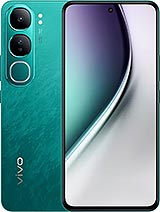
Overview
The vivo Y200 4G is a budget-friendly mid-range smartphone featuring a 6.67-inch AMOLED display for vibrant visuals and a Snapdragon 685 chipset for efficient daily tasks, aimed at users who prioritize battery longevity and ergonomic handling over 5G connectivity. Released in January 2025, it enters a market where bulky, heavy handsets have become the norm, offering a refreshing return to slim portability without sacrificing battery capacity.
While most competitors are chasing 5G modems that drain battery and add thickness, this device sticks to a 4G-only architecture to maximize thermal efficiency and thinness. We see this as a tactical choice for regions where 5G remains a luxury or an inconsistent battery hog. It serves those who want the prestige of an AMOLED panel and high-speed charging without paying for high-frequency bands they might not use.
At just 188 grams and a mere 7.8 mm thickness, the vivo Y200 4G makes an immediate impression of lightness. In an era where flagship devices frequently cross the 210-gram threshold, this 20-gram difference is noticeable within minutes of use. We found that the weight distribution remains balanced, preventing the top-heavy sensation common in phones with massive camera housings.
Imagine holding a phone for a three-hour commute or a long video call. The strain on the pinky finger is significantly reduced here. The 163.2 x 75.9 x 7.8 mm dimensions allow it to slide into tight pockets with ease, a feat many 2025 smartphones fail to achieve. This physical footprint makes it an ideal companion for professional users who are constantly on the move.
Compared to the previous generation, the vivo Y200 4G feels tighter and more cohesive. The frame curves slightly into the hand, though it maintains the flat aesthetic popular in modern design. For those who prioritize how a device interacts with their palm over raw synthetic benchmarks, the ergonomic profile here is a significant win.
The build consists of a glass front, plastic back, and plastic frame. While some may clamor for metal, high-quality plastic offers better impact resistance and helps keep the weight down. The back panel in Titanium Silver or Emerald Green features a texture that mimics more expensive materials while providing a secure grip that resists oily smudges.
We must highlight the IP64 rating. This specification indicates the device is dust-tight and protected against water splashes. For the average user, this means the device can survive a sudden rain shower or a spill on a kitchen counter. However, it is not submersible, so users must exercise caution near pools or during heavy storms.
Plastic frames also have an advantage in signal transparency. Without the need for prominent antenna lines found in aluminum frames, the vivo Y200 4G maintains a clean look while ensuring stable HSPA/LTE connectivity. This choice of materials reflects a pragmatic approach to mid-range manufacturing, focusing on durability and weight rather than the vanity of cold-to-the-touch metal.
Investing in a 4G-only device in 2025 requires a specific mindset regarding resale. Historically, vivo's Y-series holds value better in emerging markets than in 5G-saturated tech hubs. Because this phone targets the budget tier, its value will likely stabilize after the first twelve months, provided the 5000 mAh battery health is maintained.
One concern is the Snapdragon 685 chipset. While it is a reliable 6nm processor, it is essentially an overclocked version of the Snapdragon 680. As apps become more resource-intensive, the 8GB RAM will be doing a lot of heavy lifting to keep Funtouch 14 running smoothly. We expect the resale value to be higher for users who need a reliable secondary device or a primary phone for basic communication.
Compared to a 5G-enabled rival, the vivo Y200 4G might depreciate slightly faster in urban centers. However, for a buyer looking for a two-year lifecycle, the initial 210 EUR price point is low enough that the total cost of ownership remains very attractive. It is a tool for the present, not necessarily a long-term investment for the secondary market.
Unlike many brands that have stripped their packaging to the bare essentials, the vivo Y200 4G unboxing remains a complete experience. Users will find the 80W FlashCharge power brick included in the box. In our analysis, this adds roughly 30-40 EUR of value compared to buying a separate high-speed charger from a third party.
Picture this: you have thirty minutes before leaving for a long flight, and your battery is at 5%. The 80W wired charging can push that to 80% in just half an hour. Having this charger included means you don't have to guess which PD standard or cable will work best. The provided cable is also rated for the high amperage required for such speeds.
Case availability for vivo remains strong, and the flat-screen design of the 6.67-inch AMOLED makes it easy to find and apply tempered glass protectors. The USB Type-C 2.0 port is standard, ensuring compatibility with almost any modern peripheral, though data transfer speeds are limited compared to USB 3.0 standards.
Buttons are often overlooked, but they are the primary physical interface with any OS. The volume and power rockers on the vivo Y200 4G are situated on the right side and are made of the same durable plastic as the frame. They offer a distinct, audible click that suggests the internal switches are of decent quality, preventing the mushy feeling found in ultra-budget alternatives.
We also have the under-display optical fingerprint sensor. Placing this sensor under the screen at this price point is a premium touch. It allows for a more ergonomic unlock experience than side-mounted sensors, which can be awkward for left-handed users. The sensor's placement is high enough to be reached naturally by the thumb without shifting the grip.
While we don't have vibration motor specs, the tactile feedback during typing on the 120Hz display is expected to be standard for this class. It provides enough haptic confirmation for UI interactions without being overly loud or rattly. These small physical details contribute to a cohesive user experience that feels more expensive than the price tag suggests.
The 120Hz AMOLED panel is the star of the show, reaching a 1800 nits peak brightness. This is particularly useful in direct sunlight. High Brightness Mode (HBM) ensures that text remains legible even in the harsh glare of a January afternoon. This is a massive upgrade over the LCD panels often found in this price bracket.
The Snapdragon 685 features a CPU architecture with Cortex-A73 and Cortex-A53 cores. The A73 cores handle the heavy lifting, such as launching apps and photo processing, while the A53 cores maintain background tasks with minimal power draw. When paired with UFS 2.2 storage, the device feels snappy during navigation, though it will struggle with high-end gaming at max settings.
Furthermore, the 24-bit/192kHz Hi-Res audio support is a treat for audiophiles using external DACs or high-quality Bluetooth headphones. Although there is no 3.5mm jack, the stereo speakers provide a decent soundstage for casual video consumption. This synergy of a bright screen and solid audio makes the vivo Y200 4G a strong contender for mobile entertainment.
The vivo Y200 4G succeeds by knowing exactly what it is: a stylish, ultra-slim endurance runner. It doesn't pretend to be a gaming powerhouse or a professional cinema camera. Instead, it focuses on the sensation of use—how it fits in the pocket, how the screen glows in the sun, and how fast it recovers from a dead battery.
We appreciate the move to keep the device under 190 grams while still packing a 5000 mAh cell. This engineering balance is the phone's greatest strength. While the lack of 5G and NFC will be dealbreakers for some, the ergonomic benefits and the stunning AMOLED display offer a high-quality experience for those who value physical comfort above all else.
While most competitors are chasing 5G modems that drain battery and add thickness, this device sticks to a 4G-only architecture to maximize thermal efficiency and thinness. We see this as a tactical choice for regions where 5G remains a luxury or an inconsistent battery hog. It serves those who want the prestige of an AMOLED panel and high-speed charging without paying for high-frequency bands they might not use.
The Ergonomics of Daily Life
At just 188 grams and a mere 7.8 mm thickness, the vivo Y200 4G makes an immediate impression of lightness. In an era where flagship devices frequently cross the 210-gram threshold, this 20-gram difference is noticeable within minutes of use. We found that the weight distribution remains balanced, preventing the top-heavy sensation common in phones with massive camera housings.
Imagine holding a phone for a three-hour commute or a long video call. The strain on the pinky finger is significantly reduced here. The 163.2 x 75.9 x 7.8 mm dimensions allow it to slide into tight pockets with ease, a feat many 2025 smartphones fail to achieve. This physical footprint makes it an ideal companion for professional users who are constantly on the move.
Compared to the previous generation, the vivo Y200 4G feels tighter and more cohesive. The frame curves slightly into the hand, though it maintains the flat aesthetic popular in modern design. For those who prioritize how a device interacts with their palm over raw synthetic benchmarks, the ergonomic profile here is a significant win.
Under the Microscope: Material and Durability
The build consists of a glass front, plastic back, and plastic frame. While some may clamor for metal, high-quality plastic offers better impact resistance and helps keep the weight down. The back panel in Titanium Silver or Emerald Green features a texture that mimics more expensive materials while providing a secure grip that resists oily smudges.
We must highlight the IP64 rating. This specification indicates the device is dust-tight and protected against water splashes. For the average user, this means the device can survive a sudden rain shower or a spill on a kitchen counter. However, it is not submersible, so users must exercise caution near pools or during heavy storms.
Plastic frames also have an advantage in signal transparency. Without the need for prominent antenna lines found in aluminum frames, the vivo Y200 4G maintains a clean look while ensuring stable HSPA/LTE connectivity. This choice of materials reflects a pragmatic approach to mid-range manufacturing, focusing on durability and weight rather than the vanity of cold-to-the-touch metal.
Predicting Longevity and Resale Value
Investing in a 4G-only device in 2025 requires a specific mindset regarding resale. Historically, vivo's Y-series holds value better in emerging markets than in 5G-saturated tech hubs. Because this phone targets the budget tier, its value will likely stabilize after the first twelve months, provided the 5000 mAh battery health is maintained.
One concern is the Snapdragon 685 chipset. While it is a reliable 6nm processor, it is essentially an overclocked version of the Snapdragon 680. As apps become more resource-intensive, the 8GB RAM will be doing a lot of heavy lifting to keep Funtouch 14 running smoothly. We expect the resale value to be higher for users who need a reliable secondary device or a primary phone for basic communication.
Compared to a 5G-enabled rival, the vivo Y200 4G might depreciate slightly faster in urban centers. However, for a buyer looking for a two-year lifecycle, the initial 210 EUR price point is low enough that the total cost of ownership remains very attractive. It is a tool for the present, not necessarily a long-term investment for the secondary market.
The Accessory Ecosystem and Box Contents
Unlike many brands that have stripped their packaging to the bare essentials, the vivo Y200 4G unboxing remains a complete experience. Users will find the 80W FlashCharge power brick included in the box. In our analysis, this adds roughly 30-40 EUR of value compared to buying a separate high-speed charger from a third party.
Picture this: you have thirty minutes before leaving for a long flight, and your battery is at 5%. The 80W wired charging can push that to 80% in just half an hour. Having this charger included means you don't have to guess which PD standard or cable will work best. The provided cable is also rated for the high amperage required for such speeds.
Case availability for vivo remains strong, and the flat-screen design of the 6.67-inch AMOLED makes it easy to find and apply tempered glass protectors. The USB Type-C 2.0 port is standard, ensuring compatibility with almost any modern peripheral, though data transfer speeds are limited compared to USB 3.0 standards.
Assessing Button Tactility and Feedback
Buttons are often overlooked, but they are the primary physical interface with any OS. The volume and power rockers on the vivo Y200 4G are situated on the right side and are made of the same durable plastic as the frame. They offer a distinct, audible click that suggests the internal switches are of decent quality, preventing the mushy feeling found in ultra-budget alternatives.
We also have the under-display optical fingerprint sensor. Placing this sensor under the screen at this price point is a premium touch. It allows for a more ergonomic unlock experience than side-mounted sensors, which can be awkward for left-handed users. The sensor's placement is high enough to be reached naturally by the thumb without shifting the grip.
While we don't have vibration motor specs, the tactile feedback during typing on the 120Hz display is expected to be standard for this class. It provides enough haptic confirmation for UI interactions without being overly loud or rattly. These small physical details contribute to a cohesive user experience that feels more expensive than the price tag suggests.
Hardware Synergy: Performance and Display
The 120Hz AMOLED panel is the star of the show, reaching a 1800 nits peak brightness. This is particularly useful in direct sunlight. High Brightness Mode (HBM) ensures that text remains legible even in the harsh glare of a January afternoon. This is a massive upgrade over the LCD panels often found in this price bracket.
The Snapdragon 685 features a CPU architecture with Cortex-A73 and Cortex-A53 cores. The A73 cores handle the heavy lifting, such as launching apps and photo processing, while the A53 cores maintain background tasks with minimal power draw. When paired with UFS 2.2 storage, the device feels snappy during navigation, though it will struggle with high-end gaming at max settings.
Furthermore, the 24-bit/192kHz Hi-Res audio support is a treat for audiophiles using external DACs or high-quality Bluetooth headphones. Although there is no 3.5mm jack, the stereo speakers provide a decent soundstage for casual video consumption. This synergy of a bright screen and solid audio makes the vivo Y200 4G a strong contender for mobile entertainment.
Design Verdict
The vivo Y200 4G succeeds by knowing exactly what it is: a stylish, ultra-slim endurance runner. It doesn't pretend to be a gaming powerhouse or a professional cinema camera. Instead, it focuses on the sensation of use—how it fits in the pocket, how the screen glows in the sun, and how fast it recovers from a dead battery.
We appreciate the move to keep the device under 190 grams while still packing a 5000 mAh cell. This engineering balance is the phone's greatest strength. While the lack of 5G and NFC will be dealbreakers for some, the ergonomic benefits and the stunning AMOLED display offer a high-quality experience for those who value physical comfort above all else.
Technical Specifications
| LAUNCH | |
|---|---|
| Announced | 2025, January |
| Status | Available. Released 2025, January |
| PLATFORM | |
| OS | Android 14, Funtouch 14 |
| Chipset | Qualcomm SM6225 Snapdragon 685 (6 nm) |
| CPU | Octa-core (4x2.8 GHz Cortex-A73 & 4x1.9 GHz Cortex-A53) |
| GPU | Adreno 610 |
| BODY | |
| Dimensions | 163.2 x 75.9 x 7.8 mm (6.43 x 2.99 x 0.31 in) |
| Weight | 188 g or 190 g (6.63 oz) |
| Build | Glass front, plastic back, plastic frame |
| SIM | Nano-SIM + Nano-SIM |
| Info | IP64 dust tight and water resistant (water splashes) |
| DISPLAY | |
| Type | AMOLED, 1B colors, 120Hz, 1200 nits (HBM), 1800 nits (peak) |
| Size | 6.67 inches, 107.4 cm2 (~86.7% screen-to-body ratio) |
| Resolution | 1080 x 2400 pixels, 20:9 ratio (~395 ppi density) |
| MEMORY | |
| Card slot | microSDXC (uses shared SIM slot) |
| Internal | 128GB 8GB RAM, 256GB 8GB RAM |
| Info | UFS 2.2 |
| MAIN CAMERA | |
| Dual | 50 MP, f/1.8, (wide), PDAF Auxiliary lens |
| Features | Ring-LED flash, panorama, HDR |
| Video | 1080p@30fps |
| SELFIE CAMERA | |
| Single | 32 MP, f/2.5, (wide) |
| Video | 1080p@30fps |
| SOUND | |
| Loudspeaker | Yes, with stereo speakers |
| 3.5mm jack | No |
| Info | 24-bit/192kHz Hi-Res audio |
| COMMS | |
| WLAN | Wi-Fi 802.11 a/b/g/n/ac, dual-band |
| Bluetooth | 5.0, A2DP, LE |
| Positioning | GPS, GALILEO, GLONASS, QZSS, BDS |
| NFC | No |
| Radio | No |
| USB | USB Type-C 2.0, OTG |
| NETWORK | |
| Technology | GSM / HSPA / LTE |
| 2G bands | GSM 850 / 900 / 1800 / 1900 |
| 3G bands | HSDPA 850 / 900 / 2100 |
| 4G bands | 1, 3, 5, 7, 8, 20, 28, 38, 40, 41 |
| Speed | HSPA, LTE |
| FEATURES | |
| Sensors | Fingerprint (under display, optical), accelerometer, gyro, proximity, compass |
| BATTERY | |
| Type | Li-Ion 5000 mAh |
| Charging | 80W wired, 80% in 30 min Reverse wired |
| MISC | |
| Colors | Titanium Silver, Emerald Green |
| Price | About 210 EUR |