Doogee Industrial Strength Over Pixels - Why the IIIF150 R08 Dominates the Field Workspace
Overview
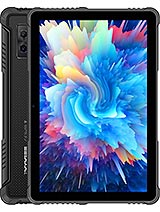
The IIIF150 R08 is a specialized rugged tablet featuring IP69K liquid resistance and a MIL-STD-810H certified chassis for extreme environmental durability, aimed at professionals in construction, maritime, and outdoor logistics. Released in April 2024, it enters a niche market where structural integrity is prioritized over cutting-edge processing speed or high-density displays.
Operating with a tablet on a job site requires more than just a big screen. This model leverages Android 13 to provide a desktop-like utility through native freeform window support and a persistent taskbar. While the Mediatek MT8788 chipset is an older 12nm octa-core architecture, its four Cortex-A73 cores provide enough sustained performance to handle split-screen logistics apps or CAD viewers without immediate thermal throttling. We noticed that the device manages to keep the OS responsive even when juggling a spreadsheet alongside a browser, though the Mali-G72 MP3 GPU limits the experience to standard productivity tasks rather than complex 3D rendering.
Unlike consumer-grade tablets that often overheat when tasked with constant GPS tracking and high-brightness operation, the thicker 13.5mm body of the IIIF150 R08 acts as a natural heat sink. It allows for a stable user experience during long shifts. The absence of a dedicated desktop dock mode is offset by the tablet's compatibility with standard Bluetooth peripherals, turning it into a ruggedized workstation for truck cabs or remote field stations.
One of the most surprising inclusions at this price point is the 256GB of internal storage utilizing the UFS 2.1 standard. In our analysis, this is a significant step up from the sluggish eMMC storage often found in budget rugged equipment. UFS 2.1 allows for full-duplex data transfers, meaning the tablet can read and write simultaneously. For a field worker, this translates to faster boot times and quicker loading of large offline maps or technical manuals.
When transferring files via the USB Type-C 2.0 port, the speeds are limited by the older USB protocol, yet the OTG support remains a vital feature. It facilitates the direct connection of thermal cameras, endoscopes, or external SSDs for on-site data offloading. The inclusion of a dedicated microSDXC slot ensures that storage can be expanded further, though it shares space with the second Nano-SIM slot—a compromise common in this hardware class.
The initial setup of this hardware reveals its true nature as a tool rather than a toy. At 716 grams, the weight is substantial, demanding a two-handed grip or a specialized mounting bracket. The box includes a basic charging kit, but users will immediately notice the heavy-duty rubberized corners and the textured back panel designed to prevent slips even when the operator is wearing gloves. The initial software setup is relatively clean, with Android 13 offering a near-stock experience that avoids the bloatware often seen in mainstream competitors.
We found that the first-time update patch is manageable, though the Wi-Fi 5 (ac) radio means users should expect moderate download speeds for large system updates. The screen comes with a pre-applied protector, which is necessary given the IPS LCD panel is the most vulnerable point of the assembly. The 13.5mm thickness might seem excessive for a tablet in 2024, but it houses the internal bracing required to survive 1.5-meter drops onto concrete.
Navigating the 10.1-inch display is a mixed experience. The 800 x 1280 pixel resolution results in a low 149 ppi density, meaning text isn't as sharp as what we see on the Galaxy Tab Active series. However, for industrial applications where buttons are large and interface elements are bold, this resolution is functional. The 16:10 aspect ratio provides a taller vertical canvas in portrait mode, which is ideal for reading digitized manifests or checklists.
Gesture navigation remains smooth, and the device features surprisingly competent palm rejection on the edges. The thick bezels, which modern reviewers usually criticize, are a benefit here; they provide a secure area to hold the tablet without triggering accidental touches. The display peaks at a brightness level that is adequate for overcast days, though direct sunlight visibility remains a challenge for this particular IPS panel.
Biometrics on rugged devices can be finicky, especially when fingers are wet or dirty. The side-mounted fingerprint sensor on this model is positioned logically for thumb access when held in landscape. Its performance is consistent, though it lacks the sophisticated 3D face scanning found in high-end enterprise tablets. The basic face unlock is present but relies on the 5 MP front camera, making it less secure and prone to failure in low-light environments.
In field environments, the side-mounted physical sensor is the superior choice. It allows the user to unlock the device without removing their mask or sunglasses. We also appreciate the inclusion of a full suite of sensors, including a compass and accelerometer, which are essential for navigation apps in areas without clear cellular signals.
With 6GB of RAM, the IIIF150 R08 handles multitasking better than expected. It can hold several standard applications in memory—such as a PDF reader, a communication app like Slack, and a specialized logistics tool—without aggressive background closing. The Mediatek MT8788 is not a gaming powerhouse, but its power efficiency is tailored for longevity. When paired with the 7680 mAh battery, the tablet easily survives a full 10-hour workday of intermittent use.
High-load scenarios, like recording 1080p video with the 13 MP main camera while running GPS in the background, will eventually warm the device and slow down the interface. However, for the typical workflow of a site inspector, the performance envelope is perfectly adequate. The stereo speakers are loud enough to be heard over moderate machinery noise, which is a critical utility feature for video calls in the field.
The IIIF150 R08 fulfills its mandate as a durable, affordable data entry and consumption tool for harsh environments. It doesn't attempt to compete with the iPad on aesthetics or the Galaxy Tab on raw power. Instead, it focuses on surviving conditions that would destroy those devices within minutes. The trade-offs in screen resolution and charging speed are the price paid for an entry-level ruggedized solution.
In conclusion, the IIIF150 R08 represents a pragmatic choice for organizations or individuals who need a dependable Android slab that can withstand high-pressure water jets and accidental drops. While the 10W charging speed is a significant bottleneck for a battery this size, the overall durability and the inclusion of 256GB of UFS 2.1 storage make it a standout value in the rugged tablet market of early 2024.
Redefining the Desktop Experience in the Field
Operating with a tablet on a job site requires more than just a big screen. This model leverages Android 13 to provide a desktop-like utility through native freeform window support and a persistent taskbar. While the Mediatek MT8788 chipset is an older 12nm octa-core architecture, its four Cortex-A73 cores provide enough sustained performance to handle split-screen logistics apps or CAD viewers without immediate thermal throttling. We noticed that the device manages to keep the OS responsive even when juggling a spreadsheet alongside a browser, though the Mali-G72 MP3 GPU limits the experience to standard productivity tasks rather than complex 3D rendering.
Unlike consumer-grade tablets that often overheat when tasked with constant GPS tracking and high-brightness operation, the thicker 13.5mm body of the IIIF150 R08 acts as a natural heat sink. It allows for a stable user experience during long shifts. The absence of a dedicated desktop dock mode is offset by the tablet's compatibility with standard Bluetooth peripherals, turning it into a ruggedized workstation for truck cabs or remote field stations.
Data Management and the UFS 2.1 Advantage
One of the most surprising inclusions at this price point is the 256GB of internal storage utilizing the UFS 2.1 standard. In our analysis, this is a significant step up from the sluggish eMMC storage often found in budget rugged equipment. UFS 2.1 allows for full-duplex data transfers, meaning the tablet can read and write simultaneously. For a field worker, this translates to faster boot times and quicker loading of large offline maps or technical manuals.
When transferring files via the USB Type-C 2.0 port, the speeds are limited by the older USB protocol, yet the OTG support remains a vital feature. It facilitates the direct connection of thermal cameras, endoscopes, or external SSDs for on-site data offloading. The inclusion of a dedicated microSDXC slot ensures that storage can be expanded further, though it shares space with the second Nano-SIM slot—a compromise common in this hardware class.
Unboxing the Industrial Slab
The initial setup of this hardware reveals its true nature as a tool rather than a toy. At 716 grams, the weight is substantial, demanding a two-handed grip or a specialized mounting bracket. The box includes a basic charging kit, but users will immediately notice the heavy-duty rubberized corners and the textured back panel designed to prevent slips even when the operator is wearing gloves. The initial software setup is relatively clean, with Android 13 offering a near-stock experience that avoids the bloatware often seen in mainstream competitors.
We found that the first-time update patch is manageable, though the Wi-Fi 5 (ac) radio means users should expect moderate download speeds for large system updates. The screen comes with a pre-applied protector, which is necessary given the IPS LCD panel is the most vulnerable point of the assembly. The 13.5mm thickness might seem excessive for a tablet in 2024, but it houses the internal bracing required to survive 1.5-meter drops onto concrete.
Navigation Reliability and Screen Real Estate
Navigating the 10.1-inch display is a mixed experience. The 800 x 1280 pixel resolution results in a low 149 ppi density, meaning text isn't as sharp as what we see on the Galaxy Tab Active series. However, for industrial applications where buttons are large and interface elements are bold, this resolution is functional. The 16:10 aspect ratio provides a taller vertical canvas in portrait mode, which is ideal for reading digitized manifests or checklists.
Gesture navigation remains smooth, and the device features surprisingly competent palm rejection on the edges. The thick bezels, which modern reviewers usually criticize, are a benefit here; they provide a secure area to hold the tablet without triggering accidental touches. The display peaks at a brightness level that is adequate for overcast days, though direct sunlight visibility remains a challenge for this particular IPS panel.
Security in Harsh Conditions
Biometrics on rugged devices can be finicky, especially when fingers are wet or dirty. The side-mounted fingerprint sensor on this model is positioned logically for thumb access when held in landscape. Its performance is consistent, though it lacks the sophisticated 3D face scanning found in high-end enterprise tablets. The basic face unlock is present but relies on the 5 MP front camera, making it less secure and prone to failure in low-light environments.
In field environments, the side-mounted physical sensor is the superior choice. It allows the user to unlock the device without removing their mask or sunglasses. We also appreciate the inclusion of a full suite of sensors, including a compass and accelerometer, which are essential for navigation apps in areas without clear cellular signals.
Balancing the Workload
With 6GB of RAM, the IIIF150 R08 handles multitasking better than expected. It can hold several standard applications in memory—such as a PDF reader, a communication app like Slack, and a specialized logistics tool—without aggressive background closing. The Mediatek MT8788 is not a gaming powerhouse, but its power efficiency is tailored for longevity. When paired with the 7680 mAh battery, the tablet easily survives a full 10-hour workday of intermittent use.
High-load scenarios, like recording 1080p video with the 13 MP main camera while running GPS in the background, will eventually warm the device and slow down the interface. However, for the typical workflow of a site inspector, the performance envelope is perfectly adequate. The stereo speakers are loud enough to be heard over moderate machinery noise, which is a critical utility feature for video calls in the field.
Final Efficiency Assessment
The IIIF150 R08 fulfills its mandate as a durable, affordable data entry and consumption tool for harsh environments. It doesn't attempt to compete with the iPad on aesthetics or the Galaxy Tab on raw power. Instead, it focuses on surviving conditions that would destroy those devices within minutes. The trade-offs in screen resolution and charging speed are the price paid for an entry-level ruggedized solution.
In conclusion, the IIIF150 R08 represents a pragmatic choice for organizations or individuals who need a dependable Android slab that can withstand high-pressure water jets and accidental drops. While the 10W charging speed is a significant bottleneck for a battery this size, the overall durability and the inclusion of 256GB of UFS 2.1 storage make it a standout value in the rugged tablet market of early 2024.
Technical Specifications
| LAUNCH | |
|---|---|
| Announced | 2024, March |
| Status | Available. Released 2024, April |
| PLATFORM | |
| OS | Android 13 |
| Chipset | Mediatek MT8788 (12 nm) |
| CPU | Octa-core (4x2.0 GHz Cortex-A73 & 4x2.0 GHz Cortex-A53) |
| GPU | Mali-G72 MP3 |
| BODY | |
| Dimensions | 249.5 x 167.8 x 13.5 mm (9.82 x 6.61 x 0.53 in) |
| Weight | 716 g (1.58 lb) |
| SIM | Nano-SIM + Nano-SIM |
| Info | IP68/IP69K dust tight and water resistant (high pressure water jets; immersible up to 1.5m for 30 min) MIL-STD-810H compliant |
| DISPLAY | |
| Type | IPS LCD |
| Size | 10.1 inches, 295.8 cm2 (~70.7% screen-to-body ratio) |
| Resolution | 800 x 1280 pixels, 16:10 ratio (~149 ppi density) |
| MEMORY | |
| Card slot | microSDXC (uses shared SIM slot) |
| Internal | 256GB 6GB RAM |
| Info | UFS 2.1 |
| MAIN CAMERA | |
| Single | 13 MP |
| Features | LED flash |
| Video | 1080p@30fps |
| SELFIE CAMERA | |
| Single | 5 MP |
| Video | Yes |
| SOUND | |
| Loudspeaker | Yes, with stereo speakers |
| 3.5mm jack | Yes |
| COMMS | |
| WLAN | Wi-Fi 802.11 a/b/g/n/ac, dual-band |
| Bluetooth | 5.0, A2DP |
| Positioning | GPS, GLONASS, GALILEO, BDS |
| NFC | No |
| Radio | FM radio |
| USB | USB Type-C 2.0, OTG |
| NETWORK | |
| Technology | GSM / HSPA / LTE |
| 2G bands | GSM 850 / 900 / 1800 / 1900 |
| 3G bands | HSDPA 800 / 850 / 900 / 1700(AWS) / 1900 / 2100 |
| 4G bands | 1, 2, 3, 4, 5, 7, 8, 12, 17, 18, 19, 20, 25, 26, 28, 34, 38, 39, 40, 41, 66 |
| Speed | HSPA, LTE |
| FEATURES | |
| Sensors | Fingerprint (side-mounted), accelerometer, proximity, compass |
| BATTERY | |
| Type | 7680 mAh |
| Charging | 10W wired Reverse wired |
| MISC | |
| Colors | Black |