Doogee Small Screen Giant Battery - The Brand Fire 3 Ultra Is the Ultimate Budget Survivalist Tool
Overview
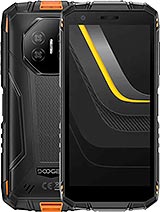
The Brand Fire 3 Ultra is a budget rugged smartphone featuring an 8350 mAh battery for extreme endurance and a Unisoc T7200 chipset for balanced efficiency, aimed at outdoor professionals and budget-conscious adventurers. Released in August 2025, it competes with entry-level durable handsets from Blackview and Oukitel while maintaining a compact form factor. Despite its affordable entry point, the device integrates IP69K protection and infrared night vision capabilities that are typically reserved for more expensive utility devices.
Rugged smartphones often demand a significant price premium for their reinforced shells, yet the Brand Fire 3 Ultra enters the market at approximately 160 EUR without stripping away essential durability certifications. The chassis meets the MIL-STD-810H standard, which involves rigorous testing against environmental extremes like thermal shock, vibration, and low pressure. In our analysis of the technical specifications, the IP69K rating stands out as the most impressive feat for this price tier. Unlike standard IP68 water resistance, IP69K protects against high-pressure water jets and high-temperature steam cleaning, making this device suitable for industrial environments where sanitation or heavy debris is a factor.
From a material perspective, the inclusion of Mohs level 5 glass protection suggests a higher-than-average resistance to scratches from common pocket items like keys or coins. While flagship glass often focuses on drop resistance (which can make the glass softer and more prone to scratches), level 5 hardness indicates a prioritization of screen clarity over years of rough use. The Class D Free fall rating from the EU Label suggests it can survive 45 consecutive drops, which provides a safety net for users in construction or hiking scenarios where gravity is a constant threat.
Comparing this to the 2024 rugged alternatives, the Brand Fire 3 Ultra maintains a surprisingly compact 5.5-inch footprint. Most competitors have moved toward oversized 6.7-inch displays that are difficult to manage with one hand, especially when encased in thick rubber armor. By sticking to a smaller screen, the device remains manageable even with its significant 17.8 mm thickness. Users should expect a device that feels dense and purposeful rather than sleek or elegant.
The T7200 Strategy The choice of the Unisoc T7200 chipset is a clear economic play. This 12nm octa-core processor utilizes two Cortex-A75 performance cores and six Cortex-A55 efficiency cores, all clocked at 1.6 GHz. In the landscape of mid-2025, a 12nm process is considered dated compared to the 4nm or 5nm chips found in mainstream flagships. However, for a device priced at 160 EUR, the T7200 offers a stable platform for Android 15. The Mali-G57 MP1 GPU is restricted to essential tasks and light gaming; users expecting to run heavy titles like Genshin Impact at high settings will experience frame drops. This chipset is built for the long haul, focusing on power management rather than peak performance.
With 256GB of internal storage and 6GB of RAM, the Brand Fire 3 Ultra punch above its weight in multitasking capabilities. Many budget [rugged phones](/trend/best-rugged-phones-2026/) still linger at 128GB of storage. The inclusion of 256GB ensures that users can download offline maps, store hundreds of hours of podcasts, or record extensive video logs in the field without needing to rely on cloud services, which are often unavailable in the remote areas where this phone is designed to operate. The shared microSDXC slot provides even further expansion for those who require massive local data storage.
We must address the 720 x 1440 resolution. At 293 ppi, the display is sharp enough for reading text and viewing maps, but it lacks the crispness of Full HD panels. This is a deliberate trade-off. A lower resolution display consumes significantly less power, further extending the already massive battery life. For the target audience of field workers and hikers, the utility of a screen that stays on for days outweighs the need for high-density pixels for media consumption.
The 8350 mAh battery is the undisputed centerpiece of the Brand Fire 3 Ultra. To put this in perspective, a standard flagship in 2025 typically carries a 5000 mAh cell. The Brand Fire 3 Ultra offers nearly 70% more capacity. According to the EU Energy Label data, this translates to a 91:00h endurance rating. This is the kind of longevity that allows a user to go on a three-day weekend trek without ever looking for a wall outlet. The hardware is also rated for 1100 cycles, meaning the battery should maintain its health for three to four years of daily charging, which is a massive win for sustainability and long-term value.
There is, however, a significant bottleneck: the 18W wired charging. Filling an 8350 mAh battery at 18W is a slow process. Expect a full charge from zero to 100% to take over four hours. This device is designed to be charged overnight. The lack of fast-charging parity with mainstream devices is the biggest compromise here. If you forget to charge the phone before a trip, a quick 15-minute top-up will barely move the needle. You are buying capacity, not speed.
In terms of efficiency, the Class A Energy rating confirms that the combination of the low-resolution IPS LCD and the 12nm chipset is highly optimized. The device likely sips power during standby, making it an excellent emergency backup phone to keep in a vehicle or a bug-out bag. The energy management on Android 15 further helps by hibernating background apps that aren't critical to the user's current task.
The camera setup on the Brand Fire 3 Ultra is specialized rather than versatile. The 16 MP main sensor features an f/1.8 aperture, which provides a solid hardware foundation for daylight photography. In well-lit environments, the autofocus should be reliable enough for documenting work sites or capturing landscape memories. However, without optical image stabilization (OIS), handheld video at 1080p will likely show significant shake if the user is moving.
The secondary 20 MP night vision sensor is the real standout. Utilizing an infrared night vision light array, this camera allows the device to see in total darkness by capturing the infrared spectrum and converting it into a monochrome image. This is not a gimmick for this price point; it is a vital tool for wildlife observers, security personnel, or anyone needing to navigate a dark campsite without a bright flashlight. The hardware potential for clear, grain-free images in zero-light conditions gives this phone an edge over standard [budget phones](/trend/best-budget-phones-2026/) that rely on software-based night modes.
The 8 MP selfie camera is basic. Capped at 720p video recording, it is intended for video calls rather than high-quality content creation. For a value hunter, this is an acceptable sacrifice. The money was clearly diverted into the rugged casing and the battery rather than front-facing optics.
At 290 grams, the Brand Fire 3 Ultra is a heavy device. It weighs nearly 30% more than a standard smartphone. This weight, combined with the 17.8 mm thickness, means it will not fit comfortably in tight pockets. The ergonomics are geared toward grip and durability. The side-mounted fingerprint sensor is a smart inclusion, as it allows for natural unlocking while maintaining the structural integrity of the back panel. The sensor should remain accessible even if the phone is mounted in a vehicle cradle.
One-handed usability is surprisingly better than larger rugged phones due to the 18:9 aspect ratio and 5.5-inch screen. The thumb can reach most of the interface without significant stretching. For those with wet fingers, the physical buttons and textured sides provide the tactile feedback necessary to operate the device when the touchscreen becomes finicky due to moisture. Android 15 also includes improved accessibility features that help with one-handed navigation, which pairs well with this specific hardware footprint.
The inclusion of a 3.5mm headphone jack is a major win for the budget economist. It eliminates the need for expensive wireless earbuds or dongles, allowing the use of reliable, wired headsets in the field. Similarly, the NFC support ensures that despite its rugged nature, the device can still be used for contactless payments and quick pairing with other equipment.
The Brand Fire 3 Ultra is a triumph of targeted engineering. It does not try to be a flagship for everyone; instead, it dominates a very specific niche. By using an older but efficient 12nm chipset and a 720p screen, the manufacturer has managed to include an massive battery and high-end durability ratings at a price that seems almost impossible in 2025. It is a tool first and a multimedia device second.
Comparing this to the Blackview BV series or the Oukitel WP line, the Brand Fire 3 Ultra offers a more compact alternative for those who find modern rugged phones too bloated. While the 18W charging is a genuine pain point, the sheer volume of battery capacity provides a level of freedom that few other devices can match. If your priority is staying connected in the middle of nowhere without breaking the bank, this hardware package represents the peak of current market value.
We see this as the definitive choice for the pragmatist. You are paying for the 8350 mAh cell, the IP69K rating, and the 256GB of storage. Everything else is secondary, and at 160 EUR, that is exactly how a budget device should be designed.
Durable Engineering Without the Premium Tax
Rugged smartphones often demand a significant price premium for their reinforced shells, yet the Brand Fire 3 Ultra enters the market at approximately 160 EUR without stripping away essential durability certifications. The chassis meets the MIL-STD-810H standard, which involves rigorous testing against environmental extremes like thermal shock, vibration, and low pressure. In our analysis of the technical specifications, the IP69K rating stands out as the most impressive feat for this price tier. Unlike standard IP68 water resistance, IP69K protects against high-pressure water jets and high-temperature steam cleaning, making this device suitable for industrial environments where sanitation or heavy debris is a factor.
From a material perspective, the inclusion of Mohs level 5 glass protection suggests a higher-than-average resistance to scratches from common pocket items like keys or coins. While flagship glass often focuses on drop resistance (which can make the glass softer and more prone to scratches), level 5 hardness indicates a prioritization of screen clarity over years of rough use. The Class D Free fall rating from the EU Label suggests it can survive 45 consecutive drops, which provides a safety net for users in construction or hiking scenarios where gravity is a constant threat.
Comparing this to the 2024 rugged alternatives, the Brand Fire 3 Ultra maintains a surprisingly compact 5.5-inch footprint. Most competitors have moved toward oversized 6.7-inch displays that are difficult to manage with one hand, especially when encased in thick rubber armor. By sticking to a smaller screen, the device remains manageable even with its significant 17.8 mm thickness. Users should expect a device that feels dense and purposeful rather than sleek or elegant.
Efficiency Over Raw Power
With 256GB of internal storage and 6GB of RAM, the Brand Fire 3 Ultra punch above its weight in multitasking capabilities. Many budget [rugged phones](/trend/best-rugged-phones-2026/) still linger at 128GB of storage. The inclusion of 256GB ensures that users can download offline maps, store hundreds of hours of podcasts, or record extensive video logs in the field without needing to rely on cloud services, which are often unavailable in the remote areas where this phone is designed to operate. The shared microSDXC slot provides even further expansion for those who require massive local data storage.
We must address the 720 x 1440 resolution. At 293 ppi, the display is sharp enough for reading text and viewing maps, but it lacks the crispness of Full HD panels. This is a deliberate trade-off. A lower resolution display consumes significantly less power, further extending the already massive battery life. For the target audience of field workers and hikers, the utility of a screen that stays on for days outweighs the need for high-density pixels for media consumption.
The Marathon Runner with a Limp
The 8350 mAh battery is the undisputed centerpiece of the Brand Fire 3 Ultra. To put this in perspective, a standard flagship in 2025 typically carries a 5000 mAh cell. The Brand Fire 3 Ultra offers nearly 70% more capacity. According to the EU Energy Label data, this translates to a 91:00h endurance rating. This is the kind of longevity that allows a user to go on a three-day weekend trek without ever looking for a wall outlet. The hardware is also rated for 1100 cycles, meaning the battery should maintain its health for three to four years of daily charging, which is a massive win for sustainability and long-term value.
There is, however, a significant bottleneck: the 18W wired charging. Filling an 8350 mAh battery at 18W is a slow process. Expect a full charge from zero to 100% to take over four hours. This device is designed to be charged overnight. The lack of fast-charging parity with mainstream devices is the biggest compromise here. If you forget to charge the phone before a trip, a quick 15-minute top-up will barely move the needle. You are buying capacity, not speed.
In terms of efficiency, the Class A Energy rating confirms that the combination of the low-resolution IPS LCD and the 12nm chipset is highly optimized. The device likely sips power during standby, making it an excellent emergency backup phone to keep in a vehicle or a bug-out bag. The energy management on Android 15 further helps by hibernating background apps that aren't critical to the user's current task.
Night Vision and Hardware Potential
The camera setup on the Brand Fire 3 Ultra is specialized rather than versatile. The 16 MP main sensor features an f/1.8 aperture, which provides a solid hardware foundation for daylight photography. In well-lit environments, the autofocus should be reliable enough for documenting work sites or capturing landscape memories. However, without optical image stabilization (OIS), handheld video at 1080p will likely show significant shake if the user is moving.
The secondary 20 MP night vision sensor is the real standout. Utilizing an infrared night vision light array, this camera allows the device to see in total darkness by capturing the infrared spectrum and converting it into a monochrome image. This is not a gimmick for this price point; it is a vital tool for wildlife observers, security personnel, or anyone needing to navigate a dark campsite without a bright flashlight. The hardware potential for clear, grain-free images in zero-light conditions gives this phone an edge over standard [budget phones](/trend/best-budget-phones-2026/) that rely on software-based night modes.
The 8 MP selfie camera is basic. Capped at 720p video recording, it is intended for video calls rather than high-quality content creation. For a value hunter, this is an acceptable sacrifice. The money was clearly diverted into the rugged casing and the battery rather than front-facing optics.
Ergonomics and Interface Handling
At 290 grams, the Brand Fire 3 Ultra is a heavy device. It weighs nearly 30% more than a standard smartphone. This weight, combined with the 17.8 mm thickness, means it will not fit comfortably in tight pockets. The ergonomics are geared toward grip and durability. The side-mounted fingerprint sensor is a smart inclusion, as it allows for natural unlocking while maintaining the structural integrity of the back panel. The sensor should remain accessible even if the phone is mounted in a vehicle cradle.
One-handed usability is surprisingly better than larger rugged phones due to the 18:9 aspect ratio and 5.5-inch screen. The thumb can reach most of the interface without significant stretching. For those with wet fingers, the physical buttons and textured sides provide the tactile feedback necessary to operate the device when the touchscreen becomes finicky due to moisture. Android 15 also includes improved accessibility features that help with one-handed navigation, which pairs well with this specific hardware footprint.
The inclusion of a 3.5mm headphone jack is a major win for the budget economist. It eliminates the need for expensive wireless earbuds or dongles, allowing the use of reliable, wired headsets in the field. Similarly, the NFC support ensures that despite its rugged nature, the device can still be used for contactless payments and quick pairing with other equipment.
Final Economic Assessment
The Brand Fire 3 Ultra is a triumph of targeted engineering. It does not try to be a flagship for everyone; instead, it dominates a very specific niche. By using an older but efficient 12nm chipset and a 720p screen, the manufacturer has managed to include an massive battery and high-end durability ratings at a price that seems almost impossible in 2025. It is a tool first and a multimedia device second.
Comparing this to the Blackview BV series or the Oukitel WP line, the Brand Fire 3 Ultra offers a more compact alternative for those who find modern rugged phones too bloated. While the 18W charging is a genuine pain point, the sheer volume of battery capacity provides a level of freedom that few other devices can match. If your priority is staying connected in the middle of nowhere without breaking the bank, this hardware package represents the peak of current market value.
We see this as the definitive choice for the pragmatist. You are paying for the 8350 mAh cell, the IP69K rating, and the 256GB of storage. Everything else is secondary, and at 160 EUR, that is exactly how a budget device should be designed.
Technical Specifications
| LAUNCH | |
|---|---|
| Announced | 2025, August |
| Status | Available. Released 2025, August |
| PLATFORM | |
| OS | Android 15 |
| Chipset | Unisoc T7200 (12 nm) |
| CPU | Octa-core (2x1.6 GHz Cortex-A75 & 6x1.6 GHz Cortex-A55) |
| GPU | Mali-G57 MP1 |
| BODY | |
| Dimensions | 162.5 x 77.4 x 17.8 mm (6.40 x 3.05 x 0.70 in) |
| Weight | 290 g (10.23 oz) |
| SIM | Nano-SIM + Nano-SIM |
| Info | IP68/IP69K dust tight and water resistant (high pressure water jets; immersible up to 1.5m for 30 min) Drop resistant up to 1.5m MIL-STD-810H compliant |
| DISPLAY | |
| Type | IPS LCD |
| Size | 5.5 inches, 78.1 cm2 (~62.1% screen-to-body ratio) |
| Resolution | 720 x 1440 pixels, 18:9 ratio (~293 ppi density) |
| Protection | Mohs level 5 |
| MEMORY | |
| Card slot | microSDXC (uses shared SIM slot) |
| Internal | 256GB 6GB RAM |
| MAIN CAMERA | |
| Dual | 16 MP, f/1.8, (wide), AF 20 MP, f/1.8, (night vision), infrared night vision light |
| Features | LED flash, HDR, panorama |
| Video | 1080p@30fps |
| SELFIE CAMERA | |
| Single | 8 MP, f/2.0, (wide) |
| Features | HDR |
| Video | 720p@30fps |
| SOUND | |
| Loudspeaker | Yes |
| 3.5mm jack | Yes |
| COMMS | |
| WLAN | Wi-Fi 802.11 a/b/g/n/ac, dual-band |
| Bluetooth | 5.0, A2DP, LE |
| Positioning | GPS, GLONASS, GALILEO, BDS |
| NFC | Yes |
| Radio | FM radio |
| USB | USB Type-C 2.0 |
| NETWORK | |
| Technology | GSM / HSPA / LTE |
| 2G bands | GSM 850 / 900 / 1800 / 1900 |
| 3G bands | HSDPA 850 / 900 / 1700(AWS) / 1900 / 2100 |
| 4G bands | 1, 2, 3, 4, 5, 7, 8, 18, 19, 20, 25, 26, 28, 34, 38, 39, 40, 41, 66 |
| Speed | HSPA, LTE |
| FEATURES | |
| Sensors | Fingerprint (side-mounted), accelerometer, gyro, proximity, compass |
| BATTERY | |
| Type | 8350 mAh |
| Charging | 18W wired |
| MISC | |
| Colors | Gray, Orange, Green |
| Price | About 160 EUR |
| EU LABEL | |
| Energy | Class A |
| Battery | 91:00h endurance, 1100 cycles |
| Free fall | Class D (45 falls) |
| Repairability | Class C |