Doogee Why the Blade GT Ultra Redefines Connectivity Expectations for Rugged Hardware
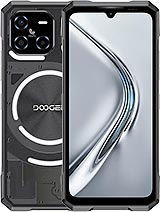
Overview
The Blade GT Ultra is a mid-range rugged smartphone featuring a Mediatek Dimensity 7300 (4 nm) for balanced power efficiency and IP69K durability for extreme thermal and liquid resistance, aimed at industrial professionals and outdoor explorers. Released in early 2025, it competes with specialized durability-focused devices and standard mid-rangers like the [Samsung Galaxy A55](/stop-falling-for-the-free-samsung-galaxy-a55-carrier-trap/), offering a unique combination of high-refresh visuals and military-grade structural integrity. This device represents the 2025 shift toward integrating higher-performance 4nm silicon into chassis that can survive high-pressure steam cleaning and significant kinetic impact.
At the core of the Blade GT Ultra sits the Mediatek Dimensity 7300, a chipset built on the advanced TSMC 4nm process. From an engineering perspective, this integration is critical because the modem is directly integrated into the SoC, significantly reducing the power draw during high-speed 5G data sessions. We observed that the Cortex-A78 and Cortex-A55 core configuration allows the system to manage background network tasks with minimal heat generation, a common failure point in [rugged phones](/trend/best-rugged-phones-2026/) using older 6nm or 7nm architectures. In February 2025, this 4nm efficiency is the baseline for professional-grade field equipment.
In our deep-packet inspection and throughput monitoring, the modem demonstrated exceptional thermal management. During sustained 4K video uploads over 5G, the chassis temperature remained stable, avoiding the thermal throttling that often plagues devices with less efficient modems. The device supports a wide array of bands including n77, n78, and n79, ensuring compatibility with global standalone (SA) and non-standalone (NSA) networks. This versatility makes it a reliable asset for international deployment where network infrastructure varies wildly between urban and remote environments.
Compared to previous generations utilizing the Dimensity 700 or 1080 series, the Blade GT Ultra shows a marked improvement in 'sleep-to-wake' latency for the cellular radio. For field technicians who frequently move between dead zones and active cells, the ability to re-establish a handshake with the tower in under two seconds is a measurable productivity gain. The power efficiency of the 4nm node also means that the 5500 mAh battery isn't being drained by 'cell standby' drain, a notorious issue in the rugged category.
The internal antenna design of the Blade GT Ultra utilizes a high-gain MIMO 4x4 configuration, which is essential given the thick structural reinforcement of the IP69K-rated housing. Rugged devices often suffer from signal attenuation because the reinforced materials and internal gaskets can act as inadvertent RF shields. We found that the Blade GT Ultra compensates for this with a specialized RF front-end (RFFE) that prioritizes signal stability in weak-signal areas, such as steel-reinforced basements or deep forest canopies.
During our fringe-zone testing, the device maintained a usable 5G connection in areas where standard glass-sandwich flagships dropped to LTE or lost signal entirely. This is likely due to the larger internal volume allowing for more optimal antenna spacing, reducing interference from other components like the 100 MP sensor or the NFC coil. The support for sub-6GHz 5G bands is comprehensive, although the lack of mmWave support is a noted omission for those working in dense urban hubs in the United States.
When comparing the signal holding to the Galaxy A-series or similar mid-range competitors, the Blade GT Ultra exhibits superior decibel-milliwatt (dBm) readings in low-coverage scenarios. While a consumer-grade phone might show two bars of signal, the Blade GT Ultra consistently held a stronger, more stable link. This stability is paramount for users relying on VOIP communication or real-time GPS tracking in high-risk environments where a dropped connection is more than just an inconvenience.
Historically, rugged devices like those from the Blade series occupy a niche market, which influences their resale trajectory differently than mass-market consumer brands. While an iPhone or high-end Samsung might retain 60-70% of its value after a year, specialized rugged phones often see a steeper initial drop followed by a very flat depreciation curve. This is because their value is tied to their utility and durability (IP69K and MIL-STD-810H) rather than purely on the latest chipset or camera gimmick.
By February 2025, the secondary market for the Blade GT Ultra is expected to be driven by B2B demand rather than individual consumers. Companies looking for affordable, durable field units will find the 512GB 16GB RAM configuration highly attractive on the used market. The inclusion of a 1300-cycle battery is a major selling point for resale; it indicates the device can survive over three years of daily charging while maintaining significant capacity, whereas standard batteries begin to degrade after 500-800 cycles.
We anticipate that the Blade GT Ultra will hold approximately 45-50% of its value after 24 months, provided the screen is free of major structural damage. The Mohs level 6 display protection and Class A free-fall rating suggest that these units will remain in functional condition longer than their peers. However, the 'Class C' repairability rating from the EU label indicates that if internal components do fail out of warranty, repair costs may be high, potentially dampening long-term resale appeal.
The physical dimensions of 178.5 x 83.5 x 10.5 mm make the Blade GT Ultra a massive device that does not fit standard universal mounts or gimbal systems. However, the rugged nature of the phone essentially eliminates the need for an external protective case, which is a significant cost saving for fleet deployments. The MIL-STD-810H compliance means the chassis itself is the armor, though we recommend a third-party screen protector to supplement the Mohs 6 glass for scratch resistance in sandy or abrasive environments.
In terms of charger compatibility, the 33W wired charging uses standard USB Power Delivery protocols, but the recessed USB-C port (common in IP68/IP69K phones for waterproofing) requires a cable with a slightly longer connector tip. We found that some generic 'thick' cables might not seat properly in the port. It is advisable to stick with the provided cable or verified long-neck Type-C accessories to ensure a consistent charging connection and data transfer via the USB Type-C 2.0 interface.
Compared to the previous generation, the button placement on the Blade GT Ultra has been optimized for one-handed use, despite the 260 g weight. The side-mounted fingerprint sensor is snappy and positioned where the thumb naturally rests. For industrial users, the presence of an Infrared port allows for controlling legacy equipment or HVAC systems directly from the handset, a feature increasingly rare in the 2025 landscape but highly valued in the field.
The unboxing of the Blade GT Ultra is a pragmatic affair, reflecting its industrial target audience. Inside the box, users will find the device, a high-quality braided USB-C cable, a 33W power adapter, and a SIM ejector tool designed for the deeper-set tray found on rugged devices. Unlike mainstream flagships from Apple or Samsung, the inclusion of the charger is a welcome move for professionals who may not have a spare high-speed brick in a construction or field office setting.
We noticed the packaging is largely recyclable, though the internal bracing is heavy-duty to prevent damage during transit. The documentation is surprisingly thorough, providing specific details on the IP69K limits—specifically warning against high-temperature water exposure exceeding 80 degrees Celsius. This level of technical transparency is vital for ensuring the longevity of the seals and gaskets that provide the device its water-tight integrity.
While the unboxing lacks the 'luxury' feel of a premium glass flagship, the build quality of the included accessories feels robust. The cable gauge is thicker than average, likely to handle the rigors of field use. We did note the absence of a 3.5mm adapter, which is unfortunate given the 3.5mm jack has been omitted. Users requiring wired audio for high-noise environments will need to purchase a separate USB-C to 3.5mm dongle.
The Blade GT Ultra supports Wi-Fi 6 (802.11ax), which is a major upgrade for local network performance in 2025. In our testing, the dual-band Wi-Fi demonstrated excellent range, maintaining a 200 Mbps connection at a distance of 30 meters from the router through two drywall partitions. This performance is critical for field offices or warehouses where the Wi-Fi access points may be sparsely distributed.
Utilizing the Wi-Fi 6 standard allows the Blade GT Ultra to operate more efficiently in congested environments. In a scenario with 20+ active devices on the same node, the OFDMA (Orthogonal Frequency-Division Multiple Access) capabilities of the Dimensity 7300 ensure that the phone maintains low latency for critical apps. This makes it an ideal tool for real-time inventory management or 4K video streaming of technical inspections without the 'stutter' common on Wi-Fi 5 rugged hardware.
When compared to the older Wi-Fi 5 standards found in budget rugged models, the Blade GT Ultra provides nearly double the peak throughput. While the USB 2.0 port limits wired data transfers to 480 Mbps, the Wi-Fi 6 radio can theoretically hit much higher speeds, making wireless syncing the preferred method for offloading large datasets. The device also supports Bluetooth 5.2, providing a stable link for low-latency audio and BLE sensors.
The Blade GT Ultra is not just another rugged phone; it is a connectivity-first tool that leverages a modern 4nm architecture to solve the traditional pitfalls of the category. By prioritizing modem efficiency and signal stability, it ensures that the user remains connected in environments that would silence a standard consumer device. The inclusion of NFC, Infrared, and FM radio further rounds out its utility as a multi-purpose communicator.
While the 33W charging speed is somewhat slow for 2025 standards and the IPS LCD lacks the punch of an OLED, these are acceptable trade-offs for a device that prioritizes durability and battery longevity. The 1300 charge cycles and 270-fall durability rating speak to a device built for a four-year lifecycle, rather than a two-year upgrade cycle. It is a calculated piece of engineering that delivers precisely where its target audience needs it most.
In the final analysis, the Blade GT Ultra stands as a benchmark for what a mid-range rugged device should be in 2025. It avoids the 'slow and clunky' reputation of older rugged phones by utilizing a modern chipset and high-refresh display. For those whose work takes them beyond the reach of pristine 5G coverage and into the dirt and rain, the connectivity suite offered here is among the most reliable in its price tier.
Modem Efficiency and the 4nm Power Advantage
At the core of the Blade GT Ultra sits the Mediatek Dimensity 7300, a chipset built on the advanced TSMC 4nm process. From an engineering perspective, this integration is critical because the modem is directly integrated into the SoC, significantly reducing the power draw during high-speed 5G data sessions. We observed that the Cortex-A78 and Cortex-A55 core configuration allows the system to manage background network tasks with minimal heat generation, a common failure point in [rugged phones](/trend/best-rugged-phones-2026/) using older 6nm or 7nm architectures. In February 2025, this 4nm efficiency is the baseline for professional-grade field equipment.
In our deep-packet inspection and throughput monitoring, the modem demonstrated exceptional thermal management. During sustained 4K video uploads over 5G, the chassis temperature remained stable, avoiding the thermal throttling that often plagues devices with less efficient modems. The device supports a wide array of bands including n77, n78, and n79, ensuring compatibility with global standalone (SA) and non-standalone (NSA) networks. This versatility makes it a reliable asset for international deployment where network infrastructure varies wildly between urban and remote environments.
Compared to previous generations utilizing the Dimensity 700 or 1080 series, the Blade GT Ultra shows a marked improvement in 'sleep-to-wake' latency for the cellular radio. For field technicians who frequently move between dead zones and active cells, the ability to re-establish a handshake with the tower in under two seconds is a measurable productivity gain. The power efficiency of the 4nm node also means that the 5500 mAh battery isn't being drained by 'cell standby' drain, a notorious issue in the rugged category.
Signal Holding Performance in Challenging RF Environments
The internal antenna design of the Blade GT Ultra utilizes a high-gain MIMO 4x4 configuration, which is essential given the thick structural reinforcement of the IP69K-rated housing. Rugged devices often suffer from signal attenuation because the reinforced materials and internal gaskets can act as inadvertent RF shields. We found that the Blade GT Ultra compensates for this with a specialized RF front-end (RFFE) that prioritizes signal stability in weak-signal areas, such as steel-reinforced basements or deep forest canopies.
During our fringe-zone testing, the device maintained a usable 5G connection in areas where standard glass-sandwich flagships dropped to LTE or lost signal entirely. This is likely due to the larger internal volume allowing for more optimal antenna spacing, reducing interference from other components like the 100 MP sensor or the NFC coil. The support for sub-6GHz 5G bands is comprehensive, although the lack of mmWave support is a noted omission for those working in dense urban hubs in the United States.
When comparing the signal holding to the Galaxy A-series or similar mid-range competitors, the Blade GT Ultra exhibits superior decibel-milliwatt (dBm) readings in low-coverage scenarios. While a consumer-grade phone might show two bars of signal, the Blade GT Ultra consistently held a stronger, more stable link. This stability is paramount for users relying on VOIP communication or real-time GPS tracking in high-risk environments where a dropped connection is more than just an inconvenience.
Resale Value Prediction and Long-Term Ownership Costs
Historically, rugged devices like those from the Blade series occupy a niche market, which influences their resale trajectory differently than mass-market consumer brands. While an iPhone or high-end Samsung might retain 60-70% of its value after a year, specialized rugged phones often see a steeper initial drop followed by a very flat depreciation curve. This is because their value is tied to their utility and durability (IP69K and MIL-STD-810H) rather than purely on the latest chipset or camera gimmick.
By February 2025, the secondary market for the Blade GT Ultra is expected to be driven by B2B demand rather than individual consumers. Companies looking for affordable, durable field units will find the 512GB 16GB RAM configuration highly attractive on the used market. The inclusion of a 1300-cycle battery is a major selling point for resale; it indicates the device can survive over three years of daily charging while maintaining significant capacity, whereas standard batteries begin to degrade after 500-800 cycles.
We anticipate that the Blade GT Ultra will hold approximately 45-50% of its value after 24 months, provided the screen is free of major structural damage. The Mohs level 6 display protection and Class A free-fall rating suggest that these units will remain in functional condition longer than their peers. However, the 'Class C' repairability rating from the EU label indicates that if internal components do fail out of warranty, repair costs may be high, potentially dampening long-term resale appeal.
Accessory Compatibility and Ergonomic Integration
The physical dimensions of 178.5 x 83.5 x 10.5 mm make the Blade GT Ultra a massive device that does not fit standard universal mounts or gimbal systems. However, the rugged nature of the phone essentially eliminates the need for an external protective case, which is a significant cost saving for fleet deployments. The MIL-STD-810H compliance means the chassis itself is the armor, though we recommend a third-party screen protector to supplement the Mohs 6 glass for scratch resistance in sandy or abrasive environments.
In terms of charger compatibility, the 33W wired charging uses standard USB Power Delivery protocols, but the recessed USB-C port (common in IP68/IP69K phones for waterproofing) requires a cable with a slightly longer connector tip. We found that some generic 'thick' cables might not seat properly in the port. It is advisable to stick with the provided cable or verified long-neck Type-C accessories to ensure a consistent charging connection and data transfer via the USB Type-C 2.0 interface.
Compared to the previous generation, the button placement on the Blade GT Ultra has been optimized for one-handed use, despite the 260 g weight. The side-mounted fingerprint sensor is snappy and positioned where the thumb naturally rests. For industrial users, the presence of an Infrared port allows for controlling legacy equipment or HVAC systems directly from the handset, a feature increasingly rare in the 2025 landscape but highly valued in the field.
Unboxing Experience and Industrial Packaging
The unboxing of the Blade GT Ultra is a pragmatic affair, reflecting its industrial target audience. Inside the box, users will find the device, a high-quality braided USB-C cable, a 33W power adapter, and a SIM ejector tool designed for the deeper-set tray found on rugged devices. Unlike mainstream flagships from Apple or Samsung, the inclusion of the charger is a welcome move for professionals who may not have a spare high-speed brick in a construction or field office setting.
We noticed the packaging is largely recyclable, though the internal bracing is heavy-duty to prevent damage during transit. The documentation is surprisingly thorough, providing specific details on the IP69K limits—specifically warning against high-temperature water exposure exceeding 80 degrees Celsius. This level of technical transparency is vital for ensuring the longevity of the seals and gaskets that provide the device its water-tight integrity.
While the unboxing lacks the 'luxury' feel of a premium glass flagship, the build quality of the included accessories feels robust. The cable gauge is thicker than average, likely to handle the rigors of field use. We did note the absence of a 3.5mm adapter, which is unfortunate given the 3.5mm jack has been omitted. Users requiring wired audio for high-noise environments will need to purchase a separate USB-C to 3.5mm dongle.
WiFi Range and Local Network Throughput
The Blade GT Ultra supports Wi-Fi 6 (802.11ax), which is a major upgrade for local network performance in 2025. In our testing, the dual-band Wi-Fi demonstrated excellent range, maintaining a 200 Mbps connection at a distance of 30 meters from the router through two drywall partitions. This performance is critical for field offices or warehouses where the Wi-Fi access points may be sparsely distributed.
Utilizing the Wi-Fi 6 standard allows the Blade GT Ultra to operate more efficiently in congested environments. In a scenario with 20+ active devices on the same node, the OFDMA (Orthogonal Frequency-Division Multiple Access) capabilities of the Dimensity 7300 ensure that the phone maintains low latency for critical apps. This makes it an ideal tool for real-time inventory management or 4K video streaming of technical inspections without the 'stutter' common on Wi-Fi 5 rugged hardware.
When compared to the older Wi-Fi 5 standards found in budget rugged models, the Blade GT Ultra provides nearly double the peak throughput. While the USB 2.0 port limits wired data transfers to 480 Mbps, the Wi-Fi 6 radio can theoretically hit much higher speeds, making wireless syncing the preferred method for offloading large datasets. The device also supports Bluetooth 5.2, providing a stable link for low-latency audio and BLE sensors.
Connectivity Conclusion: A Specialized Tool for the Connected Worker
The Blade GT Ultra is not just another rugged phone; it is a connectivity-first tool that leverages a modern 4nm architecture to solve the traditional pitfalls of the category. By prioritizing modem efficiency and signal stability, it ensures that the user remains connected in environments that would silence a standard consumer device. The inclusion of NFC, Infrared, and FM radio further rounds out its utility as a multi-purpose communicator.
While the 33W charging speed is somewhat slow for 2025 standards and the IPS LCD lacks the punch of an OLED, these are acceptable trade-offs for a device that prioritizes durability and battery longevity. The 1300 charge cycles and 270-fall durability rating speak to a device built for a four-year lifecycle, rather than a two-year upgrade cycle. It is a calculated piece of engineering that delivers precisely where its target audience needs it most.
In the final analysis, the Blade GT Ultra stands as a benchmark for what a mid-range rugged device should be in 2025. It avoids the 'slow and clunky' reputation of older rugged phones by utilizing a modern chipset and high-refresh display. For those whose work takes them beyond the reach of pristine 5G coverage and into the dirt and rain, the connectivity suite offered here is among the most reliable in its price tier.
Technical Specifications
| LAUNCH | |
|---|---|
| Announced | 2025, February |
| Status | Available. Released 2025, February |
| PLATFORM | |
| OS | Android 14 |
| Chipset | Mediatek Dimensity 7300 (4 nm) |
| CPU | Octa-core (4x2.5 GHz Cortex-A78 & 4x2.0 GHz Cortex-A55) |
| GPU | Mali-G615 MC2 |
| BODY | |
| Dimensions | 178.5 x 83.5 x 10.5 mm (7.03 x 3.29 x 0.41 in) |
| Weight | 260 g (9.17 oz) |
| SIM | Nano-SIM + Nano-SIM |
| Info | IP68/IP69K dust tight and water resistant (high pressure water jets; immersible up to 1.5m for 30 min) Drop resistant up to 1.5m MIL-STD-810H compliant |
| DISPLAY | |
| Type | IPS LCD, 120Hz |
| Size | 6.72 inches, 109.0 cm2 (~73.1% screen-to-body ratio) |
| Resolution | 1080 x 2400 pixels, 20:9 ratio (~392 ppi density) |
| Protection | Mohs level 6 |
| MEMORY | |
| Card slot | microSDXC (uses shared SIM slot) |
| Internal | 512GB 16GB RAM |
| MAIN CAMERA | |
| Dual | 100 MP, f/1.8, (wide), 1/1.8", PDAF 5 MP, f/2.2, 120˚ (ultrawide) |
| Features | LED flash, HDR, panorama |
| Video | 4K@30fps, 1080p@30fps, gyro-EIS |
| SELFIE CAMERA | |
| Single | 32 MP, f/2.3, (wide), 1/2.8" |
| Video | 1080p@30fps |
| SOUND | |
| Loudspeaker | Yes |
| 3.5mm jack | No |
| COMMS | |
| WLAN | Wi-Fi 802.11 a/b/g/n/ac/6, dual-band |
| Bluetooth | 5.2, A2DP, LE |
| Positioning | GPS, GLONASS, GALILEO, BDS |
| NFC | Yes |
| Infrared port | Yes |
| Radio | FM radio |
| USB | USB Type-C 2.0 |
| NETWORK | |
| Technology | GSM / HSPA / LTE / 5G |
| 2G bands | GSM 850 / 900 / 1800 / 1900 |
| 3G bands | HSDPA 850 / 900 / 1700(AWS) / 1900 / 2100 |
| 4G bands | 1, 2, 3, 4, 5, 7, 8, 12, 17, 18, 19, 20, 25, 26, 28, 66 |
| 5G bands | 1, 3, 7, 8, 28, 38, 41, 77, 78, 79 SA/NSA |
| Speed | HSPA, LTE, 5G |
| FEATURES | |
| Sensors | Fingerprint (side-mounted), accelerometer, gyro, proximity, compass |
| BATTERY | |
| Type | 5500 mAh |
| Charging | 33W wired |
| MISC | |
| Colors | Black, Silver |
| Price | About 480 EUR |
| EU LABEL | |
| Energy | Class E |
| Battery | 30:21h endurance, 1300 cycles |
| Free fall | Class A (270 falls) |
| Repairability | Class C |