Endurance Meets Economy - Why the Vivo Y19s Pro Is the Smarter Choice Than a Used Flagship
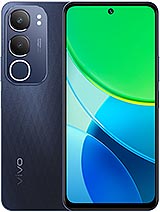
Overview
The Vivo Y19s Pro is a budget-tier smartphone featuring a 6000 mAh Li-Ion battery and MIL-STD-810H durability for extreme resilience, designed to provide long-term utility for high-activity users. Released in mid-2025, it competes with aging former flagships and entry-level handsets by prioritizing power efficiency and physical toughness over raw processing speed.
Buying a smartphone in mid-2025 presents a classic dilemma: do you hunt for a three-year-old flagship with a cracked back and a dying battery, or do you invest in a fresh, warranty-protected budget device? For the value-conscious buyer, the Vivo Y19s Pro makes a compelling case. A 2022 flagship might offer a faster processor, but after three years of heat cycles, its battery likely holds 75% of its original capacity. In contrast, this handset arrives with a massive 6000 mAh cell at 100% health. This is the difference between reaching for a charger at 2:00 PM and going two full days without a plug. We see this as a pivot from 'status' to 'utility'.
Warranty coverage often disappears in the used market. If a motherboard fails on a used Galaxy or iPhone, the repair cost often exceeds the device's market value. By choosing this new model, users gain a safety net. The financial risk is minimized. At a price point near 100 EUR, the depreciation curve is almost flat. You cannot lose much money on a device that costs less than a fancy dinner for four, whereas a used flagship can still drop significantly in value as it loses software support.
While flagships favor fragile glass sandwiches, this model leans into high-quality plastics and structural reinforcement. It carries a MIL-STD-810H certification. This is a United States military standard that certifies the hardware's durability against environmental extremes, including shock, vibration, and temperature. For a delivery driver, a construction worker, or a student, this resilience is worth more than a titanium frame that still shatters on impact with concrete. The plastic back absorbs energy during a fall, whereas glass transmits that energy directly to the internal components.
Protection against the elements is equally vital. The IP64 rating ensures the device is completely dust-tight and protected against water splashes from any direction. While you shouldn't take it swimming, it will survive a sudden downpour or a dusty workshop. In the budget sector, these protections are often the first things cut to save costs. Seeing them here suggests the manufacturer is targeting longevity. It is a tool, not a fashion statement.
Historically, Vivo budget devices do not hold value like a Pro Max or an Ultra, but the math changes at the bottom of the market. Because the entry price is so low, the total dollar amount lost over two years is negligible. If you buy a phone for 100 EUR and sell it for 40 EUR two years later, your cost of ownership was 2.50 EUR per month. This is the definition of a smart economic move. You are essentially paying for the service of communication rather than the prestige of a brand.
Software support is another factor. This device ships with Android 15 and Funtouch 15. A used flagship from 2022 is likely nearing its final security patch or major OS update. By June 2025, those older devices will feel sluggish and vulnerable. This handset starts its journey with the latest API levels and security protocols, ensuring compatibility with banking apps and work software for years to come. It is a low-risk investment for those who view technology as a tool for productivity.
Unlike the premium segment where the charging brick has become a relic of the past, this model remains consumer-friendly. The unboxing experience reveals a 44W wired charger included in the box. In 2025, buying a separate 45W GAN charger can cost 25% of this phone's total price. Including it is a massive value add. We also find a factory-applied screen protector and a basic protective case, meaning the user spends zero extra dollars on day one.
Connectivity options remain traditional in the best way possible. The inclusion of a 3.5mm headphone jack is a win for those who don't want to manage battery levels for wireless earbuds. It also features a dedicated microSDXC slot. Instead of paying a 100-euro premium for more internal storage, users can slide in a cheap 256GB card. This flexibility is rarely found in the premium used market, where you are stuck with whatever internal capacity the original owner chose.
The engine under the hood is the Unisoc Tiger T612. To be clear, this is not a gaming powerhouse. It uses a 12nm process with Cortex-A75 and Cortex-A55 cores. In our analysis, this chipset is designed for stability and power efficiency rather than high-frame-rate gaming. It handles social media, navigation, and video streaming without issue, but don't expect it to shred through heavy 3D titles. The storage uses eMMC 5.1 technology. This is a cost-effective integrated storage standard that, while slower than UFS, provides reliable data transfer for everyday tasks.
Memory management is handled by up to 8GB of RAM, which is sufficient for Android 15's background task management. However, the eMMC 5.1 bottleneck means app installation and large file transfers will take longer than on a flagship. This is the trade-off. You are trading speed for endurance and price. If your daily workflow involves email, WhatsApp, and Google Maps, the difference is negligible. If you are a mobile video editor, this is not the device for you.
The screen is a 6.68-inch IPS LCD. At 720 x 1608 pixels, the pixel density is approximately 264 ppi. In a world of 1440p panels, this sounds low, but the high brightness mode (HBM) reaching 1000 nits is the real hero here. Visibility in direct sunlight is often a major pain point for [budget phones](/trend/best-budget-phones-2026/). This model solves that. It is better to have a readable 720p screen in the sun than a 1080p screen that turns into a mirror.
The 90Hz refresh rate adds a layer of perceived smoothness to the UI. It makes scrolling through news feeds feel more responsive than the standard 60Hz found on older budget models. The panel choice also aids the 6000 mAh battery. Driving a 720p LCD takes significantly less power than driving a high-resolution OLED, which is why this device can easily push into a third day of light use. It is a calculated compromise that favors the 'Endurance' side of the ledger.
The Vivo Y19s Pro is the quintessential 'utility' smartphone for 2025. It abandons the pursuit of thinness and pixel-peeping specs to deliver a device that won't break when dropped and won't die before the weekend is over. For a student, a senior, or anyone who treats their phone like a hammer rather than a piece of jewelry, the value proposition is undeniable. It isn't a flagship killer, but it is a flagship replacement for those who are tired of fragile screens and midday charging sessions.
The Economics of New vs Used in 2025
Buying a smartphone in mid-2025 presents a classic dilemma: do you hunt for a three-year-old flagship with a cracked back and a dying battery, or do you invest in a fresh, warranty-protected budget device? For the value-conscious buyer, the Vivo Y19s Pro makes a compelling case. A 2022 flagship might offer a faster processor, but after three years of heat cycles, its battery likely holds 75% of its original capacity. In contrast, this handset arrives with a massive 6000 mAh cell at 100% health. This is the difference between reaching for a charger at 2:00 PM and going two full days without a plug. We see this as a pivot from 'status' to 'utility'.
Warranty coverage often disappears in the used market. If a motherboard fails on a used Galaxy or iPhone, the repair cost often exceeds the device's market value. By choosing this new model, users gain a safety net. The financial risk is minimized. At a price point near 100 EUR, the depreciation curve is almost flat. You cannot lose much money on a device that costs less than a fancy dinner for four, whereas a used flagship can still drop significantly in value as it loses software support.
Build Quality That Defies the Price Tag
While flagships favor fragile glass sandwiches, this model leans into high-quality plastics and structural reinforcement. It carries a MIL-STD-810H certification. This is a United States military standard that certifies the hardware's durability against environmental extremes, including shock, vibration, and temperature. For a delivery driver, a construction worker, or a student, this resilience is worth more than a titanium frame that still shatters on impact with concrete. The plastic back absorbs energy during a fall, whereas glass transmits that energy directly to the internal components.
Protection against the elements is equally vital. The IP64 rating ensures the device is completely dust-tight and protected against water splashes from any direction. While you shouldn't take it swimming, it will survive a sudden downpour or a dusty workshop. In the budget sector, these protections are often the first things cut to save costs. Seeing them here suggests the manufacturer is targeting longevity. It is a tool, not a fashion statement.
Resale Value and Long-Term Investment
Historically, Vivo budget devices do not hold value like a Pro Max or an Ultra, but the math changes at the bottom of the market. Because the entry price is so low, the total dollar amount lost over two years is negligible. If you buy a phone for 100 EUR and sell it for 40 EUR two years later, your cost of ownership was 2.50 EUR per month. This is the definition of a smart economic move. You are essentially paying for the service of communication rather than the prestige of a brand.
Software support is another factor. This device ships with Android 15 and Funtouch 15. A used flagship from 2022 is likely nearing its final security patch or major OS update. By June 2025, those older devices will feel sluggish and vulnerable. This handset starts its journey with the latest API levels and security protocols, ensuring compatibility with banking apps and work software for years to come. It is a low-risk investment for those who view technology as a tool for productivity.
Accessory Compatibility and the Inbox Experience
Unlike the premium segment where the charging brick has become a relic of the past, this model remains consumer-friendly. The unboxing experience reveals a 44W wired charger included in the box. In 2025, buying a separate 45W GAN charger can cost 25% of this phone's total price. Including it is a massive value add. We also find a factory-applied screen protector and a basic protective case, meaning the user spends zero extra dollars on day one.
Connectivity options remain traditional in the best way possible. The inclusion of a 3.5mm headphone jack is a win for those who don't want to manage battery levels for wireless earbuds. It also features a dedicated microSDXC slot. Instead of paying a 100-euro premium for more internal storage, users can slide in a cheap 256GB card. This flexibility is rarely found in the premium used market, where you are stuck with whatever internal capacity the original owner chose.
Performance Reality and Internal Hardware
The engine under the hood is the Unisoc Tiger T612. To be clear, this is not a gaming powerhouse. It uses a 12nm process with Cortex-A75 and Cortex-A55 cores. In our analysis, this chipset is designed for stability and power efficiency rather than high-frame-rate gaming. It handles social media, navigation, and video streaming without issue, but don't expect it to shred through heavy 3D titles. The storage uses eMMC 5.1 technology. This is a cost-effective integrated storage standard that, while slower than UFS, provides reliable data transfer for everyday tasks.
Memory management is handled by up to 8GB of RAM, which is sufficient for Android 15's background task management. However, the eMMC 5.1 bottleneck means app installation and large file transfers will take longer than on a flagship. This is the trade-off. You are trading speed for endurance and price. If your daily workflow involves email, WhatsApp, and Google Maps, the difference is negligible. If you are a mobile video editor, this is not the device for you.
Display and Visual Compromises
The screen is a 6.68-inch IPS LCD. At 720 x 1608 pixels, the pixel density is approximately 264 ppi. In a world of 1440p panels, this sounds low, but the high brightness mode (HBM) reaching 1000 nits is the real hero here. Visibility in direct sunlight is often a major pain point for [budget phones](/trend/best-budget-phones-2026/). This model solves that. It is better to have a readable 720p screen in the sun than a 1080p screen that turns into a mirror.
The 90Hz refresh rate adds a layer of perceived smoothness to the UI. It makes scrolling through news feeds feel more responsive than the standard 60Hz found on older budget models. The panel choice also aids the 6000 mAh battery. Driving a 720p LCD takes significantly less power than driving a high-resolution OLED, which is why this device can easily push into a third day of light use. It is a calculated compromise that favors the 'Endurance' side of the ledger.
Final Take on the Vivo Y19s Pro
The Vivo Y19s Pro is the quintessential 'utility' smartphone for 2025. It abandons the pursuit of thinness and pixel-peeping specs to deliver a device that won't break when dropped and won't die before the weekend is over. For a student, a senior, or anyone who treats their phone like a hammer rather than a piece of jewelry, the value proposition is undeniable. It isn't a flagship killer, but it is a flagship replacement for those who are tired of fragile screens and midday charging sessions.
Technical Specifications
| LAUNCH | |
|---|---|
| Announced | 2025, June 10 |
| Status | Available. Released 2025, June 10 |
| PLATFORM | |
| OS | Android 15, Funtouch 15 |
| Chipset | Unisoc Tiger T612 (12 nm) |
| CPU | Octa-core (2x1.8 GHz Cortex-A75 & 6x1.8 GHz Cortex-A55) |
| GPU | Mali-G57 |
| BODY | |
| Dimensions | 165.8 x 76.1 x 8.1 mm (6.53 x 3.00 x 0.32 in) |
| Weight | 200 g (7.05 oz) |
| Build | Glass front, plastic back, plastic frame |
| SIM | Nano-SIM + Nano-SIM |
| Info | IP64 dust tight and water resistant (water splashes) MIL-STD-810H compliant* * does not guarantee ruggedness or use in extreme conditions |
| DISPLAY | |
| Type | IPS LCD, 90Hz, 1000 nits (HBM) |
| Size | 6.68 inches, 107.4 cm2 (~85.1% screen-to-body ratio) |
| Resolution | 720 x 1608 pixels, 20:9 ratio (~264 ppi density) |
| MEMORY | |
| Card slot | microSDXC (dedicated slot) |
| Internal | 64GB 4GB RAM, 128GB 6GB RAM, 256GB 6GB RAM, 256GB 8GB RAM |
| Info | eMMC 5.1 |
| MAIN CAMERA | |
| Single | 50 MP, f/1.8, (wide), 1/1.95", 0.8µm, PDAF Auxiliary lens |
| Features | Ring-LED flash, panorama |
| Video | 1080p@30fps |
| SELFIE CAMERA | |
| Single | 5 MP, f/2.2 |
| Video | Yes |
| SOUND | |
| Loudspeaker | Yes, with dual speakers |
| 3.5mm jack | Yes |
| COMMS | |
| WLAN | Wi-Fi 802.11 a/b/g/n/ac, dual-band |
| Bluetooth | 5.2, A2DP, LE |
| Positioning | GPS, GLONASS, GALILEO, BDS, QZSS |
| NFC | No |
| Radio | FM radio |
| USB | USB Type-C 2.0, OTG |
| NETWORK | |
| Technology | GSM / HSPA / LTE |
| 2G bands | GSM 850 / 900 / 1800 / 1900 |
| 3G bands | HSDPA 850 / 900 / 2100 |
| 4G bands | 1, 3, 5, 7, 8, 20, 28, 38, 40, 41 |
| Speed | HSPA, LTE |
| FEATURES | |
| Sensors | Fingerprint (side-mounted), accelerometer, proximity, compass |
| BATTERY | |
| Type | Li-Ion 6000 mAh |
| Charging | 44W wired, 40% in 30 min Reverse wired |
| MISC | |
| Colors | Pearl Silver, Glossy Black, Glacier Blue |
| Price | About 100 EUR |