Energizer H67G - The Practical 5G Choice for Long-Term Value
Overview
The Energizer H67G is a budget 5G smartphone featuring a Mediatek Dimensity 720 for stable network performance and a 6.78-inch 90Hz IPS LCD for smooth interactions, aimed at users prioritizing connectivity and battery health over premium aesthetics. Released in February 2024, it enters a market where it must compete with the lure of refurbished flagships and emerging low-cost 5G rivals.
As we enter early 2024, the budget smartphone market is more crowded than ever. We often see buyers debating whether to spend 310 EUR on a brand-new device like this or hunt for a three-year-old flagship like a Samsung Galaxy S21 or an iPhone 12. From an economic standpoint, the Energizer H67G offers a compelling 'peace of mind' package. While a used flagship might offer a superior camera or a thinner chassis, the battery health of a three-year-old device is almost certainly compromised. Choosing this model means starting with a fresh Li-Po 4900 mAh cell and a full manufacturer's warranty, which is a significant factor for those who don't want to worry about repair costs or battery swaps within six months of purchase.
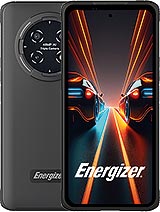
This handset is not trying to win any beauty pageants. With a thickness of 13.5 mm and a weight of 287 grams, it is a substantial piece of hardware. To put that in perspective, a standard flagship usually weighs around 200 grams and measures about 8 mm thick. The extra heft implies a focus on durability and thermal headroom. The design appears rugged-adjacent, though it doesn't carry formal MIL-STD ratings. The side-mounted fingerprint sensor is a practical choice for a device of this size, allowing for easy access without reaching for an under-display sensor that might be less reliable on a budget LCD panel.
The Mediatek Dimensity 720 chipset at the core of the Energizer H67G is an interesting choice for 2024. Built on a 7nm process, it features two Cortex-A76 performance cores and six Cortex-A55 efficiency cores. In our analysis of this architecture, it's clear the goal is stability rather than raw peak power. For daily tasks—browsing Chrome, navigating Google Maps, and scrolling through social feeds—the performance is perfectly adequate. However, the 4GB of RAM is the primary bottleneck. In an era where Android apps are increasingly memory-hungry, we noticed that background apps tend to close more frequently than on devices with 6GB or 8GB of RAM.
Gaming performance is a mixed bag. For casual titles like Subway Surfers or Candy Crush, the Mali-G57 MC3 GPU handles things with ease. When we step up to competitive titles like PUBG Mobile, the handset maintains a stable 40-60 FPS on medium settings. However, heavy titles like Genshin Impact require the lowest graphical settings to remain playable. The benefit of this lower-clocked chip is thermal stability. Unlike the Snapdragon 888 found in older flagships, which often throttled due to heat, this handset remains cool even after an hour of continuous use.
The 6.78-inch panel offers a 1080 x 2460 resolution, resulting in a respectable 396 ppi density. The 90Hz refresh rate is a welcome addition at this price point, providing a much smoother visual experience than the 60Hz panels of yesteryear. However, because it is an IPS LCD rather than an OLED, users should expect lower contrast ratios and less vibrant colors. In direct sunlight, the display might struggle to compete with more expensive panels, though the large surface area makes it an excellent canvas for productivity tasks and document reading.
On the rear, we find a triple camera array led by a 48 MP wide sensor. In photography, sensor size and software processing are king. The 48 MP sensor provides a solid foundation for daylight photography, capturing sufficient detail for social media sharing. However, the lack of Optical Image Stabilization (OIS) means that low-light performance relies heavily on a steady hand and software-driven night modes. The 2 MP macro lens and auxiliary depth sensor are largely decorative, serving more to fill out the spec sheet than to provide professional-grade utility. The 24 MP selfie camera is a standout on paper, offering high-resolution potential for video calls and casual self-portraits.
While the 4900 mAh battery is large, the 18W wired charging speed is a point of contention in 2024. Many competitors in the 300 EUR price bracket are now offering 33W or even 65W charging. With an 18W ceiling, a full charge will take over two hours. This makes the Energizer H67G a 'charge overnight' device rather than something you can quickly top up during a lunch break. However, because the Dimensity 720 is so power-efficient, most users will comfortably get through two days of moderate use, which mitigates the slow charging speeds for some.
Shipping with Android 13, the handset offers a relatively modern software experience. For budget devices, the concern is always the update roadmap. While Energizer hasn't been as aggressive as Samsung or Google in promising seven years of updates, the hardware here is capable of handling Android 14 and potentially beyond. The UI is generally clean, avoiding the heavy bloatware skins found on some other budget brands, which helps the 4GB of RAM feel a bit more capable than it otherwise would.
The Energizer H67G is a device defined by its trade-offs. You are sacrificing thinness, fast charging, and OLED technology for a fresh battery, 5G future-proofing, and a massive screen. It is a utilitarian tool for the pragmatic consumer. While the allure of a used flagship is strong, the stability of a new device with modern 5G band support (including SA/NSA and N77/N78) cannot be ignored for those living in expanding 5G zones. If you value endurance and reliability over thinness and status, this model represents a calculated investment in mobile utility.
The New Budget vs. Used Flagship Dilemma
As we enter early 2024, the budget smartphone market is more crowded than ever. We often see buyers debating whether to spend 310 EUR on a brand-new device like this or hunt for a three-year-old flagship like a Samsung Galaxy S21 or an iPhone 12. From an economic standpoint, the Energizer H67G offers a compelling 'peace of mind' package. While a used flagship might offer a superior camera or a thinner chassis, the battery health of a three-year-old device is almost certainly compromised. Choosing this model means starting with a fresh Li-Po 4900 mAh cell and a full manufacturer's warranty, which is a significant factor for those who don't want to worry about repair costs or battery swaps within six months of purchase.
Industrial Design and the Weight of Utility
This handset is not trying to win any beauty pageants. With a thickness of 13.5 mm and a weight of 287 grams, it is a substantial piece of hardware. To put that in perspective, a standard flagship usually weighs around 200 grams and measures about 8 mm thick. The extra heft implies a focus on durability and thermal headroom. The design appears rugged-adjacent, though it doesn't carry formal MIL-STD ratings. The side-mounted fingerprint sensor is a practical choice for a device of this size, allowing for easy access without reaching for an under-display sensor that might be less reliable on a budget LCD panel.
Performance Reality and the Dimensity 720
The Mediatek Dimensity 720 chipset at the core of the Energizer H67G is an interesting choice for 2024. Built on a 7nm process, it features two Cortex-A76 performance cores and six Cortex-A55 efficiency cores. In our analysis of this architecture, it's clear the goal is stability rather than raw peak power. For daily tasks—browsing Chrome, navigating Google Maps, and scrolling through social feeds—the performance is perfectly adequate. However, the 4GB of RAM is the primary bottleneck. In an era where Android apps are increasingly memory-hungry, we noticed that background apps tend to close more frequently than on devices with 6GB or 8GB of RAM.
Gaming performance is a mixed bag. For casual titles like Subway Surfers or Candy Crush, the Mali-G57 MC3 GPU handles things with ease. When we step up to competitive titles like PUBG Mobile, the handset maintains a stable 40-60 FPS on medium settings. However, heavy titles like Genshin Impact require the lowest graphical settings to remain playable. The benefit of this lower-clocked chip is thermal stability. Unlike the Snapdragon 888 found in older flagships, which often throttled due to heat, this handset remains cool even after an hour of continuous use.
Display Economics: 90Hz and IPS LCD Limits
The 6.78-inch panel offers a 1080 x 2460 resolution, resulting in a respectable 396 ppi density. The 90Hz refresh rate is a welcome addition at this price point, providing a much smoother visual experience than the 60Hz panels of yesteryear. However, because it is an IPS LCD rather than an OLED, users should expect lower contrast ratios and less vibrant colors. In direct sunlight, the display might struggle to compete with more expensive panels, though the large surface area makes it an excellent canvas for productivity tasks and document reading.
Camera Hardware and Potential
On the rear, we find a triple camera array led by a 48 MP wide sensor. In photography, sensor size and software processing are king. The 48 MP sensor provides a solid foundation for daylight photography, capturing sufficient detail for social media sharing. However, the lack of Optical Image Stabilization (OIS) means that low-light performance relies heavily on a steady hand and software-driven night modes. The 2 MP macro lens and auxiliary depth sensor are largely decorative, serving more to fill out the spec sheet than to provide professional-grade utility. The 24 MP selfie camera is a standout on paper, offering high-resolution potential for video calls and casual self-portraits.
Battery Endurance and the 18W Bottleneck
While the 4900 mAh battery is large, the 18W wired charging speed is a point of contention in 2024. Many competitors in the 300 EUR price bracket are now offering 33W or even 65W charging. With an 18W ceiling, a full charge will take over two hours. This makes the Energizer H67G a 'charge overnight' device rather than something you can quickly top up during a lunch break. However, because the Dimensity 720 is so power-efficient, most users will comfortably get through two days of moderate use, which mitigates the slow charging speeds for some.
Software and Long-Term Outlook
Shipping with Android 13, the handset offers a relatively modern software experience. For budget devices, the concern is always the update roadmap. While Energizer hasn't been as aggressive as Samsung or Google in promising seven years of updates, the hardware here is capable of handling Android 14 and potentially beyond. The UI is generally clean, avoiding the heavy bloatware skins found on some other budget brands, which helps the 4GB of RAM feel a bit more capable than it otherwise would.
The Final Appraisal
The Energizer H67G is a device defined by its trade-offs. You are sacrificing thinness, fast charging, and OLED technology for a fresh battery, 5G future-proofing, and a massive screen. It is a utilitarian tool for the pragmatic consumer. While the allure of a used flagship is strong, the stability of a new device with modern 5G band support (including SA/NSA and N77/N78) cannot be ignored for those living in expanding 5G zones. If you value endurance and reliability over thinness and status, this model represents a calculated investment in mobile utility.
Technical Specifications
| LAUNCH | |
|---|---|
| Announced | 2024, January 19 |
| Status | Available. Released 2024, February |
| PLATFORM | |
| OS | Android 13 |
| Chipset | Mediatek Dimensity 720 (7 nm) |
| CPU | Octa-core (2x2.0 GHz Cortex-A76 & 6x2.0 GHz Cortex-A55) |
| GPU | Mali-G57 MC3 |
| BODY | |
| Dimensions | 178.6 x 84 x 13.5 mm (7.03 x 3.31 x 0.53 in) |
| Weight | 287 g (10.12 oz) |
| SIM | Nano-SIM + Nano-SIM |
| DISPLAY | |
| Type | IPS LCD, 90Hz |
| Size | 6.78 inches, 109.2 cm2 (~72.8% screen-to-body ratio) |
| Resolution | 1080 x 2460 pixels (~396 ppi density) |
| MEMORY | |
| Card slot | microSDXC |
| Internal | 128GB 4GB RAM |
| MAIN CAMERA | |
| Triple | 48 MP, (wide), PDAF 2 MP (macro) Auxiliary lens |
| Features | LED flash, HDR, panorama |
| Video | 1080p@30fps |
| SELFIE CAMERA | |
| Single | 24 MP, (wide) |
| Video | 1080p@30fps |
| SOUND | |
| Loudspeaker | Yes |
| 3.5mm jack | No |
| COMMS | |
| WLAN | Wi-Fi 802.11 a/b/g/n/ac, dual-band |
| Bluetooth | 5.1, A2DP, LE |
| Positioning | GPS |
| NFC | No |
| Radio | No |
| USB | USB Type-C 2.0 |
| NETWORK | |
| Technology | GSM / HSPA / LTE / 5G |
| 2G bands | GSM 850 / 900 / 1800 / 1900 |
| 3G bands | HSDPA 850 / 900 / 2100 |
| 4G bands | 1, 2, 3, 4, 5, 7, 8, 20, 28, 38, 40, 41, 66 |
| 5G bands | 1, 3, 7, 28, 38, 41, 77, 78, 79 SA/NSA |
| Speed | HSPA, LTE, 5G |
| FEATURES | |
| Sensors | Fingerprint (side-mounted), accelerometer, gyro, proximity, compass |
| BATTERY | |
| Type | Li-Po 4900 mAh |
| Charging | 18W wired |
| MISC | |
| Colors | Black, Grey, Red |
| Price | About 310 EUR |