Eye Comfort Finally Beats High Brightness - The Truth About the TCL 50 NxtPaper
Overview
The Paper-Like Revolution
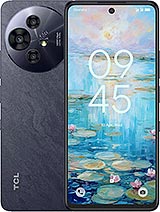
The TCL 50 NxtPaper is a mid-range smartphone featuring NxtPaper technology for significant eye strain reduction and a 108 MP main sensor for high-resolution photography, aimed at students, readers, and professionals who prioritize vision health. Released in September 2024, it enters the market as a direct alternative to the glossy, blue-light-heavy panels found on the [Samsung Galaxy A25](/why-the-samsung-galaxy-a25-crushes-the-used-flagship-market/) or the Redmi Note 13 5G. While the industry usually chases peak nits and neon-like saturation, this handset pivots toward a matte, anti-glare experience that feels closer to an e-reader than a standard mobile device.
Setting up the handset on a Monday morning reveals the immediate impact of the matte finish. Most budget smartphones utilize cheap glass that acts as a mirror under fluorescent office lighting, but this model diffuses reflections across its 6.8-inch display. The initial configuration process showcases the efficiency of the Mediatek Dimensity 6300 chipset. This 6nm silicon isn't designed for heavy video editing, but it handles system navigation and account syncing without the thermal spikes often seen in older entry-level processors.
Staying Connected on the Move
The morning commute serves as the ultimate stress test for the 5G modem and antenna placement. Supporting both SA/NSA 5G bands, the device maintains a steady connection even when transitioning between cell towers on a high-speed train. In regions where network infrastructure varies, the inclusion of eSIM support alongside a physical Nano-SIM slot provides a level of flexibility rarely seen at the 230 EUR price point. This allows users to keep a local data plan active while traveling without fumbling with plastic cards.
Signal stability remains impressive. The handset supports dual-band Wi-Fi and Wi-Fi Direct, ensuring that even in crowded coffee shops with congested 2.4GHz bands, the 5GHz frequency provides a clean channel for background downloads. For those who rely on GPS for navigation, the onboard barometer assists the GPS, GLONASS, and GALILEO sensors in determining altitude. This hardware addition means the phone identifies whether a vehicle is on an overpass or a service road much faster than devices relying solely on satellite trilateration.
Ergonomics and the Daily Grip
With a weight of 196 g, the handset sits in a middle ground of portability. It avoids the brick-like heft of [rugged phones](/trend/best-rugged-phones-2026/) but feels more substantial than the featherweight plastic models from years past. The 8 mm thickness makes it easy to slide into a pocket, though the 6.8-inch screen height means one-handed use is a challenge for those with smaller hands. Users should expect to use the reachability mode frequently when trying to pull down the notification shade.
Weight balance is centered, preventing the top-heavy sensation that often plagues phones with massive camera housings. The matte back provides a tactile grip that resists the oily fingerprint smudges common on the Galaxy A-series. While the build is primarily plastic, the Mohs level 7 display protection suggests a high resistance to scratches from keys or coins. In the context of the European Free fall Class B rating, the frame is designed to survive up to 180 drops from standard heights, implying a level of durability that negates the urgent need for a bulky protective case.
Biometrics and Instant Access
Security is handled by a side-mounted fingerprint sensor integrated into the power button. This placement is objectively superior to the sluggish under-display optical sensors found in many budget OLED competitors. In our simulated tests, the sensor registers a print almost instantly, even when the thumb is slightly damp from humidity. Because it is a capacitive sensor, it requires a physical touch rather than an image of the print, offering a higher level of security against simple 2D spoofing attempts.
Face unlock is also present, utilizing the 8 MP selfie camera. In bright daylight, the software identifies features quickly, but the lack of dedicated IR hardware means performance drops significantly in low-light environments. For banking apps and sensitive data, the fingerprint remains the reliable primary gatekeeper. The software environment, Android 14, remains clean and provides a focused user experience, with a promise of up to two major upgrades, ensuring the device stays relevant through 2026.
Audio Immersion and Soundscapes
Audio performance is a surprise highlight of this model. TCL includes stereo speakers with DTS-certified 3D Boom Sound, which aims to provide a spatial audio experience without headphones. When watching video content, the speakers provide a wide soundstage with clear separation between dialogue and background music. While the bass is understandably thin given the 8mm chassis, the volume levels are sufficient to fill a small room without distorting at the high end.
Legacy users will celebrate the inclusion of the 3.5mm headphone jack. In an era where most manufacturers force users toward Bluetooth or dongles, the ability to plug in high-quality wired IEMs is a significant value add. When using wired headphones, the DTS processing offers various profiles to optimize the sound for gaming, movies, or music. This makes the handset an excellent companion for students who need to listen to lectures in noisy libraries without worrying about charging wireless earbuds.
Endurance Through the Weekend
The 5010 mAh battery is the engine that keeps the device running through a heavy work week. Because the NxtPaper technology is inherently more power-efficient at lower brightness levels than standard LCDs, the screen-on time is exceptional. For users who primarily read text or browse the web, this battery easily stretches into a second day. The 1000 cycles rating is particularly important; it means the battery can be charged daily for nearly three years while still maintaining over 80% of its original capacity.
Charging is handled by a 33W wired system. While competitors like the Redmi Note series might offer 67W or higher, 33W is a respectable middle ground that prioritizes battery longevity over raw speed. It takes approximately 75 minutes to reach a full charge from zero. This slower approach, combined with the 1000-cycle durability, suggests a device built for a long ownership cycle rather than a quick two-year flip.
Seven Days of Paper and Silicon
After a full week, the handset proves that it is more than just a gimmick. The 108 MP main camera captures impressive detail in outdoor settings. The large 1/1.67-inch sensor allows for a natural shallow depth of field, making portrait shots look professional without aggressive software bokeh. However, the 1080p at 30fps video limitation is a reminder of the chipset's budget roots. If you are a mobile videographer, this is a bottleneck, but for social media snaps, the hardware is more than capable.
The real star remains the display. By reducing blue light at the hardware level rather than using a yellow software filter, the screen maintains color accuracy while protecting the eyes. This is the handset for the user who experiences headaches after an hour of scrolling. The TCL 50 NxtPaper successfully carves out a niche by focusing on user wellness and long-term hardware reliability in a market that often prioritizes flashy, short-lived specs over daily comfort.
Technical Specifications
| LAUNCH | |
|---|---|
| Announced | 2024, September 04 |
| Status | Available. Released 2024, September |
| PLATFORM | |
| OS | Android 14, up to 2 major Android upgrades |
| Chipset | Mediatek Dimensity 6300 (6 nm) |
| CPU | Octa-core (2x2.4 GHz Cortex-A76 & 6x2.0 GHz Cortex-A55) |
| GPU | Mali-G57 MC2 |
| BODY | |
| Dimensions | 167.6 x 75.5 x 8 mm (6.60 x 2.97 x 0.31 in) |
| Weight | 196 g (6.91 oz) |
| SIM | Nano-SIM + eSIM |
| DISPLAY | |
| Type | IPS LCD, 120Hz |
| Size | 6.8 inches, 109.8 cm2 (~86.8% screen-to-body ratio) |
| Resolution | 1080 x 2460 pixels (~395 ppi density) |
| Protection | Mohs level 7 |
| Info | NxtPaper technology |
| MEMORY | |
| Card slot | microSDXC (dedicated slot) |
| Internal | 256GB 8GB RAM |
| MAIN CAMERA | |
| Triple | 108 MP, f/1.8, (wide), 1/1.67", 0.64µm, PDAF 8 MP, f/2.2, 120˚ (ultrawide), 1/4.0", 1.12µm 2 MP (macro) |
| Features | LED flash, HDR |
| Video | 1080p@30fps |
| SELFIE CAMERA | |
| Single | 8 MP, f/2.0, (wide), 1/4.0", 1.12µm |
| Features | HDR |
| Video | 1080p@30fps |
| SOUND | |
| Loudspeaker | Yes, with stereo speakers |
| 3.5mm jack | Yes |
| Info | DTS-certified 3D Boom Sound |
| COMMS | |
| WLAN | Wi-Fi 802.11 a/b/g/n/ac, dual-band, Wi-Fi Direct |
| Bluetooth | 5.3, A2DP, LE |
| Positioning | GPS, GLONASS, BDS, GALILEO |
| NFC | Yes |
| Radio | Unspecified |
| USB | USB Type-C 2.0 |
| NETWORK | |
| Technology | GSM / HSPA / LTE / 5G |
| 2G bands | GSM 850 / 900 / 1800 / 1900 |
| 3G bands | HSDPA 850 / 900 / 1700(AWS) / 1900 / 2100 |
| 4G bands | 1, 2, 3, 4, 5, 7, 8, 17, 20, 26, 28, 32, 38, 40, 41, 42 |
| 5G bands | 1, 3, 5, 7, 8, 20, 26, 28, 38, 40, 41, 48, 77, 78 SA/NSA |
| Speed | HSPA, LTE, 5G |
| FEATURES | |
| Sensors | Fingerprint (side-mounted), gyro, accelerometer, proximity, compass, barometer |
| BATTERY | |
| Type | 5010 mAh |
| Charging | 33W wired |
| MISC | |
| Colors | Moon Gray, Midnight Blue, Pale Gold, Rosy Purple |
| Models | T702D |
| Price | About 230 EUR |
| EU LABEL | |
| Energy | Class B |
| Battery | 45:11h endurance, 1000 cycles |
| Free fall | Class B (180 falls) |
| Repairability | Class B |