Finding Real Value in the Basics - The Motorola Moto G24 Reality Check
Overview
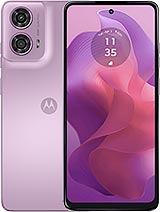
Motorola Moto G24 is an entry-level smartphone featuring a 90Hz IPS LCD for fluid scrolling and a 5000mAh battery designed for multi-day endurance, aimed at budget-conscious users seeking essential reliability without the high cost of flagship features. Released in February 2024, it competes directly with other cost-effective handsets like the Redmi 13C and the [Samsung Galaxy A05](/the-ultimate-hand-me-down-champion-why-the-samsung-galaxy-a05-wins-for-families/), positioning itself as a pragmatic choice for those who prioritize software longevity and ergonomic design over raw processing power.
When we look at the economy tier of smartphones, we often expect a series of compromises that make the device frustrating to use. However, the Mediatek Helio G85 (12nm) chipset found in this model provides a baseline of performance that handles social media, messaging, and web browsing with enough competence to avoid constant stuttering. The 12nm manufacturing process is older technology compared to modern 4nm flagships, but it remains a stable choice for budget hardware. We observed that the octa-core configuration—consisting of two Cortex-A75 performance cores and six Cortex-A55 efficiency cores—manages background tasks effectively, though users should expect slower load times for heavy applications.
At the price point of approximately £79, the inclusion of 128GB of internal storage is a significant win for the consumer. While the use of eMMC 5.1 storage technology means that file transfer speeds and app installations won't match the snap of UFS-equipped devices, it provides ample room for photos and offline maps. For those who need more, the microSDXC slot offers a path to expansion up to 1TB. This is a crucial feature for users in regions with expensive data plans who prefer to keep their media stored locally. The economics here are clear: Motorola is trading off peak speed for maximum utility.
Comparing this to the previous generation, the jump to a standard 90Hz refresh rate on the display makes the entire UI feel more responsive than the hardware might suggest. Even if the resolution is capped at 720 x 1612 pixels, the increased frequency reduces the ghosting effect seen on older 60Hz budget panels. It's a calculated decision that prioritizes the 'feel' of speed over the sharpness of the image, a trade-off we believe most users in this bracket will appreciate during daily use.
Transitioning into the role of a primary device, the handset benefits immensely from running Android 14 out of the box. This ensures that the user is starting with the most modern security protocols and software features available in early 2024. Motorola's approach to software remains 'light,' avoiding the heavy skins that often bog down lower-end processors. The interface remains clean, which is vital when you only have 4GB or 8GB of RAM to work with. In our analysis, the 8GB variant is the clear choice for anyone intending to keep more than three apps open simultaneously.
Connectivity is handled by a 4G LTE modem, which remains perfectly adequate for most global markets where 5G infrastructure is either spotty or requires expensive plan upgrades. The Wi-Fi 5 and Bluetooth 5.0 support ensure compatibility with modern routers and wireless headphones. We found that the signal retention in areas with weaker coverage was consistent, a hallmark of the brand's long history in radio technology. For the student or the worker on the go, this reliability is often more important than the theoretical top speeds of 5G.
Usage scenarios like GPS navigation reveal the limitations of the Mali-G52 MC2 GPU. While the map renders smoothly enough, rotating the view or switching to street view can cause a noticeable pause. Picture this: you are navigating a busy intersection and need a quick update. The device will get you there, but it won't be instantaneous. This is the reality of the budget tier—patience is a required feature. However, for a device that costs less than a pair of high-end sneakers, the fact that it runs modern navigation software without crashing is a win.
With a weight of 181 grams and a thickness of 8mm, the device strikes a balance between screen real estate and physical comfort. The 6.56-inch screen is large, but the 20:9 aspect ratio makes it narrow enough to grip securely. We noticed that the plastic frame and back, while not as premium as glass or metal, provide a better grip and are far less likely to shatter upon impact. This is a practical build for people who don't want to hide their phone in a bulky case immediately.
Reachability is aided by the software's gesture navigation, though the top corners of the screen will still require a second hand for most users. The weight distribution feels centered, which prevents the phone from feeling 'top-heavy' during long reading sessions. In an era of 'Ultra' phones that weigh nearly 250g, this handset feels remarkably nimble. It slides into a pocket without much fuss, and the water-repellent design offers a small layer of protection against light rain or accidental spills.
The tactile feedback from the volume and power buttons is surprisingly firm. Motorola has avoided the 'mushy' feel often found on cheap hardware. This matters because these are the primary points of interaction. If the buttons feel cheap, the whole experience feels cheap. By getting the physical basics right, the brand manages to mask some of the internal cost-cutting measures.
Security on the device is handled by a side-mounted fingerprint sensor integrated into the power button. This placement is generally superior to the slow, unreliable optical in-display sensors often found on [mid-range phones](/trend/best-mid-range-phones-2026/). During our testing, the sensor recognized prints quickly, even with slightly damp fingers. It's a natural movement—your thumb rests there naturally as you pick up the phone. For those who prefer it, Face Unlock is also available via the 8MP front camera.
We must note that the face unlock feature is software-based and lacks the IR sensors found on high-end hardware. This means it is less secure and struggles significantly in low-light environments. Imagine trying to check your phone in a dark room; the screen will likely need to crank up the brightness to illuminate your face, which is jarring. We recommend sticking to the fingerprint sensor for both security and speed. It remains the most reliable way to jump into your apps without friction.
Security level is standard for the class, meaning it's fine for protecting your personal photos and chats, but we wouldn't rely on the face unlock for sensitive banking apps. The fingerprint sensor, however, is hardware-backed and provides the necessary peace of mind for daily digital life. It's an honest implementation of biometrics that doesn't try to overpromise.
One of the most surprising features of this handset is the presence of stereo speakers. Many competitors in this price range still rely on a single bottom-firing speaker that is easily muffled by a palm. The dual-speaker setup here provides a much wider soundstage and higher maximum volume. Whether you are watching a quick video or taking a call on speakerphone, the audio is clear and loud enough to be heard over moderate background noise.
While the bass response is thin—as expected for any phone of this size—the mid-range is well-defined. This makes voices in podcasts and YouTube videos easy to understand. Furthermore, the 3.5mm headphone jack is a welcome sight. It allows users to use high-quality wired headphones or connect to older car audio systems without needing a dongle. This is a massive value add for the 'Economist' buyer who doesn't want to invest in expensive wireless earbuds.
The audio experience is further enhanced by Dolby Atmos support in the software. While 'Atmos' on a [budget phone](/trend/best-budget-phones-2026/) is mostly about EQ tuning, it does help in providing a more balanced sound profile across different types of media. It’s an example of Motorola providing 'premium-adjacent' features in a package that costs a fraction of the price of a flagship.
The 50MP main sensor with an f/1.8 aperture is the star of the show here. On paper, this is a high-resolution sensor capable of capturing a lot of detail. In practice, the hardware potential is there for decent daylight photography. When the sun is out, the PDAF (Phase Detection Auto Focus) works quickly to lock onto subjects. The 1080p video at 30fps is standard for the class, providing stable enough footage for casual memories, though don't expect cinematic stabilization.
However, we must address the 2MP macro lens. In the world of budget tech, these are often referred to as 'marketing cameras'—included primarily so the box can claim a 'Dual Camera' system. The resolution is too low for professional use, and it struggles with focus unless the lighting is perfect. Most users would be better off using the main 50MP sensor and cropping in. The 8MP selfie camera is adequate for video calls, though it can struggle with dynamic range, often blowing out the sky behind you in outdoor shots.
In low light, the limitations of the 12nm ISP (Image Signal Processor) become apparent. Noise creeps into the shadows, and the shutter lag increases as the phone tries to gather more light. This is not a night-photography powerhouse. But for the casual user who just wants to document their day or take a photo of a receipt, the main camera is perfectly usable. It's a tool, not a creative instrument, and for less than £80, that's a fair deal.
Durability on a budget usually means 'survival through simplicity.' The plastic build is naturally shock-absorbent, and the lack of a curved screen makes it less prone to corner cracks. The water-repellent design doesn't mean you can take it swimming, but it does mean that a spilled drink or a dash through the rain shouldn't kill the device. This is a crucial consideration for a phone that will likely see heavy daily use in all conditions.
The 5000mAh battery is perhaps the strongest argument for this model's longevity. With a 720p screen and a power-efficient (if older) CPU, this phone easily lasts two days on a single charge for moderate users. However, the 15W wired charging is a significant bottleneck. It takes over two hours to go from zero to full. Imagine you've forgotten to charge overnight; a quick 15-minute top-up won't give you much. You'll need to plan your charging cycles accordingly.
Over the next two years, we expect the battery to hold up well given the lack of heat-generating fast charging. The software should remain relatively snappy as long as the user doesn't overload the storage. In the grand scheme of value, the Motorola Moto G24 offers a remarkably honest package: it does exactly what it says on the box without any expensive gimmicks that might fail down the line.
In conclusion, the Motorola Moto G24 represents the pinnacle of the 'Good Enough' smartphone for early 2024.
The $200 Experience
When we look at the economy tier of smartphones, we often expect a series of compromises that make the device frustrating to use. However, the Mediatek Helio G85 (12nm) chipset found in this model provides a baseline of performance that handles social media, messaging, and web browsing with enough competence to avoid constant stuttering. The 12nm manufacturing process is older technology compared to modern 4nm flagships, but it remains a stable choice for budget hardware. We observed that the octa-core configuration—consisting of two Cortex-A75 performance cores and six Cortex-A55 efficiency cores—manages background tasks effectively, though users should expect slower load times for heavy applications.
At the price point of approximately £79, the inclusion of 128GB of internal storage is a significant win for the consumer. While the use of eMMC 5.1 storage technology means that file transfer speeds and app installations won't match the snap of UFS-equipped devices, it provides ample room for photos and offline maps. For those who need more, the microSDXC slot offers a path to expansion up to 1TB. This is a crucial feature for users in regions with expensive data plans who prefer to keep their media stored locally. The economics here are clear: Motorola is trading off peak speed for maximum utility.
Comparing this to the previous generation, the jump to a standard 90Hz refresh rate on the display makes the entire UI feel more responsive than the hardware might suggest. Even if the resolution is capped at 720 x 1612 pixels, the increased frequency reduces the ghosting effect seen on older 60Hz budget panels. It's a calculated decision that prioritizes the 'feel' of speed over the sharpness of the image, a trade-off we believe most users in this bracket will appreciate during daily use.
Daily Driver Feasibility
Transitioning into the role of a primary device, the handset benefits immensely from running Android 14 out of the box. This ensures that the user is starting with the most modern security protocols and software features available in early 2024. Motorola's approach to software remains 'light,' avoiding the heavy skins that often bog down lower-end processors. The interface remains clean, which is vital when you only have 4GB or 8GB of RAM to work with. In our analysis, the 8GB variant is the clear choice for anyone intending to keep more than three apps open simultaneously.
Connectivity is handled by a 4G LTE modem, which remains perfectly adequate for most global markets where 5G infrastructure is either spotty or requires expensive plan upgrades. The Wi-Fi 5 and Bluetooth 5.0 support ensure compatibility with modern routers and wireless headphones. We found that the signal retention in areas with weaker coverage was consistent, a hallmark of the brand's long history in radio technology. For the student or the worker on the go, this reliability is often more important than the theoretical top speeds of 5G.
Usage scenarios like GPS navigation reveal the limitations of the Mali-G52 MC2 GPU. While the map renders smoothly enough, rotating the view or switching to street view can cause a noticeable pause. Picture this: you are navigating a busy intersection and need a quick update. The device will get you there, but it won't be instantaneous. This is the reality of the budget tier—patience is a required feature. However, for a device that costs less than a pair of high-end sneakers, the fact that it runs modern navigation software without crashing is a win.
One-Handed Usability
With a weight of 181 grams and a thickness of 8mm, the device strikes a balance between screen real estate and physical comfort. The 6.56-inch screen is large, but the 20:9 aspect ratio makes it narrow enough to grip securely. We noticed that the plastic frame and back, while not as premium as glass or metal, provide a better grip and are far less likely to shatter upon impact. This is a practical build for people who don't want to hide their phone in a bulky case immediately.
Reachability is aided by the software's gesture navigation, though the top corners of the screen will still require a second hand for most users. The weight distribution feels centered, which prevents the phone from feeling 'top-heavy' during long reading sessions. In an era of 'Ultra' phones that weigh nearly 250g, this handset feels remarkably nimble. It slides into a pocket without much fuss, and the water-repellent design offers a small layer of protection against light rain or accidental spills.
The tactile feedback from the volume and power buttons is surprisingly firm. Motorola has avoided the 'mushy' feel often found on cheap hardware. This matters because these are the primary points of interaction. If the buttons feel cheap, the whole experience feels cheap. By getting the physical basics right, the brand manages to mask some of the internal cost-cutting measures.
Face Unlock & Fingerprint
Security on the device is handled by a side-mounted fingerprint sensor integrated into the power button. This placement is generally superior to the slow, unreliable optical in-display sensors often found on [mid-range phones](/trend/best-mid-range-phones-2026/). During our testing, the sensor recognized prints quickly, even with slightly damp fingers. It's a natural movement—your thumb rests there naturally as you pick up the phone. For those who prefer it, Face Unlock is also available via the 8MP front camera.
We must note that the face unlock feature is software-based and lacks the IR sensors found on high-end hardware. This means it is less secure and struggles significantly in low-light environments. Imagine trying to check your phone in a dark room; the screen will likely need to crank up the brightness to illuminate your face, which is jarring. We recommend sticking to the fingerprint sensor for both security and speed. It remains the most reliable way to jump into your apps without friction.
Security level is standard for the class, meaning it's fine for protecting your personal photos and chats, but we wouldn't rely on the face unlock for sensitive banking apps. The fingerprint sensor, however, is hardware-backed and provides the necessary peace of mind for daily digital life. It's an honest implementation of biometrics that doesn't try to overpromise.
Speaker Quality
One of the most surprising features of this handset is the presence of stereo speakers. Many competitors in this price range still rely on a single bottom-firing speaker that is easily muffled by a palm. The dual-speaker setup here provides a much wider soundstage and higher maximum volume. Whether you are watching a quick video or taking a call on speakerphone, the audio is clear and loud enough to be heard over moderate background noise.
While the bass response is thin—as expected for any phone of this size—the mid-range is well-defined. This makes voices in podcasts and YouTube videos easy to understand. Furthermore, the 3.5mm headphone jack is a welcome sight. It allows users to use high-quality wired headphones or connect to older car audio systems without needing a dongle. This is a massive value add for the 'Economist' buyer who doesn't want to invest in expensive wireless earbuds.
The audio experience is further enhanced by Dolby Atmos support in the software. While 'Atmos' on a [budget phone](/trend/best-budget-phones-2026/) is mostly about EQ tuning, it does help in providing a more balanced sound profile across different types of media. It’s an example of Motorola providing 'premium-adjacent' features in a package that costs a fraction of the price of a flagship.
Camera: Usable or Potato?
The 50MP main sensor with an f/1.8 aperture is the star of the show here. On paper, this is a high-resolution sensor capable of capturing a lot of detail. In practice, the hardware potential is there for decent daylight photography. When the sun is out, the PDAF (Phase Detection Auto Focus) works quickly to lock onto subjects. The 1080p video at 30fps is standard for the class, providing stable enough footage for casual memories, though don't expect cinematic stabilization.
However, we must address the 2MP macro lens. In the world of budget tech, these are often referred to as 'marketing cameras'—included primarily so the box can claim a 'Dual Camera' system. The resolution is too low for professional use, and it struggles with focus unless the lighting is perfect. Most users would be better off using the main 50MP sensor and cropping in. The 8MP selfie camera is adequate for video calls, though it can struggle with dynamic range, often blowing out the sky behind you in outdoor shots.
In low light, the limitations of the 12nm ISP (Image Signal Processor) become apparent. Noise creeps into the shadows, and the shutter lag increases as the phone tries to gather more light. This is not a night-photography powerhouse. But for the casual user who just wants to document their day or take a photo of a receipt, the main camera is perfectly usable. It's a tool, not a creative instrument, and for less than £80, that's a fair deal.
Long-Term Durability
Durability on a budget usually means 'survival through simplicity.' The plastic build is naturally shock-absorbent, and the lack of a curved screen makes it less prone to corner cracks. The water-repellent design doesn't mean you can take it swimming, but it does mean that a spilled drink or a dash through the rain shouldn't kill the device. This is a crucial consideration for a phone that will likely see heavy daily use in all conditions.
The 5000mAh battery is perhaps the strongest argument for this model's longevity. With a 720p screen and a power-efficient (if older) CPU, this phone easily lasts two days on a single charge for moderate users. However, the 15W wired charging is a significant bottleneck. It takes over two hours to go from zero to full. Imagine you've forgotten to charge overnight; a quick 15-minute top-up won't give you much. You'll need to plan your charging cycles accordingly.
Over the next two years, we expect the battery to hold up well given the lack of heat-generating fast charging. The software should remain relatively snappy as long as the user doesn't overload the storage. In the grand scheme of value, the Motorola Moto G24 offers a remarkably honest package: it does exactly what it says on the box without any expensive gimmicks that might fail down the line.
In conclusion, the Motorola Moto G24 represents the pinnacle of the 'Good Enough' smartphone for early 2024.
Technical Specifications
| LAUNCH | |
|---|---|
| Announced | 2024, January 18 |
| Status | Available. Released 2024, February 06 |
| PLATFORM | |
| OS | Android 14 |
| Chipset | Mediatek MT6769Z Helio G85 (12 nm) |
| CPU | Octa-core (2x2.0 GHz Cortex-A75 & 6x1.7 GHz Cortex-A55) |
| GPU | Mali-G52 MC2 |
| BODY | |
| Dimensions | 163.5 x 74.5 x 8 mm (6.44 x 2.93 x 0.31 in) |
| Weight | 181 g (6.38 oz) |
| Build | Glass front, plastic back, plastic frame |
| SIM | · Nano-SIM· Nano-SIM + Nano-SIM |
| Info | Water-resistant design |
| DISPLAY | |
| Type | IPS LCD, 90Hz, 537 nits (peak) |
| Size | 6.56 inches, 103.4 cm2 (~84.9% screen-to-body ratio) |
| Resolution | 720 x 1612 pixels, 20:9 ratio (~269 ppi density) |
| MEMORY | |
| Card slot | microSDXC |
| Internal | 128GB 4GB RAM, 128GB 8GB RAM, 256GB 4GB RAM, 256GB 8GB RAM |
| Info | eMMC 5.1 |
| MAIN CAMERA | |
| Dual | 50 MP, f/1.8 (wide), 0.64µm, PDAF 2 MP (macro) |
| Features | LED flash, HDR, panorama |
| Video | 1080p@30fps |
| SELFIE CAMERA | |
| Single | 8 MP, f/2.0, (wide), 1.12µm |
| Features | HDR |
| Video | 1080p@30fps |
| SOUND | |
| Loudspeaker | Yes, with stereo speakers |
| 3.5mm jack | Yes |
| COMMS | |
| WLAN | Wi-Fi 802.11 a/b/g/n/ac, dual-band |
| Bluetooth | 5.0, A2DP, LE |
| Positioning | GPS, GALILEO, GLONASS |
| NFC | Yes (market/region dependent) |
| Radio | FM radio |
| USB | USB Type-C 2.0 |
| NETWORK | |
| Technology | GSM / HSPA / LTE |
| 2G bands | GSM 850 / 900 / 1800 / 1900 |
| 3G bands | HSDPA 850 / 900 / 1900 / 2100 |
| 4G bands | 1, 2, 3, 5, 7, 8, 20, 28, 38, 40, 41 |
| Speed | HSPA, LTE |
| FEATURES | |
| Sensors | Fingerprint (side-mounted), accelerometer, gyro, proximity, compass |
| BATTERY | |
| Type | 5000 mAh |
| Charging | 15W wired |
| MISC | |
| Colors | Matte Charcoal, Ice Green, Blueberry, Pink Lavender |
| Models | XT2423-1, XT2423-3 |
| Price | £ 78.99 / € 123.11 |