Flagship Optics for the Masses - The OPPO K11 Changes the Mid-Range Value Equation
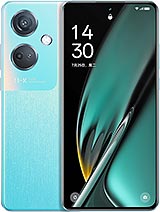
Overview
The OPPO K11 is a mid-range smartphone featuring the Sony IMX890 50MP sensor for flagship-tier photography and 100W SuperVOOC charging for rapid power recovery, aimed at mobile photographers on a budget. Released in August 2023, it competes with rivals like the [Samsung Galaxy A54](/why-the-efficiency-of-samsung-galaxy-a54-makes-it-the-ultimate-secondary-device/) and the Redmi Note 12 Pro+.
When we look at the mid-market landscape in August 2023, most manufacturers focus on flashy designs or raw speed while neglecting the camera pipeline. This model flips that script. By integrating the IMX890 sensor—the same hardware found in much more expensive flagships—the handset offers a genuine alternative for those who prioritize imaging over gaming benchmarks. The Snapdragon 782G chipset serves as a stable foundation, providing a 6nm architecture that balances thermal management with daily efficiency. While it lacks the sheer horsepower of a flagship 8-series chip, it remains more than capable for the standard social media and productivity workflows of its target audience.
This device isn't trying to be a jack-of-all-trades. Instead, it targets a specific demographic that wants high-end photo capabilities without the thousand-dollar price tag. In our analysis, the inclusion of multi-directional PDAF and Optical Image Stabilization (OIS) suggests that the handset is designed to handle difficult lighting conditions better than the average mid-ranger. It represents a calculated move to prioritize the components that users interact with most frequently: the screen, the primary camera, and the charging port.
Design-wise, the handset moves away from the aggressive gaming aesthetic seen in some previous K-series iterations. The Glacier Blue and Moonshadow Gray finishes offer a sophisticated look that mimics higher-end glass, even though the construction utilizes a plastic frame and back. At 184 grams, the device maintains a manageable weight, making it significantly easier to handle than the heavy-hitting flagship ultra models currently dominating the top tier. The 8.2mm thickness allows it to slide into pockets with ease, though the large dual-ring camera modules demand attention.
Durability is handled via Corning Gorilla Glass 5 on the front, providing a reasonable level of scratch resistance. The plastic frame, while less premium than aluminum, often absorbs impact better during accidental drops. We noticed that the transition between the display and the frame is relatively smooth, though the lack of an official IP rating for water resistance is a notable omission that users should consider before taking it near a pool. It is a design that prioritizes weight and ergonomics over ruggedness.
Running ColorOS 13.1 on top of Android 13, the handset provides a fluid interface optimized for the 120Hz AMOLED panel. This software version introduced several quality-of-life improvements, such as auto-pixelation for chat screenshots and a more efficient task manager. The UFS 3.1 storage ensures that app launches and file transfers happen with minimal latency, which is a major step up from the older UFS 2.2 standards often found in this price bracket. Functionally, this means the UI stays responsive even when several background tasks are running.
One underrated aspect of the software is the integration with the Snapdragon 782G ISP. The chipset allows for faster image processing compared to the older 778G+, which means less time waiting for the camera app to 'develop' a photo after you press the shutter. The 1B color support on the screen also means that viewing those photos is a much more accurate experience, with smoother gradients and less color banding in skies or shadows. It's a cohesive package where the software and hardware are clearly in sync.
The glossy finish on the Glacier Blue model looks striking, but users should be prepared to wipe it down frequently. This model attracts fingerprints almost immediately upon contact. While the plastic back is less prone to shattering than glass, it is more susceptible to micro-scratches from dust trapped inside a case. We recommend using a high-quality TPU case to preserve the finish. The flat edges of the screen are a welcome design choice, as they prevent the accidental touches often associated with curved displays.
Handling the phone for long periods is comfortable due to the balanced weight distribution. The buttons are positioned logically, with the power and volume rockers within easy reach for one-handed operation. The under-display optical fingerprint sensor is fast, though its placement is slightly lower on the panel than we prefer. It requires a bit of thumb gymnastics compared to the more ergonomic placement found on the Find X6 Pro.
Sound is delivered via a stereo speaker setup that provides decent volume, though it lacks the deep bass found in more expensive handsets. The 24-bit/192kHz Hi-Res audio support over USB-C or Bluetooth via aptX HD is the real highlight for audiophiles. Since there is no 3.5mm jack, users will need to rely on dongles or high-quality wireless buds to take full advantage of the high-fidelity sound output. In a quiet room, the speakers are clear enough for video calls and casual YouTube viewing, but they start to distort slightly at maximum volume.
In terms of haptics, the vibration motor is functional but not exceptionally crisp. It provides enough feedback for typing and notifications, but it doesn't have the sophisticated 'tap' feeling of premium X-axis linear motors. This is one of the few areas where the mid-range price point becomes obvious. However, for a device focused so heavily on the camera, this is a compromise most users will likely accept.
Using this model as a daily driver reveals its greatest strength: the 100W SuperVOOC charging. Being able to go from 0 to 100% in roughly 26 minutes completely changes how a person manages their day. You no longer need to charge the phone overnight; a quick plug-in while getting ready in the morning is sufficient for a full day of use. The 5000 mAh battery is large enough to survive a heavy day of usage, even with the 120Hz refresh rate active. Under standard conditions, we expect most users to reach the end of the day with 20-30% remaining.
Performance during gaming is respectable. The Adreno 642L GPU can handle popular titles like PUBG Mobile or League of Legends: Wild Rift at high settings without significant frame drops. However, in more demanding titles like Genshin Impact, you will need to dial back the settings to medium to maintain a consistent 60fps. The phone stays relatively cool during these sessions, thanks to the efficiency of the 6nm process, though a slight warmth is perceptible near the camera module after thirty minutes of play.
The 50MP primary sensor is the star of the show. Utilizing the Sony IMX890, the handset captures levels of detail and dynamic range that were impossible in the mid-range just a year ago. The f/1.8 aperture and OIS work together to produce clean shots in low light, significantly reducing the grain that usually plagues cheaper sensors. The multi-directional PDAF ensures that focus locking is snappy, even when the subject is moving. This is the primary reason to buy this phone.
In contrast, the secondary lenses are standard fare for this segment. The 8MP ultrawide is useful for landscapes in bright daylight but loses significant detail in the corners and struggles when the sun goes down. The 2MP macro lens feels like a filler spec, providing low-resolution close-ups that most users will find underwhelming. However, the 4K@30fps video recording with gyro-EIS provides stable, high-quality footage that is more than adequate for social media content creation. Overall, the OPPO K11 proves that one great sensor is better than four mediocre ones.
Shifting the Value Proposition
When we look at the mid-market landscape in August 2023, most manufacturers focus on flashy designs or raw speed while neglecting the camera pipeline. This model flips that script. By integrating the IMX890 sensor—the same hardware found in much more expensive flagships—the handset offers a genuine alternative for those who prioritize imaging over gaming benchmarks. The Snapdragon 782G chipset serves as a stable foundation, providing a 6nm architecture that balances thermal management with daily efficiency. While it lacks the sheer horsepower of a flagship 8-series chip, it remains more than capable for the standard social media and productivity workflows of its target audience.
This device isn't trying to be a jack-of-all-trades. Instead, it targets a specific demographic that wants high-end photo capabilities without the thousand-dollar price tag. In our analysis, the inclusion of multi-directional PDAF and Optical Image Stabilization (OIS) suggests that the handset is designed to handle difficult lighting conditions better than the average mid-ranger. It represents a calculated move to prioritize the components that users interact with most frequently: the screen, the primary camera, and the charging port.
The Evolution of Minimalist Aesthetics
Design-wise, the handset moves away from the aggressive gaming aesthetic seen in some previous K-series iterations. The Glacier Blue and Moonshadow Gray finishes offer a sophisticated look that mimics higher-end glass, even though the construction utilizes a plastic frame and back. At 184 grams, the device maintains a manageable weight, making it significantly easier to handle than the heavy-hitting flagship ultra models currently dominating the top tier. The 8.2mm thickness allows it to slide into pockets with ease, though the large dual-ring camera modules demand attention.
Durability is handled via Corning Gorilla Glass 5 on the front, providing a reasonable level of scratch resistance. The plastic frame, while less premium than aluminum, often absorbs impact better during accidental drops. We noticed that the transition between the display and the frame is relatively smooth, though the lack of an official IP rating for water resistance is a notable omission that users should consider before taking it near a pool. It is a design that prioritizes weight and ergonomics over ruggedness.
Software and the High-Refresh Experience
Running ColorOS 13.1 on top of Android 13, the handset provides a fluid interface optimized for the 120Hz AMOLED panel. This software version introduced several quality-of-life improvements, such as auto-pixelation for chat screenshots and a more efficient task manager. The UFS 3.1 storage ensures that app launches and file transfers happen with minimal latency, which is a major step up from the older UFS 2.2 standards often found in this price bracket. Functionally, this means the UI stays responsive even when several background tasks are running.
One underrated aspect of the software is the integration with the Snapdragon 782G ISP. The chipset allows for faster image processing compared to the older 778G+, which means less time waiting for the camera app to 'develop' a photo after you press the shutter. The 1B color support on the screen also means that viewing those photos is a much more accurate experience, with smoother gradients and less color banding in skies or shadows. It's a cohesive package where the software and hardware are clearly in sync.
The Fingerprint Magnet Test and Daily Handling
The glossy finish on the Glacier Blue model looks striking, but users should be prepared to wipe it down frequently. This model attracts fingerprints almost immediately upon contact. While the plastic back is less prone to shattering than glass, it is more susceptible to micro-scratches from dust trapped inside a case. We recommend using a high-quality TPU case to preserve the finish. The flat edges of the screen are a welcome design choice, as they prevent the accidental touches often associated with curved displays.
Handling the phone for long periods is comfortable due to the balanced weight distribution. The buttons are positioned logically, with the power and volume rockers within easy reach for one-handed operation. The under-display optical fingerprint sensor is fast, though its placement is slightly lower on the panel than we prefer. It requires a bit of thumb gymnastics compared to the more ergonomic placement found on the Find X6 Pro.
Audio and Tactile Feedback
Sound is delivered via a stereo speaker setup that provides decent volume, though it lacks the deep bass found in more expensive handsets. The 24-bit/192kHz Hi-Res audio support over USB-C or Bluetooth via aptX HD is the real highlight for audiophiles. Since there is no 3.5mm jack, users will need to rely on dongles or high-quality wireless buds to take full advantage of the high-fidelity sound output. In a quiet room, the speakers are clear enough for video calls and casual YouTube viewing, but they start to distort slightly at maximum volume.
In terms of haptics, the vibration motor is functional but not exceptionally crisp. It provides enough feedback for typing and notifications, but it doesn't have the sophisticated 'tap' feeling of premium X-axis linear motors. This is one of the few areas where the mid-range price point becomes obvious. However, for a device focused so heavily on the camera, this is a compromise most users will likely accept.
The Daily Driver Realities
Using this model as a daily driver reveals its greatest strength: the 100W SuperVOOC charging. Being able to go from 0 to 100% in roughly 26 minutes completely changes how a person manages their day. You no longer need to charge the phone overnight; a quick plug-in while getting ready in the morning is sufficient for a full day of use. The 5000 mAh battery is large enough to survive a heavy day of usage, even with the 120Hz refresh rate active. Under standard conditions, we expect most users to reach the end of the day with 20-30% remaining.
Performance during gaming is respectable. The Adreno 642L GPU can handle popular titles like PUBG Mobile or League of Legends: Wild Rift at high settings without significant frame drops. However, in more demanding titles like Genshin Impact, you will need to dial back the settings to medium to maintain a consistent 60fps. The phone stays relatively cool during these sessions, thanks to the efficiency of the 6nm process, though a slight warmth is perceptible near the camera module after thirty minutes of play.
The Flagship-Killer Camera System
The 50MP primary sensor is the star of the show. Utilizing the Sony IMX890, the handset captures levels of detail and dynamic range that were impossible in the mid-range just a year ago. The f/1.8 aperture and OIS work together to produce clean shots in low light, significantly reducing the grain that usually plagues cheaper sensors. The multi-directional PDAF ensures that focus locking is snappy, even when the subject is moving. This is the primary reason to buy this phone.
In contrast, the secondary lenses are standard fare for this segment. The 8MP ultrawide is useful for landscapes in bright daylight but loses significant detail in the corners and struggles when the sun goes down. The 2MP macro lens feels like a filler spec, providing low-resolution close-ups that most users will find underwhelming. However, the 4K@30fps video recording with gyro-EIS provides stable, high-quality footage that is more than adequate for social media content creation. Overall, the OPPO K11 proves that one great sensor is better than four mediocre ones.
Technical Specifications
| LAUNCH | |
|---|---|
| Announced | 2023, July 25 |
| Status | Available. Released 2023, August 01 |
| PLATFORM | |
| OS | Android 13, ColorOS 13.1 |
| Chipset | Qualcomm Snapdragon 782G (6 nm) |
| CPU | Octa-core (1x2.7 GHz Cortex-A78 & 3x2.4 GHz Cortex-A78 & 4x1.8 GHz Cortex-A55) |
| GPU | Adreno 642L |
| BODY | |
| Dimensions | 162.7 x 75.5 x 8.2 mm (6.41 x 2.97 x 0.32 in) |
| Weight | 184 g (6.49 oz) |
| Build | Glass front, plastic frame, plastic back |
| SIM | Nano-SIM + Nano-SIM |
| DISPLAY | |
| Type | AMOLED, 1B colors, 120Hz, HDR10+, 500 nits (typical), 1100 nits (peak) |
| Size | 6.7 inches, 108.4 cm2 (~88.2% screen-to-body ratio) |
| Resolution | 1080 x 2400 pixels, 20:9 ratio (~393 ppi density) |
| Protection | Corning Gorilla Glass 5 |
| MEMORY | |
| Card slot | microSDXC (dedicated slot) |
| Internal | 256GB 8GB RAM, 256GB 12GB RAM, 512GB 12GB RAM |
| Info | UFS 3.1 |
| MAIN CAMERA | |
| Triple | 50 MP, f/1.8, 24mm (wide), 1/1.56", 1.0µm, multi-directional PDAF, OIS 8 MP, f/2.2, 112˚ (ultrawide), 1/4.0", 1.12µm 2 MP (macro) |
| Features | LED flash, HDR, panorama |
| Video | 4K@30fps, 1080p@30/60/120fps, gyro-EIS |
| SELFIE CAMERA | |
| Single | 16 MP, f/2.4, 24mm (wide), 1.0µm |
| Features | HDR |
| Video | 1080p@30fps, gyro-EIS |
| SOUND | |
| Loudspeaker | Yes, with stereo speakers |
| 3.5mm jack | No |
| Info | 24-bit/192kHz Hi-Res audio |
| COMMS | |
| WLAN | Wi-Fi 802.11 a/b/g/n/ac/6, dual-band, Wi-Fi Direct |
| Bluetooth | 5.2, A2DP, LE, aptX HD |
| Positioning | GPS, GLONASS, GALILEO, BDS, QZSS |
| NFC | Yes |
| Radio | No |
| USB | USB Type-C 2.0, OTG |
| NETWORK | |
| Technology | GSM / CDMA / HSPA / CDMA2000 / LTE / 5G |
| 2G bands | GSM 850 / 900 / 1800 / 1900 |
| Info | CDMA2000 1x |
| 3G bands | HSDPA 850 / 900 / 1700(AWS) / 1900 / 2100 |
| 4G bands | 1, 2, 3, 4, 5, 7, 8, 28, 34, 38, 39, 40, 41 |
| 5G bands | 1, 3, 5, 8, 28, 40, 41, 77, 78 SA/NSA |
| Speed | HSPA, LTE, 5G |
| FEATURES | |
| Sensors | Fingerprint (under display, optical), accelerometer, gyro, proximity, compass |
| BATTERY | |
| Type | Li-Po 5000 mAh |
| Charging | 100W wired, 100% in 26 min |
| MISC | |
| Colors | Moonshadow Gray; Glacier Blue |
| Models | PJC110 |