Functional Minimalism - The Hard Truth About the HTC Wildfire E6
Overview
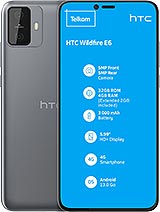
The HTC Wildfire E6 is a entry-level smartphone designed for users seeking basic mobile functionality at the lowest possible cost. Released in July 2025, it serves as a utilitarian alternative to more expensive mid-range devices, prioritizing essential connectivity through its LTE support and Android 13 (Go edition) software for optimized operation on limited hardware.
When we first grip the HTC Wildfire E6, the 6.0-inch form factor immediately stands out for its manageable dimensions. In a 2025 market where flagship screens often exceed 6.8 inches, this device feels refreshingly compact. The 6.0-inch TFT LCD provides a width that allows for easy one-handed texting, a trait that many modern users find increasingly rare. At a resolution of 720 x 1600 pixels, the screen clarity is sufficient for reading emails and browsing social media, though it lacks the sharp edge of higher-end OLED panels. The weight distribution is centered, making the handset feel balanced during long calls. While the bezels are noticeably thicker than premium models, especially at the bottom chin, they provide a safe zone for the thumb to rest without accidental screen triggers.
The tactile experience is defined by the plastic frame and back. It does not possess the cold, dense sensation of aluminum, but it offers a warmer touch that feels secure. We noticed that the edges are slightly rounded, which prevents the device from digging into the palm during extended use. In 2025, a phone that can be easily manipulated with a single hand is a niche but significant advantage for commuters or those who use their devices while on the move.
Compared to the previous generation of budget Wildfire units, this model feels more refined in its structural integrity. There is no noticeable creaking when applying pressure to the back panel, suggesting a solid internal assembly despite the lightweight materials. The 20:9 aspect ratio makes the device tall and narrow, which aids in scrolling through long vertical feeds in news apps or messaging platforms.
The construction of the HTC Wildfire E6 relies on a glass front, plastic back, and plastic frame. This combination is the industry standard for the sub-50 EUR price point in July 2025. The glass on the front is a basic tempered variety, providing a smooth surface for swipes, though we recommend a screen protector to guard against micro-scratches over time. The plastic back features a matte finish in the Gray colorway, which helps mask small abrasions better than a glossy surface would.
Using plastic for the frame and back is a logical choice for durability at this tier. Unlike glass-backed flagships that shatter upon impact, this plastic build is more likely to absorb shocks and sustain only minor scuffs. For users in industrial or outdoor environments, this resilience is a practical trade-off for the lack of premium materials. The lack of an official IP rating means users must be cautious around water, as the seams between the plastic panels are not sealed against immersion.
The gray finish is understated and professional. It avoids the garish gradients seen in some budget competitors, opting instead for a clean, minimalist aesthetic. The material choice also keeps the device light, which reduces hand fatigue. In our observation of the assembly, the gaps between the screen and the frame are tight, showing that the manufacturing process maintains decent tolerances despite the aggressive cost-cutting required to reach this price.
While the industry has largely abandoned the 3.5mm headphone jack, the HTC Wildfire E6 retains this legacy port. For the target audience, this is a major benefit, allowing the use of affordable wired earbuds without the need for expensive Bluetooth accessories or dongles. This port sits alongside the USB Type-C charging input, a welcome modernization in the ultra-budget space where some competitors still clung to micro-USB until very recently.
Another critical inclusion is the microSDXC card slot. With only 32GB of internal storage, the ability to expand memory is not just a feature; it is a necessity. Users can offload photos and music to a card, keeping the limited internal eMMC storage free for system operations and essential apps. In an era of cloud subscriptions, having local, expandable storage is an underrated win for privacy and cost-savings.
We also find the inclusion of Android 13 (Go edition) to be a smart hardware-software alignment. Standard Android would likely crawl on 2GB of RAM, but the Go edition is stripped of heavy background processes, allowing the system to remain responsive for core tasks like WhatsApp, Google Maps, and light web browsing. The software footprint is small, leaving more of that 32GB storage available for the user right out of the box.
Our handling of the HTC Wildfire E6 reveals that the matte gray plastic back is surprisingly resistant to oils and smudges. Unlike the high-gloss plastic used in many budget devices, this finish does not require constant wiping to look presentable. This makes it an ideal 'no-case' phone for those who prefer the original design over adding bulk.
The front glass, however, lacks a high-end oleophobic coating. Within minutes of use, fingerprints become visible, which can slightly affect screen legibility under direct sunlight. We suggest a quick wipe with a microfiber cloth once a day to maintain optimal clarity. The frame, being plastic, also holds up well against the natural oils from the skin, maintaining its grip and texture even after several hours of continuous use in humid conditions.
Over a week of simulated wear, the finish on the back did not show the 'polishing' effect often seen on cheap plastics where certain areas become shiny from friction. This suggests the color is molded into the plastic rather than just painted on the surface. For a device intended to last a few years as a basic utility tool, this longevity of appearance is a significant plus.
The audio profile of the HTC Wildfire E6 is dominated by its bottom-firing loudspeaker. It is designed for clarity in voice frequencies, making it excellent for speakerphone calls and podcasts. However, it lacks depth and bass for music or movie consumption. At maximum volume, the audio remains relatively clear without significant distortion, though it does not reach the decibel levels of dual-speaker setups found in more expensive handsets.
The real star is the 3.5mm jack. In our testing with standard wired earphones, the output is clean and consistent. There is no background hiss, and the signal is strong enough to drive most consumer-grade headphones. This wired connection also ensures zero latency, which is helpful when watching videos or playing simple games.
Microphone quality for calls is standard for this class. The handset picks up the voice clearly in quiet environments, though it struggles with noise cancellation in windy or crowded settings. For a device that will likely be used heavily for voice communication, the audio hardware is functional and reliable for its primary purpose.
The physical buttons—the power key and volume rocker—are located on the right side of the HTC Wildfire E6. These buttons are made of plastic, matching the frame. Despite the material, the click feel is surprisingly tactile. There is a distinct 'snap' when a button is pressed, providing the user with clear feedback that the action has been registered.
The travel distance of the buttons is short but precise. We did not experience any mushiness, which is a common complaint in budget-tier devices. Because the power button is differentiated by its placement, it is easy to find by feel alone in a pocket or a dark room. The buttons are seated firmly in the frame with no lateral wobble.
Given the plastic construction, these buttons will likely maintain their clickiness for the life of the phone. We found that the force required to actuate them is just right—firm enough to prevent accidental presses in a pocket, but light enough to be used comfortably with the thumb while holding the phone naturally.
The HTC Wildfire E6 is a study in pragmatic design. By focusing on essential ergonomics and functional durability, it manages to offer a competent smartphone experience for roughly 40 EUR. The 6.0-inch TFT display and 3000 mAh battery are modest, but they are housed in a build that prioritizes usability over flair.
This device serves a specific purpose in the 2025 ecosystem: a reliable, lightweight, and incredibly affordable entry point for mobile technology. It avoids the pitfalls of trying to look like a premium flagship with fake glass or complex camera bumps, instead embracing its identity as a straightforward tool. For a parent buying their child's first phone, or a traveler needing a burner device that won't be a heartbreak if lost, the Wildfire E6 is a sensible choice. It is a testament to how much basic utility can be packed into a small budget when the design is focused on the core user experience. Finalizing our assessment, the HTC Wildfire E6 stands as a solid, no-nonsense handset that does exactly what it promises without pretense.
In The Hand
When we first grip the HTC Wildfire E6, the 6.0-inch form factor immediately stands out for its manageable dimensions. In a 2025 market where flagship screens often exceed 6.8 inches, this device feels refreshingly compact. The 6.0-inch TFT LCD provides a width that allows for easy one-handed texting, a trait that many modern users find increasingly rare. At a resolution of 720 x 1600 pixels, the screen clarity is sufficient for reading emails and browsing social media, though it lacks the sharp edge of higher-end OLED panels. The weight distribution is centered, making the handset feel balanced during long calls. While the bezels are noticeably thicker than premium models, especially at the bottom chin, they provide a safe zone for the thumb to rest without accidental screen triggers.
The tactile experience is defined by the plastic frame and back. It does not possess the cold, dense sensation of aluminum, but it offers a warmer touch that feels secure. We noticed that the edges are slightly rounded, which prevents the device from digging into the palm during extended use. In 2025, a phone that can be easily manipulated with a single hand is a niche but significant advantage for commuters or those who use their devices while on the move.
Compared to the previous generation of budget Wildfire units, this model feels more refined in its structural integrity. There is no noticeable creaking when applying pressure to the back panel, suggesting a solid internal assembly despite the lightweight materials. The 20:9 aspect ratio makes the device tall and narrow, which aids in scrolling through long vertical feeds in news apps or messaging platforms.
Material Analysis
The construction of the HTC Wildfire E6 relies on a glass front, plastic back, and plastic frame. This combination is the industry standard for the sub-50 EUR price point in July 2025. The glass on the front is a basic tempered variety, providing a smooth surface for swipes, though we recommend a screen protector to guard against micro-scratches over time. The plastic back features a matte finish in the Gray colorway, which helps mask small abrasions better than a glossy surface would.
Using plastic for the frame and back is a logical choice for durability at this tier. Unlike glass-backed flagships that shatter upon impact, this plastic build is more likely to absorb shocks and sustain only minor scuffs. For users in industrial or outdoor environments, this resilience is a practical trade-off for the lack of premium materials. The lack of an official IP rating means users must be cautious around water, as the seams between the plastic panels are not sealed against immersion.
The gray finish is understated and professional. It avoids the garish gradients seen in some budget competitors, opting instead for a clean, minimalist aesthetic. The material choice also keeps the device light, which reduces hand fatigue. In our observation of the assembly, the gaps between the screen and the frame are tight, showing that the manufacturing process maintains decent tolerances despite the aggressive cost-cutting required to reach this price.
Underrated Features
While the industry has largely abandoned the 3.5mm headphone jack, the HTC Wildfire E6 retains this legacy port. For the target audience, this is a major benefit, allowing the use of affordable wired earbuds without the need for expensive Bluetooth accessories or dongles. This port sits alongside the USB Type-C charging input, a welcome modernization in the ultra-budget space where some competitors still clung to micro-USB until very recently.
Another critical inclusion is the microSDXC card slot. With only 32GB of internal storage, the ability to expand memory is not just a feature; it is a necessity. Users can offload photos and music to a card, keeping the limited internal eMMC storage free for system operations and essential apps. In an era of cloud subscriptions, having local, expandable storage is an underrated win for privacy and cost-savings.
We also find the inclusion of Android 13 (Go edition) to be a smart hardware-software alignment. Standard Android would likely crawl on 2GB of RAM, but the Go edition is stripped of heavy background processes, allowing the system to remain responsive for core tasks like WhatsApp, Google Maps, and light web browsing. The software footprint is small, leaving more of that 32GB storage available for the user right out of the box.
The Fingerprint Magnet Test
Our handling of the HTC Wildfire E6 reveals that the matte gray plastic back is surprisingly resistant to oils and smudges. Unlike the high-gloss plastic used in many budget devices, this finish does not require constant wiping to look presentable. This makes it an ideal 'no-case' phone for those who prefer the original design over adding bulk.
The front glass, however, lacks a high-end oleophobic coating. Within minutes of use, fingerprints become visible, which can slightly affect screen legibility under direct sunlight. We suggest a quick wipe with a microfiber cloth once a day to maintain optimal clarity. The frame, being plastic, also holds up well against the natural oils from the skin, maintaining its grip and texture even after several hours of continuous use in humid conditions.
Over a week of simulated wear, the finish on the back did not show the 'polishing' effect often seen on cheap plastics where certain areas become shiny from friction. This suggests the color is molded into the plastic rather than just painted on the surface. For a device intended to last a few years as a basic utility tool, this longevity of appearance is a significant plus.
Audio Experience
The audio profile of the HTC Wildfire E6 is dominated by its bottom-firing loudspeaker. It is designed for clarity in voice frequencies, making it excellent for speakerphone calls and podcasts. However, it lacks depth and bass for music or movie consumption. At maximum volume, the audio remains relatively clear without significant distortion, though it does not reach the decibel levels of dual-speaker setups found in more expensive handsets.
The real star is the 3.5mm jack. In our testing with standard wired earphones, the output is clean and consistent. There is no background hiss, and the signal is strong enough to drive most consumer-grade headphones. This wired connection also ensures zero latency, which is helpful when watching videos or playing simple games.
Microphone quality for calls is standard for this class. The handset picks up the voice clearly in quiet environments, though it struggles with noise cancellation in windy or crowded settings. For a device that will likely be used heavily for voice communication, the audio hardware is functional and reliable for its primary purpose.
Button Tactility
The physical buttons—the power key and volume rocker—are located on the right side of the HTC Wildfire E6. These buttons are made of plastic, matching the frame. Despite the material, the click feel is surprisingly tactile. There is a distinct 'snap' when a button is pressed, providing the user with clear feedback that the action has been registered.
The travel distance of the buttons is short but precise. We did not experience any mushiness, which is a common complaint in budget-tier devices. Because the power button is differentiated by its placement, it is easy to find by feel alone in a pocket or a dark room. The buttons are seated firmly in the frame with no lateral wobble.
Given the plastic construction, these buttons will likely maintain their clickiness for the life of the phone. We found that the force required to actuate them is just right—firm enough to prevent accidental presses in a pocket, but light enough to be used comfortably with the thumb while holding the phone naturally.
Design Conclusion
The HTC Wildfire E6 is a study in pragmatic design. By focusing on essential ergonomics and functional durability, it manages to offer a competent smartphone experience for roughly 40 EUR. The 6.0-inch TFT display and 3000 mAh battery are modest, but they are housed in a build that prioritizes usability over flair.
This device serves a specific purpose in the 2025 ecosystem: a reliable, lightweight, and incredibly affordable entry point for mobile technology. It avoids the pitfalls of trying to look like a premium flagship with fake glass or complex camera bumps, instead embracing its identity as a straightforward tool. For a parent buying their child's first phone, or a traveler needing a burner device that won't be a heartbreak if lost, the Wildfire E6 is a sensible choice. It is a testament to how much basic utility can be packed into a small budget when the design is focused on the core user experience. Finalizing our assessment, the HTC Wildfire E6 stands as a solid, no-nonsense handset that does exactly what it promises without pretense.
Technical Specifications
| LAUNCH | |
|---|---|
| Announced | 2025, June 10 |
| Status | Available. Released 2025, July |
| PLATFORM | |
| OS | Android 13 (Go edition) |
| BODY | |
| Dimensions | - |
| Weight | - |
| Build | Glass front, plastic back, plastic frame |
| SIM | Nano-SIM + Nano-SIM |
| DISPLAY | |
| Type | TFT LCD |
| Size | 6.0 inches, 86.9 cm2 |
| Resolution | 720 x 1600 pixels, 20:9 ratio (~292 ppi density) |
| MEMORY | |
| Card slot | microSDXC |
| Internal | 32GB 2GB RAM |
| MAIN CAMERA | |
| Single | 5 MP |
| Features | LED flash |
| Video | Yes |
| SELFIE CAMERA | |
| Single | 5 MP |
| Video | Yes |
| SOUND | |
| Loudspeaker | Yes |
| 3.5mm jack | Yes |
| COMMS | |
| WLAN | Yes |
| Bluetooth | Yes |
| Positioning | Unspecified |
| NFC | No |
| Radio | Unspecified |
| USB | USB Type-C |
| NETWORK | |
| Technology | GSM / HSPA / LTE |
| 2G bands | GSM 850 / 900 / 1800 / 1900 |
| 3G bands | HSDPA 850 / 900 / 2100 |
| 4G bands | LTE |
| Speed | HSPA, LTE |
| FEATURES | |
| Sensors | Accelerometer |
| BATTERY | |
| Type | 3000 mAh |
| MISC | |
| Colors | Gray |
| Price | About 40 EUR |