Glasses-Free Novelty - The ZTE Voyage 3D Is a Value Masterpiece for Budget Hunters
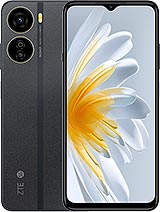
Overview
The Strategic Pivot to a Specialized Secondary Device
The ZTE Voyage 3D is a budget 5G smartphone featuring a 3D lightfield display for glasses-free depth effects and a Unisoc T760 chipset for efficient connectivity, aimed at tech enthusiasts seeking a unique secondary device. Released in mid-2024, it competes with entry-level 5G offerings from brands like Xiaomi and Motorola. While many manufacturers focus on iterative camera bumps, this handset targets a specific niche of content consumption and functional redundancy at a price point under 200 EUR.
Investing in a secondary phone requires a different economic mindset compared to purchasing a primary flagship. We view this model as a calculated hedge against the high cost of premium repairs. Instead of risking a 1200-euro device in high-risk environments like music festivals or construction sites, this handset provides 5G connectivity and a unique entertainment hook for a fraction of the cost. The inclusion of specialized display tech makes it more than just a backup; it becomes a dedicated media player that offers something most flagships simply do not have.
Endurance for the Long Haul
The 4500 mAh battery is a choice that prioritizes device weight and hand-feel over absolute capacity. While the 5000 mAh standard dominates the budget sector, this slightly smaller cell allows the phone to maintain a manageable 190g weight. In our assessment, 4500 mAh paired with the 6nm efficiency of the chipset provides a full day of moderate use. For a backup phone, standby time is the critical metric. This device can sit in a backpack for several days and still have enough juice to navigate home when a primary phone dies.
Charging at 33W via Power Delivery 3.0 represents a pragmatic middle ground. It is significantly faster than the 10W or 18W speeds often found in the ultra-budget tier. A 30-minute charge session should replenish enough energy for a typical evening of usage. Because it supports the PD 3.0 standard, users do not need a proprietary brick to see decent speeds, which aligns perfectly with a cost-saving philosophy that utilizes existing charging infrastructure. We appreciate that the charging logic doesn't push extreme wattages that could degrade the battery chemistry prematurely, extending the long-term utility of the hardware.
Silicon Under Pressure
The Unisoc T760 chipset handles daily tasks with surprising competence for a 6nm piece of silicon. It utilizes a cluster of Cortex-A76 cores which are the workhorses of the mid-range mobile world. When we talk about app load times, the bottleneck is not actually the CPU, but the eMMC 5.1 storage. Unlike the UFS storage found in more expensive models, eMMC 5.1 operates on a slower data bus. This means users will notice longer installation times for large games and slightly more lag when the system is indexing a large photo gallery.
Gaming performance on the Mali-G57 GPU is sufficient for casual titles like Subway Surfers or Candy Crush. However, high-fidelity titles like Genshin Impact require a significant reduction in graphical settings. At 1080p resolution, the GPU is working hard to maintain frame rates. The 120Hz refresh rate of the LCD panel makes the interface feel much smoother than the actual hardware power might suggest, creating a perceived speed that benefits the user experience during social media scrolling and web browsing. It is a clever optimization that masks the budget-friendly internals.
Navigating the Digital Overlay
Running MyOS 13 on top of Android 13, the software environment is tailored for utility. ZTE has integrated specific drivers to handle the real-time 2D to 3D content conversion. This software magic allows standard video content to be projected with a sense of depth, utilizing the lightfield display properties. While the interface includes several pre-installed applications, most can be disabled or tucked away in folders. The UI is focused on high-performance hardware management, which is necessary when the processor is tasked with rendering 3D perspectives simultaneously.
One significant consideration for value hunters is the update cycle. Budget devices rarely receive the five-year support windows seen in the premium space. We expect this model to receive security patches, but long-term Android version upgrades remain uncertain. This reinforces the argument for using this as a secondary device or a media-focused tool rather than a primary workstation intended to last half a decade. The software stays out of the way, providing a clean enough canvas for the unique display technology to shine.
Dissipating the Heat
Thermal management is often overlooked in the budget category, but the 6nm process of the T760 helps significantly here. Because the manufacturing process is quite advanced for this price bracket, the chip generates less waste heat during standard operations. During extended video playback sessions—specifically utilizing the 3D conversion features—the plastic back remains cool to the touch. Plastic, while less premium than glass or metal, acts as a decent insulator, preventing the heat from the internal components from becoming uncomfortable against the palm.
If the device is pushed with heavy 5G data usage and maximum screen brightness, some throttling is inevitable to protect the internal components. However, for the intended use case of media consumption and light productivity, the thermal ceiling is high enough that most users will never hit a performance wall. Stability is the priority here; we would rather have a device that maintains a consistent, albeit lower, frame rate than one that spikes and then stutters due to overheating.
Plastic Resilience
The build materials consist of a glass front and a plastic frame and back. From an economist's view, plastic is superior for a backup device. It does not shatter upon impact like glass does, and it does not dent or show scratches as dramatically as aluminum. The 190g weight feels substantial without being a brick in the pocket. The side-mounted fingerprint sensor is a reliable choice, offering faster and more consistent unlocking than the cheap under-display optical sensors often found in this price range.
Durability in the budget space also means repairability. The simple construction likely makes screen replacements more affordable than the curved OLED panels found on flagship devices. While there is no official IP rating for water and dust resistance, the tight tolerances of the plastic shell suggest it can handle a light mist or a dusty environment. We recommend a basic case for the plastic back to prevent the inevitable scuffing that occurs with eMMC-tier devices over time.
The Depreciation Factor
Resale value for budget [5G phones](/trend/best-5g-phones-2026/) is typically low, as the technology moves so quickly at the entry level. However, the ZTE Voyage 3D has a unique advantage: the 3D display. Niche technology tends to hold a specific floor in the used market because of its novelty. Five years from now, collectors or hobbyists may look for this device specifically for its glasses-free 3D capabilities, whereas a standard [budget phone](/trend/best-budget-phones-2026/) from 2024 will be e-waste. This unique selling point provides a hedge against total depreciation.
When calculating the cost of ownership, the 190 EUR entry price is remarkably low for a device that includes both 5G and a 120Hz screen. If you use this phone for two years, the cost is less than 8 EUR per month. For that price, you get a 5G hotspot, a specialized movie player, and a fully functional communication backup. It is a low-risk investment for anyone who values having a 'Plan B' in their tech rotation.
Technical Specifications
| LAUNCH | |
|---|---|
| Announced | 2024, June 27 |
| Status | Available. Released 2024, June 27 |
| PLATFORM | |
| OS | Android 13, MyOS 13 |
| Chipset | Unisoc T760 (6 nm) |
| CPU | Octa-core (1x2.2 GHz Cortex-A76 & 3x Cortex-A76 & 4x Cortex-A55) |
| GPU | Mali-G57 |
| BODY | |
| Dimensions | 163.5 x 75 x 8.5 mm (6.44 x 2.95 x 0.33 in) |
| Weight | 190 g (6.70 oz) |
| Build | Glass front, plastic frame, plastic back |
| SIM | Nano-SIM + Nano-SIM |
| DISPLAY | |
| Type | IPS LCD, 120Hz |
| Size | 6.58 inches, 104.3 cm2 (~85.1% screen-to-body ratio) |
| Resolution | 1080 x 2408 pixels, 20:9 ratio (~401 ppi density) |
| Info | 3D lightfield display Real-time 2D to 3D content conversion |
| MEMORY | |
| Card slot | Unspecified |
| Internal | 128GB 6GB RAM |
| Info | eMMC 5.1 |
| MAIN CAMERA | |
| Dual | 50 MP, (wide), PDAF 5 MP |
| Features | LED flash, HDR, panorama |
| Video | 1080p@30fps |
| SELFIE CAMERA | |
| Single | 5 MP |
| Video | Yes |
| SOUND | |
| Loudspeaker | Yes |
| 3.5mm jack | No |
| COMMS | |
| WLAN | Wi-Fi 802.11 a/b/g/n/ac, dual-band |
| Bluetooth | 5.0, A2DP, LE |
| Positioning | GPS, GALILEO, GLONASS, BDS |
| NFC | Unspecified |
| Radio | No |
| USB | USB Type-C 2.0 |
| NETWORK | |
| Technology | GSM / HSPA / LTE / 5G |
| 2G bands | GSM 850 / 900 / 1800 / 1900 |
| 3G bands | HSDPA 850 / 900 / 1900 / 2100 |
| 4G bands | 1, 3, 5, 7, 8, 34, 38, 39, 40, 41 |
| 5G bands | 1, 5, 8, 28, 41, 78 SA/NSA |
| Speed | HSPA, LTE, 5G |
| FEATURES | |
| Sensors | Fingerprint (side-mounted), accelerometer, gyro, proximity, compass |
| BATTERY | |
| Type | 4500 mAh |
| Charging | 33W wired, PD3.0 |
| MISC | |
| Colors | Black |
| Price | About 190 EUR |