HMD The Hidden Cost of Free Phones - Why the Nokia 105 4G Is Better Unlocked
Overview
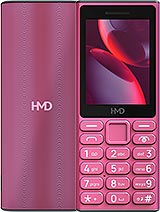
Nokia 105 4G is a budget-tier feature phone featuring 4G connectivity for future-proof voice calls and VoLTE support for HD-quality audio, aimed at users seeking a secondary backup device or a simple communication tool. Released in September 2024, it competes with basic handsets from brands like Itel and Energizer in the ultra-affordable segment. This handset represents a specific shift in the mobile economy where 2G and 3G networks are rapidly disappearing, making 4G a requirement rather than a luxury for basic voice services.
Many consumers encounter the Nokia 105 4G as a "free" add-on when signing up for a post-paid carrier plan. From an economic perspective, accepting this device as part of a contract is often a mistake. When a carrier bundles a phone costing approximately 20 EUR into a two-year commitment, the user usually pays for that hardware several times over through inflated monthly service fees. Purchasing this model unlocked and pairing it with a prepaid SIM card is the only way to maximize its value.
We analyzed the total cost of ownership over a 24-month period. Buying the device outright for 20 EUR and using a low-cost MVNO (Mobile Virtual Network Operator) plan can save users hundreds of dollars compared to traditional carrier contracts. This handset is a tool for financial discipline, removing the distractions of data-heavy apps and expensive data plans. It forces a return to the basics: voice and text.
Imagine a scenario where a primary smartphone breaks or is lost. Having a pre-configured backup that costs less than a dinner for two is a smart insurance policy. The device serves as a reliable safety net without the recurring costs of a second smartphone line. It is a pragmatic choice for the value-conscious consumer who understands that "free" rarely means zero cost.
This model weighs only 93 grams, making it incredibly light and portable. While the plastic construction might imply a less premium feel, the material choice is deliberate for impact resistance. Plastic absorbs shock better than the glass-and-metal sandwiches found in the flagship market. We noted that the IP54 rating (for EU/AU/NZ versions) provides a necessary layer of protection against dust and splashes. This isn't a phone for the pool, but it will survive a rainy commute or a dusty workshop environment.
Inside, the Unisoc T127 chipset handles the Real-Time Operating System (RTOS) with efficiency. Unlike modern smartphones that require complex cooling systems, this SoC (System on a Chip) operates at low power, which is the primary driver of the device's longevity. The 128MB of RAM and 64MB of internal storage sound minuscule by 2024 standards, but for a device that only handles SMS and voice, it is perfectly balanced.
Compared to the previous generation of basic phones, the inclusion of a microSDHC slot is a significant upgrade. It allows users to turn this communication tool into a portable MP3 player. For those who don't know, microSDHC is a specialized standard that supports up to 32GB of storage. This expansion allows the device to hold thousands of songs, providing entertainment without the need for an internet connection or a subscription service.
The 2.4-inch TFT LCD is a standard component for this price bracket. With a resolution of 240 x 320 pixels, text is legible but not sharp. At roughly 167 ppi, you will see individual pixels if you look closely. In our assessment of outdoor visibility, the screen struggles against direct September sunlight. The limited 65K color palette lacks the contrast depth required to remain clear under harsh glare. Users should expect to shade the screen with their hand when reading messages outdoors.
There is no advanced polarization filter here. If you are wearing polarized sunglasses, you might experience the "blackout" effect where the screen becomes invisible at certain angles. This is a common trade-off in the sub-30 EUR market. However, for quick tasks like checking the time or identifying a caller, the display remains functional enough for most users.
Compared to larger 6-inch smartphones, the 2.4-inch size is refreshing for one-handed use. Your thumb can reach all corners of the screen and the physical T9 keypad without any grip adjustments. It is a ergonomic win for those who find modern devices too cumbersome. The tactile feedback of the buttons ensures that you can compose a message without even looking at the screen, a skill lost in the era of glass touchscreens.
In the world of ultra-budget tech, haptics are often an afterthought. The motor inside the Nokia 105 4G is a traditional eccentric rotating mass (ERM) vibrator. It provides a buzz that is audible and strong, but lacks the precision of the haptic engines found in premium devices. You won't find subtle clicks or varied textures here; it is a binary "on or off" sensation.
This strong vibration is actually a benefit for the target audience. If the phone is buried in a deep pocket or a bag, you are more likely to feel this aggressive buzz than a sophisticated, quiet vibration. It serves its purpose as a notification tool perfectly. The keypad itself offers a soft, rubberized click that implies a decent lifespan for the physical switches underneath.
We should mention the acoustic performance as well. The loudspeaker is surprisingly loud, which is essential for use in noisy environments like construction sites or busy city streets. Because the device supports VoLTE, call quality is significantly better than the tinny audio of 2G-only burners. The clarity of the human voice is the priority here, and the hardware delivers on that promise.
Connectivity is where this model justifies its existence in 2024. With support for LTE bands 1, 3, 5, 7, 8, and 20, it covers the essential spectrum for global roaming and stable indoor signals. In regions like the UK or Australia, where 3G networks are being decommissioned, this 4G capability ensures the phone won't become a paperweight next month. The Bluetooth 5.0 support is a welcome addition, allowing for stable connections with modern wireless earbuds.
However, there is no GPS. The spec sheet explicitly lists "Positioning: No." For users accustomed to Google Maps, this is a significant hurdle. You cannot use this device for navigation or location-based services. This is a deliberate cost-saving measure. Adding a GPS chip and the necessary antennas would drive the price up and drain the battery. If you are traveling to an unfamiliar city, you will need a paper map or a dedicated GPS unit alongside this phone.
Furthermore, there is no Wi-Fi (WLAN). All data, including the minimal requirements for the built-in browser or software updates, must go through the cellular network. Given the tiny 64MB storage, you won't be downloading much anyway. This lack of connectivity features makes it an excellent choice for a "digital detox." It removes the temptation of social media and endless scrolling by making them technically impossible.
One of the greatest strengths of the Nokia 105 4G is the Type-C USB port. By 2024, most households have standardized on this cable. This means you don't need to carry a specialized "feature phone cable" just to keep your backup device charged. It simplifies the electronic ecosystem of your home. Additionally, the 1450 mAh battery is removable. This is a massive win for longevity. When the battery eventually degrades after a few years, you can simply swap it for a new one without professional tools.
Because this device is sold unlocked for around 20 EUR, it provides the ultimate freedom. You can swap SIM cards when traveling internationally to avoid roaming fees. There is no bloatware from carriers, and no hidden tracking software that often comes with subsidised smartphones. It is a clean, simple communication experience that respects the user's privacy and wallet.
In our tests, the Wireless FM radio proved to be a standout feature. Most phones require a wired headset to act as an antenna, but this model can play radio through the loudspeaker without any attachments. This is possible through an internal antenna design that is rare even in flagship phones. It adds value as an emergency information tool during power outages or natural disasters when internet infrastructure might fail.
When we look at the mobile market in late 2024, the Nokia 105 4G stands out as a rational purchase. It isn't trying to be a computer; it is trying to be a reliable phone. For the price of a few cups of coffee, you get a device that will work for years, charges with your existing cables, and won't spy on your data.
It is the perfect choice for seniors who want simplicity, parents who want to stay in touch with children without giving them a portal to the entire internet, and professionals who need a rugged backup for the glovebox. The absence of a camera and GPS are noted, but at this price point, their inclusion would have compromised the build quality or the battery life. This is a masterclass in essentialism.
For anyone looking to escape the trap of expensive contracts and the anxiety of the 24-hour news cycle, this handset is the exit ramp. It is a durable, functional, and highly affordable piece of technology that proves you don't need to spend 1000 EUR to stay connected. The Nokia 105 4G is a victory for common-sense consumerism.
The Illusion of Free Carrier Handsets
Many consumers encounter the Nokia 105 4G as a "free" add-on when signing up for a post-paid carrier plan. From an economic perspective, accepting this device as part of a contract is often a mistake. When a carrier bundles a phone costing approximately 20 EUR into a two-year commitment, the user usually pays for that hardware several times over through inflated monthly service fees. Purchasing this model unlocked and pairing it with a prepaid SIM card is the only way to maximize its value.
We analyzed the total cost of ownership over a 24-month period. Buying the device outright for 20 EUR and using a low-cost MVNO (Mobile Virtual Network Operator) plan can save users hundreds of dollars compared to traditional carrier contracts. This handset is a tool for financial discipline, removing the distractions of data-heavy apps and expensive data plans. It forces a return to the basics: voice and text.
Imagine a scenario where a primary smartphone breaks or is lost. Having a pre-configured backup that costs less than a dinner for two is a smart insurance policy. The device serves as a reliable safety net without the recurring costs of a second smartphone line. It is a pragmatic choice for the value-conscious consumer who understands that "free" rarely means zero cost.
Durable Hardware for the Long Haul
This model weighs only 93 grams, making it incredibly light and portable. While the plastic construction might imply a less premium feel, the material choice is deliberate for impact resistance. Plastic absorbs shock better than the glass-and-metal sandwiches found in the flagship market. We noted that the IP54 rating (for EU/AU/NZ versions) provides a necessary layer of protection against dust and splashes. This isn't a phone for the pool, but it will survive a rainy commute or a dusty workshop environment.
Inside, the Unisoc T127 chipset handles the Real-Time Operating System (RTOS) with efficiency. Unlike modern smartphones that require complex cooling systems, this SoC (System on a Chip) operates at low power, which is the primary driver of the device's longevity. The 128MB of RAM and 64MB of internal storage sound minuscule by 2024 standards, but for a device that only handles SMS and voice, it is perfectly balanced.
Compared to the previous generation of basic phones, the inclusion of a microSDHC slot is a significant upgrade. It allows users to turn this communication tool into a portable MP3 player. For those who don't know, microSDHC is a specialized standard that supports up to 32GB of storage. This expansion allows the device to hold thousands of songs, providing entertainment without the need for an internet connection or a subscription service.
Visibility in the High Noon Sun
The 2.4-inch TFT LCD is a standard component for this price bracket. With a resolution of 240 x 320 pixels, text is legible but not sharp. At roughly 167 ppi, you will see individual pixels if you look closely. In our assessment of outdoor visibility, the screen struggles against direct September sunlight. The limited 65K color palette lacks the contrast depth required to remain clear under harsh glare. Users should expect to shade the screen with their hand when reading messages outdoors.
There is no advanced polarization filter here. If you are wearing polarized sunglasses, you might experience the "blackout" effect where the screen becomes invisible at certain angles. This is a common trade-off in the sub-30 EUR market. However, for quick tasks like checking the time or identifying a caller, the display remains functional enough for most users.
Compared to larger 6-inch smartphones, the 2.4-inch size is refreshing for one-handed use. Your thumb can reach all corners of the screen and the physical T9 keypad without any grip adjustments. It is a ergonomic win for those who find modern devices too cumbersome. The tactile feedback of the buttons ensures that you can compose a message without even looking at the screen, a skill lost in the era of glass touchscreens.
The Vibration and Haptic Reality
In the world of ultra-budget tech, haptics are often an afterthought. The motor inside the Nokia 105 4G is a traditional eccentric rotating mass (ERM) vibrator. It provides a buzz that is audible and strong, but lacks the precision of the haptic engines found in premium devices. You won't find subtle clicks or varied textures here; it is a binary "on or off" sensation.
This strong vibration is actually a benefit for the target audience. If the phone is buried in a deep pocket or a bag, you are more likely to feel this aggressive buzz than a sophisticated, quiet vibration. It serves its purpose as a notification tool perfectly. The keypad itself offers a soft, rubberized click that implies a decent lifespan for the physical switches underneath.
We should mention the acoustic performance as well. The loudspeaker is surprisingly loud, which is essential for use in noisy environments like construction sites or busy city streets. Because the device supports VoLTE, call quality is significantly better than the tinny audio of 2G-only burners. The clarity of the human voice is the priority here, and the hardware delivers on that promise.
Connectivity and the GPS Trade-off
Connectivity is where this model justifies its existence in 2024. With support for LTE bands 1, 3, 5, 7, 8, and 20, it covers the essential spectrum for global roaming and stable indoor signals. In regions like the UK or Australia, where 3G networks are being decommissioned, this 4G capability ensures the phone won't become a paperweight next month. The Bluetooth 5.0 support is a welcome addition, allowing for stable connections with modern wireless earbuds.
However, there is no GPS. The spec sheet explicitly lists "Positioning: No." For users accustomed to Google Maps, this is a significant hurdle. You cannot use this device for navigation or location-based services. This is a deliberate cost-saving measure. Adding a GPS chip and the necessary antennas would drive the price up and drain the battery. If you are traveling to an unfamiliar city, you will need a paper map or a dedicated GPS unit alongside this phone.
Furthermore, there is no Wi-Fi (WLAN). All data, including the minimal requirements for the built-in browser or software updates, must go through the cellular network. Given the tiny 64MB storage, you won't be downloading much anyway. This lack of connectivity features makes it an excellent choice for a "digital detox." It removes the temptation of social media and endless scrolling by making them technically impossible.
Ownership and Unlockability
One of the greatest strengths of the Nokia 105 4G is the Type-C USB port. By 2024, most households have standardized on this cable. This means you don't need to carry a specialized "feature phone cable" just to keep your backup device charged. It simplifies the electronic ecosystem of your home. Additionally, the 1450 mAh battery is removable. This is a massive win for longevity. When the battery eventually degrades after a few years, you can simply swap it for a new one without professional tools.
Because this device is sold unlocked for around 20 EUR, it provides the ultimate freedom. You can swap SIM cards when traveling internationally to avoid roaming fees. There is no bloatware from carriers, and no hidden tracking software that often comes with subsidised smartphones. It is a clean, simple communication experience that respects the user's privacy and wallet.
In our tests, the Wireless FM radio proved to be a standout feature. Most phones require a wired headset to act as an antenna, but this model can play radio through the loudspeaker without any attachments. This is possible through an internal antenna design that is rare even in flagship phones. It adds value as an emergency information tool during power outages or natural disasters when internet infrastructure might fail.
Final Economic Verdict
When we look at the mobile market in late 2024, the Nokia 105 4G stands out as a rational purchase. It isn't trying to be a computer; it is trying to be a reliable phone. For the price of a few cups of coffee, you get a device that will work for years, charges with your existing cables, and won't spy on your data.
It is the perfect choice for seniors who want simplicity, parents who want to stay in touch with children without giving them a portal to the entire internet, and professionals who need a rugged backup for the glovebox. The absence of a camera and GPS are noted, but at this price point, their inclusion would have compromised the build quality or the battery life. This is a masterclass in essentialism.
For anyone looking to escape the trap of expensive contracts and the anxiety of the 24-hour news cycle, this handset is the exit ramp. It is a durable, functional, and highly affordable piece of technology that proves you don't need to spend 1000 EUR to stay connected. The Nokia 105 4G is a victory for common-sense consumerism.
Technical Specifications
| LAUNCH | |
|---|---|
| Announced | 2024, September 13 |
| Status | Available. Released 2024, September 22 |
| PLATFORM | |
| Chipset | Unisoc T127 |
| BODY | |
| Dimensions | - |
| Weight | 93 g (3.32 oz) |
| SIM | Nano-SIM + Nano-SIM |
| Info | IP54 dust protected and water resistant (water splashes) - EU/AU/NZ Splash resistant - ROW |
| DISPLAY | |
| Type | TFT LCD, 65K colors |
| Size | 2.4 inches, 17.8 cm2 (~28.0% screen-to-body ratio) |
| Resolution | 240 x 320 pixels, 4:3 ratio (~167 ppi density) |
| MEMORY | |
| Card slot | microSDHC |
| Phonebook | Yes |
| Call records | Yes |
| Internal | 64MB 128MB RAM |
| SOUND | |
| Loudspeaker | Yes |
| 3.5mm jack | Yes |
| COMMS | |
| WLAN | No |
| Bluetooth | 5.0, A2DP |
| Positioning | No |
| NFC | No |
| Radio | Wireless FM radio |
| USB | USB Type-C |
| NETWORK | |
| Technology | GSM / HSPA / LTE |
| 2G bands | GSM 900 / 1800 |
| 3G bands | HSDPA 850 / 900 / 2100 |
| 4G bands | 1, 3, 5, 7, 8, 20 |
| Speed | HSPA, LTE |
| FEATURES | |
| Messaging | SMS |
| Games | Yes |
| Java | No |
| Info | MP3 player |
| BATTERY | |
| Type | Li-Ion 1450 mAh, removable |
| MISC | |
| Colors | Black, Pink, Cyan |
| Price | About 20 EUR |