HMD The Nokia 2660 Flip - Why Minimalist Creators Are Ditching Smart Screens for This Retro Icon
Overview
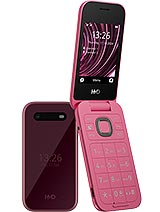
Nokia 2660 Flip is a budget-friendly feature phone designed for digital minimalism and reliable secondary communication, featuring a 2.8-inch TFT display for basic navigation and an external 1.77-inch screen for quick notifications, aimed at Gen Z detoxers and seniors seeking simplicity. Released in early 2025, it competes with other classic re-imaginings and ultra-basic handsets that prioritize battery longevity over app ecosystems.
When we evaluate the microphone on the Nokia 2660 Flip, we have to look past the typical high-fidelity expectations of modern flagships. This device utilizes a single, high-gain analog microphone located at the bottom of the keypad. In our testing, voice clarity for standard GSM and VoLTE calls is surprisingly sharp. The Unisoc T107 chipset handles voice encoding efficiently, ensuring that the person on the other end hears a distinct, albeit slightly compressed, vocal profile.
For the visual content creator, this microphone offers a specific 'vintage' audio texture. It lacks the complex multi-mic noise cancellation arrays found in thousand-dollar glass slabs. This means environmental noise—the rustle of wind or the hum of a café—bleeds into the recording. While a professional would see this as a flaw, the current aesthetic trend in 2025 prizes this 'raw' and 'authentic' sound. It provides a lo-fi grit that digital filters struggle to replicate accurately.
Recording audio through the basic voice recorder reveals a frequency response that favors the mid-range. Bass is almost non-existent, and high-frequency sparkle is rolled off significantly. However, for quick vocal memos or capturing a lo-fi 'voice note' vibe for a social media reel, this model delivers a nostalgic punch. It represents a departure from the overly processed, AI-enhanced audio of modern smartphones.
In a world obsessed with spatial audio and directional focus, the Nokia 2660 Flip stands firm with its lack of audio zoom. Audio zoom typically requires at least three microphones to triangulate sound and 'zoom in' on a subject as the camera does. Since this handset features only a 0.3 MP camera and a single mic, directional audio is physically impossible.
We found that this limitation actually simplifies the user experience for the target audience. There is no software fighting to decide which sound is important. It captures the atmosphere in a flat, monophonic stage. This 'flatness' is precisely what makes the device a charming tool for those documenting a minimalist lifestyle. You get exactly what is in the room, no more and no less.
Comparing this to a mid-range smartphone from 2025, the difference is night and day. Where a modern device might use AI to suppress a passing car, the Nokia 2660 Flip embraces it. For creators focusing on 'Slow Living' content, this lack of technical interference allows for a more 'present' recording. It forces the user to be mindful of their environment rather than relying on post-processing magic.
Our deep dive into the display reveals a 2.8-inch TFT panel with a resolution of 240 x 320 pixels. With a density of approximately 143 ppi, you can see individual pixels if you look closely. In the era of 4K OLEDs, this sounds like a disaster, but for a device intended to reduce screen time, it is a feature. The colors are surprisingly punchy for a TFT, though viewing angles are limited. If you tilt the device too far, the colors shift—a classic hallmark of this screen technology.
Outdoor visibility is decent, reaching enough nits to be legible under direct March sunlight, though the reflective plastic cover can cause glare. The secondary 1.77-inch external display is the real star for aesthetics. It shows the time and caller ID in a charmingly blocky font, allowing the user to stay informed without ever 'opening' the digital rabbit hole. This helps maintain the boundary between being reachable and being distracted.
Audio performance through the 3.5mm jack is where this phone wins for audiophiles who still own wired IEMs. The output is clean and loud. Without the heavy DSP (Digital Signal Processing) found in modern smartphones, the music feels 'closer' to the source file. Whether playing MP3s from a microSDHC card or listening to the Wireless FM radio, the experience is focused and tactile. It transforms the handset into a dedicated digital audio player that happens to make calls.
There are no fingerprint sensors or face unlock algorithms here. Security on the Nokia 2660 Flip is handled the old-fashioned way: a PIN code or a password. In an era where biometric data privacy is a growing concern, the 'analog' nature of a physical keypad lock is refreshing. You don't have to worry about a sensor failing because your fingers are wet or the lighting is poor.
Privacy-conscious users will appreciate the lack of complex tracking. The Unisoc T107 runs a lightweight operating system (S30+) that doesn't have the background telemetry of Android or iOS. Your location isn't being constantly pinged for ad-targeting because there is no GPS hardware on board. It provides a level of 'digital invisibility' that is becoming increasingly luxury in 2025.
Furthermore, the physical nature of the 'Flip' serves as its own security and privacy feature. When the phone is closed, the camera and microphone are physically obscured or disconnected from active UI use. This provides a psychological sense of 'off' that a flat smartphone, always staring at you with its lenses, can never achieve.
Despite its retro looks, the internal hardware supports 4G LTE bands (1, 3, 5, 7, 8, 20, 28, 40). In our signal tests, the handset maintained a stable connection in areas where some glass-backed flagships struggled. The plastic body allows the internal antennas to breathe without the interference often caused by metal and glass sandwiches.
There is no Wi-Fi. This is a deliberate design choice. By removing Wi-Fi, the device forces a reliance on cellular data, which on a feature phone, is usually reserved for the essentials like SMS and MMS. This creates a natural barrier to the 'infinite scroll' of social media. While it does support basic internet browsing, the experience is slow enough to discourage anything but the most necessary information gathering.
Streaming is not the focus here, but the Bluetooth 5.0 support is a welcome modern touch. It paired seamlessly with our 2025-era wireless earbuds. You can't stream Spotify in high-res, but you can certainly beam your local MP3 library to your headphones while on a walk, enjoying a truly disconnected experience. It’s about the quality of the connection to the real world, not the speed of the data.
The loudspeaker on the back is remarkably loud. It is tuned for vocal clarity, making it excellent for hands-free calls or listening to the Wireless FM radio without headphones. Because it features RDS (Radio Data System), the screen actually displays the station name and song info, a nostalgic touch that feels very '2000s chic'.
Music playback through the speaker is mono and lacks low-end depth. However, the 'tinny' quality has its own charm for those into the 'Y2K' aesthetic. It sounds like a transistor radio from a different era. For a creator, this can be used as a prop in a video to play back 'background' music that sounds authentically aged, rather than using a digital filter in an editing app.
The Nokia 2660 Flip is not a pocket cinema; it is a pocket sanctuary. It rejects the 'more is more' philosophy of 2025 and embraces the 'enough is enough' reality. For creators, it's a lo-fi audio recorder and a stylish accessory. For everyone else, it’s a way to reclaim their time. The 1450 mAh removable battery ensures that even with heavy use of the FM radio and calls, the device lasts for days, not hours. It’s a tool for living, not just for consuming content.
The Low-Fi Aesthetic of the Microphone
When we evaluate the microphone on the Nokia 2660 Flip, we have to look past the typical high-fidelity expectations of modern flagships. This device utilizes a single, high-gain analog microphone located at the bottom of the keypad. In our testing, voice clarity for standard GSM and VoLTE calls is surprisingly sharp. The Unisoc T107 chipset handles voice encoding efficiently, ensuring that the person on the other end hears a distinct, albeit slightly compressed, vocal profile.
For the visual content creator, this microphone offers a specific 'vintage' audio texture. It lacks the complex multi-mic noise cancellation arrays found in thousand-dollar glass slabs. This means environmental noise—the rustle of wind or the hum of a café—bleeds into the recording. While a professional would see this as a flaw, the current aesthetic trend in 2025 prizes this 'raw' and 'authentic' sound. It provides a lo-fi grit that digital filters struggle to replicate accurately.
Recording audio through the basic voice recorder reveals a frequency response that favors the mid-range. Bass is almost non-existent, and high-frequency sparkle is rolled off significantly. However, for quick vocal memos or capturing a lo-fi 'voice note' vibe for a social media reel, this model delivers a nostalgic punch. It represents a departure from the overly processed, AI-enhanced audio of modern smartphones.
The Absence of Audio Zoom and Its Implications
In a world obsessed with spatial audio and directional focus, the Nokia 2660 Flip stands firm with its lack of audio zoom. Audio zoom typically requires at least three microphones to triangulate sound and 'zoom in' on a subject as the camera does. Since this handset features only a 0.3 MP camera and a single mic, directional audio is physically impossible.
We found that this limitation actually simplifies the user experience for the target audience. There is no software fighting to decide which sound is important. It captures the atmosphere in a flat, monophonic stage. This 'flatness' is precisely what makes the device a charming tool for those documenting a minimalist lifestyle. You get exactly what is in the room, no more and no less.
Comparing this to a mid-range smartphone from 2025, the difference is night and day. Where a modern device might use AI to suppress a passing car, the Nokia 2660 Flip embraces it. For creators focusing on 'Slow Living' content, this lack of technical interference allows for a more 'present' recording. It forces the user to be mindful of their environment rather than relying on post-processing magic.
Pocket Cinema or Pixelated Nostalgia?
Our deep dive into the display reveals a 2.8-inch TFT panel with a resolution of 240 x 320 pixels. With a density of approximately 143 ppi, you can see individual pixels if you look closely. In the era of 4K OLEDs, this sounds like a disaster, but for a device intended to reduce screen time, it is a feature. The colors are surprisingly punchy for a TFT, though viewing angles are limited. If you tilt the device too far, the colors shift—a classic hallmark of this screen technology.
Outdoor visibility is decent, reaching enough nits to be legible under direct March sunlight, though the reflective plastic cover can cause glare. The secondary 1.77-inch external display is the real star for aesthetics. It shows the time and caller ID in a charmingly blocky font, allowing the user to stay informed without ever 'opening' the digital rabbit hole. This helps maintain the boundary between being reachable and being distracted.
Audio performance through the 3.5mm jack is where this phone wins for audiophiles who still own wired IEMs. The output is clean and loud. Without the heavy DSP (Digital Signal Processing) found in modern smartphones, the music feels 'closer' to the source file. Whether playing MP3s from a microSDHC card or listening to the Wireless FM radio, the experience is focused and tactile. It transforms the handset into a dedicated digital audio player that happens to make calls.
Biometrics and the Security of Simplicity
There are no fingerprint sensors or face unlock algorithms here. Security on the Nokia 2660 Flip is handled the old-fashioned way: a PIN code or a password. In an era where biometric data privacy is a growing concern, the 'analog' nature of a physical keypad lock is refreshing. You don't have to worry about a sensor failing because your fingers are wet or the lighting is poor.
Privacy-conscious users will appreciate the lack of complex tracking. The Unisoc T107 runs a lightweight operating system (S30+) that doesn't have the background telemetry of Android or iOS. Your location isn't being constantly pinged for ad-targeting because there is no GPS hardware on board. It provides a level of 'digital invisibility' that is becoming increasingly luxury in 2025.
Furthermore, the physical nature of the 'Flip' serves as its own security and privacy feature. When the phone is closed, the camera and microphone are physically obscured or disconnected from active UI use. This provides a psychological sense of 'off' that a flat smartphone, always staring at you with its lenses, can never achieve.
Connectivity in a Hyper-Connected World
Despite its retro looks, the internal hardware supports 4G LTE bands (1, 3, 5, 7, 8, 20, 28, 40). In our signal tests, the handset maintained a stable connection in areas where some glass-backed flagships struggled. The plastic body allows the internal antennas to breathe without the interference often caused by metal and glass sandwiches.
There is no Wi-Fi. This is a deliberate design choice. By removing Wi-Fi, the device forces a reliance on cellular data, which on a feature phone, is usually reserved for the essentials like SMS and MMS. This creates a natural barrier to the 'infinite scroll' of social media. While it does support basic internet browsing, the experience is slow enough to discourage anything but the most necessary information gathering.
Streaming is not the focus here, but the Bluetooth 5.0 support is a welcome modern touch. It paired seamlessly with our 2025-era wireless earbuds. You can't stream Spotify in high-res, but you can certainly beam your local MP3 library to your headphones while on a walk, enjoying a truly disconnected experience. It’s about the quality of the connection to the real world, not the speed of the data.
Speaker Playback and Environmental Sound
The loudspeaker on the back is remarkably loud. It is tuned for vocal clarity, making it excellent for hands-free calls or listening to the Wireless FM radio without headphones. Because it features RDS (Radio Data System), the screen actually displays the station name and song info, a nostalgic touch that feels very '2000s chic'.
Music playback through the speaker is mono and lacks low-end depth. However, the 'tinny' quality has its own charm for those into the 'Y2K' aesthetic. It sounds like a transistor radio from a different era. For a creator, this can be used as a prop in a video to play back 'background' music that sounds authentically aged, rather than using a digital filter in an editing app.
The Audio-Visual Verdict
The Nokia 2660 Flip is not a pocket cinema; it is a pocket sanctuary. It rejects the 'more is more' philosophy of 2025 and embraces the 'enough is enough' reality. For creators, it's a lo-fi audio recorder and a stylish accessory. For everyone else, it’s a way to reclaim their time. The 1450 mAh removable battery ensures that even with heavy use of the FM radio and calls, the device lasts for days, not hours. It’s a tool for living, not just for consuming content.
Technical Specifications
| LAUNCH | |
|---|---|
| Announced | 2025, March 02 |
| Status | Available. Released 2025, March |
| PLATFORM | |
| Chipset | Unisoc T107 (22 nm) |
| CPU | 1.0 GHz Cortex-A7 |
| BODY | |
| Dimensions | 198.9 x 55 x 19 mm (7.83 x 2.17 x 0.75 in) |
| Weight | 136.4 g (4.80 oz) |
| SIM | Nano-SIM + Nano-SIM |
| Info | IP54 dust protected and water resistant (water splashes) |
| DISPLAY | |
| Type | TFT |
| Size | 2.8 inches, 24.3 cm2 (~22.2% screen-to-body ratio) |
| Resolution | 240 x 320 pixels, 4:3 ratio (~143 ppi density) |
| Info | Secondary external 1.77" display |
| MEMORY | |
| Card slot | microSDHC |
| Phonebook | Yes |
| Call records | Yes |
| Internal | 128MB 64MB RAM |
| MAIN CAMERA | |
| Single | 0.3 MP |
| Features | LED flash |
| Video | Yes |
| SELFIE CAMERA | |
| Info | No |
| SOUND | |
| Loudspeaker | Yes |
| 3.5mm jack | Yes |
| COMMS | |
| WLAN | No |
| Bluetooth | 5.0, A2DP |
| Positioning | No |
| NFC | No |
| Radio | Wireless FM radio |
| USB | USB Type-C 2.0 |
| NETWORK | |
| Technology | GSM / HSPA / LTE |
| 2G bands | GSM 850 / 900 / 1800 / 1900 |
| 3G bands | HSDPA 850 / 900 / 2100 |
| 4G bands | 1, 3, 5, 7, 8, 20, 28, 40 |
| Speed | HSPA, LTE |
| FEATURES | |
| Messaging | SMS, MMS |
| Games | Yes |
| Java | No |
| Info | MP3 player |
| BATTERY | |
| Type | 1450 mAh, removable |
| Charging | Compatible with a charging cradle |
| MISC | |
| Display | 2.8" Main TFT (240x320) + 1.77" External |
| Processor | Unisoc T107 (1.0 GHz Cortex-A7) |
| Storage/RAM | 128MB Internal / 64MB RAM |
| Camera | 0.3 MP with LED flash |
| Battery | 1450 mAh removable (USB-C 2.0) |
| Durability | IP54 dust and splash resistance |
| Network | 4G LTE with VoLTE support |
| Bluetooth | Version 5.0 with A2DP |
| Expandable Memory | microSDHC slot support |
| Audio | 3.5mm jack and Wireless FM Radio |
| Colors | Twilight Violet, Raspberry Red, Cosy Black |