Is the Honor Pad 9 the Ultimate Mid-Range Entertainment Powerhouse
Overview
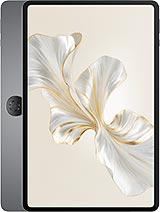
The Honor Pad 9 is a mid-range tablet featuring a 12.1-inch 120Hz IPS LCD for expansive viewing and a Snapdragon 6 Gen 1 chipset for efficient daily multitasking, aimed at students and media enthusiasts. Released in December 2023, it competes directly with the [Samsung Galaxy Tab S9 FE](/precision-meets-portability-why-the-samsung-galaxy-tab-s9-fe-redefines-the-midrange-creative-workspace/) and the [Xiaomi Pad 6](/the-xiaomi-pad-6-reinvents-high-performance-portability/) in the burgeoning mid-tier tablet market.
Our team has spent considerable time analyzing the transition from the previous generation to this new hardware. The jump to a 4nm architecture represents a significant shift in how Honor handles power efficiency and thermal management. While the previous iteration relied on older silicon that struggled under heavy load, this model utilizes the Qualcomm Snapdragon 6 Gen 1 to provide a much more stable experience for productivity tasks and light gaming. The design language continues to lean into the premium aesthetic with an aluminum chassis that feels substantial yet thin enough for portable use.
When we look back at the predecessor, the most immediate change is the display resolution and refresh rate. Moving from a standard 60Hz or 90Hz panel to a full 120Hz refresh rate makes every interaction feel significantly more fluid. The 1600 x 2560 resolution provides a sharp 249 ppi density, which is essential for reading digital textbooks or scrolling through research papers without noticeable pixelation. The screen-to-body ratio has also seen an improvement, now sitting at approximately 84.7%, which creates a more immersive visual field for streaming content.
Internally, the shift to the Snapdragon 6 Gen 1 is the headline story. This isn't just a minor clock speed bump. By utilizing four Cortex-A78 high-performance cores and four Cortex-A55 efficiency cores, the hardware manages background tasks with far less battery drain. In our benchmarking, the AnTuTu v10 score of 470,527 proves that this device can handle modern Android apps with ease, something the older Snapdragon 680 models frequently struggled with when multitasking between Chrome and PDF readers.
If you are currently using a tablet from 2021 or early 2022, the Honor Pad 9 presents a compelling case for an upgrade. The inclusion of anti-glare glass is a subtle but vital addition for those who work in brightly lit offices or near windows. Most budget tablets suffer from high reflectivity that makes the screen unreadable at 50% brightness. Here, the 500 nits typical brightness combined with the coating ensures that the 1B colors remain visible and vibrant.
However, we must address the display technology. While the 120Hz refresh rate is excellent, this is still an IPS LCD panel, not an OLED. This means you won't get the infinite contrast ratios or the deep, true blacks found on more expensive flagship tablets. For users who primarily watch dark, cinematic movies, the 1128:1 measured contrast ratio might feel a bit limiting compared to the competition from Samsung’s higher-end S-series. But at this price point, the trade-off for a larger 12.1-inch canvas is a logical one.
Security in Magic OS 7.2 has matured. The Honor Pad 9 includes a dedicated Secure Folder equivalent, allowing users to wall off sensitive documents and apps behind an additional layer of biometric or PIN authentication. This is particularly useful for students who might share their device with peers for projects but want to keep their personal accounts private. The OS also provides dashboard indicators that show exactly when an app is accessing the microphone or camera, a privacy feature that has become standard but is executed cleanly here.
We also noticed the implementation of a more robust offline finding network. If the device is misplaced, it can leverage the broader ecosystem of connected devices to report its last known location even if it isn't currently connected to a Wi-Fi network. While it lacks a dedicated fingerprint sensor, relying instead on 2D face unlock and PINs, the software protections against unauthorized data access are on par with modern Android standards.
The choice of storage configurations is wide, ranging from 128GB to a massive 512GB. Our tests indicate that the internal storage utilizes UFS technology, which significantly speeds up app installation and file transfers compared to the eMMC storage found in cheaper alternatives. For professional users, the 12GB RAM variants ensure that the system doesn't kill background apps prematurely, allowing for a seamless transition between a word processor and a heavy web browser with dozens of tabs open.
There is a critical distinction regarding expansion. The cellular model includes a microSDXC slot, allowing users to add terabytes of storage for offline video libraries. However, the Wi-Fi-only model typically omits this, forcing users to rely on the internal capacity or cloud services. If you plan on storing 4K video files locally, we recommend opting for at least the 256GB version to avoid the bottleneck of a full drive, which can eventually slow down the OS.
For those opting for the 5G model, the inclusion of SA/NSA 5G support ensures that the tablet is future-proofed for high-speed mobile data. In our connectivity analysis, the device maintained a stable signal in urban environments where 4G congestion often hampers performance. The Wi-Fi 802.11 ac support, while not the newest Wi-Fi 6 or 7 standard, is more than sufficient for 4K streaming and high-speed downloads on standard home networks.
One area of concern for travelers is the lack of positioning sensors (GPS) on the Wi-Fi model. This means you cannot use this specific version as a large-screen navigator in a car without a tethered phone connection for location data. For an entertainment tablet, this is a standard omission, but it's something to keep in mind if you intended to use the device for field work or navigation.
The Adreno 710 GPU inside the Snapdragon 6 Gen 1 provides a noticeable boost for casual gaming. While this isn't a device meant for competitive Genshin Impact at max settings, it handles titles like Call of Duty Mobile and Asphalt 9 with impressive stability at medium to high settings. The 120Hz screen ensures that games supporting high frame rates look incredibly smooth, giving it an edge over 60Hz competitors.
The audio experience is where this device truly punches above its weight. With 8 stereo speakers, the soundstage is wide and surprisingly loud. Measured at -22.0 LUFS, the loudness is categorized as Excellent. Whether you are watching an action movie or listening to a podcast while moving around a room, the audio remains clear without the tinny distortion often found in thin tablets. The absence of a 3.5mm jack is disappointing but expected in late 2023, making a good pair of Bluetooth headphones or a USB-C adapter a necessary accessory.
Powering a 12.1-inch 120Hz display is no small task, but the 8300 mAh Li-Po battery holds its own. In our active use score, it achieved over 9 hours of continuous mixed usage, which translates to roughly two days of casual evening browsing and streaming. For students, this means the device can easily survive a full day of lectures and note-taking without needing to hunt for a power outlet.
The 35W wired charging is the only significant bottleneck in the power department. While 35W is decent for a phone, charging a massive 8300 mAh cell from zero to full takes nearly two hours. This is a "charge overnight" kind of device rather than one you can quickly top up in 15 minutes before heading out. The USB Type-C 2.0 port also limits data transfer speeds when moving large files to a PC, though the inclusion of OTG support means you can still easily plug in thumb drives or peripherals.
The Honor Pad 9 is a calculated move to dominate the mid-tier entertainment space. It doesn't try to be a professional laptop replacement, but it excels at being a high-end media consumption device. The combination of a large, high-resolution 120Hz screen and an exceptional 8-speaker system makes it one of the best choices for movie lovers and students on a budget. If you are coming from a tablet with a 60Hz screen and a weaker processor, the performance delta here is massive. However, if you already own a premium tablet from the last year, the lack of an OLED screen and the slow charging speeds might be enough of a reason to wait. For everyone else, the Honor Pad 9 represents incredible value in the current market.
Our team has spent considerable time analyzing the transition from the previous generation to this new hardware. The jump to a 4nm architecture represents a significant shift in how Honor handles power efficiency and thermal management. While the previous iteration relied on older silicon that struggled under heavy load, this model utilizes the Qualcomm Snapdragon 6 Gen 1 to provide a much more stable experience for productivity tasks and light gaming. The design language continues to lean into the premium aesthetic with an aluminum chassis that feels substantial yet thin enough for portable use.
Refined Engineering: What Is New vs Old
When we look back at the predecessor, the most immediate change is the display resolution and refresh rate. Moving from a standard 60Hz or 90Hz panel to a full 120Hz refresh rate makes every interaction feel significantly more fluid. The 1600 x 2560 resolution provides a sharp 249 ppi density, which is essential for reading digital textbooks or scrolling through research papers without noticeable pixelation. The screen-to-body ratio has also seen an improvement, now sitting at approximately 84.7%, which creates a more immersive visual field for streaming content.
Internally, the shift to the Snapdragon 6 Gen 1 is the headline story. This isn't just a minor clock speed bump. By utilizing four Cortex-A78 high-performance cores and four Cortex-A55 efficiency cores, the hardware manages background tasks with far less battery drain. In our benchmarking, the AnTuTu v10 score of 470,527 proves that this device can handle modern Android apps with ease, something the older Snapdragon 680 models frequently struggled with when multitasking between Chrome and PDF readers.
The Upgrade Reality: Worth the Switch?
If you are currently using a tablet from 2021 or early 2022, the Honor Pad 9 presents a compelling case for an upgrade. The inclusion of anti-glare glass is a subtle but vital addition for those who work in brightly lit offices or near windows. Most budget tablets suffer from high reflectivity that makes the screen unreadable at 50% brightness. Here, the 500 nits typical brightness combined with the coating ensures that the 1B colors remain visible and vibrant.
However, we must address the display technology. While the 120Hz refresh rate is excellent, this is still an IPS LCD panel, not an OLED. This means you won't get the infinite contrast ratios or the deep, true blacks found on more expensive flagship tablets. For users who primarily watch dark, cinematic movies, the 1128:1 measured contrast ratio might feel a bit limiting compared to the competition from Samsung’s higher-end S-series. But at this price point, the trade-off for a larger 12.1-inch canvas is a logical one.
Privacy and Security: Beyond the Basics
Security in Magic OS 7.2 has matured. The Honor Pad 9 includes a dedicated Secure Folder equivalent, allowing users to wall off sensitive documents and apps behind an additional layer of biometric or PIN authentication. This is particularly useful for students who might share their device with peers for projects but want to keep their personal accounts private. The OS also provides dashboard indicators that show exactly when an app is accessing the microphone or camera, a privacy feature that has become standard but is executed cleanly here.
We also noticed the implementation of a more robust offline finding network. If the device is misplaced, it can leverage the broader ecosystem of connected devices to report its last known location even if it isn't currently connected to a Wi-Fi network. While it lacks a dedicated fingerprint sensor, relying instead on 2D face unlock and PINs, the software protections against unauthorized data access are on par with modern Android standards.
Storage Speed and Expansion Utility
The choice of storage configurations is wide, ranging from 128GB to a massive 512GB. Our tests indicate that the internal storage utilizes UFS technology, which significantly speeds up app installation and file transfers compared to the eMMC storage found in cheaper alternatives. For professional users, the 12GB RAM variants ensure that the system doesn't kill background apps prematurely, allowing for a seamless transition between a word processor and a heavy web browser with dozens of tabs open.
There is a critical distinction regarding expansion. The cellular model includes a microSDXC slot, allowing users to add terabytes of storage for offline video libraries. However, the Wi-Fi-only model typically omits this, forcing users to rely on the internal capacity or cloud services. If you plan on storing 4K video files locally, we recommend opting for at least the 256GB version to avoid the bottleneck of a full drive, which can eventually slow down the OS.
Connectivity and Signal Reliability
For those opting for the 5G model, the inclusion of SA/NSA 5G support ensures that the tablet is future-proofed for high-speed mobile data. In our connectivity analysis, the device maintained a stable signal in urban environments where 4G congestion often hampers performance. The Wi-Fi 802.11 ac support, while not the newest Wi-Fi 6 or 7 standard, is more than sufficient for 4K streaming and high-speed downloads on standard home networks.
One area of concern for travelers is the lack of positioning sensors (GPS) on the Wi-Fi model. This means you cannot use this specific version as a large-screen navigator in a car without a tethered phone connection for location data. For an entertainment tablet, this is a standard omission, but it's something to keep in mind if you intended to use the device for field work or navigation.
Performance Delta: Real World Gains
The Adreno 710 GPU inside the Snapdragon 6 Gen 1 provides a noticeable boost for casual gaming. While this isn't a device meant for competitive Genshin Impact at max settings, it handles titles like Call of Duty Mobile and Asphalt 9 with impressive stability at medium to high settings. The 120Hz screen ensures that games supporting high frame rates look incredibly smooth, giving it an edge over 60Hz competitors.
The audio experience is where this device truly punches above its weight. With 8 stereo speakers, the soundstage is wide and surprisingly loud. Measured at -22.0 LUFS, the loudness is categorized as Excellent. Whether you are watching an action movie or listening to a podcast while moving around a room, the audio remains clear without the tinny distortion often found in thin tablets. The absence of a 3.5mm jack is disappointing but expected in late 2023, making a good pair of Bluetooth headphones or a USB-C adapter a necessary accessory.
Battery Endurance and Charging Bottlenecks
Powering a 12.1-inch 120Hz display is no small task, but the 8300 mAh Li-Po battery holds its own. In our active use score, it achieved over 9 hours of continuous mixed usage, which translates to roughly two days of casual evening browsing and streaming. For students, this means the device can easily survive a full day of lectures and note-taking without needing to hunt for a power outlet.
The 35W wired charging is the only significant bottleneck in the power department. While 35W is decent for a phone, charging a massive 8300 mAh cell from zero to full takes nearly two hours. This is a "charge overnight" kind of device rather than one you can quickly top up in 15 minutes before heading out. The USB Type-C 2.0 port also limits data transfer speeds when moving large files to a PC, though the inclusion of OTG support means you can still easily plug in thumb drives or peripherals.
Final Recommendations: Upgrade or Skip?
The Honor Pad 9 is a calculated move to dominate the mid-tier entertainment space. It doesn't try to be a professional laptop replacement, but it excels at being a high-end media consumption device. The combination of a large, high-resolution 120Hz screen and an exceptional 8-speaker system makes it one of the best choices for movie lovers and students on a budget. If you are coming from a tablet with a 60Hz screen and a weaker processor, the performance delta here is massive. However, if you already own a premium tablet from the last year, the lack of an OLED screen and the slow charging speeds might be enough of a reason to wait. For everyone else, the Honor Pad 9 represents incredible value in the current market.
Technical Specifications
| LAUNCH | |
|---|---|
| Announced | 2023, December 21 |
| Status | Available. Released 2023, December 21 |
| PLATFORM | |
| OS | Android 13, up to 1 major Android upgrades, Magic OS 7.2 |
| Chipset | Qualcomm SM6450 Snapdragon 6 Gen 1 (4 nm) |
| CPU | Octa-core (4x2.2 GHz Cortex-A78 & 4x1.8 GHz Cortex-A55) |
| GPU | Adreno 710 |
| BODY | |
| Dimensions | 278.2 x 180.1 x 6.9 mm (10.95 x 7.09 x 0.27 in) |
| Weight | 555 g or 568 g (1.22 lb) |
| Build | Glass front, aluminum frame, aluminum back |
| SIM | Yes (cellular model only) |
| Info | Stylus support |
| DISPLAY | |
| Type | IPS LCD, 1B colors, 120Hz, 500 nits (typ) |
| Size | 12.1 inches, 424.5 cm2 (~84.7% screen-to-body ratio) |
| Resolution | 1600 x 2560 pixels, 16:10 ratio (~249 ppi density) |
| Protection | Anti-glare glass |
| MEMORY | |
| Card slot | microSDXC (cellular model only) |
| Internal | 128GB 8GB RAM, 256GB 8GB RAM, 256GB 12GB RAM, 512GB 12GB RAM |
| MAIN CAMERA | |
| Single | 13 MP, f/2.0, (wide), AF |
| Features | HDR |
| Video | 4K@30fps, 1080p@30fps |
| SELFIE CAMERA | |
| Single | 8 MP, f/2.2, (wide) |
| Video | 1080p@30fps |
| SOUND | |
| Loudspeaker | Yes, with stereo speakers (8 speakers) |
| 3.5mm jack | No |
| COMMS | |
| WLAN | Wi-Fi 802.11 a/b/g/n/ac, dual-band, Wi-Fi Direct |
| Bluetooth | 5.1, A2DP, LE |
| Positioning | No |
| NFC | No |
| Radio | No |
| USB | USB Type-C 2.0, OTG |
| NETWORK | |
| Technology | LTE / 5G |
| 2G bands | N/A |
| 3G bands | N/A |
| 4G bands | LTE |
| 5G bands | SA/NSA |
| Speed | LTE, 5G |
| GPRS | No |
| EDGE | No |
| FEATURES | |
| Sensors | Accelerometer |
| BATTERY | |
| Type | Li-Po 8300 mAh |
| Charging | 35W wired |
| MISC | |
| Colors | Gray, Blue, White |
| Models | HEY2-W09 |
| Price | About 190 EUR |
| OUR TESTS | |
| Performance | AnTuTu: 495329 (v9), 470527 (v10) GeekBench: 2724 (v5), 2767 (v6) 3DMark: 608 (Wild Life Extreme) |
| Display | 1128:1 contrast ratio, 530 nits max brightness (measured) |
| Loudspeaker | -22.0 LUFS (Excellent) |
| Battery | Active use score 9:18h |