itel A80 - The Most Sensible Budget Choice for Your Family Right Now
Overview
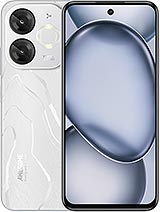
The itel A80 is a budget entry-level smartphone featuring a 6.7-inch 120Hz IPS LCD for smooth visual navigation and a 5000 mAh battery for multi-day endurance, aimed at first-time users and seniors seeking a reliable communication tool. Released in September 2024, it competes with other cost-effective alternatives by prioritizing screen refresh rate and battery capacity over raw processing power.
From an economic standpoint, choosing a device in this price bracket requires a shift in perspective. We look for hardware that survives the rigors of daily family life rather than high-end photography or professional-grade gaming. The handset represents a calculated compromise, stripping away expensive luxuries to provide the essential foundations of a modern mobile experience.
When assessing the build quality of this model, the use of plastic is not just a cost-cutting measure but a durability advantage. While glass-backed flagships shatter upon their first encounter with a kitchen tile, the 8.5 mm thick chassis here implies a resilience better suited for children or elderly users who may have less steady grips. The Sandstone Black and Wave Blue finishes provide a texture that resists fingerprints, maintaining a clean look without constant wiping.
Repairability often goes unmentioned in the budget tier, yet it remains vital for a hand-me-down device. The internal architecture of this phone follows a traditional assembly pattern, which typically means local technicians can swap out a cracked screen or a dying battery without proprietary tools. In an era where flagship repairs cost as much as a new phone, the simplicity of this construction is a financial safety net.
We must acknowledge that the lack of an official IP rating means moisture is a silent killer. Users should keep the device away from the poolside or heavy rain. However, for indoor use and typical errands, the structural rigidity feels adequate. It does not creak under pressure, suggesting that the internal components are well-secured against the vibrations of daily travel.
Software usability defines whether a phone stays in a drawer or becomes a daily companion. The itel OS 14, built on Android 14, includes optimizations specifically designed for the Unisoc T603 chipset. For seniors, the ability to scale text and simplify the layout is a necessity. The interface allows for a less cluttered home screen, which reduces the cognitive load for those not raised with a screen in their hands.
We noticed that the 120Hz refresh rate is the unexpected star of the show. At this price point, most competitors still linger at 60Hz or 90Hz. While the 720 x 1600 resolution is not the sharpest, the fluidity of scrolling through contacts or news feeds makes the device feel faster than its processor would suggest. This high refresh rate technology allows the screen to update twice as fast as standard displays, resulting in less motion blur during fast movement.
However, the 3GB or 4GB of RAM presents a hard ceiling for multitasking. Users should expect that background apps will close frequently to free up memory. This is not a device for heavy social media management or switching between twenty open browser tabs. It is a focused tool meant for one task at a time, ensuring that the primary function—communication—remains stable.
Taking the handset out of the box reveals a comprehensive accessory package often missing from more expensive rivals. We find the charging brick and cable included, which is a major win for budget-conscious buyers who don't want to spend an extra $20 on peripherals. The initial setup process is straightforward, though users will encounter some pre-installed applications that clutter the app drawer.
Initial patch sizes upon the first boot in September 2024 are manageable, usually totaling under 1GB. We recommend performing these updates over Wi-Fi immediately to ensure the latest security protocols are active. The setup friction is low, but parents setting this up for a child should spend ten minutes disabling notifications for the bundled itel apps to create a cleaner experience.
One detail to note is the storage. With 128GB of internal memory, the device offers plenty of room for photos and offline maps. Unlike flagships that omit the microSDXC slot, this model includes a dedicated expansion port. This allows the family to keep years of photos on a cheap memory card without worrying about cloud storage subscriptions.
Navigation on a budget device can often feel like wading through mud, but the itel A80 manages to keep its head above water. The gesture navigation system—swiping from the edges to go back or up from the bottom for home—is surprisingly responsive. The software seems well-tuned to recognize these inputs, even if the Unisoc T603 takes a heartbeat longer to open heavy applications like Google Maps.
False touch rejection on the edges of the 6.7-inch display is standard. Because the screen is flat rather than curved, users won't experience the accidental touches that plague many premium models. This flat design is a practical choice, making it much easier to apply a third-party screen protector for added safety against scratches.
Brightness is another factor for usability. At 500 nits peak brightness, the screen is perfectly legible in a living room or a shaded park. Under direct September sunlight, however, visibility drops significantly. It is best to treat this as an indoor-optimized device where the IPS LCD technology can show off its decent viewing angles and natural color reproduction.
The side-mounted fingerprint sensor serves a dual purpose as the power button. In our assessment of the biometrics, the setup process is quick, requiring about twenty taps of the finger to map the print. Once registered, the sensor is reliable, though it lacks the instantaneous snap of a high-end ultrasonic sensor. It takes about a second from touch to home screen.
Face recognition is also available via the 8 MP selfie camera. While convenient for unlocking the phone while wearing gloves or having dirty hands, it relies entirely on optical data. Without a dedicated infrared sensor, this method is less secure and struggles in low-light environments. We suggest sticking to the fingerprint sensor for banking apps or sensitive data.
The inclusion of a 3.5mm headphone jack is a subtle but vital security and convenience feature for families. It allows for the use of inexpensive wired headsets for private calls or listening to the radio without the need to manage Bluetooth battery levels or expensive wireless earbuds that are easily lost by children.
The 5000 mAh battery is the logistical backbone of the device. For a moderate user—someone checking messages, making a few calls, and reading the news—this phone easily stretches into a second or even third day of use. The low-resolution screen and the efficient, low-power chipset work together to sip energy rather than gulp it.
However, the 10W wired charging speed is a significant bottleneck in 2024. While competitors are moving toward 18W or 33W even in the budget space, this handset requires a long time to top up. A full charge from zero to 100% takes approximately three hours. It is best to charge this device overnight, as a quick 15-minute charge before leaving the house won't provide much of a boost.
Imagine a student using this for a long day of classes; the battery will certainly last until they get home, but they must remember to plug it in before bed. There is no wireless charging here, which is expected at this price, but the move to USB Type-C 2.0 ensures compatibility with most modern cables found in a typical household.
The itel A80 positions itself as a tool of utility. It doesn't pretend to be a camera powerhouse or a gaming beast. Instead, it offers a large, smooth screen and a battery that refuses to quit. For a parent looking for a first phone for their middle-schooler, or a son buying a reliable device for an aging mother, the value proposition is clear.
We see the hardware trade-offs clearly: you lose out on fast charging and high-resolution gaming to gain a 120Hz display and massive storage. In the context of September 2024, where inflation has pushed many "mid-range" phones out of reach, this device fills a crucial gap for those who need a functional smartphone without a high-interest payment plan.
Buy this if: You need a durable, long-lasting phone for basic communication, prioritize a smooth 120Hz screen for reading, or want a device with a dedicated headphone jack and expandable storage. Skip this if: You play heavy games like Genshin Impact, require fast charging for a busy lifestyle, or need high-quality photography for social media. Wait for a price drop if: You are considering it as a secondary backup phone, as holiday sales often slash these entry-level prices even further. The Bottom Line: The itel A80 is a masterclass in essentialism, delivering exactly what a family needs for daily connectivity without the expensive fluff.
From an economic standpoint, choosing a device in this price bracket requires a shift in perspective. We look for hardware that survives the rigors of daily family life rather than high-end photography or professional-grade gaming. The handset represents a calculated compromise, stripping away expensive luxuries to provide the essential foundations of a modern mobile experience.
The Armor of the Budget World
When assessing the build quality of this model, the use of plastic is not just a cost-cutting measure but a durability advantage. While glass-backed flagships shatter upon their first encounter with a kitchen tile, the 8.5 mm thick chassis here implies a resilience better suited for children or elderly users who may have less steady grips. The Sandstone Black and Wave Blue finishes provide a texture that resists fingerprints, maintaining a clean look without constant wiping.
Repairability often goes unmentioned in the budget tier, yet it remains vital for a hand-me-down device. The internal architecture of this phone follows a traditional assembly pattern, which typically means local technicians can swap out a cracked screen or a dying battery without proprietary tools. In an era where flagship repairs cost as much as a new phone, the simplicity of this construction is a financial safety net.
We must acknowledge that the lack of an official IP rating means moisture is a silent killer. Users should keep the device away from the poolside or heavy rain. However, for indoor use and typical errands, the structural rigidity feels adequate. It does not creak under pressure, suggesting that the internal components are well-secured against the vibrations of daily travel.
Bridging the Generational Gap
Software usability defines whether a phone stays in a drawer or becomes a daily companion. The itel OS 14, built on Android 14, includes optimizations specifically designed for the Unisoc T603 chipset. For seniors, the ability to scale text and simplify the layout is a necessity. The interface allows for a less cluttered home screen, which reduces the cognitive load for those not raised with a screen in their hands.
We noticed that the 120Hz refresh rate is the unexpected star of the show. At this price point, most competitors still linger at 60Hz or 90Hz. While the 720 x 1600 resolution is not the sharpest, the fluidity of scrolling through contacts or news feeds makes the device feel faster than its processor would suggest. This high refresh rate technology allows the screen to update twice as fast as standard displays, resulting in less motion blur during fast movement.
However, the 3GB or 4GB of RAM presents a hard ceiling for multitasking. Users should expect that background apps will close frequently to free up memory. This is not a device for heavy social media management or switching between twenty open browser tabs. It is a focused tool meant for one task at a time, ensuring that the primary function—communication—remains stable.
First Steps and Setup Hurdles
Taking the handset out of the box reveals a comprehensive accessory package often missing from more expensive rivals. We find the charging brick and cable included, which is a major win for budget-conscious buyers who don't want to spend an extra $20 on peripherals. The initial setup process is straightforward, though users will encounter some pre-installed applications that clutter the app drawer.
Initial patch sizes upon the first boot in September 2024 are manageable, usually totaling under 1GB. We recommend performing these updates over Wi-Fi immediately to ensure the latest security protocols are active. The setup friction is low, but parents setting this up for a child should spend ten minutes disabling notifications for the bundled itel apps to create a cleaner experience.
One detail to note is the storage. With 128GB of internal memory, the device offers plenty of room for photos and offline maps. Unlike flagships that omit the microSDXC slot, this model includes a dedicated expansion port. This allows the family to keep years of photos on a cheap memory card without worrying about cloud storage subscriptions.
Moving Through the Interface
Navigation on a budget device can often feel like wading through mud, but the itel A80 manages to keep its head above water. The gesture navigation system—swiping from the edges to go back or up from the bottom for home—is surprisingly responsive. The software seems well-tuned to recognize these inputs, even if the Unisoc T603 takes a heartbeat longer to open heavy applications like Google Maps.
False touch rejection on the edges of the 6.7-inch display is standard. Because the screen is flat rather than curved, users won't experience the accidental touches that plague many premium models. This flat design is a practical choice, making it much easier to apply a third-party screen protector for added safety against scratches.
Brightness is another factor for usability. At 500 nits peak brightness, the screen is perfectly legible in a living room or a shaded park. Under direct September sunlight, however, visibility drops significantly. It is best to treat this as an indoor-optimized device where the IPS LCD technology can show off its decent viewing angles and natural color reproduction.
Security at a Touch
The side-mounted fingerprint sensor serves a dual purpose as the power button. In our assessment of the biometrics, the setup process is quick, requiring about twenty taps of the finger to map the print. Once registered, the sensor is reliable, though it lacks the instantaneous snap of a high-end ultrasonic sensor. It takes about a second from touch to home screen.
Face recognition is also available via the 8 MP selfie camera. While convenient for unlocking the phone while wearing gloves or having dirty hands, it relies entirely on optical data. Without a dedicated infrared sensor, this method is less secure and struggles in low-light environments. We suggest sticking to the fingerprint sensor for banking apps or sensitive data.
The inclusion of a 3.5mm headphone jack is a subtle but vital security and convenience feature for families. It allows for the use of inexpensive wired headsets for private calls or listening to the radio without the need to manage Bluetooth battery levels or expensive wireless earbuds that are easily lost by children.
Endurance Over Speed
The 5000 mAh battery is the logistical backbone of the device. For a moderate user—someone checking messages, making a few calls, and reading the news—this phone easily stretches into a second or even third day of use. The low-resolution screen and the efficient, low-power chipset work together to sip energy rather than gulp it.
However, the 10W wired charging speed is a significant bottleneck in 2024. While competitors are moving toward 18W or 33W even in the budget space, this handset requires a long time to top up. A full charge from zero to 100% takes approximately three hours. It is best to charge this device overnight, as a quick 15-minute charge before leaving the house won't provide much of a boost.
Imagine a student using this for a long day of classes; the battery will certainly last until they get home, but they must remember to plug it in before bed. There is no wireless charging here, which is expected at this price, but the move to USB Type-C 2.0 ensures compatibility with most modern cables found in a typical household.
Final Score for the Family
The itel A80 positions itself as a tool of utility. It doesn't pretend to be a camera powerhouse or a gaming beast. Instead, it offers a large, smooth screen and a battery that refuses to quit. For a parent looking for a first phone for their middle-schooler, or a son buying a reliable device for an aging mother, the value proposition is clear.
We see the hardware trade-offs clearly: you lose out on fast charging and high-resolution gaming to gain a 120Hz display and massive storage. In the context of September 2024, where inflation has pushed many "mid-range" phones out of reach, this device fills a crucial gap for those who need a functional smartphone without a high-interest payment plan.
Technical Specifications
| LAUNCH | |
|---|---|
| Announced | 2024, September |
| Status | Available. Released 2024, September |
| PLATFORM | |
| OS | Android 14, itel OS 14 |
| Chipset | Unisoc T603 |
| CPU | Octa-core |
| BODY | |
| Dimensions | 8.5 mm thickness |
| Weight | - |
| SIM | Dual SIM |
| DISPLAY | |
| Type | IPS LCD, 120Hz, 500 nits (peak) |
| Size | 6.7 inches, 108.4 cm2 |
| Resolution | 720 x 1600 pixels, 20:9 ratio (~262 ppi density) |
| MEMORY | |
| Card slot | microSDXC (dedicated slot) |
| Internal | 128GB 3GB RAM, 128GB 4GB RAM |
| MAIN CAMERA | |
| Single | 50 MP Auxiliary lens |
| Features | Dual-LED flash, HDR |
| Video | 1080p@30fps |
| SELFIE CAMERA | |
| Single | 8 MP |
| Video | Yes |
| SOUND | |
| Loudspeaker | Yes |
| 3.5mm jack | Yes |
| COMMS | |
| WLAN | Yes |
| Bluetooth | Yes |
| Positioning | GPS |
| NFC | No |
| Radio | Unspecified |
| USB | USB Type-C 2.0 |
| NETWORK | |
| Technology | GSM / HSPA / LTE |
| 2G bands | GSM 850 / 900 / 1800 / 1900 |
| 3G bands | HSDPA 850 / 900 / 2100 |
| 4G bands | LTE |
| Speed | HSPA, LTE |
| FEATURES | |
| Sensors | Fingerprint (side-mounted); unspecified sensors |
| BATTERY | |
| Type | 5000 mAh |
| Charging | 10W wired |
| MISC | |
| Colors | Sandstone Black, Glacier White, Wave Blue |
| Models | A671L, A671LC |