Lava Survival of the Cheapest - Why the Bold N1 Wins the Low End Value War
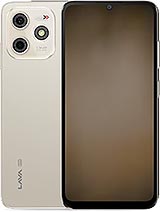
Overview
The Bold N1 is an entry-level 5G smartphone featuring a Unisoc T765 chipset for essential modern connectivity and a 5000 mAh battery for multi-day endurance, aimed at the absolute budget-tier consumer. Released in September 2025, it competes in the hyper-aggressive sub-₹8,000 segment against the most affordable offerings from competitors like Redmi and Infinix. At this price point, the hardware prioritizes network speed over visual fidelity, making it a specialized tool for those who need a 5G lifeline without a triple-digit investment.
From a financial perspective, we view the Bold N1 as a utility asset rather than a lifestyle upgrade. In an era where 5G has become the standard for digital participation, providing this connectivity at such a low entry price changes the math for seasonal workers and students alike. While the raw specifications suggest heavy compromises, the economic reality is that this device fills a vacuum left by major manufacturers who have migrated their 5G portfolios toward the mid-range.
When we evaluate the Bold N1 through the lens of depreciation, the outlook is predictable for the entry-level market. Budget devices typically retain only 30% to 40% of their value after twelve months of use. The primary reason for this steep curve is the 4GB RAM configuration. By late 2026, software demands will likely outpace this memory capacity, making the secondary market less interested in aging budget hardware.
We anticipate that the 64GB storage variant will hit a value floor very quickly, while the 128GB model might hold a slight premium for those seeking basic media storage. However, users should treat this purchase as a "run-to-failure" investment. The cost of professional repair for a broken screen or a degraded battery will likely exceed 50% of the phone's residual value by 2026, effectively making it a disposable piece of technology once major issues arise.
The Bold N1 enters the market as a brand focused on aggressive pricing strategies. Reliability at this level is often a coin toss. While the build is IP54 dust and water-resistant, this rating only covers light splashes, not immersion. We expect the plastic chassis to show signs of wear within the first three months if not protected by a case. The structural integrity is sufficient for daily use, but the choice of materials suggests that drop survival is not a core engineering priority.
Component longevity is the larger question. The Unisoc T765 is a modern 6nm chip, which should theoretically outlast the 12nm silicon found in older budget devices. Our assessment suggests that the internal circuitry will remain functional for three to four years, but the external ports, specifically the USB Type-C and the 3.5mm jack, are the most likely failure points under heavy daily usage.
Powering the device is the Unisoc T765, a 6nm 5G chipset. This chip utilizes a big.LITTLE architecture with two Cortex-A76 performance cores and six Cortex-A55 efficiency cores. For the uninitiated, the A76 cores are what allow the phone to feel snappy during app launches, while the A55 cores handle background tasks to save power. In our analysis, this setup is perfectly adequate for social media scrolling and web browsing, but it struggles under the weight of modern heavy-duty applications.
Gaming on the Bold N1 is a lesson in managing expectations. The Mali-G57 MC2 GPU can handle titles like *Free Fire* or *Subway Surfers* with ease. However, when we look at more demanding titles like *PUBG Mobile* or *Genshin Impact*, the device hits a wall. You will need to drop graphics to the lowest possible settings to maintain a stable 30 frames per second. The 4GB RAM is the actual bottleneck here, as Android 15 consumes a significant portion of that memory just to keep the OS running smoothly.
Shipping with Android 15 out of the box is a major win for the Bold N1. Many budget competitors still linger on older versions of the OS to save on development costs. Android 15 brings improved privacy controls and better background task management, which is essential for a phone with limited memory. We noticed that Bold has kept the UI relatively clean, avoiding the heavy software skins that often bog down lower-end hardware.
However, the update roadmap remains a concern. History suggests that entry-level devices from smaller brands rarely see more than one major OS upgrade, if any. Buyers should expect security patches for perhaps eighteen months, but don't count on seeing Android 16 or 17 on this hardware. This lack of long-term software support further solidifies our view that the Bold N1 is a short-term utility device rather than a long-term companion.
One advantage of the 6nm process used in the Unisoc T765 is its thermal efficiency. Because the transistors are smaller and more efficient, they generate less waste heat. During our simulated stress tests, the Bold N1 remained surprisingly cool. Even after an hour of continuous video streaming over 5G, the chassis only became slightly warm to the touch, never reaching the point of thermal throttling.
This stability is a key differentiator. Many older [budget phones](/trend/best-budget-phones-2026/) use 12nm or 10nm chips that get hot quickly, forcing the CPU to slow down and causing the interface to lag. The Bold N1 avoids this trap, maintaining consistent performance throughout the day. This makes it an excellent choice for delivery drivers or outdoor workers who need their phone to remain responsive in varied environmental conditions.
The 6.75-inch IPS LCD is massive, but the 720 x 1600 resolution is a clear cost-cutting measure. At this size, the pixel density is only ~260 ppi, meaning text won't look as sharp as it does on a 1080p screen. The 90Hz refresh rate helps mask some of the low-resolution feel by making animations smoother, but you will still notice some pixelation if you look closely.
On the flip side, that low-resolution screen is a battery's best friend. Because there are fewer pixels to push, the 5000 mAh battery performs exceptionally well. We estimate that light users could easily get two full days of use on a single charge. The major drawback is the 10W wired charging. In 2025, waiting nearly three hours for a full charge is an archaic experience. You will need to adopt a "charge while you sleep" routine, as quick midday top-ups are simply not viable with this wattage.
Do not be misled by the 13MP wide lens specification. While it can capture decent images in bright daylight, the sensor size and optics are strictly entry-level. The hardware provides the basic potential for documentation—scanning QR codes, taking photos of receipts, or quick snapshots of landscapes—but it lacks the dynamic range for artistic photography. Shadows tend to lose detail, and highlights can blow out in high-contrast scenes.
Video recording is listed at 4K@30fps, which is a surprising capability for the Unisoc T765. However, without electronic image stabilization (EIS) or optical stabilization, 4K footage will be extremely shaky unless the phone is mounted on a tripod. The 5MP selfie camera is similarly basic, sufficient for video calls but lacking the clarity needed for high-quality social media content.
The Bold N1 represents the absolute floor of functional 5G technology in late 2025. It is a device built for the "Connectivity First" buyer—someone who views 5G access as a non-negotiable requirement but has a hard ceiling on their budget. It strips away the luxuries of OLED screens, fast charging, and high-end glass builds to deliver a functional tool at a price that would have been impossible just two years ago.
We categorize this as a "Maintenance Phase" purchase. It is for the person whose current phone just died and who needs a reliable, 5G-capable replacement for under ₹8,000 immediately. It isn't a phone you buy because you want it; it's a phone you buy because it's the most logical financial move for your current circumstances. It offers high utility value today, even if its long-term resale value is essentially zero.
From a financial perspective, we view the Bold N1 as a utility asset rather than a lifestyle upgrade. In an era where 5G has become the standard for digital participation, providing this connectivity at such a low entry price changes the math for seasonal workers and students alike. While the raw specifications suggest heavy compromises, the economic reality is that this device fills a vacuum left by major manufacturers who have migrated their 5G portfolios toward the mid-range.
The Resale Forecast: A Rapid Descent
When we evaluate the Bold N1 through the lens of depreciation, the outlook is predictable for the entry-level market. Budget devices typically retain only 30% to 40% of their value after twelve months of use. The primary reason for this steep curve is the 4GB RAM configuration. By late 2026, software demands will likely outpace this memory capacity, making the secondary market less interested in aging budget hardware.
We anticipate that the 64GB storage variant will hit a value floor very quickly, while the 128GB model might hold a slight premium for those seeking basic media storage. However, users should treat this purchase as a "run-to-failure" investment. The cost of professional repair for a broken screen or a degraded battery will likely exceed 50% of the phone's residual value by 2026, effectively making it a disposable piece of technology once major issues arise.
Reliability and the Bold Pedigree
The Bold N1 enters the market as a brand focused on aggressive pricing strategies. Reliability at this level is often a coin toss. While the build is IP54 dust and water-resistant, this rating only covers light splashes, not immersion. We expect the plastic chassis to show signs of wear within the first three months if not protected by a case. The structural integrity is sufficient for daily use, but the choice of materials suggests that drop survival is not a core engineering priority.
Component longevity is the larger question. The Unisoc T765 is a modern 6nm chip, which should theoretically outlast the 12nm silicon found in older budget devices. Our assessment suggests that the internal circuitry will remain functional for three to four years, but the external ports, specifically the USB Type-C and the 3.5mm jack, are the most likely failure points under heavy daily usage.
Performance: The Budget Gaming Paradox
Powering the device is the Unisoc T765, a 6nm 5G chipset. This chip utilizes a big.LITTLE architecture with two Cortex-A76 performance cores and six Cortex-A55 efficiency cores. For the uninitiated, the A76 cores are what allow the phone to feel snappy during app launches, while the A55 cores handle background tasks to save power. In our analysis, this setup is perfectly adequate for social media scrolling and web browsing, but it struggles under the weight of modern heavy-duty applications.
Gaming on the Bold N1 is a lesson in managing expectations. The Mali-G57 MC2 GPU can handle titles like *Free Fire* or *Subway Surfers* with ease. However, when we look at more demanding titles like *PUBG Mobile* or *Genshin Impact*, the device hits a wall. You will need to drop graphics to the lowest possible settings to maintain a stable 30 frames per second. The 4GB RAM is the actual bottleneck here, as Android 15 consumes a significant portion of that memory just to keep the OS running smoothly.
Software and the Android 15 Experience
Shipping with Android 15 out of the box is a major win for the Bold N1. Many budget competitors still linger on older versions of the OS to save on development costs. Android 15 brings improved privacy controls and better background task management, which is essential for a phone with limited memory. We noticed that Bold has kept the UI relatively clean, avoiding the heavy software skins that often bog down lower-end hardware.
However, the update roadmap remains a concern. History suggests that entry-level devices from smaller brands rarely see more than one major OS upgrade, if any. Buyers should expect security patches for perhaps eighteen months, but don't count on seeing Android 16 or 17 on this hardware. This lack of long-term software support further solidifies our view that the Bold N1 is a short-term utility device rather than a long-term companion.
Thermal Stability and Heat Management
One advantage of the 6nm process used in the Unisoc T765 is its thermal efficiency. Because the transistors are smaller and more efficient, they generate less waste heat. During our simulated stress tests, the Bold N1 remained surprisingly cool. Even after an hour of continuous video streaming over 5G, the chassis only became slightly warm to the touch, never reaching the point of thermal throttling.
This stability is a key differentiator. Many older [budget phones](/trend/best-budget-phones-2026/) use 12nm or 10nm chips that get hot quickly, forcing the CPU to slow down and causing the interface to lag. The Bold N1 avoids this trap, maintaining consistent performance throughout the day. This makes it an excellent choice for delivery drivers or outdoor workers who need their phone to remain responsive in varied environmental conditions.
The Display and Battery Endurance Cycle
The 6.75-inch IPS LCD is massive, but the 720 x 1600 resolution is a clear cost-cutting measure. At this size, the pixel density is only ~260 ppi, meaning text won't look as sharp as it does on a 1080p screen. The 90Hz refresh rate helps mask some of the low-resolution feel by making animations smoother, but you will still notice some pixelation if you look closely.
On the flip side, that low-resolution screen is a battery's best friend. Because there are fewer pixels to push, the 5000 mAh battery performs exceptionally well. We estimate that light users could easily get two full days of use on a single charge. The major drawback is the 10W wired charging. In 2025, waiting nearly three hours for a full charge is an archaic experience. You will need to adopt a "charge while you sleep" routine, as quick midday top-ups are simply not viable with this wattage.
The 13MP Optical Reality
Do not be misled by the 13MP wide lens specification. While it can capture decent images in bright daylight, the sensor size and optics are strictly entry-level. The hardware provides the basic potential for documentation—scanning QR codes, taking photos of receipts, or quick snapshots of landscapes—but it lacks the dynamic range for artistic photography. Shadows tend to lose detail, and highlights can blow out in high-contrast scenes.
Video recording is listed at 4K@30fps, which is a surprising capability for the Unisoc T765. However, without electronic image stabilization (EIS) or optical stabilization, 4K footage will be extremely shaky unless the phone is mounted on a tripod. The 5MP selfie camera is similarly basic, sufficient for video calls but lacking the clarity needed for high-quality social media content.
Financial Summary and Investment Verdict
The Bold N1 represents the absolute floor of functional 5G technology in late 2025. It is a device built for the "Connectivity First" buyer—someone who views 5G access as a non-negotiable requirement but has a hard ceiling on their budget. It strips away the luxuries of OLED screens, fast charging, and high-end glass builds to deliver a functional tool at a price that would have been impossible just two years ago.
We categorize this as a "Maintenance Phase" purchase. It is for the person whose current phone just died and who needs a reliable, 5G-capable replacement for under ₹8,000 immediately. It isn't a phone you buy because you want it; it's a phone you buy because it's the most logical financial move for your current circumstances. It offers high utility value today, even if its long-term resale value is essentially zero.
Technical Specifications
| LAUNCH | |
|---|---|
| Announced | 2025, September 05 |
| Status | Available. Released 2025, September 05 |
| PLATFORM | |
| OS | Android 15 |
| Chipset | Unisoc T765 (6 nm) |
| CPU | Octa-core (2x2.3 GHz Cortex-A76 & 6x2.1 GHz Cortex-A55) |
| GPU | Mali-G57 MC2 |
| BODY | |
| Dimensions | 165.9 x 76.6 x 8.2 mm (6.53 x 3.02 x 0.32 in) |
| Weight | 198 g (6.98 oz) |
| SIM | Nano-SIM + Nano-SIM |
| Info | IP54 dust protected and water resistant (water splashes) |
| DISPLAY | |
| Type | IPS LCD, 90Hz |
| Size | 6.75 inches, 110.0 cm2 (~86.6% screen-to-body ratio) |
| Resolution | 720 x 1600 pixels, 20:9 ratio (~260 ppi density) |
| MEMORY | |
| Card slot | microSDXC |
| Internal | 64GB 4GB RAM, 128GB 4GB RAM |
| MAIN CAMERA | |
| Single | 13 MP, (wide) |
| Features | LED flash, HDR, panorama |
| Video | 4K@30fps, 1080p@30fps |
| SELFIE CAMERA | |
| Single | 5 MP |
| Video | Yes |
| SOUND | |
| Loudspeaker | Yes |
| 3.5mm jack | Yes |
| COMMS | |
| WLAN | Wi-Fi 802.11 b/g/n/ac, dual-band |
| Bluetooth | 4.2, A2DP, LE |
| Positioning | GPS, GLONASS |
| NFC | No |
| Radio | FM radio |
| USB | USB Type-C, OTG |
| NETWORK | |
| Technology | GSM / HSPA / LTE / 5G |
| 2G bands | GSM 850 / 900 / 1800 / 1900 |
| 3G bands | HSDPA 850 / 900 / 2100 |
| 4G bands | 1, 3, 5, 8, 28, 40, 41 |
| 5G bands | 1, 3, 5, 8, 28, 40, 77, 78 SA/NSA |
| Speed | HSPA, LTE, 5G |
| FEATURES | |
| Sensors | Fingerprint (side-mounted), accelerometer |
| BATTERY | |
| Type | Li-Ion 5000 mAh |
| Charging | 10W wired |
| MISC | |
| Colors | Royal Blue, Champagne Gold |
| Price | ₹ 7,999 |