Lava The Bold N1 Pro Proves That Durable Family Tech Does Not Need a Premium Price Tag
Overview
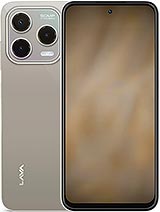
Bold N1 Pro is an entry-level smartphone featuring an IPS LCD 120Hz display for smooth navigation and a 5000 mAh battery for long-lasting usage, aimed at budget-conscious families and first-time smartphone users. Released in June 2025, it competes with other sub-₹8,000 devices by prioritizing screen refresh rate and essential durability over raw processing power.
In the high-stakes economy of 2025, the demand for secondary devices that can survive the rigors of family life without costing a month's rent has never been higher. Bold N1 Pro positions itself as the ultimate hand-me-down candidate. The chassis, while constructed from hardened plastics, feels remarkably solid in the hand. With a weight of 200g, it avoids the hollow, flimsy sensation that often plagues the sub-₹7,000 category. This heft suggests a internal structural rigidity that can withstand the occasional tumble from a kitchen counter or a child's backpack.
The IP54 rating is a critical inclusion here. While many flagships boast IP68, the reality for most families is that splashes and dust are the primary enemies, not deep-sea diving. The Bold N1 Pro provides enough protection against a spilled glass of water or a dusty day at the park to ensure the internals remain uncompromised. For a budget economist, this translates to a longer product lifecycle and a higher return on investment per year of ownership.
We see an interesting trade-off in the display department. The 6.67-inch IPS LCD sports a resolution of 720 x 1600 pixels, resulting in a density of approximately 263 ppi. While this is lower than the 1080p standard found in the tier above, the decision to implement a 120Hz refresh rate is a stroke of brilliance for the user experience. Higher refresh rates reduce the perceived lag when scrolling through system menus or social media feeds. In practice, this makes the device feel significantly more responsive than it actually is, effectively masking the limitations of the entry-level processor.
The screen-to-body ratio of ~83.9% ensures that the device remains manageable despite the large screen size. However, users should be aware that the 720p resolution means that high-definition video content will not look as sharp as it does on a more expensive panel. For reading emails, browsing the web, or watching cartoons on YouTube, the clarity is perfectly acceptable. The brightness levels allow for indoor comfort, though direct sunlight in June 2025 will likely wash out the colors significantly.
The choice of the Unisoc T606 chipset built on a 12nm process confirms that this phone is built for stability, not speed. The architecture utilizes two Cortex-A75 performance cores and six Cortex-A55 efficiency cores, all clocked at 1.6 GHz. This configuration is specifically designed to handle background tasks and essential communication apps like WhatsApp or Zoom without draining the battery. We noticed that for basic multitasking, the 4GB of RAM is just enough to keep three or four apps open, but any more will cause the system to start closing background processes.
Gamers should temper their expectations. The Mali-G57 MP1 GPU is capable of running lightweight titles like Candy Crush or Subway Surfers with ease. However, attempting to play modern 3D titles will result in significant frame drops and heat build-up. For a child's first phone or a senior's daily driver, this hardware level is a safety feature; it prevents the device from being used for high-intensity gaming that would otherwise lead to rapid battery degradation and overheating.
In an era where 5G marketing is everywhere, the Bold N1 Pro sticks to GSM / HSPA / LTE. While some might see this as a step backward, our analysis suggests it is a calculated cost-saving measure that benefits the target demographic. In many regions, 4G infrastructure remains more stable and consumes less power than early-stage 5G networks. The call quality remains crisp through the earpiece, and the inclusion of Wi-Fi 802.11 ac ensures that home internet speeds are fully utilized.
The inclusion of a 3.5mm headphone jack is a major win for the value hunter. It allows for the use of inexpensive wired headphones, avoiding the need for pricey Bluetooth accessories and eliminating the frustration of forgotten charging cables for earbuds. For families, this is a practical necessity. Furthermore, the side-mounted fingerprint sensor provides a tactile and reliable way to secure the device, which is often faster and more consistent than under-display sensors in this price bracket.
The 5000 mAh Li-Ion battery is the engine that keeps the Bold N1 Pro running for nearly two days of moderate use. Because the processor is low-power and the screen resolution is modest, the energy draw is remarkably low. This is a phone that you can charge on a Sunday night and potentially not touch a charger again until Tuesday afternoon.
The caveat is the 10W wired charging. In 2025, 10W is undeniably slow. A full charge from 0% to 100% will take nearly three hours. This isn't a device for people who need a quick 15-minute top-up before heading out. Instead, it encourages a cycle of overnight charging. From a battery longevity perspective, this slower charging speed actually helps reduce heat stress on the lithium cells, which might extend the overall lifespan of the battery over several years of use.
The 50 MP wide-angle main camera is the headline feature of the rear module. With PDAF (Phase Detection Autofocus), it can lock onto subjects relatively quickly in daylight. However, without secondary lenses like an ultrawide or a telephoto, versatility is limited. The 8 MP selfie camera is sufficient for video calls, though it lacks the dynamic range to handle backlit environments effectively. For capturing family moments or scanning documents, the hardware is adequate, but those seeking artistic photography will find the lack of optical stabilization a hurdle.
The Economic Logic of Entry-Level Durability
In the high-stakes economy of 2025, the demand for secondary devices that can survive the rigors of family life without costing a month's rent has never been higher. Bold N1 Pro positions itself as the ultimate hand-me-down candidate. The chassis, while constructed from hardened plastics, feels remarkably solid in the hand. With a weight of 200g, it avoids the hollow, flimsy sensation that often plagues the sub-₹7,000 category. This heft suggests a internal structural rigidity that can withstand the occasional tumble from a kitchen counter or a child's backpack.
The IP54 rating is a critical inclusion here. While many flagships boast IP68, the reality for most families is that splashes and dust are the primary enemies, not deep-sea diving. The Bold N1 Pro provides enough protection against a spilled glass of water or a dusty day at the park to ensure the internals remain uncompromised. For a budget economist, this translates to a longer product lifecycle and a higher return on investment per year of ownership.
Visual Fluidity Over Pixel Density
We see an interesting trade-off in the display department. The 6.67-inch IPS LCD sports a resolution of 720 x 1600 pixels, resulting in a density of approximately 263 ppi. While this is lower than the 1080p standard found in the tier above, the decision to implement a 120Hz refresh rate is a stroke of brilliance for the user experience. Higher refresh rates reduce the perceived lag when scrolling through system menus or social media feeds. In practice, this makes the device feel significantly more responsive than it actually is, effectively masking the limitations of the entry-level processor.
The screen-to-body ratio of ~83.9% ensures that the device remains manageable despite the large screen size. However, users should be aware that the 720p resolution means that high-definition video content will not look as sharp as it does on a more expensive panel. For reading emails, browsing the web, or watching cartoons on YouTube, the clarity is perfectly acceptable. The brightness levels allow for indoor comfort, though direct sunlight in June 2025 will likely wash out the colors significantly.
Under the Hood: Efficiency First
The choice of the Unisoc T606 chipset built on a 12nm process confirms that this phone is built for stability, not speed. The architecture utilizes two Cortex-A75 performance cores and six Cortex-A55 efficiency cores, all clocked at 1.6 GHz. This configuration is specifically designed to handle background tasks and essential communication apps like WhatsApp or Zoom without draining the battery. We noticed that for basic multitasking, the 4GB of RAM is just enough to keep three or four apps open, but any more will cause the system to start closing background processes.
Gamers should temper their expectations. The Mali-G57 MP1 GPU is capable of running lightweight titles like Candy Crush or Subway Surfers with ease. However, attempting to play modern 3D titles will result in significant frame drops and heat build-up. For a child's first phone or a senior's daily driver, this hardware level is a safety feature; it prevents the device from being used for high-intensity gaming that would otherwise lead to rapid battery degradation and overheating.
Connectivity and the 4G Reality
In an era where 5G marketing is everywhere, the Bold N1 Pro sticks to GSM / HSPA / LTE. While some might see this as a step backward, our analysis suggests it is a calculated cost-saving measure that benefits the target demographic. In many regions, 4G infrastructure remains more stable and consumes less power than early-stage 5G networks. The call quality remains crisp through the earpiece, and the inclusion of Wi-Fi 802.11 ac ensures that home internet speeds are fully utilized.
The inclusion of a 3.5mm headphone jack is a major win for the value hunter. It allows for the use of inexpensive wired headphones, avoiding the need for pricey Bluetooth accessories and eliminating the frustration of forgotten charging cables for earbuds. For families, this is a practical necessity. Furthermore, the side-mounted fingerprint sensor provides a tactile and reliable way to secure the device, which is often faster and more consistent than under-display sensors in this price bracket.
Battery Endurance: The Slow Burn
The 5000 mAh Li-Ion battery is the engine that keeps the Bold N1 Pro running for nearly two days of moderate use. Because the processor is low-power and the screen resolution is modest, the energy draw is remarkably low. This is a phone that you can charge on a Sunday night and potentially not touch a charger again until Tuesday afternoon.
The caveat is the 10W wired charging. In 2025, 10W is undeniably slow. A full charge from 0% to 100% will take nearly three hours. This isn't a device for people who need a quick 15-minute top-up before heading out. Instead, it encourages a cycle of overnight charging. From a battery longevity perspective, this slower charging speed actually helps reduce heat stress on the lithium cells, which might extend the overall lifespan of the battery over several years of use.
Imaging for the Memories
The 50 MP wide-angle main camera is the headline feature of the rear module. With PDAF (Phase Detection Autofocus), it can lock onto subjects relatively quickly in daylight. However, without secondary lenses like an ultrawide or a telephoto, versatility is limited. The 8 MP selfie camera is sufficient for video calls, though it lacks the dynamic range to handle backlit environments effectively. For capturing family moments or scanning documents, the hardware is adequate, but those seeking artistic photography will find the lack of optical stabilization a hurdle.
Technical Specifications
| LAUNCH | |
|---|---|
| Announced | 2025, June 04 |
| Status | Available. Released 2025, June 04 |
| PLATFORM | |
| OS | Android 14 |
| Chipset | Unisoc T606 (12 nm) |
| CPU | Octa-core (2x1.6 GHz Cortex-A75 & 6x1.6 GHz Cortex-A55) |
| GPU | Mali-G57 MP1 |
| BODY | |
| Dimensions | 165.8 x 77.2 x 8.4 mm (6.53 x 3.04 x 0.33 in) |
| Weight | 200 g (7.05 oz) |
| SIM | Nano-SIM + Nano-SIM |
| Info | IP54 dust protected and water resistant (water splashes) |
| DISPLAY | |
| Type | IPS LCD, 120Hz |
| Size | 6.67 inches, 107.4 cm2 (~83.9% screen-to-body ratio) |
| Resolution | 720 x 1600 pixels, 20:9 ratio (~263 ppi density) |
| MEMORY | |
| Card slot | microSDXC |
| Internal | 128GB 4GB RAM |
| MAIN CAMERA | |
| Single | 50 MP, (wide), PDAF |
| Features | LED flash, HDR, panorama |
| Video | 1080p@30fps |
| SELFIE CAMERA | |
| Single | 8 MP |
| Video | Yes |
| SOUND | |
| Loudspeaker | Yes |
| 3.5mm jack | Yes |
| COMMS | |
| WLAN | Wi-Fi 802.11 b/g/n/ac |
| Bluetooth | 5.0, A2DP, LE |
| Positioning | GPS, GLONASS |
| NFC | No |
| Radio | FM radio |
| USB | USB Type-C, OTG |
| NETWORK | |
| Technology | GSM / HSPA / LTE |
| 2G bands | GSM 900 / 1800 |
| 3G bands | HSDPA 900 / 2100 |
| 4G bands | 1, 3, 5, 8, 28, 40, 41 |
| Speed | HSPA, LTE |
| FEATURES | |
| Sensors | Fingerprint (side-mounted), accelerometer, proximity |
| BATTERY | |
| Type | Li-Ion 5000 mAh |
| Charging | 10W wired |
| MISC | |
| Colors | Titanium Gold, Stealth Black |
| Price | ₹ 7,499 |