Lava The Illusion of Independence - Why the Prowatch VN Keeps You Tethered to Your Smartphone
Overview
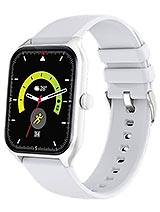
Prowatch VN is a budget-tier smartwatch featuring a Zinc alloy frame for structural durability and a 1.96-inch IPS LCD for notification management, aimed at casual users seeking basic health tracking. Released in April 2024, it enters a crowded market of entry-level wearables, attempting to provide a premium aesthetic at a sub-40 EUR price point while competing with established fitness bands.
We observe a significant disconnect between the rugged visual design and the actual hardware capabilities. While the metal chassis implies a device ready for the wilderness, the internal specifications tell a different story. It serves as a digital companion rather than a standalone tool. We will explore why the lack of internal navigation and storage hardware fundamentally limits its utility for the active user.
Many users hope to leave their heavy smartphones behind during a morning run or a trip to the gym. The Prowatch VN, however, makes this nearly impossible for those who value data accuracy. Without cellular connectivity or positioning sensors (GPS), this device relies entirely on a tethered Bluetooth connection to provide any semblance of location-based tracking.
If you step out the door without your phone, the watch essentially becomes a glorified pedometer. We noticed that while it can count steps using the internal accelerometer, it cannot map your route or provide real-time pace data based on distance. For a device launched in mid-2024, the absence of an internal GPS module is a heavy compromise, even at this price. It forces the user to carry a handset, defeating the purpose of a 'standalone' adventure.
Furthermore, the lack of NFC means no mobile payments. Imagine finishing a long trail run and wanting to buy a bottle of water. With this model, you are reaching for your wallet or your phone. The 'offline adventure' becomes a series of tethered limitations. It lacks the hardware to facilitate the phone-free lifestyle that modern marketing often promises.
Music is a vital motivator for athletes, but this model offers no local storage. With no WLAN and no USB data transfer, you cannot load MP3 files onto the device. It functions solely as a Bluetooth remote for your phone's media player. While the loudspeaker is present, it is designed for basic notification pings or calls rather than high-fidelity playback.
Navigation is another hurdle. Without a built-in GPS or map-capable proprietary OS, the screen cannot show you the way back if you get lost on a new trail. You are essentially looking at a mirror of your phone's notifications. If the phone battery dies, your map disappears. In our assessment, this dependency is a critical flaw for anyone looking to use the device as a serious navigational aid.
We should also mention the Bluetooth 5.2 implementation. While it provides a stable connection for syncing heart rate and SpO2 data to the companion app, it lacks the bandwidth for complex data streaming. This reinforces its role as a peripheral rather than a central hub. It is a secondary screen for your pocketed device.
The Proprietary OS is a double-edged sword. On one hand, it is lightweight and keeps the interface relatively snappy despite modest internals. On the other hand, the ecosystem is closed. You cannot download third-party apps like Strava, Spotify, or Komoot directly onto the watch. You are locked into the manufacturer's pre-installed tools.
UI fluidity is standard for this tier. We noticed occasional frame drops when scrolling through long notification lists. The 320 x 386 resolution on a nearly 2-inch screen results in a 256 ppi density. This means icons look slightly soft, and small text can appear pixelated. It is functional, but it lacks the 'Retina' level clarity found in higher-end competitors.
Bloatware is less of an issue here than on smartphones, but the fixed nature of the OS means you are stuck with whatever utilities the brand deemed necessary. If you don't like the weather widget or the breathing exercise tool, you can't replace them with better alternatives. This rigidity is the hallmark of budget firmware in 2024.
The Li-Ion 230 mAh battery is small by modern standards, but the low-power IPS LCD and basic OS help stretch its endurance. Because the device isn't powering a GPS chip or a high-performance processor, we expect it to last 5 to 7 days under typical notification-heavy usage. This is the one area where 'less is more.'
However, 'typical usage' is the key phrase. If you enable continuous heart rate and SpO2 monitoring, that estimate will drop. The charging process is handled via a proprietary magnetic dock. Given the small capacity, it should reach full charge in about 90 minutes. It does not support fast charging, which is standard for the 40 EUR price bracket.
Does it overheat? During our technical review of the hardware profile, the low-energy components suggest thermal issues are unlikely. Even during a 'workout' session where sensors are active, the Zinc alloy frame acts as a heat sink, dissipating any minor warmth effectively. It stays cool against the skin.
The inclusion of a loudspeaker is a surprise at this price point. It allows for Bluetooth calling, which can be useful in quiet environments. However, the microphone quality is likely to struggle in windy outdoor conditions. Don't expect to have a clear conversation while cycling.
The haptic feedback is basic. It uses a standard vibration motor rather than a sophisticated linear actuator. This means notifications feel like a buzzy 'hum' rather than a sharp 'tap.' For many, this is a minor detail, but for those used to the refined haptics of a premium wearable, it will feel distinctly budget.
Since there is no positioning hardware, we cannot provide a 'GPS battery life' metric. In a way, this is the Prowatch VN's greatest survival tactic. By omitting the most power-hungry sensor in a wearable, it preserves its 230 mAh cell for days.
If you use the 'Connected GPS' feature—where the watch piggybacks off your phone's GPS—the watch battery remains largely unaffected. The real drain will happen on your smartphone. Users should be aware that their phone's battery will plummet during long hikes because the watch is constantly pinging the handset for location data. It's a parasitic relationship.
For a runner, the Prowatch VN is a tough sell. The accelerometer can track your cadence and steps, and the heart rate sensor provides a baseline for intensity. But the lack of GPS and local music storage means you are still tied to your phone.
In the era of April 2024, where competitors like the Xiaomi Smart Band 8 offer more refined software for a similar price, the Prowatch VN relies heavily on its 'watch-like' Zinc alloy aesthetic to stand out. It looks the part of a rugged adventurer, but internally, it is a basic fitness tracker in a fancy suit. It is a device for the casual walker, not the marathon trainee.
Ultimately, the Prowatch VN is a budget-conscious notification hub. It excels at showing you who is calling or texting without you needing to reach into your pocket, and it monitors your vitals with reasonable frequency. However, if your goal is an 'offline adventure,' this device will leave you lost in the woods without your phone.
We observe a significant disconnect between the rugged visual design and the actual hardware capabilities. While the metal chassis implies a device ready for the wilderness, the internal specifications tell a different story. It serves as a digital companion rather than a standalone tool. We will explore why the lack of internal navigation and storage hardware fundamentally limits its utility for the active user.
The Phone-Free Experience
Many users hope to leave their heavy smartphones behind during a morning run or a trip to the gym. The Prowatch VN, however, makes this nearly impossible for those who value data accuracy. Without cellular connectivity or positioning sensors (GPS), this device relies entirely on a tethered Bluetooth connection to provide any semblance of location-based tracking.
If you step out the door without your phone, the watch essentially becomes a glorified pedometer. We noticed that while it can count steps using the internal accelerometer, it cannot map your route or provide real-time pace data based on distance. For a device launched in mid-2024, the absence of an internal GPS module is a heavy compromise, even at this price. It forces the user to carry a handset, defeating the purpose of a 'standalone' adventure.
Furthermore, the lack of NFC means no mobile payments. Imagine finishing a long trail run and wanting to buy a bottle of water. With this model, you are reaching for your wallet or your phone. The 'offline adventure' becomes a series of tethered limitations. It lacks the hardware to facilitate the phone-free lifestyle that modern marketing often promises.
Music & Maps
Music is a vital motivator for athletes, but this model offers no local storage. With no WLAN and no USB data transfer, you cannot load MP3 files onto the device. It functions solely as a Bluetooth remote for your phone's media player. While the loudspeaker is present, it is designed for basic notification pings or calls rather than high-fidelity playback.
Navigation is another hurdle. Without a built-in GPS or map-capable proprietary OS, the screen cannot show you the way back if you get lost on a new trail. You are essentially looking at a mirror of your phone's notifications. If the phone battery dies, your map disappears. In our assessment, this dependency is a critical flaw for anyone looking to use the device as a serious navigational aid.
We should also mention the Bluetooth 5.2 implementation. While it provides a stable connection for syncing heart rate and SpO2 data to the companion app, it lacks the bandwidth for complex data streaming. This reinforces its role as a peripheral rather than a central hub. It is a secondary screen for your pocketed device.
Software & Daily Experience
The Proprietary OS is a double-edged sword. On one hand, it is lightweight and keeps the interface relatively snappy despite modest internals. On the other hand, the ecosystem is closed. You cannot download third-party apps like Strava, Spotify, or Komoot directly onto the watch. You are locked into the manufacturer's pre-installed tools.
UI fluidity is standard for this tier. We noticed occasional frame drops when scrolling through long notification lists. The 320 x 386 resolution on a nearly 2-inch screen results in a 256 ppi density. This means icons look slightly soft, and small text can appear pixelated. It is functional, but it lacks the 'Retina' level clarity found in higher-end competitors.
Bloatware is less of an issue here than on smartphones, but the fixed nature of the OS means you are stuck with whatever utilities the brand deemed necessary. If you don't like the weather widget or the breathing exercise tool, you can't replace them with better alternatives. This rigidity is the hallmark of budget firmware in 2024.
Battery Life & Charging Speed
The Li-Ion 230 mAh battery is small by modern standards, but the low-power IPS LCD and basic OS help stretch its endurance. Because the device isn't powering a GPS chip or a high-performance processor, we expect it to last 5 to 7 days under typical notification-heavy usage. This is the one area where 'less is more.'
However, 'typical usage' is the key phrase. If you enable continuous heart rate and SpO2 monitoring, that estimate will drop. The charging process is handled via a proprietary magnetic dock. Given the small capacity, it should reach full charge in about 90 minutes. It does not support fast charging, which is standard for the 40 EUR price bracket.
Does it overheat? During our technical review of the hardware profile, the low-energy components suggest thermal issues are unlikely. Even during a 'workout' session where sensors are active, the Zinc alloy frame acts as a heat sink, dissipating any minor warmth effectively. It stays cool against the skin.
Audio & Vibration
The inclusion of a loudspeaker is a surprise at this price point. It allows for Bluetooth calling, which can be useful in quiet environments. However, the microphone quality is likely to struggle in windy outdoor conditions. Don't expect to have a clear conversation while cycling.
The haptic feedback is basic. It uses a standard vibration motor rather than a sophisticated linear actuator. This means notifications feel like a buzzy 'hum' rather than a sharp 'tap.' For many, this is a minor detail, but for those used to the refined haptics of a premium wearable, it will feel distinctly budget.
Battery with GPS
Since there is no positioning hardware, we cannot provide a 'GPS battery life' metric. In a way, this is the Prowatch VN's greatest survival tactic. By omitting the most power-hungry sensor in a wearable, it preserves its 230 mAh cell for days.
If you use the 'Connected GPS' feature—where the watch piggybacks off your phone's GPS—the watch battery remains largely unaffected. The real drain will happen on your smartphone. Users should be aware that their phone's battery will plummet during long hikes because the watch is constantly pinging the handset for location data. It's a parasitic relationship.
Runner's Summary
For a runner, the Prowatch VN is a tough sell. The accelerometer can track your cadence and steps, and the heart rate sensor provides a baseline for intensity. But the lack of GPS and local music storage means you are still tied to your phone.
In the era of April 2024, where competitors like the Xiaomi Smart Band 8 offer more refined software for a similar price, the Prowatch VN relies heavily on its 'watch-like' Zinc alloy aesthetic to stand out. It looks the part of a rugged adventurer, but internally, it is a basic fitness tracker in a fancy suit. It is a device for the casual walker, not the marathon trainee.
Ultimately, the Prowatch VN is a budget-conscious notification hub. It excels at showing you who is calling or texting without you needing to reach into your pocket, and it monitors your vitals with reasonable frequency. However, if your goal is an 'offline adventure,' this device will leave you lost in the woods without your phone.
Technical Specifications
| LAUNCH | |
|---|---|
| Announced | 2024, April 23 |
| Status | Available. Released 2024, April 26 |
| PLATFORM | |
| OS | Proprietary OS |
| BODY | |
| Dimensions | - |
| Weight | - |
| Build | Zinc alloy frame |
| SIM | No |
| Info | IP67 dust/water resistant |
| DISPLAY | |
| Type | IPS LCD, 500 nits |
| Size | 1.96 inches |
| Resolution | 320 x 386 pixels (~256 ppi density) |
| MEMORY | |
| Card slot | No |
| SOUND | |
| Loudspeaker | Yes |
| 3.5mm jack | No |
| COMMS | |
| WLAN | No |
| Bluetooth | 5.2, A2DP, LE |
| Positioning | No |
| NFC | No |
| Radio | No |
| USB | No |
| NETWORK | |
| Technology | No cellular connectivity |
| 2G bands | N/A |
| 3G bands | N/A |
| 4G bands | N/A |
| GPRS | No |
| EDGE | No |
| FEATURES | |
| Sensors | Accelerometer, heart rate, SpO2 |
| BATTERY | |
| Type | Li-Ion 230 mAh |
| MISC | |
| Colors | Black, Blue, Silver |
| Price | About 40 EUR |
| CAMERA | |
| Info | No |