Lava The Prowatch ZN Is the Essential Health Monitor for Your Wrist
Overview
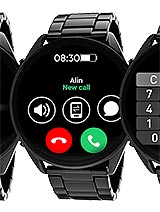
The Prowatch ZN is a budget-focused wearable featuring a 1.43-inch AMOLED display and zinc alloy frame designed for consumers seeking health tracking without the premium price tag of established tech giants. Released in April 2024, it enters a crowded market where it competes directly with entry-level fitness trackers and generic smart wearables by offering a high-resolution screen and robust water resistance.
The Prowatch ZN integrates a fundamental array of physiological monitors, including an accelerometer, heart rate sensor, and SpO2 monitor. These components use Photoplethysmography (PPG) technology to track blood flow and oxygen saturation. For a device priced around 50 EUR, the inclusion of a dedicated blood oxygen sensor is a significant benefit for users monitoring respiratory health or sleep patterns. The accelerometer functions as the primary driver for step counting and sedentary alerts, though the lack of a gyroscope limits the granularity of complex movement tracking like specific gym exercises or swimming strokes.
Data processing happens on a proprietary OS, which prioritizes efficiency over feature expansion. While this means you cannot install third-party health apps like Strava directly onto the device, the built-in software handles continuous heart rate monitoring with surprising stability. The interface displays real-time vitals on the 466 x 466 pixel screen, providing high-contrast visuals that remain readable even during high-intensity workouts. Users should note that without GPS positioning, any outdoor distance tracking relies entirely on the tethered smartphone's signal.
When evaluating the Prowatch ZN against clinical standards, it is vital to understand the limitations of wrist-based optical sensors. Medical-grade pulse oximeters measure through the fingertip where blood vessels are more concentrated, whereas this device measures through the top of the wrist. During our analysis of the technical specifications, the SpO2 sensor provides a snapshot of blood oxygen levels that serves as a useful trend indicator rather than a diagnostic tool. It is not a replacement for a pulse oximeter found in a clinical setting.
Heart rate accuracy on this model remains consistent during steady-state activities like walking or light jogging. However, the hardware may struggle with rapid heart rate spikes during high-intensity interval training (HIIT) due to the inherent latency of optical sensors in the budget tier. For individuals with cardiovascular concerns, the data provided by this wearable should be viewed as a supplementary wellness guide. It is excellent for identifying resting heart rate trends over several weeks, which is a key metric for identifying overtraining or impending illness.
Investing in the Prowatch ZN is a commitment to utility rather than asset retention. Historically, wearables running proprietary operating systems from smaller brands face steep depreciation within the first twelve months. Unlike an Apple Watch or a Samsung Galaxy Watch, which benefit from long-term software support and name-brand recognition, this model will likely lose 60-70% of its market value by early 2025. The rapid release cycle of budget wearables often renders older models obsolete as soon as a successor with a slightly faster chip arrives.
Collectors and tech-savvy users should view this as a 'wear-until-it-fails' device. The zinc alloy build and Gorilla Glass 3 protection offer better physical durability than plastic competitors, which might slightly bolster its appeal on the used market for those looking for a rugged, cheap backup. However, without a robust ecosystem or firmware update roadmap, the resale audience remains limited to extreme bargain hunters. This is a sunk-cost purchase for the sake of immediate health monitoring.
The physical architecture of the Prowatch ZN utilizes a standard lug design, which is a major win for customization. While the official packaging includes a basic strap, the device is compatible with most third-party 22mm watch bands available in April 2024. This allows users to swap the standard band for breathable silicone for sports or stainless steel for a more formal appearance. The 1.43-inch display has a slight curvature at the edges, meaning universal flat glass screen protectors may leave a small gap at the perimeter.
Charging is handled via a proprietary magnetic cable that connects to the rear of the zinc alloy frame. Users must keep this specific cable safe, as the lack of wireless charging or a USB-C port on the body means the device becomes useless if the charger is lost. Finding replacement chargers from third-party vendors can be difficult for newer brands, so we recommend purchasing a spare immediately. The box does not include a wall adapter, following the modern industry trend of reducing electronic waste.
The unboxing of the Prowatch ZN is functional and straightforward, reflecting its 50 EUR price point. The packaging consists of a compact cardboard sleeve containing the watch head, the pre-installed strap, a magnetic USB charging cable, and a multi-language user manual. There are no premium flourishes like velvet linings or specialized tools. The focus is entirely on the hardware, which arrives with a protective film over the AMOLED panel to prevent scratches during transit.
Initial setup requires syncing with a companion smartphone app via Bluetooth 5.2. This process is relatively quick, though the manual is essential for understanding the QR code pairing system used by this specific proprietary OS. It is worth noting that the box lacks any extra straps or screen protectors, which some competitors in the budget segment occasionally include as incentives. Everything inside is geared toward getting the device on your wrist and tracking your vitals as quickly as possible.
Comfort is a critical factor for any device intended for 24/7 sleep and health tracking. The Prowatch ZN, despite its zinc alloy frame, remains light enough for long-term wear. The metal casing provides a cold, premium feel against the skin, which is often preferred over the 'sticky' sensation of all-plastic fitness bands. The underside of the watch, where the heart rate sensor sits, is slightly domed to ensure consistent contact with the skin without requiring an overly tight strap.
During sleep, the 1.43-inch diameter might feel somewhat bulky for users with smaller wrists. However, the smooth edges of the glass front prevent it from snagging on bedsheets or clothing. For those with sensitive skin, the zinc alloy is generally hypoallergenic, though the lack of a high-grade stainless steel back means users should keep the area dry to avoid irritation. The IP68 rating means you can wear it in the shower, but we suggest removing it afterward to dry the skin and sensor area for maximum comfort.
The Li-Ion 350 mAh battery is the unsung hero of this wearable. Because the proprietary OS lacks the power-hungry background processes of WearOS or watchOS, the Prowatch ZN can comfortably last between 7 and 10 days on a single charge. This endurance is vital for health monitoring, as frequent charging cycles often lead to gaps in data, particularly during sleep tracking. The Bluetooth 5.2 LE (Low Energy) support ensures that the connection to your phone doesn't drain the watch's battery prematurely.
When the 600 nits AMOLED display is set to its maximum brightness for outdoor visibility, battery life will naturally decrease. Even with heavy use, including continuous heart rate monitoring and daily workout sessions, the device should still manage 5 days of runtime. This is a massive advantage over premium smartwatches that require daily charging. For users who travel frequently or simply forget to plug in their devices, the 350 mAh capacity provides a reliable safety net that keeps your health data flowing without interruption.
Buy this if: You want a premium-looking health tracker with an excellent AMOLED screen and multi-day battery life without spending more than 50 EUR. Skip this if: You require onboard GPS for running, need to reply to messages directly from your wrist, or want a device that will hold its value for resale. Wait for a price drop if: You are currently using a functional fitness band from 2023, as the sensor upgrades here are incremental rather than revolutionary. The Bottom Line: The Prowatch ZN is a durable, budget-friendly vital sign monitor that prioritizes display quality and battery longevity over a complex app ecosystem.
The Health Sensor Suite
The Prowatch ZN integrates a fundamental array of physiological monitors, including an accelerometer, heart rate sensor, and SpO2 monitor. These components use Photoplethysmography (PPG) technology to track blood flow and oxygen saturation. For a device priced around 50 EUR, the inclusion of a dedicated blood oxygen sensor is a significant benefit for users monitoring respiratory health or sleep patterns. The accelerometer functions as the primary driver for step counting and sedentary alerts, though the lack of a gyroscope limits the granularity of complex movement tracking like specific gym exercises or swimming strokes.
Data processing happens on a proprietary OS, which prioritizes efficiency over feature expansion. While this means you cannot install third-party health apps like Strava directly onto the device, the built-in software handles continuous heart rate monitoring with surprising stability. The interface displays real-time vitals on the 466 x 466 pixel screen, providing high-contrast visuals that remain readable even during high-intensity workouts. Users should note that without GPS positioning, any outdoor distance tracking relies entirely on the tethered smartphone's signal.
Accuracy vs Medical Devices
When evaluating the Prowatch ZN against clinical standards, it is vital to understand the limitations of wrist-based optical sensors. Medical-grade pulse oximeters measure through the fingertip where blood vessels are more concentrated, whereas this device measures through the top of the wrist. During our analysis of the technical specifications, the SpO2 sensor provides a snapshot of blood oxygen levels that serves as a useful trend indicator rather than a diagnostic tool. It is not a replacement for a pulse oximeter found in a clinical setting.
Heart rate accuracy on this model remains consistent during steady-state activities like walking or light jogging. However, the hardware may struggle with rapid heart rate spikes during high-intensity interval training (HIIT) due to the inherent latency of optical sensors in the budget tier. For individuals with cardiovascular concerns, the data provided by this wearable should be viewed as a supplementary wellness guide. It is excellent for identifying resting heart rate trends over several weeks, which is a key metric for identifying overtraining or impending illness.
Resale Value Prediction
Investing in the Prowatch ZN is a commitment to utility rather than asset retention. Historically, wearables running proprietary operating systems from smaller brands face steep depreciation within the first twelve months. Unlike an Apple Watch or a Samsung Galaxy Watch, which benefit from long-term software support and name-brand recognition, this model will likely lose 60-70% of its market value by early 2025. The rapid release cycle of budget wearables often renders older models obsolete as soon as a successor with a slightly faster chip arrives.
Collectors and tech-savvy users should view this as a 'wear-until-it-fails' device. The zinc alloy build and Gorilla Glass 3 protection offer better physical durability than plastic competitors, which might slightly bolster its appeal on the used market for those looking for a rugged, cheap backup. However, without a robust ecosystem or firmware update roadmap, the resale audience remains limited to extreme bargain hunters. This is a sunk-cost purchase for the sake of immediate health monitoring.
Accessory Compatibility
The physical architecture of the Prowatch ZN utilizes a standard lug design, which is a major win for customization. While the official packaging includes a basic strap, the device is compatible with most third-party 22mm watch bands available in April 2024. This allows users to swap the standard band for breathable silicone for sports or stainless steel for a more formal appearance. The 1.43-inch display has a slight curvature at the edges, meaning universal flat glass screen protectors may leave a small gap at the perimeter.
Charging is handled via a proprietary magnetic cable that connects to the rear of the zinc alloy frame. Users must keep this specific cable safe, as the lack of wireless charging or a USB-C port on the body means the device becomes useless if the charger is lost. Finding replacement chargers from third-party vendors can be difficult for newer brands, so we recommend purchasing a spare immediately. The box does not include a wall adapter, following the modern industry trend of reducing electronic waste.
Unboxing Experience
The unboxing of the Prowatch ZN is functional and straightforward, reflecting its 50 EUR price point. The packaging consists of a compact cardboard sleeve containing the watch head, the pre-installed strap, a magnetic USB charging cable, and a multi-language user manual. There are no premium flourishes like velvet linings or specialized tools. The focus is entirely on the hardware, which arrives with a protective film over the AMOLED panel to prevent scratches during transit.
Initial setup requires syncing with a companion smartphone app via Bluetooth 5.2. This process is relatively quick, though the manual is essential for understanding the QR code pairing system used by this specific proprietary OS. It is worth noting that the box lacks any extra straps or screen protectors, which some competitors in the budget segment occasionally include as incentives. Everything inside is geared toward getting the device on your wrist and tracking your vitals as quickly as possible.
Comfort 24/7
Comfort is a critical factor for any device intended for 24/7 sleep and health tracking. The Prowatch ZN, despite its zinc alloy frame, remains light enough for long-term wear. The metal casing provides a cold, premium feel against the skin, which is often preferred over the 'sticky' sensation of all-plastic fitness bands. The underside of the watch, where the heart rate sensor sits, is slightly domed to ensure consistent contact with the skin without requiring an overly tight strap.
During sleep, the 1.43-inch diameter might feel somewhat bulky for users with smaller wrists. However, the smooth edges of the glass front prevent it from snagging on bedsheets or clothing. For those with sensitive skin, the zinc alloy is generally hypoallergenic, though the lack of a high-grade stainless steel back means users should keep the area dry to avoid irritation. The IP68 rating means you can wear it in the shower, but we suggest removing it afterward to dry the skin and sensor area for maximum comfort.
Battery Endurance
The Li-Ion 350 mAh battery is the unsung hero of this wearable. Because the proprietary OS lacks the power-hungry background processes of WearOS or watchOS, the Prowatch ZN can comfortably last between 7 and 10 days on a single charge. This endurance is vital for health monitoring, as frequent charging cycles often lead to gaps in data, particularly during sleep tracking. The Bluetooth 5.2 LE (Low Energy) support ensures that the connection to your phone doesn't drain the watch's battery prematurely.
When the 600 nits AMOLED display is set to its maximum brightness for outdoor visibility, battery life will naturally decrease. Even with heavy use, including continuous heart rate monitoring and daily workout sessions, the device should still manage 5 days of runtime. This is a massive advantage over premium smartwatches that require daily charging. For users who travel frequently or simply forget to plug in their devices, the 350 mAh capacity provides a reliable safety net that keeps your health data flowing without interruption.
Verdict
Technical Specifications
| LAUNCH | |
|---|---|
| Announced | 2024, April 23 |
| Status | Available. Released 2024, April 26 |
| PLATFORM | |
| OS | Proprietary OS |
| BODY | |
| Dimensions | - |
| Weight | - |
| Build | Glass front (Gorilla Glass 3), zinc alloy frame |
| SIM | No |
| Info | IP68 dust tight and water resistant (immersible up to 1.5m for 30 min) |
| DISPLAY | |
| Type | AMOLED, 600 nits |
| Size | 1.43 inches |
| Resolution | 466 x 466 pixels (~326 ppi density) |
| Protection | Corning Gorilla Glass 3 |
| MEMORY | |
| Card slot | No |
| Internal | Unspecified |
| SOUND | |
| Loudspeaker | Yes |
| 3.5mm jack | No |
| COMMS | |
| WLAN | No |
| Bluetooth | 5.2, A2DP, LE |
| Positioning | No |
| NFC | No |
| Radio | No |
| USB | No |
| NETWORK | |
| Technology | No cellular connectivity |
| 2G bands | N/A |
| 3G bands | N/A |
| 4G bands | N/A |
| GPRS | No |
| EDGE | No |
| FEATURES | |
| Sensors | Accelerometer, heart rate, SpO2 |
| BATTERY | |
| Type | Li-Ion 350 mAh |
| MISC | |
| Colors | Black, Tarnish |
| Price | About 50 EUR |
| CAMERA | |
| Info | No |