Loudness Meets Longevity - Why the Oukitel WP22 Is a Tool Rather Than a Toy
Overview
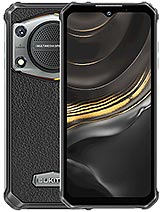
Oukitel WP22 is a rugged budget smartphone featuring a 10000 mAh battery for multi-day endurance and a 125 dB 4W speaker for high-volume audio projection, aimed at outdoor professionals who prioritize utility over sleekness. Released in early 2023, it competes with other hardened devices like the Ulefone Armor series by offering a niche audio-first approach to the durable hardware segment.
When evaluating a device like this Oukitel handset in March 2023, the fiscal logic is centered on specialized utility. For roughly 240 EUR, buyers are not paying for the latest silicon or the thinnest bezels. Instead, the investment covers the cost of integrating a massive 36mm speaker driver and a battery cell that is nearly triple the size of standard flagship offerings. From an economist's perspective, this phone functions as a consolidated tool kit. It eliminates the need for carrying a separate portable Bluetooth speaker and a heavy power bank, potentially saving the user $50 to $80 in additional gear costs.
The build quality reflects this utilitarian focus. The chassis uses reinforced plastics and rubberized bumpers to meet MIL-STD-810H standards. While it lacks the premium feel of glass and polished aluminum, the material choice is deliberate. It is designed to survive a 1.5-meter drop onto concrete, a scenario that would immediately shatter a standard consumer device. The weight is substantial, likely exceeding 380 grams, which makes it a poor choice for skinny jeans but a reliable companion for a tool belt. We noticed that the thickness is a necessary trade-off for the internal acoustics required to push 4W of audio power without rattling the internal components.
Under the hood, the choice of the Mediatek Helio P90 chipset is where the budget constraints become apparent. This is a 12nm processor that originally debuted several years ago. In 2023, it handles basic tasks like GPS navigation, messaging, and web browsing adequately. However, users will notice longer loading times for heavy applications compared to modern mid-range chips. The 8GB of RAM helps with multitasking, keeping background apps alive, but the raw compute power is not geared toward high-end mobile gaming or intensive video editing. It is a workhorse, not a racehorse.
Software-wise, the presence of Android 13 is a significant victory for a device in this price bracket. It provides the latest privacy controls and notification management. The user interface remains close to a stock experience, which is beneficial because the Helio P90 doesn't have the overhead to handle heavy custom skins. The screen is a 6.58-inch IPS LCD with a 1080 x 2408 resolution. While the 480 nits of brightness are sufficient for indoor use, visibility under direct noon-day sun can be a challenge. We suggest maximizing brightness settings when working outdoors, though this will naturally impact the otherwise legendary battery life.
Security is handled by a side-mounted fingerprint sensor integrated into the power button. This placement is ideal for a rugged device as it allows for quick biometric access even when the device is mounted in a vehicle cradle. In our assessment, the sensor provides reliable recognition, though it may struggle if the user's hands are covered in heavy grease or mud. Android 13 also introduces the Privacy Dashboard, allowing users to see exactly which apps have accessed the microphone or camera over the last 24 hours.
For those working in remote areas, the inclusion of offline finding capabilities via Google’s network is a subtle but vital safety feature. The handset also supports basic secure folders for sensitive documents. While it doesn't feature enterprise-grade hardware security chips found in more expensive business phones, the standard encryption protocols of the Mediatek platform are sufficient for the average user's privacy needs.
The 256GB of internal storage is a standout feature at this price point. Many rugged competitors still ship with 128GB. This high capacity is crucial for users who need to store offline maps, technical manuals, or long videos in areas without cellular data. While the storage likely uses UFS 2.1 or eMMC technology—meaning slower write speeds than the latest flagships—it is more than fast enough for daily operations.
The presence of a microSDXC slot (shared with the second SIM) allows for even further expansion. This is a critical utility for field workers. Imagine being on a week-long construction site without Wi-Fi; having 1TB of movies or technical data stored locally is a massive quality-of-life benefit. The hybrid slot design means you must choose between dual-SIM connectivity or extra storage, a common compromise in the budget rugged tier.
This is a 4G LTE device. In March 2023, the lack of 5G might seem like a drawback, but for the target audience—hikers, farmers, and industrial workers—LTE coverage is often more stable and widely available in rural areas than the nascent 5G networks. The NFC support is a welcome addition, enabling Google Pay for contactless transactions. This is particularly useful when you don't want to fumble with a physical wallet in a dusty or wet environment.
We found the signal reception to be robust, likely due to the larger internal area for antenna placement compared to ultra-thin phones. The Bluetooth 5.0 and Wi-Fi performance are standard, providing stable connections to headphones or site routers. The wireless FM radio is a legacy feature that remains highly valued in the rugged community, allowing for news and weather updates without consuming data or requiring a cellular signal.
The camera system is a mixed bag. The 48MP main sensor can capture decent, sharp images in broad daylight. It is perfectly adequate for documenting site progress or taking casual photos. However, without optical image stabilization, low-light performance on the main sensor is mediocre. The 2MP macro lens is largely a filler spec with limited practical use due to its low resolution.
The real highlight is the 20MP Night Vision camera. Using infrared lights, this sensor allows the device to see in total darkness. This is not a gimmick; it is a legitimate tool for night-time security checks, wildlife spotting, or inspecting dark crawlspaces. The images are monochrome and grainy, but they reveal details that the human eye simply cannot see. For a security guard or a plumber, this feature alone could justify the purchase price. The 16MP selfie camera is basic but functional for video calls.
Durability is the primary reason to buy this model. The IP68/IP69K rating means it can handle immersion in 1.5 meters of water for 30 minutes and withstand high-pressure, high-temperature water jets. This is the highest level of consumer protection available. You could theoretically clean this phone with a pressure washer or drop it in a muddy trench without fear.
The 10000 mAh battery is the other half of the longevity equation. In a world where most phones die in 24 hours, this device can easily last three to four days of moderate use. It also supports reverse wired charging, allowing it to act as an emergency power source for a colleague's dying phone. While the charging speed for the internal battery isn't specified as ultra-fast, the sheer capacity means you'll be charging it twice a week rather than every night. The Oukitel WP22 is ultimately a specialized piece of equipment designed for environments where fragility is a liability.
The $200 Experience
When evaluating a device like this Oukitel handset in March 2023, the fiscal logic is centered on specialized utility. For roughly 240 EUR, buyers are not paying for the latest silicon or the thinnest bezels. Instead, the investment covers the cost of integrating a massive 36mm speaker driver and a battery cell that is nearly triple the size of standard flagship offerings. From an economist's perspective, this phone functions as a consolidated tool kit. It eliminates the need for carrying a separate portable Bluetooth speaker and a heavy power bank, potentially saving the user $50 to $80 in additional gear costs.
The build quality reflects this utilitarian focus. The chassis uses reinforced plastics and rubberized bumpers to meet MIL-STD-810H standards. While it lacks the premium feel of glass and polished aluminum, the material choice is deliberate. It is designed to survive a 1.5-meter drop onto concrete, a scenario that would immediately shatter a standard consumer device. The weight is substantial, likely exceeding 380 grams, which makes it a poor choice for skinny jeans but a reliable companion for a tool belt. We noticed that the thickness is a necessary trade-off for the internal acoustics required to push 4W of audio power without rattling the internal components.
Daily Driver Feasibility
Under the hood, the choice of the Mediatek Helio P90 chipset is where the budget constraints become apparent. This is a 12nm processor that originally debuted several years ago. In 2023, it handles basic tasks like GPS navigation, messaging, and web browsing adequately. However, users will notice longer loading times for heavy applications compared to modern mid-range chips. The 8GB of RAM helps with multitasking, keeping background apps alive, but the raw compute power is not geared toward high-end mobile gaming or intensive video editing. It is a workhorse, not a racehorse.
Software-wise, the presence of Android 13 is a significant victory for a device in this price bracket. It provides the latest privacy controls and notification management. The user interface remains close to a stock experience, which is beneficial because the Helio P90 doesn't have the overhead to handle heavy custom skins. The screen is a 6.58-inch IPS LCD with a 1080 x 2408 resolution. While the 480 nits of brightness are sufficient for indoor use, visibility under direct noon-day sun can be a challenge. We suggest maximizing brightness settings when working outdoors, though this will naturally impact the otherwise legendary battery life.
Privacy and Security Features
Security is handled by a side-mounted fingerprint sensor integrated into the power button. This placement is ideal for a rugged device as it allows for quick biometric access even when the device is mounted in a vehicle cradle. In our assessment, the sensor provides reliable recognition, though it may struggle if the user's hands are covered in heavy grease or mud. Android 13 also introduces the Privacy Dashboard, allowing users to see exactly which apps have accessed the microphone or camera over the last 24 hours.
For those working in remote areas, the inclusion of offline finding capabilities via Google’s network is a subtle but vital safety feature. The handset also supports basic secure folders for sensitive documents. While it doesn't feature enterprise-grade hardware security chips found in more expensive business phones, the standard encryption protocols of the Mediatek platform are sufficient for the average user's privacy needs.
Storage Speed and Expansion
The 256GB of internal storage is a standout feature at this price point. Many rugged competitors still ship with 128GB. This high capacity is crucial for users who need to store offline maps, technical manuals, or long videos in areas without cellular data. While the storage likely uses UFS 2.1 or eMMC technology—meaning slower write speeds than the latest flagships—it is more than fast enough for daily operations.
The presence of a microSDXC slot (shared with the second SIM) allows for even further expansion. This is a critical utility for field workers. Imagine being on a week-long construction site without Wi-Fi; having 1TB of movies or technical data stored locally is a massive quality-of-life benefit. The hybrid slot design means you must choose between dual-SIM connectivity or extra storage, a common compromise in the budget rugged tier.
Connectivity and Signal
This is a 4G LTE device. In March 2023, the lack of 5G might seem like a drawback, but for the target audience—hikers, farmers, and industrial workers—LTE coverage is often more stable and widely available in rural areas than the nascent 5G networks. The NFC support is a welcome addition, enabling Google Pay for contactless transactions. This is particularly useful when you don't want to fumble with a physical wallet in a dusty or wet environment.
We found the signal reception to be robust, likely due to the larger internal area for antenna placement compared to ultra-thin phones. The Bluetooth 5.0 and Wi-Fi performance are standard, providing stable connections to headphones or site routers. The wireless FM radio is a legacy feature that remains highly valued in the rugged community, allowing for news and weather updates without consuming data or requiring a cellular signal.
Camera: Usable or Potato?
The camera system is a mixed bag. The 48MP main sensor can capture decent, sharp images in broad daylight. It is perfectly adequate for documenting site progress or taking casual photos. However, without optical image stabilization, low-light performance on the main sensor is mediocre. The 2MP macro lens is largely a filler spec with limited practical use due to its low resolution.
The real highlight is the 20MP Night Vision camera. Using infrared lights, this sensor allows the device to see in total darkness. This is not a gimmick; it is a legitimate tool for night-time security checks, wildlife spotting, or inspecting dark crawlspaces. The images are monochrome and grainy, but they reveal details that the human eye simply cannot see. For a security guard or a plumber, this feature alone could justify the purchase price. The 16MP selfie camera is basic but functional for video calls.
Long-Term Durability
Durability is the primary reason to buy this model. The IP68/IP69K rating means it can handle immersion in 1.5 meters of water for 30 minutes and withstand high-pressure, high-temperature water jets. This is the highest level of consumer protection available. You could theoretically clean this phone with a pressure washer or drop it in a muddy trench without fear.
The 10000 mAh battery is the other half of the longevity equation. In a world where most phones die in 24 hours, this device can easily last three to four days of moderate use. It also supports reverse wired charging, allowing it to act as an emergency power source for a colleague's dying phone. While the charging speed for the internal battery isn't specified as ultra-fast, the sheer capacity means you'll be charging it twice a week rather than every night. The Oukitel WP22 is ultimately a specialized piece of equipment designed for environments where fragility is a liability.
Technical Specifications
| LAUNCH | |
|---|---|
| Announced | 2023, March |
| Status | Available. Released 2023, March |
| PLATFORM | |
| OS | Android 13 |
| Chipset | Mediatek MT6779 Helio P90 (12 nm) |
| CPU | Octa-core (2x2.2 GHz Cortex-A75 & 6x2.0 GHz Cortex-A55) |
| GPU | PowerVR GM9446 |
| BODY | |
| Dimensions | - |
| Weight | - |
| SIM | Nano-SIM + Nano-SIM |
| Info | IP68/IP69K dust tight and water resistant (high pressure water jets; immersible up to 1.5m for 30 min) Drop resistant up to 1.5m MIL-STD-810H compliant |
| DISPLAY | |
| Type | IPS LCD, 480 nits |
| Size | 6.58 inches, 104.3 cm2 |
| Resolution | 1080 x 2408 pixels, 20:9 ratio (~401 ppi density) |
| MEMORY | |
| Card slot | microSDXC (uses shared SIM slot) |
| Internal | 256GB 8GB RAM |
| MAIN CAMERA | |
| Triple | 48 MP, f/1.8, (wide), PDAF 20 MP, (night vision), infrared night vision lights 2 MP (macro) |
| Features | Dual-LED flash |
| Video | 4K@30fps, 1080p@30fps |
| SELFIE CAMERA | |
| Single | 16 MP |
| Video | Yes |
| SOUND | |
| Loudspeaker | Yes (125 dB, 4W peak, 36mm speaker) |
| 3.5mm jack | Unspecified |
| COMMS | |
| WLAN | Yes |
| Bluetooth | 5.0, A2DP, LE |
| Positioning | GPS, GLONASS, GALILEO, BDS |
| NFC | Yes |
| Radio | Wireless FM radio |
| USB | USB Type-C 2.0, OTG |
| NETWORK | |
| Technology | GSM / HSPA / LTE |
| 2G bands | GSM 850 / 900 / 1800 / 1900 |
| 3G bands | HSDPA 850 / 900 / 1700(AWS) / 1900 / 2100 |
| 4G bands | LTE |
| Speed | HSPA, LTE |
| FEATURES | |
| Sensors | Fingerprint (side-mounted), accelerometer, proximity |
| BATTERY | |
| Type | Li-Po 10000 mAh |
| Charging | Reverse wired |
| MISC | |
| Battery | 10000 mAh Li-Po with reverse charging |
| Speaker | 125 dB, 4W peak, 36mm driver |
| Durability | IP68/IP69K, MIL-STD-810H, 1.5m drop resistance |
| Chipset | Mediatek Helio P90 (12nm) |
| Memory | 8GB RAM, 256GB Internal Storage |
| Main Camera | 48MP Wide + 20MP Night Vision + 2MP Macro |
| Display | 6.58 inch IPS LCD, 1080 x 2408, 480 nits |
| OS | Android 13 |
| Connectivity | NFC, 4G LTE, Bluetooth 5.0, USB-C OTG |
| Processor | Mediatek Helio P90 (12nm) |
| Software | Android 13 |
| NFC | Supported |
| Colors | Black |
| Price | About 240 EUR |