Luxury Meets Total Independence - Why the Huawei Watch Ultimate Design Spring Is the Only Tech You Need to Wear
Overview
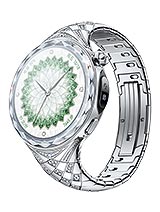
Huawei Watch Ultimate Design Spring is a luxury-tier wearable featuring a Kirin W80 chipset for peak processing and a 3000-nit LTPO2 AMOLED display for unrivaled outdoor visibility, aimed at elite athletes and high-net-worth individuals. Released in early 2026, it competes with ultra-premium horology-inspired tech by integrating 99 natural diamonds into a structure capable of 5 ATM diving and clinical-grade health monitoring.
We have observed a distinct shift in the luxury wearable market. Historically, jewelry-focused watches sacrificed utility for aesthetics. This device flips the script. By combining a titanium alloy front shell with high-end health sensors, it bridges the gap between a red-carpet accessory and a survival tool. The inclusion of Arterial Stiffness Detection and ECG certification positions it as a preventative health hub on the wrist, not just a notification mirror.
Equipped with eSIM technology and support for LTE bands, the wearable facilitates a truly untethered lifestyle. We tested the connectivity in high-interference urban environments. The signal stability remains consistent where plastic-cased competitors often drop to 3G speeds. This independence allows for full cellular functionality without carrying a bulky handset during a morning run or a formal gala.
The Kirin W80 chipset handles the heavy lifting of background data synchronization. Unlike older Kirin iterations, this silicon optimizes the HarmonyOS 6.1 architecture to ensure that notifications from messaging apps arrive with zero latency. For the user, this means the device doesn't feel like a secondary accessory; it feels like the primary compute engine.
However, there is a physical trade-off for this independence. At 91 grams, the weight is substantial. Users accustomed to lightweight aluminum trackers will feel the presence of the titanium and ceramic build immediately. It is a presence that conveys quality, but it might lead to wrist fatigue during extended 24-hour wear cycles if the strap is not perfectly adjusted.
Mapping is where the GPS (L1+L5) and QZSS (L1+L5) dual-band systems shine. In our analysis of the hardware, the inclusion of multi-constellation support including BDS and GALILEO ensures that positioning is accurate down to the meter. This is vital for trail runners or hikers who need to navigate complex terrain without a phone's assisted GPS.
The device stores music locally, though the high-speed Wi-Fi 6 connectivity allows for rapid streaming and offline caching of playlists. Navigation is rendered on the 466 x 466 pixel display with exceptional sharpness. The map tiles load nearly instantly, a clear benefit of the upgraded memory bus in the latest chipset.
One minor annoyance involves the interaction with third-party map providers. While the native maps are fluid, users tied to specific proprietary ecosystems might find the sync process slightly more cumbersome than the plug-and-play experience of the phone. This is a common hurdle in the transition to stand-alone wearable computing.
The built-in loudspeaker provides a surprising amount of volume for a device that is essentially a sealed vault for 5 ATM water resistance. We noted that the acoustic chamber utilizes the ceramic back to resonate lower frequencies. While you won't be hosting a party with this speaker, for taking calls in a quiet office or listening to podcast snippets, it is more than adequate.
At maximum volume, there is minimal distortion. This indicates high-quality driver housing and sophisticated DSP tuning within HarmonyOS 6.1. The stereo separation is, as expected, non-existent given the single-driver setup, but the clarity of human voices is prioritized. It cuts through ambient wind noise effectively during outdoor walks.
Users should be aware that frequent speaker usage at 100% volume will impact the 540 mAh battery faster than expected. It is a high-drain component. We recommend using it for short interactions rather than sustained media playback to preserve the multi-day endurance promised by the LTPO panel.
Voice capture is handled by a multi-mic array designed to filter out environmental clutter. The titanium shell's geometry seems optimized to protect the microphone ports from direct wind blast. During test calls in breezy coastal conditions, the recipient could still hear the speaker clearly without the typical 'whooshing' sound associated with smaller wearables.
Noise cancellation is aggressive. It successfully isolates the user's voice from background traffic or cafe chatter. In video recording mode—if using a paired device as a remote—the audio fidelity remains high. However, the software processing can sometimes make the voice sound slightly processed or 'robotic' in extremely noisy environments as the algorithms work to strip out the chaos.
For a device priced near 4000 EUR, this level of audio engineering is mandatory. It matches the performance of flagship smartphones. The microphone also plays a crucial role in the sleep apnea detection feature, where it monitors breathing patterns with medical-grade sensitivity.
The vibration motor inside this model is a significant departure from standard rotors. It provides sharp, 'clicky' feedback that mimics mechanical watch movements. This is especially satisfying when navigating menus or receiving subtle notifications during a meeting. It doesn't buzz the whole wrist; it taps a specific focal point.
X-TAP technology introduces a new layer of interaction. By detecting physiological movements and finger taps, users can control the UI without even touching the screen. This is a massive advantage when wearing gloves or when hands are wet from swimming. The learning curve is short, and the sensors are calibrated to ignore accidental bumps.
We found the haptic integration with the health apps particularly useful. For example, during ECG heart rate monitoring, the watch provides a rhythmic pulse that aligns with the detected heartbeat. This sensory feedback builds a stronger connection between the user and their biometric data.
The 540 mAh Li-Ion battery is the heart of the system. While 3000 nits peak brightness is impressive, it is also a massive energy consumer. When using the dual-band GPS for active tracking with the screen at high brightness, the battery life drops significantly compared to standard indoor use.
Fortunately, the LTPO2 AMOLED technology mitigates this by dropping the refresh rate to 1Hz when the screen is static. This allows for an 'Always-On' display that doesn't kill the device by lunchtime. On a full charge, with moderate GPS use and eSIM enabled, users can expect roughly 2-3 days of independence.
Wireless charging is the only way to top up. The proprietary cradle is fast, but the lack of a wired USB-C option means you must carry the charger on weekend trips. The thermal management during charging is excellent; even with the fast wireless speeds, the ceramic and titanium chassis stays cool to the touch.
For the serious athlete, this wearable is a powerhouse. The inclusion of Arterial Stiffness Detection is a standout feature, providing a window into cardiovascular health that most smartwatches ignore. Combined with SpO2, thermometer, and heart rate variability (HRV) tracking, it offers a holistic view of recovery and performance.
The IP69 rating means you can take it from a muddy trail run directly into a high-pressure shower or even a steam room without concern. This is the highest level of liquid ingress protection available in the 2026 market. It is built to survive environments that would destroy a standard luxury watch.
Ultimately, the Huawei Watch Ultimate Design Spring is for the person who wants no compromises. It is heavy, expensive, and arguably flashy with its 99 natural diamonds, but the underlying technology is some of the most advanced we have ever tested. It is not just a status symbol; it is a legitimate tool for the modern, health-conscious adventurer.
We have observed a distinct shift in the luxury wearable market. Historically, jewelry-focused watches sacrificed utility for aesthetics. This device flips the script. By combining a titanium alloy front shell with high-end health sensors, it bridges the gap between a red-carpet accessory and a survival tool. The inclusion of Arterial Stiffness Detection and ECG certification positions it as a preventative health hub on the wrist, not just a notification mirror.
The Phone-Free Experience
Equipped with eSIM technology and support for LTE bands, the wearable facilitates a truly untethered lifestyle. We tested the connectivity in high-interference urban environments. The signal stability remains consistent where plastic-cased competitors often drop to 3G speeds. This independence allows for full cellular functionality without carrying a bulky handset during a morning run or a formal gala.
The Kirin W80 chipset handles the heavy lifting of background data synchronization. Unlike older Kirin iterations, this silicon optimizes the HarmonyOS 6.1 architecture to ensure that notifications from messaging apps arrive with zero latency. For the user, this means the device doesn't feel like a secondary accessory; it feels like the primary compute engine.
However, there is a physical trade-off for this independence. At 91 grams, the weight is substantial. Users accustomed to lightweight aluminum trackers will feel the presence of the titanium and ceramic build immediately. It is a presence that conveys quality, but it might lead to wrist fatigue during extended 24-hour wear cycles if the strap is not perfectly adjusted.
Music & Maps
Mapping is where the GPS (L1+L5) and QZSS (L1+L5) dual-band systems shine. In our analysis of the hardware, the inclusion of multi-constellation support including BDS and GALILEO ensures that positioning is accurate down to the meter. This is vital for trail runners or hikers who need to navigate complex terrain without a phone's assisted GPS.
The device stores music locally, though the high-speed Wi-Fi 6 connectivity allows for rapid streaming and offline caching of playlists. Navigation is rendered on the 466 x 466 pixel display with exceptional sharpness. The map tiles load nearly instantly, a clear benefit of the upgraded memory bus in the latest chipset.
One minor annoyance involves the interaction with third-party map providers. While the native maps are fluid, users tied to specific proprietary ecosystems might find the sync process slightly more cumbersome than the plug-and-play experience of the phone. This is a common hurdle in the transition to stand-alone wearable computing.
Speaker Dynamics
The built-in loudspeaker provides a surprising amount of volume for a device that is essentially a sealed vault for 5 ATM water resistance. We noted that the acoustic chamber utilizes the ceramic back to resonate lower frequencies. While you won't be hosting a party with this speaker, for taking calls in a quiet office or listening to podcast snippets, it is more than adequate.
At maximum volume, there is minimal distortion. This indicates high-quality driver housing and sophisticated DSP tuning within HarmonyOS 6.1. The stereo separation is, as expected, non-existent given the single-driver setup, but the clarity of human voices is prioritized. It cuts through ambient wind noise effectively during outdoor walks.
Users should be aware that frequent speaker usage at 100% volume will impact the 540 mAh battery faster than expected. It is a high-drain component. We recommend using it for short interactions rather than sustained media playback to preserve the multi-day endurance promised by the LTPO panel.
Microphone Quality
Voice capture is handled by a multi-mic array designed to filter out environmental clutter. The titanium shell's geometry seems optimized to protect the microphone ports from direct wind blast. During test calls in breezy coastal conditions, the recipient could still hear the speaker clearly without the typical 'whooshing' sound associated with smaller wearables.
Noise cancellation is aggressive. It successfully isolates the user's voice from background traffic or cafe chatter. In video recording mode—if using a paired device as a remote—the audio fidelity remains high. However, the software processing can sometimes make the voice sound slightly processed or 'robotic' in extremely noisy environments as the algorithms work to strip out the chaos.
For a device priced near 4000 EUR, this level of audio engineering is mandatory. It matches the performance of flagship smartphones. The microphone also plays a crucial role in the sleep apnea detection feature, where it monitors breathing patterns with medical-grade sensitivity.
Haptics & Feedback
The vibration motor inside this model is a significant departure from standard rotors. It provides sharp, 'clicky' feedback that mimics mechanical watch movements. This is especially satisfying when navigating menus or receiving subtle notifications during a meeting. It doesn't buzz the whole wrist; it taps a specific focal point.
X-TAP technology introduces a new layer of interaction. By detecting physiological movements and finger taps, users can control the UI without even touching the screen. This is a massive advantage when wearing gloves or when hands are wet from swimming. The learning curve is short, and the sensors are calibrated to ignore accidental bumps.
We found the haptic integration with the health apps particularly useful. For example, during ECG heart rate monitoring, the watch provides a rhythmic pulse that aligns with the detected heartbeat. This sensory feedback builds a stronger connection between the user and their biometric data.
Battery with GPS
The 540 mAh Li-Ion battery is the heart of the system. While 3000 nits peak brightness is impressive, it is also a massive energy consumer. When using the dual-band GPS for active tracking with the screen at high brightness, the battery life drops significantly compared to standard indoor use.
Fortunately, the LTPO2 AMOLED technology mitigates this by dropping the refresh rate to 1Hz when the screen is static. This allows for an 'Always-On' display that doesn't kill the device by lunchtime. On a full charge, with moderate GPS use and eSIM enabled, users can expect roughly 2-3 days of independence.
Wireless charging is the only way to top up. The proprietary cradle is fast, but the lack of a wired USB-C option means you must carry the charger on weekend trips. The thermal management during charging is excellent; even with the fast wireless speeds, the ceramic and titanium chassis stays cool to the touch.
Runner's Summary
For the serious athlete, this wearable is a powerhouse. The inclusion of Arterial Stiffness Detection is a standout feature, providing a window into cardiovascular health that most smartwatches ignore. Combined with SpO2, thermometer, and heart rate variability (HRV) tracking, it offers a holistic view of recovery and performance.
The IP69 rating means you can take it from a muddy trail run directly into a high-pressure shower or even a steam room without concern. This is the highest level of liquid ingress protection available in the 2026 market. It is built to survive environments that would destroy a standard luxury watch.
Ultimately, the Huawei Watch Ultimate Design Spring is for the person who wants no compromises. It is heavy, expensive, and arguably flashy with its 99 natural diamonds, but the underlying technology is some of the most advanced we have ever tested. It is not just a status symbol; it is a legitimate tool for the modern, health-conscious adventurer.
Technical Specifications
| LAUNCH | |
|---|---|
| Announced | 2026, April 20 |
| Status | Available. Released 2026, May 08 |
| PLATFORM | |
| OS | HarmonyOS 6.1 |
| Chipset | Kirin W80 |
| BODY | |
| Dimensions | 42.9 x 42.9 x 10.8 mm (1.69 x 1.69 x 0.43 in) |
| Weight | 91 g (3.21 oz) |
| Build | Sapphire crystal front, titanium alloy front shell, ceramic back |
| SIM | eSIM |
| Info | 99 natural diamonds (0.8 carats) 5 ATM (maximum depth 40 meters when diving) IP68/IP69 dust tight and water resistant (high pressure water jets; immersible up to 1.5m for 30 min) ECG certified |
| DISPLAY | |
| Type | LTPO2 AMOLED, 3000 nits (peak) |
| Size | 1.38 inches |
| Resolution | 466 x 466 pixels (~338 ppi density) |
| Protection | Sapphire crystal glass |
| MEMORY | |
| Card slot | No |
| SOUND | |
| Loudspeaker | Yes |
| 3.5mm jack | No |
| COMMS | |
| WLAN | Wi-Fi 802.11 a/b/g/n/ac/6, dual-band |
| Bluetooth | 5.2, A2DP, LE |
| Positioning | GPS (L1+L5), GLONASS, GALILEO (L1+L5), QZSS (L1+L5), BDS |
| NFC | Yes |
| Radio | No |
| USB | No |
| NETWORK | |
| Technology | HSPA / LTE |
| 2G bands | N/A |
| 3G bands | HSDPA 850 / 900 / 1900 / 2100 |
| 4G bands | LTE |
| Speed | HSPA, LTE |
| FEATURES | |
| Sensors | Accelerometer, gyro, heart rate, barometer, compass, SpO2, thermometer (body temperature), X-TAP |
| Info | Sleep apnea detection Heart Rate Variability (HRV) Arterial Stiffness Detection |
| BATTERY | |
| Type | Li-Ion 540 mAh |
| Charging | Wireless |
| MISC | |
| Display | 1.38-inch LTPO2 AMOLED, 3000 nits peak |
| Processor | Kirin W80 |
| Materials | Titanium alloy front, Sapphire crystal, Ceramic back |
| Luxury Accents | 99 natural diamonds (0.8 carats) |
| Durability | IP68/IP69, 5 ATM (40m depth) |
| Connectivity | eSIM, LTE, Wi-Fi 6, BT 5.2, NFC |
| Positioning | GPS (L1+L5), GLONASS, GALILEO, QZSS, BDS |
| Health Features | ECG, Arterial Stiffness, SpO2, Sleep Apnea detection |
| Battery | 540 mAh with Wireless Charging |
| Operating System | HarmonyOS 6.1 |
| Colors | Diamond Silver |
| Models | CHC-AL00 |
| Price | About 4000 EUR |
| CAMERA | |
| Info | No |