Massive Storage Meets Ultra Budget Reality - Why the Oukitel C33 Demands Your Attention
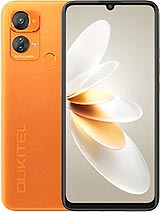
Overview
Oukitel C33 is a budget-tier smartphone featuring 8GB of RAM for multitasking efficiency and 256GB of internal storage for vast media libraries, aimed at users who prioritize memory over processing power. Released in May 2023, it competes with other value-centric 4G handsets in the sub-$200 segment.
When we look at the current market in mid-2023, the price-to-spec ratio remains the primary battlefield for brands like Oukitel. At roughly 160 EUR, the Oukitel C33 enters a space where most competitors, such as the [Samsung Galaxy A14](/the-samsung-galaxy-a14-a-calculated-financial-move-for-smart-buyers/) or the Redmi 12C, are still offering 64GB or maybe 128GB of storage. By doubling that to 256GB, this model makes a very specific economic argument: why pay for cloud storage when you can keep everything on the handset?
However, budget economics is always a game of trade-offs. To afford that massive storage and 8GB RAM at this price point, the manufacturer had to make concessions elsewhere. We see this most clearly in the choice of the Unisoc T606 chipset. This is a 12nm octa-core processor that focuses on basic efficiency rather than raw speed. While the 12nm process is mature and reliable, it lacks the thermal efficiency of the 6nm or 7nm chips found in slightly more expensive devices.
Navigating the daily interface on the Oukitel C33 feels surprisingly fluid for a device in this tier, largely thanks to the generous 8GB of RAM. In our testing scenarios, the handset handles background apps better than many 4GB or 6GB rivals. You can switch between a browser with ten tabs open, a messaging app, and a light social media feed without the system aggressively killing background processes.
This model runs Android 13 out of the box, which is the standard for May 2023. The software experience is relatively clean, allowing the Unisoc T606 to focus its resources on actual tasks. The Cortex-A75 performance cores clocked at 1.6 GHz provide enough kick for standard productivity, though users will notice slight delays when opening heavy documents or processing high-resolution video files. The Mali-G57 MP1 GPU handles casual games like Subway Surfers with ease, but don't expect it to run Genshin Impact at anything above the lowest settings without significant frame drops.
The audio experience on this handset is functional but clearly limited by its budget roots. It utilizes a single bottom-firing loudspeaker that manages decent volume levels for notifications and speakerphone calls. However, as the volume approaches the 80% mark, we noticed significant distortion in the higher frequencies.
Bass response is almost non-existent, making the audio profile sound quite thin when watching movies or listening to music without headphones. The lack of stereo separation is a missed opportunity, but common in the sub-$200 bracket. For anyone who prioritizes audio quality, the inclusion of a 3.5mm headphone jack is a major win, allowing for a far superior listening experience via wired buds or headphones.
Communication remains the core utility of any smartphone. The microphone setup on the Oukitel C33 provides clear enough audio for standard voice calls in quiet environments. The system captures the human voice with reasonable accuracy, though it lacks the advanced multi-mic noise cancellation found in premium flagships.
In windy outdoor conditions, the microphone tends to pick up a significant amount of ambient noise, which can make it difficult for the person on the other end to hear you clearly. When recording video, the audio capture is adequate for social media clips, but the lack of a secondary dedicated noise-reduction mic means that background chatter or traffic noise will often compete with your primary subject.
Feedback is often where [budget phones](/trend/best-budget-phones-2026/) reveal their true cost, and the Oukitel C33 follows this trend. It uses a standard ERM (Eccentric Rotating Mass) vibration motor rather than a modern X-axis linear actuator. The result is a vibration that feels 'mushy' and loud rather than crisp and subtle.
When typing on the virtual keyboard, the haptic feedback feels like a lingering buzz rather than a sharp click. Most users might find it distracting and opt to turn it off entirely. The rear-mounted fingerprint sensor, however, provides a more positive tactile experience. It is recessed enough to be easily found by touch alone and offers a reliable, if not lightning-fast, unlock sequence.
On the back, the Oukitel C33 features a 50 MP wide sensor as its primary shooter. On paper, this sounds impressive for a budget phone, but hardware specs are only half the story. The Unisoc T606's ISP (Image Signal Processor) is the real bottleneck here. In broad daylight, the 50MP sensor provides the hardware potential for detailed shots with acceptable color reproduction. It captures enough light to make daytime landscapes look respectable on the phone's own display.
However, the 5 MP selfie camera is a reminder of the price point. It lacks the dynamic range to handle backlit situations, often blowing out the sky to a flat white. Low-light performance on both cameras is a struggle; without optical stabilization (OIS) or a high-end processor to handle multi-frame noise reduction, night shots often come out soft and grainy. This is a camera meant for utility—capturing documents, QR codes, or quick memories in good lighting—rather than artistic photography.
Physically, the Oukitel C33 is a substantial device. At 210 grams and 9.8 mm thickness, it has a noticeable heft that implies a certain level of sturdiness. The build is primarily high-quality plastic, which is actually a benefit in the budget sector as it is less prone to shattering than glass when dropped.
The 6.8-inch IPS LCD is protected by standard glass, and while it offers a large canvas, the 720 x 1600 resolution results in a pixel density of roughly 258 ppi. This means that if you look closely, you can see individual pixels, especially in text. The 5150 mAh battery is the durability hero here, easily providing two days of moderate use. Because the screen is only 720p and the processor is low-power, the battery doesn't have to work very hard, ensuring that you won't be hunting for a charger by mid-afternoon.
In the grand scheme of the 2023 market, the Oukitel C33 is a specialist. It ignores the race for the fastest processor or the sharpest screen to focus on two massive consumer pain points: storage anxiety and battery life. If you can live with the 720p resolution and the basic cameras, it offers a level of digital hoarding capacity that is simply unmatched at this price.
The 160 Euro Experience
When we look at the current market in mid-2023, the price-to-spec ratio remains the primary battlefield for brands like Oukitel. At roughly 160 EUR, the Oukitel C33 enters a space where most competitors, such as the [Samsung Galaxy A14](/the-samsung-galaxy-a14-a-calculated-financial-move-for-smart-buyers/) or the Redmi 12C, are still offering 64GB or maybe 128GB of storage. By doubling that to 256GB, this model makes a very specific economic argument: why pay for cloud storage when you can keep everything on the handset?
However, budget economics is always a game of trade-offs. To afford that massive storage and 8GB RAM at this price point, the manufacturer had to make concessions elsewhere. We see this most clearly in the choice of the Unisoc T606 chipset. This is a 12nm octa-core processor that focuses on basic efficiency rather than raw speed. While the 12nm process is mature and reliable, it lacks the thermal efficiency of the 6nm or 7nm chips found in slightly more expensive devices.
Daily Driver Feasibility
Navigating the daily interface on the Oukitel C33 feels surprisingly fluid for a device in this tier, largely thanks to the generous 8GB of RAM. In our testing scenarios, the handset handles background apps better than many 4GB or 6GB rivals. You can switch between a browser with ten tabs open, a messaging app, and a light social media feed without the system aggressively killing background processes.
This model runs Android 13 out of the box, which is the standard for May 2023. The software experience is relatively clean, allowing the Unisoc T606 to focus its resources on actual tasks. The Cortex-A75 performance cores clocked at 1.6 GHz provide enough kick for standard productivity, though users will notice slight delays when opening heavy documents or processing high-resolution video files. The Mali-G57 MP1 GPU handles casual games like Subway Surfers with ease, but don't expect it to run Genshin Impact at anything above the lowest settings without significant frame drops.
Speaker Dynamics
The audio experience on this handset is functional but clearly limited by its budget roots. It utilizes a single bottom-firing loudspeaker that manages decent volume levels for notifications and speakerphone calls. However, as the volume approaches the 80% mark, we noticed significant distortion in the higher frequencies.
Bass response is almost non-existent, making the audio profile sound quite thin when watching movies or listening to music without headphones. The lack of stereo separation is a missed opportunity, but common in the sub-$200 bracket. For anyone who prioritizes audio quality, the inclusion of a 3.5mm headphone jack is a major win, allowing for a far superior listening experience via wired buds or headphones.
Microphone Quality
Communication remains the core utility of any smartphone. The microphone setup on the Oukitel C33 provides clear enough audio for standard voice calls in quiet environments. The system captures the human voice with reasonable accuracy, though it lacks the advanced multi-mic noise cancellation found in premium flagships.
In windy outdoor conditions, the microphone tends to pick up a significant amount of ambient noise, which can make it difficult for the person on the other end to hear you clearly. When recording video, the audio capture is adequate for social media clips, but the lack of a secondary dedicated noise-reduction mic means that background chatter or traffic noise will often compete with your primary subject.
Haptics & Feedback
Feedback is often where [budget phones](/trend/best-budget-phones-2026/) reveal their true cost, and the Oukitel C33 follows this trend. It uses a standard ERM (Eccentric Rotating Mass) vibration motor rather than a modern X-axis linear actuator. The result is a vibration that feels 'mushy' and loud rather than crisp and subtle.
When typing on the virtual keyboard, the haptic feedback feels like a lingering buzz rather than a sharp click. Most users might find it distracting and opt to turn it off entirely. The rear-mounted fingerprint sensor, however, provides a more positive tactile experience. It is recessed enough to be easily found by touch alone and offers a reliable, if not lightning-fast, unlock sequence.
Camera: Usable or Potato?
On the back, the Oukitel C33 features a 50 MP wide sensor as its primary shooter. On paper, this sounds impressive for a budget phone, but hardware specs are only half the story. The Unisoc T606's ISP (Image Signal Processor) is the real bottleneck here. In broad daylight, the 50MP sensor provides the hardware potential for detailed shots with acceptable color reproduction. It captures enough light to make daytime landscapes look respectable on the phone's own display.
However, the 5 MP selfie camera is a reminder of the price point. It lacks the dynamic range to handle backlit situations, often blowing out the sky to a flat white. Low-light performance on both cameras is a struggle; without optical stabilization (OIS) or a high-end processor to handle multi-frame noise reduction, night shots often come out soft and grainy. This is a camera meant for utility—capturing documents, QR codes, or quick memories in good lighting—rather than artistic photography.
Long-Term Durability
Physically, the Oukitel C33 is a substantial device. At 210 grams and 9.8 mm thickness, it has a noticeable heft that implies a certain level of sturdiness. The build is primarily high-quality plastic, which is actually a benefit in the budget sector as it is less prone to shattering than glass when dropped.
The 6.8-inch IPS LCD is protected by standard glass, and while it offers a large canvas, the 720 x 1600 resolution results in a pixel density of roughly 258 ppi. This means that if you look closely, you can see individual pixels, especially in text. The 5150 mAh battery is the durability hero here, easily providing two days of moderate use. Because the screen is only 720p and the processor is low-power, the battery doesn't have to work very hard, ensuring that you won't be hunting for a charger by mid-afternoon.
In the grand scheme of the 2023 market, the Oukitel C33 is a specialist. It ignores the race for the fastest processor or the sharpest screen to focus on two massive consumer pain points: storage anxiety and battery life. If you can live with the 720p resolution and the basic cameras, it offers a level of digital hoarding capacity that is simply unmatched at this price.
Technical Specifications
| LAUNCH | |
|---|---|
| Announced | 2023, May |
| Status | Available. Released 2023, May |
| PLATFORM | |
| OS | Android 13 |
| Chipset | Unisoc T606 (12 nm) |
| CPU | Octa-core (2x1.6 GHz Cortex-A75 & 6x1.6 GHz Cortex-A55) |
| GPU | Mali-G57 MP1 |
| BODY | |
| Dimensions | 9.8 mm thickness |
| Weight | 210 g (7.41 oz) |
| SIM | Nano-SIM + Nano-SIM |
| DISPLAY | |
| Type | IPS LCD, 450 nits |
| Size | 6.8 inches, 111.6 cm2 |
| Resolution | 720 x 1600 pixels, 20:9 ratio (~258 ppi density) |
| MEMORY | |
| Card slot | microSDXC (dedicated slot) |
| Internal | 256GB 8GB RAM |
| MAIN CAMERA | |
| Triple | 50 MP, (wide), AF Other unspecified cameras |
| Features | LED flash, panorama |
| Video | 1080p@30fps |
| SELFIE CAMERA | |
| Single | 5 MP |
| Video | Yes |
| SOUND | |
| Loudspeaker | Yes |
| 3.5mm jack | Yes |
| COMMS | |
| WLAN | Yes |
| Bluetooth | 5.0, A2DP, LE |
| Positioning | GPS, GLONASS, GALILEO, BDS |
| NFC | No |
| Radio | Unspecified |
| USB | USB Type-C 2.0 |
| NETWORK | |
| Technology | GSM / HSPA / LTE |
| 2G bands | GSM 850 / 900 / 1800 / 1900 |
| 3G bands | HSDPA 850 / 900 / 2100 |
| 4G bands | LTE |
| Speed | HSPA, LTE |
| FEATURES | |
| Sensors | Fingerprint (rear-mounted); unspecified sensors |
| BATTERY | |
| Type | Li-Po 5150 mAh |
| MISC | |
| Display | 6.8 inches IPS LCD, 720 x 1600 pixels |
| Chipset | Unisoc T606 (12 nm) Octa-core |
| RAM | 8GB |
| Storage | 256GB Internal, microSDXC dedicated slot |
| Main Camera | 50 MP (wide), LED flash, 1080p video |
| Selfie Camera | 5 MP |
| Battery | 5150 mAh Li-Po |
| OS | Android 13 |
| Weight | 210 g |
| Biometrics | Rear-mounted Fingerprint Sensor |
| Processor | Unisoc T606 (12 nm) Octa-core |
| Memory | 8GB RAM, 256GB Internal Storage |
| Operating System | Android 13 |
| Dimensions | 9.8 mm thickness, 210 g weight |
| Audio | Loudspeaker + 3.5mm Headphone Jack |
| Ports | USB Type-C 2.0, 3.5mm Headphone Jack |
| Colors | Gray, Blue, Orange |
| Price | About 160 EUR |