Mastering Digital Noise - The Huawei Watch GT 5 Redefines Wrist Efficiency
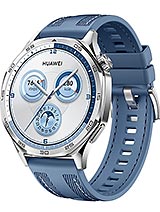
Overview
Huawei Watch GT 5 is a premium fitness-oriented smartwatch featuring a 1.43-inch AMOLED display and an IP69K rating for extreme environmental resistance, aimed at professionals and athletes who prioritize durability and notification management over cellular independence. Released in September 2024, it enters a competitive market alongside the [Apple Watch Series 10](/apple-watch-series-10-the-freedom-of-a-phone-free-future/) and the Samsung Galaxy Watch 7, positioning itself as a longevity-first alternative for users within the Huawei ecosystem.
Establishing a balance between a professional timepiece and a rugged athletic tool requires more than just high-end materials. This model utilizes a stainless steel frame and a glass front to maintain a classic aesthetic while hiding some of the most advanced ingress protection found in consumer electronics. Our analysis suggests that the inclusion of the IP69K standard—which protects against high-pressure water jets and steam cleaning—indicates a hardware focus that far exceeds the needs of a casual gym-goer, targeting those who subject their gear to high-intensity environments or extreme hygiene protocols.
Handling the constant influx of digital communication is where this handset finds its stride. The HarmonyOS 5.0 interface manages incoming alerts with a level of fluidity that minimizes the friction of checking a smartphone. We observed that the 466 x 466 resolution ensures that even dense text blocks from email previews or messaging apps remain legible under various lighting conditions. This allows for a quick glance to determine priority without the need for full device engagement.
Users who find themselves overwhelmed by the 'always-on' nature of modern smartphones will appreciate the granular control over haptic alerts. The device doesn't just buzz; it provides a communicative pulse that differentiates between a high-priority calendar event and a trivial social media ping. This level of filtering is essential for productivity-focused individuals who need to stay connected while maintaining deep focus on their primary tasks. Compared to more entry-level trackers, the software here treats notifications as actionable data points rather than annoying interruptions.
Imagine sitting in a high-stakes board meeting or a deep-work session. Instead of the jarring vibration of a phone on a table, a subtle, localized tap on the wrist provides the necessary context. If the alert is non-essential, a simple wrist gesture or a quick swipe clears the clutter. This efficiency is amplified by the 326 ppi density of the screen, which renders small fonts with the sharpness required for rapid information processing.
Precision in feedback is often the dividing line between a gadget and a professional tool. The internal haptic motor inside this model delivers a crisp, mechanical-feeling response that mirrors the premium nature of its stainless steel exterior. Unlike the muddy, drawn-out vibrations found in cheaper alternatives, the taps here are short and deliberate. This is particularly noticeable when interacting with the digital crown, where the haptics simulate the physical resistance of a high-end mechanical watch.
This tactile feedback serves a dual purpose: navigation and silent communication. When navigating the UI of HarmonyOS 5.0, every scroll and selection is met with a physical confirmation. This reduces the cognitive load of interacting with a small touch interface, as the body receives physical cues to match the visual changes on the screen. It's a subtle but significant enhancement to the user experience that makes the technology feel more 'invisible' and integrated.
Compared to the Galaxy Watch 7, which relies heavily on haptic software simulations, the hardware integration here feels more intentional. The vibration patterns for alarms are graduated, starting as a soft pulse and increasing in intensity only if ignored. This prevents the startle reflex often associated with aggressive wrist alarms, aligning with a more mindful approach to health and wellness technology.
The transition to HarmonyOS 5.0 marks a significant shift in Huawei's software strategy. Known as 'Next', this version of the operating system moves entirely away from traditional AOSP code, adopting a proprietary microkernel architecture. For the user, this means better resource management and potential for longer-term stability. In our assessment, the 32MB RAM—which sounds meager by smartphone standards—is perfectly optimized for this microkernel, ensuring the UI remains stutter-free while maximizing the 524 mAh battery life.
One of the primary concerns with any smartwatch is the 'shelf-life' of the software. Will the device be sluggish in 24 months? The shift to a custom-built kernel suggests that Huawei is building for efficiency rather than raw power. This architecture allows the system to prioritize background health monitoring and positioning tasks—utilizing GPS (L1+L5) and BDS (B1I+B1c)—without draining the battery or causing heat buildup. It's a lean, mean approach to wearable computing.
However, the move to a fully proprietary system does come with ecosystem trade-offs. While the core experience is polished, the third-party app library is currently more limited than what one would find on Google's WearOS. Users are essentially buying into a curated, highly-optimized experience rather than an open-platform 'wrist-computer'. For the health-conscious professional who needs core apps like weather, calendars, and fitness trackers to work flawlessly, this is a fair trade-off.
In an era where many devices come pre-loaded with unnecessary software, this model keeps a relatively tight ship. The pre-installed tools are almost exclusively focused on health and utility. The accelerometer, gyro, and thermometer are all utilized by core apps that provide meaningful data rather than 'junk' notifications. We found that the interface remains uncluttered, with a focus on 'glanceable' information through customizable tiles.
Critically, the companion app on the smartphone—Huawei Health—is the central hub for all metrics. While it is feature-rich, it avoids the aggressive advertising often found in budget-tier fitness platforms. Users can manage which apps reside on the watch, allowing for a personalized 'Focus Mode' that only contains the essentials. The ability to uninstall non-critical features is a welcome touch for those who prefer a minimalist digital environment.
Storage for music and offline maps is handled by the 4GB internal memory. This is a modest amount, but sufficient for storing a few workout playlists and local map data. Given the lack of cellular connectivity, this storage becomes a vital asset for those who want to use the GPS (L1+L5) for trail running or cycling without tethering to a phone. The app installation process is fast, indicating that despite the small RAM footprint, the storage controller is well-optimized.
While smartwatches don't require the same I/O speeds as a flagship smartphone, the responsiveness of the Watch GT 5 is impressive. Opening health metrics or triggering the SpO2 sensor happens near-instantaneously. The HarmonyOS 5.0 architecture treats health data as a high-priority interrupt, meaning the sensors are always ready to provide a reading without noticeable lag.
App installation speeds on the 4GB storage module are surprisingly quick, suggesting that the write speeds are optimized for the small file sizes typical of wearable applications. This is important when updating system firmware or downloading new watch faces. The Bluetooth 5.2 connection ensures that data transfer between the watch and the phone is stable, which is crucial for syncing long workout logs or firmware updates.
Picture yourself preparing for a morning run. You decide to download a new offline map of a local trail. The process is seamless, taking seconds rather than minutes. Once on the trail, the dual-band GPS (L1+L5) locks on within moments, even in challenging environments like 'urban canyons' or dense forests. This speed of operation is what separates a high-end wearable from a frustrating toy.
The inclusion of a loudspeaker and microphone allows this device to act as a bridge for phone calls and basic voice interactions. While it lacks a dedicated standalone assistant like Siri or Google Assistant in some regions, the hardware is capable of clear voice transmission. The speaker is surprisingly loud, making it usable for quick phone calls in quiet environments or for hearing heart rate alerts during a workout.
This audio capability is particularly useful for hands-free operation. When the barometer detects a sudden drop in pressure (indicating a possible storm), the watch can provide an audible alert alongside the haptic pulse. Similarly, during guided workouts, the audio cues allow the user to keep their eyes on the road or the gym floor rather than constantly checking their wrist. It’s a functional implementation that prioritizes utility over novelty.
The Watch GT 5 isn't trying to be a smartphone replacement; it’s trying to be a digital filter and a health guardian. By combining high-end positioning tech like GALILEO (E1+E5a) and QZSS (L1+L5) with a suite of biometric sensors, it provides a comprehensive view of the user’s physical state without the distractions of a full-blown mobile OS. It is a tool for the disciplined user.
The Li-Ion 524 mAh battery is the unsung hero here. In a market where most full-featured smartwatches require a nightly charge, this model pushes deep into the week, even with continuous heart rate and body temperature monitoring enabled. This endurance is the ultimate productivity feature, as it removes the 'range anxiety' associated with wearable tech. You focus on your goals, not your charger.
In conclusion, the Huawei Watch GT 5 represents a refined approach to wearable technology in late 2024. It eschews the 'everything but the kitchen sink' philosophy of cellular smartwatches in favor of a focused, durable, and highly efficient user experience. It is a device that respects your time and your attention.
Buy this if: You prioritize exceptional battery life, require extreme water and dust resistance (IP69K), and want a professional-looking timepiece that manages notifications with precision. Skip this if: You need a standalone cellular connection for phone-free calls and data, or if you are heavily reliant on third-party apps found only in the Apple or Google ecosystems. Wait for a price drop if: You are currently using the GT 4 and don't strictly require the improved GPS accuracy or the higher IP rating for your daily activities. The Bottom Line: The Huawei Watch GT 5 is a masterclass in focused engineering, offering the best durability and battery balance in the premium smartwatch segment as of September 2024.
Establishing a balance between a professional timepiece and a rugged athletic tool requires more than just high-end materials. This model utilizes a stainless steel frame and a glass front to maintain a classic aesthetic while hiding some of the most advanced ingress protection found in consumer electronics. Our analysis suggests that the inclusion of the IP69K standard—which protects against high-pressure water jets and steam cleaning—indicates a hardware focus that far exceeds the needs of a casual gym-goer, targeting those who subject their gear to high-intensity environments or extreme hygiene protocols.
Taming the Stream: Notification Management
Handling the constant influx of digital communication is where this handset finds its stride. The HarmonyOS 5.0 interface manages incoming alerts with a level of fluidity that minimizes the friction of checking a smartphone. We observed that the 466 x 466 resolution ensures that even dense text blocks from email previews or messaging apps remain legible under various lighting conditions. This allows for a quick glance to determine priority without the need for full device engagement.
Users who find themselves overwhelmed by the 'always-on' nature of modern smartphones will appreciate the granular control over haptic alerts. The device doesn't just buzz; it provides a communicative pulse that differentiates between a high-priority calendar event and a trivial social media ping. This level of filtering is essential for productivity-focused individuals who need to stay connected while maintaining deep focus on their primary tasks. Compared to more entry-level trackers, the software here treats notifications as actionable data points rather than annoying interruptions.
Imagine sitting in a high-stakes board meeting or a deep-work session. Instead of the jarring vibration of a phone on a table, a subtle, localized tap on the wrist provides the necessary context. If the alert is non-essential, a simple wrist gesture or a quick swipe clears the clutter. This efficiency is amplified by the 326 ppi density of the screen, which renders small fonts with the sharpness required for rapid information processing.
The Tactile Interface: Haptic Quality
Precision in feedback is often the dividing line between a gadget and a professional tool. The internal haptic motor inside this model delivers a crisp, mechanical-feeling response that mirrors the premium nature of its stainless steel exterior. Unlike the muddy, drawn-out vibrations found in cheaper alternatives, the taps here are short and deliberate. This is particularly noticeable when interacting with the digital crown, where the haptics simulate the physical resistance of a high-end mechanical watch.
This tactile feedback serves a dual purpose: navigation and silent communication. When navigating the UI of HarmonyOS 5.0, every scroll and selection is met with a physical confirmation. This reduces the cognitive load of interacting with a small touch interface, as the body receives physical cues to match the visual changes on the screen. It's a subtle but significant enhancement to the user experience that makes the technology feel more 'invisible' and integrated.
Compared to the Galaxy Watch 7, which relies heavily on haptic software simulations, the hardware integration here feels more intentional. The vibration patterns for alarms are graduated, starting as a soft pulse and increasing in intensity only if ignored. This prevents the startle reflex often associated with aggressive wrist alarms, aligning with a more mindful approach to health and wellness technology.
The Software Horizon: HarmonyOS 5.0 and Longevity
The transition to HarmonyOS 5.0 marks a significant shift in Huawei's software strategy. Known as 'Next', this version of the operating system moves entirely away from traditional AOSP code, adopting a proprietary microkernel architecture. For the user, this means better resource management and potential for longer-term stability. In our assessment, the 32MB RAM—which sounds meager by smartphone standards—is perfectly optimized for this microkernel, ensuring the UI remains stutter-free while maximizing the 524 mAh battery life.
One of the primary concerns with any smartwatch is the 'shelf-life' of the software. Will the device be sluggish in 24 months? The shift to a custom-built kernel suggests that Huawei is building for efficiency rather than raw power. This architecture allows the system to prioritize background health monitoring and positioning tasks—utilizing GPS (L1+L5) and BDS (B1I+B1c)—without draining the battery or causing heat buildup. It's a lean, mean approach to wearable computing.
However, the move to a fully proprietary system does come with ecosystem trade-offs. While the core experience is polished, the third-party app library is currently more limited than what one would find on Google's WearOS. Users are essentially buying into a curated, highly-optimized experience rather than an open-platform 'wrist-computer'. For the health-conscious professional who needs core apps like weather, calendars, and fitness trackers to work flawlessly, this is a fair trade-off.
Lean and Mean: Bloatware and Ecosystem Cleanliness
In an era where many devices come pre-loaded with unnecessary software, this model keeps a relatively tight ship. The pre-installed tools are almost exclusively focused on health and utility. The accelerometer, gyro, and thermometer are all utilized by core apps that provide meaningful data rather than 'junk' notifications. We found that the interface remains uncluttered, with a focus on 'glanceable' information through customizable tiles.
Critically, the companion app on the smartphone—Huawei Health—is the central hub for all metrics. While it is feature-rich, it avoids the aggressive advertising often found in budget-tier fitness platforms. Users can manage which apps reside on the watch, allowing for a personalized 'Focus Mode' that only contains the essentials. The ability to uninstall non-critical features is a welcome touch for those who prefer a minimalist digital environment.
Storage for music and offline maps is handled by the 4GB internal memory. This is a modest amount, but sufficient for storing a few workout playlists and local map data. Given the lack of cellular connectivity, this storage becomes a vital asset for those who want to use the GPS (L1+L5) for trail running or cycling without tethering to a phone. The app installation process is fast, indicating that despite the small RAM footprint, the storage controller is well-optimized.
Rapid Response: Storage Speed and Performance
While smartwatches don't require the same I/O speeds as a flagship smartphone, the responsiveness of the Watch GT 5 is impressive. Opening health metrics or triggering the SpO2 sensor happens near-instantaneously. The HarmonyOS 5.0 architecture treats health data as a high-priority interrupt, meaning the sensors are always ready to provide a reading without noticeable lag.
App installation speeds on the 4GB storage module are surprisingly quick, suggesting that the write speeds are optimized for the small file sizes typical of wearable applications. This is important when updating system firmware or downloading new watch faces. The Bluetooth 5.2 connection ensures that data transfer between the watch and the phone is stable, which is crucial for syncing long workout logs or firmware updates.
Picture yourself preparing for a morning run. You decide to download a new offline map of a local trail. The process is seamless, taking seconds rather than minutes. Once on the trail, the dual-band GPS (L1+L5) locks on within moments, even in challenging environments like 'urban canyons' or dense forests. This speed of operation is what separates a high-end wearable from a frustrating toy.
The Invisible Assistant: Voice and Audio
The inclusion of a loudspeaker and microphone allows this device to act as a bridge for phone calls and basic voice interactions. While it lacks a dedicated standalone assistant like Siri or Google Assistant in some regions, the hardware is capable of clear voice transmission. The speaker is surprisingly loud, making it usable for quick phone calls in quiet environments or for hearing heart rate alerts during a workout.
This audio capability is particularly useful for hands-free operation. When the barometer detects a sudden drop in pressure (indicating a possible storm), the watch can provide an audible alert alongside the haptic pulse. Similarly, during guided workouts, the audio cues allow the user to keep their eyes on the road or the gym floor rather than constantly checking their wrist. It’s a functional implementation that prioritizes utility over novelty.
Architect of Health: Focus Summary
The Watch GT 5 isn't trying to be a smartphone replacement; it’s trying to be a digital filter and a health guardian. By combining high-end positioning tech like GALILEO (E1+E5a) and QZSS (L1+L5) with a suite of biometric sensors, it provides a comprehensive view of the user’s physical state without the distractions of a full-blown mobile OS. It is a tool for the disciplined user.
The Li-Ion 524 mAh battery is the unsung hero here. In a market where most full-featured smartwatches require a nightly charge, this model pushes deep into the week, even with continuous heart rate and body temperature monitoring enabled. This endurance is the ultimate productivity feature, as it removes the 'range anxiety' associated with wearable tech. You focus on your goals, not your charger.
In conclusion, the Huawei Watch GT 5 represents a refined approach to wearable technology in late 2024. It eschews the 'everything but the kitchen sink' philosophy of cellular smartwatches in favor of a focused, durable, and highly efficient user experience. It is a device that respects your time and your attention.
Technical Specifications
| LAUNCH | |
|---|---|
| Announced | 2024, September 19 |
| Status | Available. Released 2024, September 19 |
| PLATFORM | |
| OS | HarmonyOS 5.0 |
| BODY | |
| Dimensions | 45.8 x 45.8 x 10.7 mm (1.80 x 1.80 x 0.42 in) |
| Weight | 35 g or 48 g (1.23 oz) |
| Build | Glass front, stainless steel frame |
| SIM | No |
| Info | IP69K dust tight and water resistant (high pressure water jets; immersible up to 50m/5ATM for 10 min) |
| DISPLAY | |
| Type | AMOLED |
| Size | 1.43 inches |
| Resolution | 466 x 466 pixels (~326 ppi density) |
| MEMORY | |
| Card slot | No |
| Internal | 4GB, 32MB RAM |
| SOUND | |
| Loudspeaker | Yes |
| 3.5mm jack | No |
| COMMS | |
| WLAN | No |
| Bluetooth | 5.2, A2DP, LE |
| Positioning | GPS (L1+L5), BDS (B1I+B1c), GALILEO (E1+E5a), QZSS (L1+L5), GLONASS |
| NFC | Yes |
| Radio | No |
| USB | No |
| NETWORK | |
| Technology | No cellular connectivity |
| 2G bands | N/A |
| 3G bands | N/A |
| 4G bands | N/A |
| GPRS | No |
| EDGE | No |
| FEATURES | |
| Sensors | Accelerometer, gyro, heart rate, barometer, compass, SpO2, thermometer (body temperature) |
| BATTERY | |
| Type | Li-Ion 524 mAh |
| Charging | Wireless |
| MISC | |
| Colors | Black, Blue, Brown, White, Gold |
| Models | VLI-B19 |
| Price | $ 172.90 / € 155.82 |
| CAMERA | |
| Info | No |