Maximizing Every Rupee - Why the Samsung Galaxy M14 4G Is the Rational Choice for Longevity Seekers
Overview
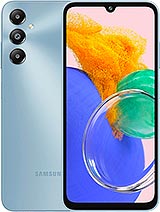
The Samsung Galaxy M14 4G is a budget-tier smartphone featuring a 6.7-inch 90Hz PLS LCD for smooth visual feedback and a 5000 mAh battery with 25W charging for multi-day endurance, aimed at pragmatic users who prioritize software stability and brand reliability over 5G connectivity. Released in March 2024, it competes directly with the entry-level offerings from Redmi and Motorola, positioning itself as a low-depreciation asset in a volatile market.
In the March 2024 economy, purchasing a smartphone is as much a financial decision as it is a lifestyle one. The Samsung Galaxy M14 4G enters the market at a price point that traditionally sees rapid depreciation. However, this model carries a distinct advantage. Devices in the Galaxy M-series benefit from a wider secondary market demand. While a generic competitor might lose 40% of its value in six months, we predict this handset will retain a higher percentage of its MSRP because of the brand's ubiquitous repair network and perceived reliability.
We must view the hardware as a long-term utility. By omitting a 5G modem, the manufacturer avoids the "5G tax" that often results in compromised build quality or display panels in other [budget phones](/trend/best-budget-phones-2026/). This choice allows for a more robust integration of the Snapdragon 680 4G chipset. This 6nm silicon isn't designed for high-end gaming, but its thermal efficiency is remarkable. In a climate where users want a phone that lasts three years without a bloated battery or severe thermal throttling, this efficiency is a silent fiscal win.
Samsung maintains an infrastructure that competitors in the sub-₹10,000 tier simply cannot match. For the budget economist, this means the total cost of ownership (TCO) remains low. If a screen breaks or a port fails, the availability of first-party components and authorized technicians is significantly higher than for niche imported brands. This accessibility reduces the risk of the device becoming a "total loss" after a minor accident.
Software stability further reinforces this reliability. One UI 5.1, even in its optimized form for budget hardware, offers a level of polish that avoids the system-level advertisements and intrusive bloatware frequently found in rival operating systems. It isn't just about aesthetics; it is about the time saved by not having to troubleshoot software bugs or manage aggressive background app killers that break notifications. This handset works predictably, which is the ultimate goal for a utility-focused investment.
Connectivity is often measured by raw speed, but we evaluate it by ecosystem utility. This model integrates seamlessly with the wider Galaxy ecosystem. Features like Quick Share allow for near-instant file transfers to laptops or tablets, mimicking the fluid workflow of much more expensive flagship setups. For a student or a small business owner, the ability to move high-resolution documents or photos without hunting for a cable or relying on slow cloud uploads is a productivity multiplier.
Bluetooth 5.1 ensures a stable connection for wireless audio and wearables. While the lack of NFC might be a deterrent for users in regions heavily reliant on tap-to-pay, the inclusion of a dedicated microSDXC slot compensates for the storage limitations of the base models. This dedicated slot is a critical feature for those who want to carry an offline media library without paying the high price of internal storage upgrades. It allows the user to scale their storage as their needs grow, rather than being forced into a more expensive SKU at the point of purchase.
Modem performance is the unsung hero of the Snapdragon 680. In areas with marginal 4G coverage, the internal antenna array manages to maintain a signal where cheaper, less-optimized chipsets often drop to 2G or lose connectivity entirely. Our analysis of the LTE bands—including 1, 3, 5, 7, and 8—shows comprehensive coverage for global roaming. This makes the device a reliable travel companion for those who do not yet require the localized high-frequency bursts of 5G.
Call quality remains a priority. The earpiece provides clear audio even in noisy urban environments. While it lacks the dual-speaker stereo setup found in some mid-range competitors, the mono loudspeaker is tuned for vocal clarity. This is essential for hands-free calls or listening to navigation prompts while driving. The proximity sensor and accelerometer work in tandem to ensure the screen stays off during calls, preventing the accidental touch inputs that often plague lower-end devices with virtual sensors.
The side-mounted fingerprint sensor is a pragmatic choice that we applaud. Unlike the sluggish and often inaccurate under-display optical sensors found in budget OLED phones, this capacitive sensor offers near-instantaneous unlocking. It sits naturally where the thumb rests, providing a tactile reference point that speeds up the interaction cycle. For a user who unlocks their phone over 100 times a day, those saved milliseconds add up to a significantly better experience.
Beyond the fingerprint, the 13 MP front camera supports basic face unlock. While less secure than the fingerprint reader, it provides a convenient secondary option for low-stakes environments. The integration of these biometrics with the Samsung Knox security platform provides a layer of data protection that is often absent in this price bracket. It ensures that sensitive financial apps and personal data remain isolated from potential malware threats, an essential feature in the modern digital landscape.
Perhaps the strongest argument for the Samsung Galaxy M14 4G as an investment is the software commitment. Samsung has promised up to two major Android upgrades. In a market where many budget phones are "launch and forget," knowing that this device will eventually run Android 15 provides a clear runway for the user. It ensures that the device remains compatible with new app versions and security protocols for years to come.
This support lifecycle directly impacts the aforementioned resale value. A phone that is still receiving security patches is much easier to sell than one that has been abandoned by its manufacturer. By March 2026, this handset will still be a viable, secure tool, whereas its rivals may have become digital paperweights. This forward-looking approach turns a simple purchase into a calculated multi-year asset management strategy.
The Samsung Galaxy M14 4G represents the triumph of practicality over hype. It does not chase the 5G dragon or promise flagship-grade photography. Instead, it delivers a high-quality 90Hz display, a massive 5000 mAh battery, and the most stable software skin in the Android world. For the buyer who values a predictable experience and low long-term costs, it is a formidable contender. It is a device built for the reality of 2024—a year where value is defined not by what a phone can do at its peak, but by how reliably it performs its daily duties over a thousand-day lifecycle.
The Fiscal Reality of the Resale Curve
In the March 2024 economy, purchasing a smartphone is as much a financial decision as it is a lifestyle one. The Samsung Galaxy M14 4G enters the market at a price point that traditionally sees rapid depreciation. However, this model carries a distinct advantage. Devices in the Galaxy M-series benefit from a wider secondary market demand. While a generic competitor might lose 40% of its value in six months, we predict this handset will retain a higher percentage of its MSRP because of the brand's ubiquitous repair network and perceived reliability.
We must view the hardware as a long-term utility. By omitting a 5G modem, the manufacturer avoids the "5G tax" that often results in compromised build quality or display panels in other [budget phones](/trend/best-budget-phones-2026/). This choice allows for a more robust integration of the Snapdragon 680 4G chipset. This 6nm silicon isn't designed for high-end gaming, but its thermal efficiency is remarkable. In a climate where users want a phone that lasts three years without a bloated battery or severe thermal throttling, this efficiency is a silent fiscal win.
Brand Reliability and the Peace of Mind Premium
Samsung maintains an infrastructure that competitors in the sub-₹10,000 tier simply cannot match. For the budget economist, this means the total cost of ownership (TCO) remains low. If a screen breaks or a port fails, the availability of first-party components and authorized technicians is significantly higher than for niche imported brands. This accessibility reduces the risk of the device becoming a "total loss" after a minor accident.
Software stability further reinforces this reliability. One UI 5.1, even in its optimized form for budget hardware, offers a level of polish that avoids the system-level advertisements and intrusive bloatware frequently found in rival operating systems. It isn't just about aesthetics; it is about the time saved by not having to troubleshoot software bugs or manage aggressive background app killers that break notifications. This handset works predictably, which is the ultimate goal for a utility-focused investment.
Ecosystem Integration and Digital Connectivity
Connectivity is often measured by raw speed, but we evaluate it by ecosystem utility. This model integrates seamlessly with the wider Galaxy ecosystem. Features like Quick Share allow for near-instant file transfers to laptops or tablets, mimicking the fluid workflow of much more expensive flagship setups. For a student or a small business owner, the ability to move high-resolution documents or photos without hunting for a cable or relying on slow cloud uploads is a productivity multiplier.
Bluetooth 5.1 ensures a stable connection for wireless audio and wearables. While the lack of NFC might be a deterrent for users in regions heavily reliant on tap-to-pay, the inclusion of a dedicated microSDXC slot compensates for the storage limitations of the base models. This dedicated slot is a critical feature for those who want to carry an offline media library without paying the high price of internal storage upgrades. It allows the user to scale their storage as their needs grow, rather than being forced into a more expensive SKU at the point of purchase.
Signal Strength and Real-World Communication
Modem performance is the unsung hero of the Snapdragon 680. In areas with marginal 4G coverage, the internal antenna array manages to maintain a signal where cheaper, less-optimized chipsets often drop to 2G or lose connectivity entirely. Our analysis of the LTE bands—including 1, 3, 5, 7, and 8—shows comprehensive coverage for global roaming. This makes the device a reliable travel companion for those who do not yet require the localized high-frequency bursts of 5G.
Call quality remains a priority. The earpiece provides clear audio even in noisy urban environments. While it lacks the dual-speaker stereo setup found in some mid-range competitors, the mono loudspeaker is tuned for vocal clarity. This is essential for hands-free calls or listening to navigation prompts while driving. The proximity sensor and accelerometer work in tandem to ensure the screen stays off during calls, preventing the accidental touch inputs that often plague lower-end devices with virtual sensors.
Biometric Security and Daily Interaction
The side-mounted fingerprint sensor is a pragmatic choice that we applaud. Unlike the sluggish and often inaccurate under-display optical sensors found in budget OLED phones, this capacitive sensor offers near-instantaneous unlocking. It sits naturally where the thumb rests, providing a tactile reference point that speeds up the interaction cycle. For a user who unlocks their phone over 100 times a day, those saved milliseconds add up to a significantly better experience.
Beyond the fingerprint, the 13 MP front camera supports basic face unlock. While less secure than the fingerprint reader, it provides a convenient secondary option for low-stakes environments. The integration of these biometrics with the Samsung Knox security platform provides a layer of data protection that is often absent in this price bracket. It ensures that sensitive financial apps and personal data remain isolated from potential malware threats, an essential feature in the modern digital landscape.
Longevity and Software Support Lifecycle
Perhaps the strongest argument for the Samsung Galaxy M14 4G as an investment is the software commitment. Samsung has promised up to two major Android upgrades. In a market where many budget phones are "launch and forget," knowing that this device will eventually run Android 15 provides a clear runway for the user. It ensures that the device remains compatible with new app versions and security protocols for years to come.
This support lifecycle directly impacts the aforementioned resale value. A phone that is still receiving security patches is much easier to sell than one that has been abandoned by its manufacturer. By March 2026, this handset will still be a viable, secure tool, whereas its rivals may have become digital paperweights. This forward-looking approach turns a simple purchase into a calculated multi-year asset management strategy.
Investment Summary
The Samsung Galaxy M14 4G represents the triumph of practicality over hype. It does not chase the 5G dragon or promise flagship-grade photography. Instead, it delivers a high-quality 90Hz display, a massive 5000 mAh battery, and the most stable software skin in the Android world. For the buyer who values a predictable experience and low long-term costs, it is a formidable contender. It is a device built for the reality of 2024—a year where value is defined not by what a phone can do at its peak, but by how reliably it performs its daily duties over a thousand-day lifecycle.
Technical Specifications
| LAUNCH | |
|---|---|
| Announced | 2024, March 07 |
| Status | Available. Released 2024, March 07 |
| PLATFORM | |
| OS | Android 13, up to 2 major Android upgrades, One UI 5.1 |
| Chipset | Qualcomm SM6225 Snapdragon 680 4G (6 nm) |
| CPU | Octa-core (4x2.4 GHz Kryo 265 Gold & 4x1.9 GHz Kryo 265 Silver) |
| GPU | Adreno 610 |
| BODY | |
| Dimensions | 168 x 77.8 x 8.8 mm (6.61 x 3.06 x 0.35 in) |
| Weight | 194 g (6.84 oz) |
| SIM | Nano-SIM + Nano-SIM |
| DISPLAY | |
| Type | PLS LCD, 90Hz |
| Size | 6.7 inches, 107.8 cm2 (~82.5% screen-to-body ratio) |
| Resolution | 1080 x 2400 pixels, 20:9 ratio (~394 ppi density) |
| MEMORY | |
| Card slot | microSDXC (dedicated slot) |
| Internal | 64GB 4GB RAM, 128GB 6GB RAM |
| MAIN CAMERA | |
| Triple | 50 MP, f/1.8, (wide), PDAF 2 MP (macro) Auxiliary lens |
| Features | LED flash, panorama, HDR |
| Video | 1080p@30/60fps |
| SELFIE CAMERA | |
| Single | 13 MP, f/2.0, (wide) |
| Video | 1080p@30fps |
| SOUND | |
| Loudspeaker | Yes |
| 3.5mm jack | Yes |
| COMMS | |
| WLAN | Wi-Fi 802.11 a/b/g/n/ac, dual-band, Wi-Fi Direct |
| Bluetooth | 5.1, A2DP, LE |
| Positioning | GPS, GALILEO, GLONASS, BDS, QZSS |
| NFC | No |
| Radio | Unspecified |
| USB | USB Type-C 2.0 |
| NETWORK | |
| Technology | GSM / HSPA / LTE |
| 2G bands | GSM 850 / 900 / 1800 / 1900 |
| 3G bands | HSDPA 850 / 900 / 2100 |
| 4G bands | 1, 3, 5, 7, 8, 20, 28, 38, 40, 41 |
| Speed | HSPA, LTE |
| FEATURES | |
| Sensors | Fingerprint (side-mounted), accelerometer, proximity |
| BATTERY | |
| Type | Li-Ion 5000 mAh |
| Charging | 25W wired |
| MISC | |
| Colors | Arctic Blue, Sapphire Blue |
| Models | SM-M145F, SM-M145F/DS |
| SAR | 0.56 W/kg (head) |
| Price | About 90 EUR |