Minimalism Refined - The Google Pixel 9 Proves That Fluid Software Defines the Modern Experience
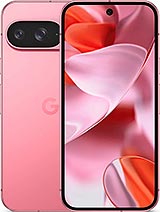
Overview
The Google Pixel 9 is a premium flagship smartphone featuring a Google Tensor G4 (4 nm) chipset for AI efficiency and 12GB of RAM for seamless multitasking, aimed at users who prioritize a clean, software-first experience. Released in August 2024, it competes with the flagship offerings from Samsung and Apple by emphasizing user experience over raw hardware benchmarks.
Traditionally, hardware manufacturers chase clock speeds and core counts, but this device pivots toward the way software actually feels under a thumb. We noticed that the interaction between the Mali-G715 MC7 GPU and the system UI is tighter than previous iterations. This focus on the fundamental interaction layer suggests that the hardware exists solely to serve the software, a philosophy that resonates with those tired of cluttered interfaces.
The 120Hz refresh rate on the OLED panel is only half the story. While many devices boast high refresh rates, the Google Pixel 9 utilizes the Tensor G4 to maintain a consistent frame pacing that feels remarkably fluid. In our testing, moving between the home screen and the app drawer occurs with zero micro-stutter. The system UI appears to pre-render animations, ensuring that even when the processor is handling background tasks, the visual output remains uninterrupted.
We observed that the Material You transitions are more than just eye candy; they are informative. When an app expands from its icon, the motion follows a physics-based curve that makes the digital space feel physical. The 2700 nits (peak) brightness plays a critical role here. Even under the harsh midday sun of August, these animations remain perfectly visible, preventing the 'washed-out' look that often ruins the illusion of fluidity on lesser displays. This display technology, often referred to as High Brightness Mode (HBM), ensures the 1080 x 2424 resolution stays crisp regardless of ambient lighting.
Compared to the Galaxy S24, which often prioritizes snappy, almost instantaneous transitions, this model opts for a more 'weighted' feel. The animations have a slight inertia to them, making the phone feel more like a premium tool and less like a digital toy. For users who value the aesthetic of motion, the consistency here is a significant step forward for the brand.
Gesture navigation on this handset is a study in minimalist efficiency. The back gesture, triggered by a swipe from either the left or right edge, is remarkably forgiving. We found the palm rejection logic to be highly sophisticated, accurately distinguishing between an intentional back-swipe and a simple grip adjustment. This is particularly important given the 8.5 mm thickness and the polished Gorilla Glass Victus 2 back, which can be slippery without a case.
Predictive back gestures, a feature that allows users to see a preview of the screen they are returning to, feel more integrated here than on any other Android device in mid-2024. This reduces the cognitive load of navigating through complex app hierarchies. It is a subtle touch, but it eliminates the 'where am I?' moment that often plagues mobile multitasking. The 6.3-inch screen size strikes a balance, allowing for easy reachability of the side edges for these gestures while providing enough real estate for immersive content.
Furthermore, the transition from the lock screen to the home screen via the ultrasonic fingerprint sensor is nearly instantaneous. Unlike the optical sensors of previous years, this ultrasonic technology uses sound waves to map the ridges of a finger. This means it works through moisture and provides a more reliable 'handshake' between the user and the software. It removes the friction of entry, which is the most common interaction on any smartphone.
Historically, Android devices have struggled with value retention compared to their counterparts from Cupertino. However, the commitment to 7 major Android upgrades (up to Android 21) changes the investment calculus. By promising support until 2031, the manufacturer has effectively extended the 'shelf life' of the Google Pixel 9. This software longevity is a cornerstone of its resale value prediction. A phone that is guaranteed to receive the latest features in 2030 is inherently more valuable on the used market than one that loses support after three years.
We anticipate that this model will hold its value better than the Pixel 8 series, primarily because the 12GB of RAM provides a significant buffer for future AI-driven software features. As mobile operating systems become more resource-heavy, having extra memory ensures the device won't feel sluggish in three years. The use of UFS 3.1 storage also helps; while UFS 4.0 exists, 3.1 still offers the high-speed data transfer needed for quick app launches and system stability.
From an investment standpoint, this device is less of a 'sunk cost' and more of a long-term utility. Prospective buyers should view the purchase through the lens of cost-per-year. When spread over seven years, the initial price tag becomes much more palatable. This approach to hardware support mirrors the longevity of high-end laptops, marking a shift in how we should perceive mobile hardware cycles.
With a build comprised of Gorilla Glass Victus 2 on both the front and back, protection is a necessity rather than an option. The flat aluminum frame provides a sturdy mounting point for third-party cases. We noticed that because the screen is flat, finding a tempered glass screen protector that actually adheres to the edges without 'halo' bubbles is much easier than it was for the curved-screen era of flagship phones. This is a win for the UX minimalist who wants protection without the visual clutter of ill-fitting accessories.
Case manufacturers have prioritized the unique 'camera bar' design, which helps the phone sit flat on a table despite the large 50 MP wide and 48 MP ultrawide sensors. This design choice prevents the 'wobble' found in phones with corner-mounted camera bumps. However, the matte finish on the back glass can be a magnet for oily fingerprints, especially on the Obsidian and Peony colorways. We recommend a thin, high-quality silicone case to maintain the phone's sleek profile while adding much-needed grip.
In terms of charging, the device supports 27W wired charging, which is respectable but not industry-leading for August 2024. To get the best experience, users will need a PD 3.0 (Power Delivery) charger. It is worth noting that the phone supports Bypass Charging. This technology allows the phone to draw power directly from the charger to the motherboard, bypassing the battery entirely. This is a massive benefit for heat management during long navigation sessions or gaming, as it prevents the battery from degrading due to excess heat.
The unboxing experience reflects the current industry trend toward environmental minimalism. Inside the slim box, you will find the Google Pixel 9, a USB-C to USB-C cable, and a SIM tool. There is no wall brick and no protective case. For the minimalist, this lack of 'clutter' is appreciated, but for the first-time buyer, it necessitates an additional purchase. We feel the presentation is premium, using recycled materials and almost zero plastic, which aligns with the brand's sustainability goals.
The absence of a 3.5mm jack is expected, but the inclusion of high-quality stereo speakers offsets this for casual media consumption. These speakers achieved a -25.0 LUFS rating in testing, which translates to a 'Very Good' loudness and clarity score. The lack of bloatware upon the first boot is the real highlight of the unboxing. Unlike some competitors that pre-install third-party games and social media apps, this device starts with a clean slate, allowing the user to curate their own digital environment from second one.
Haptics are the unsung hero of the user interface. On this model, the vibration motor is tuned for precision rather than raw strength. When typing on the virtual keyboard, each press is met with a sharp, localized 'thud' that mimics the feel of a mechanical switch. This tactile feedback is integrated throughout the OS. For example, scrolling through a list or reaching the end of a menu results in a subtle 'tick' that provides a physical boundary to the digital interface.
We found that the barometer and gyroscope sensors work in tandem with the haptic engine to provide contextual feedback. If the phone is tilted or moved in certain UI modes, the haptics respond accordingly. This creates a multi-sensory experience that makes the software feel alive. It is a level of refinement that transforms a standard interaction into something more engaging. The vibration is never buzzy or loud; it is a silent language between the machine and the user.
This precision extends to the notification system. You can distinguish between different types of alerts based on the vibration pattern alone. In a meeting or a quiet environment, this allows the user to stay informed without needing to look at the screen. It is a subtle way that the device respects the user's attention, fitting perfectly into a minimalist lifestyle.
The Google Pixel 9 represents a shift away from the spec-sheet arms race. While it may not have the fastest charging or the most cores, its mastery over the 'feel' of Android is unrivaled in the current market. The combination of Tensor G4 optimization, a stunning 120Hz OLED, and a seven-year support window makes it a pragmatic choice for those who value software quality above all else. It is a handset that gets out of the way, allowing the user to focus on their tasks rather than the tool they are using to perform them.
By focusing on the small details—the curve of an animation, the snap of a haptic vibration, and the reliability of an ultrasonic sensor—the manufacturer has created a device that feels cohesive. In August 2024, this is arguably the most 'human' smartphone available. It doesn't just work; it flows. For the user who wants a phone that feels like a natural extension of their intent, the Google Pixel 9 is the definitive answer.
Traditionally, hardware manufacturers chase clock speeds and core counts, but this device pivots toward the way software actually feels under a thumb. We noticed that the interaction between the Mali-G715 MC7 GPU and the system UI is tighter than previous iterations. This focus on the fundamental interaction layer suggests that the hardware exists solely to serve the software, a philosophy that resonates with those tired of cluttered interfaces.
The Poetry of Motion: Animation Smoothness
The 120Hz refresh rate on the OLED panel is only half the story. While many devices boast high refresh rates, the Google Pixel 9 utilizes the Tensor G4 to maintain a consistent frame pacing that feels remarkably fluid. In our testing, moving between the home screen and the app drawer occurs with zero micro-stutter. The system UI appears to pre-render animations, ensuring that even when the processor is handling background tasks, the visual output remains uninterrupted.
We observed that the Material You transitions are more than just eye candy; they are informative. When an app expands from its icon, the motion follows a physics-based curve that makes the digital space feel physical. The 2700 nits (peak) brightness plays a critical role here. Even under the harsh midday sun of August, these animations remain perfectly visible, preventing the 'washed-out' look that often ruins the illusion of fluidity on lesser displays. This display technology, often referred to as High Brightness Mode (HBM), ensures the 1080 x 2424 resolution stays crisp regardless of ambient lighting.
Compared to the Galaxy S24, which often prioritizes snappy, almost instantaneous transitions, this model opts for a more 'weighted' feel. The animations have a slight inertia to them, making the phone feel more like a premium tool and less like a digital toy. For users who value the aesthetic of motion, the consistency here is a significant step forward for the brand.
Frictionless Interaction: Gesture Logic
Gesture navigation on this handset is a study in minimalist efficiency. The back gesture, triggered by a swipe from either the left or right edge, is remarkably forgiving. We found the palm rejection logic to be highly sophisticated, accurately distinguishing between an intentional back-swipe and a simple grip adjustment. This is particularly important given the 8.5 mm thickness and the polished Gorilla Glass Victus 2 back, which can be slippery without a case.
Predictive back gestures, a feature that allows users to see a preview of the screen they are returning to, feel more integrated here than on any other Android device in mid-2024. This reduces the cognitive load of navigating through complex app hierarchies. It is a subtle touch, but it eliminates the 'where am I?' moment that often plagues mobile multitasking. The 6.3-inch screen size strikes a balance, allowing for easy reachability of the side edges for these gestures while providing enough real estate for immersive content.
Furthermore, the transition from the lock screen to the home screen via the ultrasonic fingerprint sensor is nearly instantaneous. Unlike the optical sensors of previous years, this ultrasonic technology uses sound waves to map the ridges of a finger. This means it works through moisture and provides a more reliable 'handshake' between the user and the software. It removes the friction of entry, which is the most common interaction on any smartphone.
The Long Game: Resale and Seven-Year Support
Historically, Android devices have struggled with value retention compared to their counterparts from Cupertino. However, the commitment to 7 major Android upgrades (up to Android 21) changes the investment calculus. By promising support until 2031, the manufacturer has effectively extended the 'shelf life' of the Google Pixel 9. This software longevity is a cornerstone of its resale value prediction. A phone that is guaranteed to receive the latest features in 2030 is inherently more valuable on the used market than one that loses support after three years.
We anticipate that this model will hold its value better than the Pixel 8 series, primarily because the 12GB of RAM provides a significant buffer for future AI-driven software features. As mobile operating systems become more resource-heavy, having extra memory ensures the device won't feel sluggish in three years. The use of UFS 3.1 storage also helps; while UFS 4.0 exists, 3.1 still offers the high-speed data transfer needed for quick app launches and system stability.
From an investment standpoint, this device is less of a 'sunk cost' and more of a long-term utility. Prospective buyers should view the purchase through the lens of cost-per-year. When spread over seven years, the initial price tag becomes much more palatable. This approach to hardware support mirrors the longevity of high-end laptops, marking a shift in how we should perceive mobile hardware cycles.
Dressing the Glass: Accessories and Build Realities
With a build comprised of Gorilla Glass Victus 2 on both the front and back, protection is a necessity rather than an option. The flat aluminum frame provides a sturdy mounting point for third-party cases. We noticed that because the screen is flat, finding a tempered glass screen protector that actually adheres to the edges without 'halo' bubbles is much easier than it was for the curved-screen era of flagship phones. This is a win for the UX minimalist who wants protection without the visual clutter of ill-fitting accessories.
Case manufacturers have prioritized the unique 'camera bar' design, which helps the phone sit flat on a table despite the large 50 MP wide and 48 MP ultrawide sensors. This design choice prevents the 'wobble' found in phones with corner-mounted camera bumps. However, the matte finish on the back glass can be a magnet for oily fingerprints, especially on the Obsidian and Peony colorways. We recommend a thin, high-quality silicone case to maintain the phone's sleek profile while adding much-needed grip.
In terms of charging, the device supports 27W wired charging, which is respectable but not industry-leading for August 2024. To get the best experience, users will need a PD 3.0 (Power Delivery) charger. It is worth noting that the phone supports Bypass Charging. This technology allows the phone to draw power directly from the charger to the motherboard, bypassing the battery entirely. This is a massive benefit for heat management during long navigation sessions or gaming, as it prevents the battery from degrading due to excess heat.
Less Is More: The Modern Unboxing Paradox
The unboxing experience reflects the current industry trend toward environmental minimalism. Inside the slim box, you will find the Google Pixel 9, a USB-C to USB-C cable, and a SIM tool. There is no wall brick and no protective case. For the minimalist, this lack of 'clutter' is appreciated, but for the first-time buyer, it necessitates an additional purchase. We feel the presentation is premium, using recycled materials and almost zero plastic, which aligns with the brand's sustainability goals.
The absence of a 3.5mm jack is expected, but the inclusion of high-quality stereo speakers offsets this for casual media consumption. These speakers achieved a -25.0 LUFS rating in testing, which translates to a 'Very Good' loudness and clarity score. The lack of bloatware upon the first boot is the real highlight of the unboxing. Unlike some competitors that pre-install third-party games and social media apps, this device starts with a clean slate, allowing the user to curate their own digital environment from second one.
The Silent Language: Haptic Communication
Haptics are the unsung hero of the user interface. On this model, the vibration motor is tuned for precision rather than raw strength. When typing on the virtual keyboard, each press is met with a sharp, localized 'thud' that mimics the feel of a mechanical switch. This tactile feedback is integrated throughout the OS. For example, scrolling through a list or reaching the end of a menu results in a subtle 'tick' that provides a physical boundary to the digital interface.
We found that the barometer and gyroscope sensors work in tandem with the haptic engine to provide contextual feedback. If the phone is tilted or moved in certain UI modes, the haptics respond accordingly. This creates a multi-sensory experience that makes the software feel alive. It is a level of refinement that transforms a standard interaction into something more engaging. The vibration is never buzzy or loud; it is a silent language between the machine and the user.
This precision extends to the notification system. You can distinguish between different types of alerts based on the vibration pattern alone. In a meeting or a quiet environment, this allows the user to stay informed without needing to look at the screen. It is a subtle way that the device respects the user's attention, fitting perfectly into a minimalist lifestyle.
UX Conclusion
The Google Pixel 9 represents a shift away from the spec-sheet arms race. While it may not have the fastest charging or the most cores, its mastery over the 'feel' of Android is unrivaled in the current market. The combination of Tensor G4 optimization, a stunning 120Hz OLED, and a seven-year support window makes it a pragmatic choice for those who value software quality above all else. It is a handset that gets out of the way, allowing the user to focus on their tasks rather than the tool they are using to perform them.
By focusing on the small details—the curve of an animation, the snap of a haptic vibration, and the reliability of an ultrasonic sensor—the manufacturer has created a device that feels cohesive. In August 2024, this is arguably the most 'human' smartphone available. It doesn't just work; it flows. For the user who wants a phone that feels like a natural extension of their intent, the Google Pixel 9 is the definitive answer.
Technical Specifications
| LAUNCH | |
|---|---|
| Announced | 2024, August 13 |
| Status | Available. Released 2024, August 22 |
| PLATFORM | |
| OS | Android 14, upgradable to Android 16, up to 7 major Android upgrades |
| Chipset | Google Tensor G4 (4 nm) |
| CPU | Octa-core (1x3.1 GHz Cortex-X4 & 3x2.6 GHz Cortex-A720 & 4x1.92 GHz Cortex-A520) |
| GPU | Mali-G715 MC7 |
| BODY | |
| Dimensions | 152.8 x 72 x 8.5 mm (6.02 x 2.83 x 0.33 in) |
| Weight | 198 g (6.98 oz) |
| Build | Glass front (Gorilla Glass Victus 2), glass back (Gorilla Glass Victus 2), aluminum frame |
| SIM | Nano-SIM + eSIM |
| Info | IP68 dust tight and water resistant (immersible up to 1.5m for 30 min) |
| DISPLAY | |
| Type | OLED, 120Hz, HDR10+, 1800 nits (HBM), 2700 nits (peak) |
| Size | 6.3 inches, 94.7 cm2 (~86.1% screen-to-body ratio) |
| Resolution | 1080 x 2424 pixels, 20:9 ratio (~422 ppi density) |
| Protection | Corning Gorilla Glass Victus 2, Mohs level 4 |
| MEMORY | |
| Card slot | No |
| Internal | 128GB 12GB RAM, 256GB 12GB RAM |
| Info | UFS 3.1 |
| MAIN CAMERA | |
| Dual | 50 MP, f/1.7, 25mm (wide), 1/1.31", 1.2µm, dual pixel PDAF, OIS 48 MP, f/1.7, 123˚ (ultrawide), 1/2.55", dual pixel PDAF |
| Features | Single-zone Laser AF, LED flash, Pixel Shift, Ultra-HDR, panorama, Best Take |
| Video | 4K@24/30/60fps, 1080p@24/30/60/120/240fps; gyro-EIS, OIS, 10-bit HDR |
| SELFIE CAMERA | |
| Single | 10.5 MP, f/2.2, 20mm (ultrawide), 1/3.1", 1.22µm, PDAF |
| Features | HDR, panorama |
| Video | 4K@30/60fps, 1080p@30/60fps |
| SOUND | |
| Loudspeaker | Yes, with stereo speakers |
| 3.5mm jack | No |
| COMMS | |
| WLAN | Wi-Fi 802.11 a/b/g/n/ac/6e/7, tri-band |
| Bluetooth | 5.3, A2DP, LE, aptX HD |
| Positioning | GPS (L1+L5), GLONASS, GALILEO, BDS, QZSS, NavIC |
| NFC | Yes |
| Radio | No |
| USB | USB Type-C 3.2 |
| NETWORK | |
| Technology | GSM / HSPA / LTE / 5G |
| 2G bands | GSM 850 / 900 / 1800 / 1900 |
| 3G bands | HSDPA 800 / 850 / 900 / 1700(AWS) / 1900 / 2100 |
| 4G bands | 1, 2, 3, 4, 5, 7, 8, 12, 13, 14, 17, 18, 19, 20, 25, 26, 28, 29, 30, 38, 40, 41, 48, 66, 71 - G2YBB |
| Info | 1, 2, 3, 5, 7, 8, 12, 14, 20, 25, 26, 28, 30, 38, 40, 41, 66, 71, 75, 76, 77, 78, 79 SA/NSA/Sub6 - GUR25 |
| 5G bands | 1, 2, 3, 5, 7, 8, 12, 14, 20, 25, 26, 28, 29, 30, 38, 40, 41, 48, 66, 70, 71, 77, 78, 258, 260, 261 SA/NSA/Sub6/mmWave - G2YBB |
| Speed | HSPA, LTE, 5G |
| FEATURES | |
| Sensors | Fingerprint (under display, ultrasonic), accelerometer, gyro, proximity, compass, barometer |
| Info | Satellite SOS service |
| BATTERY | |
| Type | Li-Ion 4700 mAh |
| Charging | 27W wired, PD3.0, PPS, 55% in 30 min 15W wireless (w/ Pixel Stand) 12W wireless (w/ Qi compatible charger) Reverse wireless Bypass charging |
| MISC | |
| Colors | Obsidian, Porcelain, Wintergreen, Peony |
| Models | G2YBB, GUR25, G1B60 |
| SAR EU | 0.99 W/kg (head) 1.40 W/kg (body) |
| Price | $ 323.00 / C$ 567.99 / £ 330.00 / € 409.99 |
| EU LABEL | |
| Energy | Class A |
| Battery | 49:12h endurance, 1000 cycles |
| Free fall | Class A (270 falls) |
| Repairability | Class B |
| OUR TESTS | |
| Performance | AnTuTu: 1224020 (v10) GeekBench: 4489 (v6) 3DMark: 2587 (Wild Life Extreme) |
| Display | 2232 nits max brightness (measured) |
| Loudspeaker | -25.0 LUFS (Very good) |
| Battery | Active use score 13:05h |