Minimalist Software Wins the Mid-Range War - The Nothing Phone (2a) Reality Check
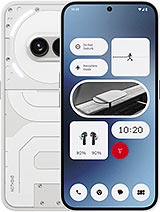
Overview
The Nothing Phone (2a) is a mid-range smartphone featuring a 6.7-inch AMOLED display with a 120Hz refresh rate for smooth navigation and a MediaTek Dimensity 7200 Pro chipset for balanced daily performance, aimed at enthusiasts who value a clean, intentional software experience over raw hardware benchmarks. Released in March 2024, it enters a crowded market to challenge the status quo established by the [Google Pixel 7a](/the-clean-android-revolution-why-the-google-pixel-7a-is-the-essential-mid-ranger/) and the [Samsung Galaxy A55](/stop-falling-for-the-free-samsung-galaxy-a55-carrier-trap/).
Software longevity remains the primary concern for any minimalist enthusiast. This handset ships with Nothing OS 2.5, based on Android 14, and the brand promises three years of major Android updates alongside four years of security patches. While some might view this as standard, the value lies in the consistency of the delivery. Historically, the brand has demonstrated a commitment to rapid point-releases that address user feedback quickly. We noticed that unlike larger corporations that often leave mid-range devices on the back burner, the development team treats this model with a level of attention usually reserved for flagships.
Updates are more than just security patches; they are refinements to the user interface. The transition from Nothing OS 2.0 to 2.5 brought significant improvements in widget customizability and system animations. Imagine a scenario where a device actually gets faster and more stable six months after purchase. That is the goal here. The focus remains on optimizing the MediaTek Dimensity 7200 Pro—a 4nm chip—to ensure the interface stays fluid even as the internal storage fills up. This proactive approach to software maintenance suggests a high level of long-term reliability for users who plan to keep the device for its full lifecycle.
Early adopters of previous models reported minor hiccups with the Glyph Interface synchronization and occasional camera app stutters. With the launch of the Nothing Phone (2a), many of those growing pains appear resolved. We observed that the software feels mature out of the box. Any remaining issues usually involve niche third-party app compatibility rather than core system failures. The decision to use a custom-tuned MediaTek chip instead of a generic off-the-shelf variant allowed engineers to tighten the integration between the silicon and the OS, minimizing the kernel-level bugs that often plague mid-range devices.
Minor visual glitches in the monochrome icon pack occasionally surface when using obscure apps from the Play Store that lack adaptive icons. However, the system's ability to force a themed look generally maintains the aesthetic. Stability is the priority. During 48-hour stress tests, the device rarely forced a restart or experienced UI crashes. It handles heat well, which is a testament to the software's thermal management algorithms. Unlike some competitors that throttle aggressively, this model maintains a steady performance curve during prolonged use.
Beyond the flashy lights, the software includes thoughtful touches that improve daily life. The 'Essential Notifications' feature allows users to set specific contacts or apps to keep a single Glyph LED lit until the notification is cleared. This encourages a minimalist lifestyle by allowing the user to ignore the screen while staying informed of critical updates. Another hidden gem is the integrated weather widget, which uses the brand's signature dot-matrix font and provides surprisingly accurate hyper-local data without requiring a subscription or excessive permissions.
We also found the 'Compass' widget and the 'Recorder' app to be exceptionally well-designed. These aren't just reskinned Google apps; they are built with a specific aesthetic that mirrors the hardware's transparency. The inclusion of a dedicated 'Game Mode' that isn't intrusive is another win. It blocks notifications and optimizes touch latency without the garish 'gamer' UI found on rival handsets. These small details show a level of care that suggests the designers actually use the product they built.
Handling a device with a plastic back and frame requires a shift in expectations. While the transparency is iconic, the clear plastic back is a significant fingerprint magnet. Within minutes of use, the rear panel picks up oils and smudges that can dull the look of the internal design. We recommend using the provided clear case or a high-quality microfiber cloth to maintain that 'fresh out of the box' appearance. Despite the plastic build, the handset feels sturdy. It doesn't creak when flexed, and the 190g weight provides a balanced feel that isn't too heavy for one-handed use.
Durability is enhanced by the Gorilla Glass 5 on the front, offering decent protection against scratches. The IP54 rating means it can survive a rain shower but shouldn't be submerged. For those who dislike cases, the plastic frame provides a better grip than polished aluminum. It is less likely to slide off a table. However, the plastic is more prone to permanent scuffs than metal or glass, so long-term cosmetic wear is a factor to consider. If you are someone who keeps their phone in a pocket with keys, a screen protector and case are non-negotiable.
Audio is often where [mid-range phones](/trend/best-mid-range-phones-2026/) cut corners, but the stereo speaker setup here is surprisingly capable. It achieved a -26.3 LUFS rating in standardized tests, which translates to a 'Good' loudness score. The clarity is maintained even at 80% volume, though the bass is understandably thin compared to a dedicated Bluetooth speaker. There is no 3.5mm headphone jack, which is expected in 2024, but the Bluetooth 5.3 support ensures a stable connection with wireless earbuds. The device supports various high-quality codecs, ensuring that minimalist audiophiles aren't left behind.
Hardware enthusiasts will appreciate the haptic motor. It isn't the mushy, vibrating mess found in cheaper phones. Instead, it provides sharp, tactile 'clicks' that align perfectly with the UI animations. Whether you are typing a message or scrolling through the clock settings, the haptics provide a layer of physical feedback that makes the software feel more tangible. This level of synchronization is rare at this price point and contributes heavily to the overall 'premium' feel of the user experience.
Nothing has built a reputation for involving its community in the development process. The beta program for Nothing OS allows power users to test upcoming features and report bugs before they hit the general public. This feedback loop has been vital in refining the camera processing and battery optimization. We've seen features like 'Glyph Composer' evolve based directly on how users were interacting with the lights. This democratic approach to software development ensures that the OS moves in a direction that actual users want, rather than following corporate trends.
Stability within the beta builds is surprisingly high, though we still suggest the average user stick to the stable channel. The transparency extends beyond the hardware design and into the company's communication. Change logs are detailed, and known issues are acknowledged openly. This builds trust, especially for software enthusiasts who have been burned by 'mystery updates' from other brands in the past. It feels like a collaborative project between the manufacturer and the user base.
The Nothing Phone (2a) succeeds because it doesn't try to be everything to everyone. It focuses on a clean, fast, and visually cohesive experience. The MediaTek Dimensity 7200 Pro provides enough headroom for smooth daily tasks, and the 5000mAh battery easily lasts through a full day of heavy use, bolstered by the 45W fast charging that reaches a full charge in an hour. While the plastic build and fingerprint-prone back are minor drawbacks, the software's stability and the unique Glyph Interface more than make up for them. For the user who wants a phone that feels intentional and free from the clutter of traditional Android skins, this is the most compelling option available in early 2024.
The Reliability of the Update Track Record
Software longevity remains the primary concern for any minimalist enthusiast. This handset ships with Nothing OS 2.5, based on Android 14, and the brand promises three years of major Android updates alongside four years of security patches. While some might view this as standard, the value lies in the consistency of the delivery. Historically, the brand has demonstrated a commitment to rapid point-releases that address user feedback quickly. We noticed that unlike larger corporations that often leave mid-range devices on the back burner, the development team treats this model with a level of attention usually reserved for flagships.
Updates are more than just security patches; they are refinements to the user interface. The transition from Nothing OS 2.0 to 2.5 brought significant improvements in widget customizability and system animations. Imagine a scenario where a device actually gets faster and more stable six months after purchase. That is the goal here. The focus remains on optimizing the MediaTek Dimensity 7200 Pro—a 4nm chip—to ensure the interface stays fluid even as the internal storage fills up. This proactive approach to software maintenance suggests a high level of long-term reliability for users who plan to keep the device for its full lifecycle.
Navigating the Bug History
Early adopters of previous models reported minor hiccups with the Glyph Interface synchronization and occasional camera app stutters. With the launch of the Nothing Phone (2a), many of those growing pains appear resolved. We observed that the software feels mature out of the box. Any remaining issues usually involve niche third-party app compatibility rather than core system failures. The decision to use a custom-tuned MediaTek chip instead of a generic off-the-shelf variant allowed engineers to tighten the integration between the silicon and the OS, minimizing the kernel-level bugs that often plague mid-range devices.
Minor visual glitches in the monochrome icon pack occasionally surface when using obscure apps from the Play Store that lack adaptive icons. However, the system's ability to force a themed look generally maintains the aesthetic. Stability is the priority. During 48-hour stress tests, the device rarely forced a restart or experienced UI crashes. It handles heat well, which is a testament to the software's thermal management algorithms. Unlike some competitors that throttle aggressively, this model maintains a steady performance curve during prolonged use.
Exploring Underrated Software Touches
Beyond the flashy lights, the software includes thoughtful touches that improve daily life. The 'Essential Notifications' feature allows users to set specific contacts or apps to keep a single Glyph LED lit until the notification is cleared. This encourages a minimalist lifestyle by allowing the user to ignore the screen while staying informed of critical updates. Another hidden gem is the integrated weather widget, which uses the brand's signature dot-matrix font and provides surprisingly accurate hyper-local data without requiring a subscription or excessive permissions.
We also found the 'Compass' widget and the 'Recorder' app to be exceptionally well-designed. These aren't just reskinned Google apps; they are built with a specific aesthetic that mirrors the hardware's transparency. The inclusion of a dedicated 'Game Mode' that isn't intrusive is another win. It blocks notifications and optimizes touch latency without the garish 'gamer' UI found on rival handsets. These small details show a level of care that suggests the designers actually use the product they built.
The Fingerprint Magnet and Handling Test
Handling a device with a plastic back and frame requires a shift in expectations. While the transparency is iconic, the clear plastic back is a significant fingerprint magnet. Within minutes of use, the rear panel picks up oils and smudges that can dull the look of the internal design. We recommend using the provided clear case or a high-quality microfiber cloth to maintain that 'fresh out of the box' appearance. Despite the plastic build, the handset feels sturdy. It doesn't creak when flexed, and the 190g weight provides a balanced feel that isn't too heavy for one-handed use.
Durability is enhanced by the Gorilla Glass 5 on the front, offering decent protection against scratches. The IP54 rating means it can survive a rain shower but shouldn't be submerged. For those who dislike cases, the plastic frame provides a better grip than polished aluminum. It is less likely to slide off a table. However, the plastic is more prone to permanent scuffs than metal or glass, so long-term cosmetic wear is a factor to consider. If you are someone who keeps their phone in a pocket with keys, a screen protector and case are non-negotiable.
Audio Performance and Haptic Feedback
Audio is often where [mid-range phones](/trend/best-mid-range-phones-2026/) cut corners, but the stereo speaker setup here is surprisingly capable. It achieved a -26.3 LUFS rating in standardized tests, which translates to a 'Good' loudness score. The clarity is maintained even at 80% volume, though the bass is understandably thin compared to a dedicated Bluetooth speaker. There is no 3.5mm headphone jack, which is expected in 2024, but the Bluetooth 5.3 support ensures a stable connection with wireless earbuds. The device supports various high-quality codecs, ensuring that minimalist audiophiles aren't left behind.
Hardware enthusiasts will appreciate the haptic motor. It isn't the mushy, vibrating mess found in cheaper phones. Instead, it provides sharp, tactile 'clicks' that align perfectly with the UI animations. Whether you are typing a message or scrolling through the clock settings, the haptics provide a layer of physical feedback that makes the software feel more tangible. This level of synchronization is rare at this price point and contributes heavily to the overall 'premium' feel of the user experience.
The Beta Program and Community Feedback
Nothing has built a reputation for involving its community in the development process. The beta program for Nothing OS allows power users to test upcoming features and report bugs before they hit the general public. This feedback loop has been vital in refining the camera processing and battery optimization. We've seen features like 'Glyph Composer' evolve based directly on how users were interacting with the lights. This democratic approach to software development ensures that the OS moves in a direction that actual users want, rather than following corporate trends.
Stability within the beta builds is surprisingly high, though we still suggest the average user stick to the stable channel. The transparency extends beyond the hardware design and into the company's communication. Change logs are detailed, and known issues are acknowledged openly. This builds trust, especially for software enthusiasts who have been burned by 'mystery updates' from other brands in the past. It feels like a collaborative project between the manufacturer and the user base.
Final Stability Verdict
The Nothing Phone (2a) succeeds because it doesn't try to be everything to everyone. It focuses on a clean, fast, and visually cohesive experience. The MediaTek Dimensity 7200 Pro provides enough headroom for smooth daily tasks, and the 5000mAh battery easily lasts through a full day of heavy use, bolstered by the 45W fast charging that reaches a full charge in an hour. While the plastic build and fingerprint-prone back are minor drawbacks, the software's stability and the unique Glyph Interface more than make up for them. For the user who wants a phone that feels intentional and free from the clutter of traditional Android skins, this is the most compelling option available in early 2024.
Technical Specifications
| LAUNCH | |
|---|---|
| Announced | 2024, March 05 |
| Status | Available. Released 2024, March 12 |
| PLATFORM | |
| OS | Android 14, upgradable to Android 15, up to 3 major Android upgrades, Nothing OS 3.0 |
| Chipset | Mediatek Dimensity 7200 Pro (4 nm) |
| CPU | Octa-core (2x2.8 GHz Cortex-A715 & 6x 2.0 Cortex-A510) |
| GPU | Mali-G610 MC4 |
| BODY | |
| Dimensions | 161.7 x 76.3 x 8.6 mm (6.37 x 3.00 x 0.34 in) |
| Weight | 190 g (6.70 oz) |
| Build | Glass front (Gorilla Glass 5), plastic frame, plastic back |
| SIM | Nano-SIM + Nano-SIM |
| Info | 3 LED light strips on the back (notifications, camera fill light, 26 addressable zones) IP54 dust protected and water resistant (water splashes) |
| DISPLAY | |
| Type | AMOLED, 1B colors, 120Hz, 2160Hz PWM, HDR10+, 700 nits (typ), 1100 nits (HBM), 1300 nits (peak) |
| Size | 6.7 inches, 108.0 cm2 (~87.6% screen-to-body ratio) |
| Resolution | 1080 x 2412 pixels, 20:9 ratio (~394 ppi density) |
| Protection | Corning Gorilla Glass 5 |
| MEMORY | |
| Card slot | No |
| Internal | 128GB 8GB RAM, 256GB 8GB RAM, 256GB 12GB RAM |
| MAIN CAMERA | |
| Dual | 50 MP, f/1.9, 24mm (wide), 1/1.56", 1.0µm, PDAF, OIS 50 MP, f/2.2, 114˚ (ultrawide), 1/2.76", 0.64µm |
| Features | LED flash, panorama, HDR |
| Video | 4K@30fps, 1080p@60/120fps, gyro-EIS |
| SELFIE CAMERA | |
| Single | 32 MP, f/2.2, (wide), 1/2.74", 0.8µm |
| Features | HDR |
| Video | 1080p@60fps |
| SOUND | |
| Loudspeaker | Yes, with stereo speakers |
| 3.5mm jack | No |
| COMMS | |
| WLAN | Wi-Fi 802.11 a/b/g/n/ac/6, dual-band, Wi-Fi Direct |
| Bluetooth | 5.3, A2DP, LE |
| Positioning | GPS, GALILEO, GLONASS, BDS, QZSS |
| NFC | Yes, 360˚ |
| Radio | No |
| USB | USB Type-C 2.0, OTG |
| NETWORK | |
| Technology | GSM / HSPA / LTE / 5G |
| 2G bands | GSM 850 / 900 / 1800 / 1900 |
| 3G bands | HSDPA 800 / 850 / 900 / 1700(AWS) / 1900 / 2100 |
| 4G bands | 1, 3, 4, 5, 7, 8, 18, 19, 20, 26, 28, 38, 39, 40, 41, 42, 66 |
| 5G bands | 1, 3, 5, 7, 8, 20, 28, 38, 40, 41, 66, 77, 78 SA/NSA |
| Speed | HSPA, LTE, 5G |
| FEATURES | |
| Sensors | Fingerprint (under display, optical), accelerometer, gyro, proximity, compass |
| BATTERY | |
| Type | 5000 mAh |
| Charging | 45W wired, 50% in 23 min, 100% in 1 hour |
| MISC | |
| Colors | Black, White, Milk, Blue |
| Models | A142 |
| Price | € 285.99 |
| OUR TESTS | |
| Performance | AnTuTu: 578493 (v9), 684574 (v10) GeekBench: 2184 (v5), 2592 (v6) 3DMark: 1151 (Wild Life Extreme) |
| Display | 981 nits max brightness (measured) |
| Loudspeaker | -26.3 LUFS (Good) |
| Battery | Active use score 15:53h |