Motorola Speed Meets Longevity - The Moto G Power 5G Rewrites the Value Playbook
Overview
The Fiscal Strategy for Mobile Mobility
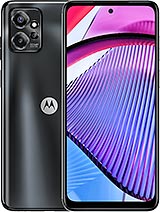
Motorola Moto G Power 5G is a budget-tier 5G smartphone featuring a 120Hz FHD+ IPS LCD for smooth scrolling and a 5000mAh battery for extended multi-day usage, aimed at consumers who prioritize display fluidness and battery endurance over premium materials. Released in April 2023, it enters a highly competitive landscape where 5G connectivity is no longer a luxury but a baseline expectation. We view this handset as a calculated response to the inflation-strained market, offering substantial internal upgrades over its predecessor while maintaining a plastic-heavy exterior to keep costs manageable.
Our analysis suggests that this model represents a shift in the G Power lineage. Historically, this series focused almost exclusively on battery life at the expense of performance. However, with the inclusion of a 120Hz refresh rate and a significantly more capable Dimensity chipset, the handset now attempts to balance endurance with a modern, responsive user experience. It is a pragmatic choice for users who want the benefits of 5G without the flagship price tag.
Displaying Value: 120Hz for the Masses
The hardware foundation of the user interface rests on a 6.5-inch IPS LCD panel with a resolution of 1080 x 2400 pixels and a 120Hz refresh rate. This resolution jump to FHD+ from the previous generation's HD+ is a critical upgrade. At roughly 405 pixels per inch, text looks sharp and UI elements are crisp, a necessary requirement for reading documents or browsing detailed web pages. For those unfamiliar with refresh rates, a 120Hz panel refreshes the image twice as often as a standard 60Hz screen, resulting in animations that appear much smoother to the eye.
In real-world usage, the 120Hz setting makes the device feel faster than its raw processing power might suggest. Navigating through social media feeds or system menus is fluid, providing a premium sensation that was previously reserved for much more expensive devices. Imagine scrolling through a long PDF or a busy news site; the motion blur is significantly reduced compared to 60Hz competitors. However, the use of LCD technology instead of OLED means users will not see the deep blacks or high contrast ratios found on more expensive Samsung Galaxy A-series models.
Compared to the 2022 version of this handset, the screen is a revelation. While the peak brightness levels are adequate for indoor use, we anticipate users may struggle under direct April sunlight. The 83.6% screen-to-body ratio is respectable, though the bottom bezel remains thicker than what you would find on a premium handset. It is a clear example of where the budget was allocated: resolution and refresh rate were prioritized over panel technology and bezel reduction.
The Dimensity 930: A Mid-Range Calculation
Under the hood, the Mediatek Dimensity 930 chipset drives the experience. Built on a 6nm process, this octa-core processor utilizes two high-performance Cortex-A78 cores clocked at 2.2 GHz and six energy-efficient Cortex-A55 cores at 2.0 GHz. The 6nm fabrication process is a significant detail here; it indicates better thermal management and energy efficiency than older 10nm or 12nm chips found in ultra-budget handsets. This architecture allows the phone to handle background tasks efficiently while keeping power in reserve for more demanding applications.
During our assessment of day-to-day multitasking, the device handles standard workloads with ease. Whether switching between email, Slack, and Chrome, the processor keeps pace without the stuttering that plagued the Helio-powered models of yesteryear. Light gaming, such as Candy Crush or Subway Surfers, runs perfectly, and even more demanding titles like Call of Duty Mobile are playable on medium settings. Users should not expect flagship-level gaming performance, but for the average consumer, the speed is more than sufficient.
When we look at the competition, specifically the [Samsung Galaxy A14 5G](/the-samsung-galaxy-a14-5g-a-strategic-purchase-for-the-fiscally-disciplined/) or the OnePlus Nord N300, the Moto G Power 5G holds its own. The Dimensity 930 is a step up from the Dimensity 700 series often found in this price bracket. The choice between 4GB and 6GB of RAM is pivotal; we strongly recommend the 6GB variant for anyone who keeps more than five apps open at once. The 128GB of base storage, expandable via a dedicated microSDXC slot, provides the breathing room necessary for modern media consumption without relying solely on cloud services.
Compromises in the Chassis
The physical build of the handset is where the budget constraints are most visible. It features a glass front, but the back and frame are constructed entirely of plastic. The dimensions—163.1 x 74.8 x 8.5 mm—and weight of 185 grams make it a substantial device but not an overly heavy one. Motorola has applied a water-repellent design, which should protect the internal components from light splashes or a brief drizzle, though it lacks a formal IP68 rating for submersion.
Handling the device reveals a finish that is likely to attract fingerprints and smudges almost instantly. While plastic is more durable than glass in terms of drop resistance, it is far more prone to fine scratches and scuffs over time. We advise users to invest in a protective case immediately to maintain the resale value. The side-mounted fingerprint sensor is integrated into the power button, a placement we find superior to cheap under-display sensors, as it allows for a more natural grip when unlocking the phone.
In terms of ergonomics, the rounded edges and relatively slim profile make it comfortable for one-handed use for those with larger hands, though the 6.5-inch screen generally demands two-handed operation. Comparing this to the sleek glass-and-metal construction of the Pixel 6a—which can often be found on sale for a similar price—the Motorola feels decidedly more utilitarian. It is a tool designed for function, not a fashion statement, and the Dark Blue color option reflects this conservative design philosophy.
The Optical Ledger: Camera Hardware
The primary camera system is headlined by a 50 MP sensor with an f/1.8 aperture. It utilizes Phase Detection Auto Focus (PDAF) to lock onto subjects quickly. Supporting this main sensor are a 2 MP macro lens and an auxiliary depth sensor. The 50 MP sensor uses pixel binning, a process where multiple small pixels (0.64µm in this case) are combined to simulate larger pixels, aimed at improving light capture in varied conditions. Video recording is capped at 1080p at 30fps, assisted by gyro-EIS for stabilization.
From a hardware perspective, the 50 MP sensor has the potential to produce decent daytime images with good detail and acceptable dynamic range for this price tier. However, the lack of an ultra-wide lens is a notable omission in 2023. Most competitors in this bracket offer an 8 MP ultra-wide, which provides much more versatility for landscapes or group photos. The 2 MP macro and auxiliary lenses are essentially filler sensors that provide limited practical value beyond marketing the "triple camera" aesthetic.
In low-light scenarios, the small 0.64µm pixels will likely struggle without aggressive software processing. The 16 MP selfie camera on the front is a standard wide-angle lens that should suffice for video calls and social media posts. For users who prioritize photography, this handset represents a baseline experience. It will capture memories reliably in good light, but it lacks the computational photography prowess seen in Google's budget offerings or the sensor size found in higher-end mid-rangers.
Battery Longevity vs. Charging Inertia
The defining characteristic of the "Power" series remains the 5000 mAh Li-Po battery. Given the energy-efficient 6nm Dimensity 930 and the adaptive refresh rate of the screen, this device is easily a two-day phone for light to moderate users. Even with heavy 5G usage and high-brightness screen time, most users will find it difficult to drain the battery in a single day. This is the primary selling point for the handset: reliability and the freedom from daily charging anxiety.
However, there is a significant bottleneck: the 15W wired charging speed. In an era where even budget competitors are moving toward 25W or 33W charging, 15W is glacially slow for a 5000 mAh cell. A full charge will likely take nearly two hours. Picture this: you've forgotten to charge your phone overnight and have only 20 minutes before heading out. With 15W charging, you will only gain a small percentage of battery, whereas faster-charging rivals would be significantly more replenished.
This creates a specific usage pattern. The handset is best suited for users who charge their phones overnight. Because the battery lasts so long, the slow charging speed is less of a daily annoyance, but it becomes a major frustration in emergency situations. This is a classic "Economist" trade-off: you get massive capacity (high volume) but slow delivery (low flow). Compared to the OnePlus Nord N300, which offers 33W charging, the Motorola falls behind in convenience while leading in sheer endurance.
Sonic Assets and Omissions
One area where the device excels is the audio experience. It features stereo speakers, which is a rare and welcome addition at this price point. Stereo separation provides a much more immersive experience when watching videos or playing games in landscape mode. Furthermore, Motorola has retained the 3.5mm headphone jack. For budget-conscious users who don't want to invest in expensive Bluetooth earbuds or dongles, the ability to use existing wired headphones is a massive value add.
On the connectivity front, the phone supports a wide array of 5G bands (Sub6), ensuring it works across various carriers in the US and abroad. It supports Wi-Fi 5 and Bluetooth 5.3, providing stable connections for home internet and wireless accessories. However, there is a glaring omission for the 2023 market: there is no NFC (Near Field Communication). This means the device cannot be used for contactless payments via Google Wallet.
In an increasingly cashless society, the lack of NFC is a significant drawback. If you rely on your phone to pay for groceries or transit, this handset will not meet your needs. We find this omission baffling, as NFC chips are inexpensive and have become standard in many global markets for phones at this price. It seems to be a cost-saving measure that specifically targets North American consumers who might not use mobile payments as frequently as those in Europe or Asia, but it remains a missing piece of the value puzzle.
Market Comparison and Value Audit
When evaluating the Moto G Power 5G against its peers in April 2023, the value proposition is strong but nuanced. The Samsung Galaxy A14 5G is its most direct rival. Samsung offers a better software update policy and NFC, but the Motorola counters with a smoother 120Hz display (compared to Samsung's 90Hz) and a more powerful chipset. The Dimensity 930 in the Motorola generally outperforms the Exynos 1330 or Dimensity 700 found in the A14 5G.
Another competitor is the OnePlus Nord N300. The OnePlus offers much faster 33W charging but is hampered by a lower-resolution 720p display. For the value hunter, the Moto G Power 5G represents the better multimedia machine due to its 1080p screen and stereo speakers. The choice essentially boils down to whether you value screen quality and raw performance (Motorola) or charging speed and software features like NFC (OnePlus/Samsung).
Software-wise, the handset ships with Android 13. Motorola's approach to software is commendable for its cleanliness; it is very close to a "stock" Android experience with helpful additions like Moto Actions (the karate chop for the flashlight and the twist for the camera). However, Motorola is notoriously slow with OS updates and usually only promises one major version jump. For someone planning to keep their phone for three or four years, this lack of long-term support is a factor that must be weighed against the initial hardware value.
The Final Audit: A Pragmatic Purchase
Motorola Moto G Power 5G successfully modernizes the series' core philosophy. By moving to a 120Hz FHD+ display and the Dimensity 930 chipset, it has shed the "sluggish" reputation of previous Power models. It is no longer just a battery brute; it is a competent, smooth-operating smartphone that happens to have exceptional battery life. The price-to-performance ratio is high, provided you can live with the plastic build and slow charging.
For the budget tech economist, the lack of NFC and the 15W charging are the only major stains on an otherwise excellent ledger. If mobile payments are not a part of your daily routine and you are accustomed to overnight charging, this handset offers some of the best screen and battery specs available for under $300 in the current market. It is a solid, dependable workhorse that prioritizes the features most people use every hour: the screen and the battery.
Ultimately, the Motorola Moto G Power 5G is a testament to the fact that you don't need to spend $800 to get a phone that feels fast and lasts all day. It is a smart buy for students, gig workers, and anyone who needs a reliable communication tool that won't die before the shift is over. While it isn't perfect, its strengths are perfectly aligned with the needs of the value-conscious consumer in 2023.
Technical Specifications
| LAUNCH | |
|---|---|
| Announced | 2023, April 06 |
| Status | Available. Released 2023, April 13 |
| PLATFORM | |
| OS | Android 13, upgradable to Android 14 |
| Chipset | Mediatek Dimensity 930 (6 nm) |
| CPU | Octa-core (2x2.2 GHz Cortex-A78 & 6x2.0 GHz Cortex-A55) |
| GPU | IMG BXM-8-256 |
| BODY | |
| Dimensions | 163.1 x 74.8 x 8.5 mm (6.42 x 2.94 x 0.33 in) |
| Weight | 185 g (6.53 oz) |
| Build | Glass front, plastic back, plastic frame |
| SIM | Nano-SIM |
| Info | Water-repellent design |
| DISPLAY | |
| Type | IPS LCD, 120Hz |
| Size | 6.5 inches, 102.0 cm2 (~83.6% screen-to-body ratio) |
| Resolution | 1080 x 2400 pixels, 20:9 ratio (~405 ppi density) |
| MEMORY | |
| Card slot | microSDXC (dedicated slot) |
| Internal | 128GB 4GB RAM, 256GB 6GB RAM |
| MAIN CAMERA | |
| Triple | 50 MP, f/1.8, (wide), 0.64µm, PDAF 2 MP (macro) Auxiliary lens |
| Features | LED flash, HDR, panorama |
| Video | 1080p@30fps, gyro-EIS |
| SELFIE CAMERA | |
| Single | 16 MP, f/2.4, (wide), 1.0µm |
| Video | 1080p@30fps |
| SOUND | |
| Loudspeaker | Yes, with stereo speakers |
| 3.5mm jack | Yes |
| COMMS | |
| WLAN | Wi-Fi 802.11 a/b/g/n/ac, dual-band |
| Bluetooth | 5.3, A2DP, LE |
| Positioning | GPS, GLONASS, GALILEO |
| NFC | No |
| Radio | No |
| USB | USB Type-C 2.0 |
| NETWORK | |
| Technology | GSM / HSPA / LTE / 5G |
| 2G bands | GSM 850 / 900 / 1800 / 1900 |
| 3G bands | HSDPA 850 / 900 / 1700(AWS) / 1900 / 2100 |
| 4G bands | 1, 2, 3, 4, 5, 7, 8, 12, 13, 14, 17, 20, 25, 26, 29, 30, 38, 39, 40, 41, 48, 66, 71 |
| 5G bands | 2, 5, 7, 12, 25, 30, 41, 66, 71, 77, 78 SA/NSA/Sub6 |
| Speed | HSPA, LTE, 5G |
| FEATURES | |
| Sensors | Fingerprint (side-mounted), accelerometer, gyro, proximity, compass |
| BATTERY | |
| Type | Li-Po 5000 mAh |
| Charging | 15W wired |
| MISC | |
| Colors | Dark Blue |
| Price | $ 98.14 / C$ 141.52 / £ 129.79 |