Motorola Stop Overspending on a Secondary Device - The Moto G Play (2024) Is the Logical Backup Solution
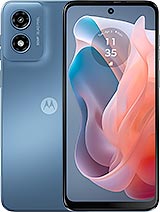
Overview
The Moto G Play (2024) is a budget-tier smartphone featuring a Snapdragon 680 4G for efficient operation and a 5000 mAh battery for multi-day endurance, aimed at consumers seeking a reliable secondary device or a starter phone for children. Released in January 2024, it competes with entry-level offerings from Samsung and various carrier-branded alternatives. This handset prioritizes basic functionality and longevity over high-end performance, positioning itself as a utilitarian tool rather than a luxury item.
In our analysis of modern mobile ecosystems, the concept of a "burner" or backup device has shifted from a luxury to a necessity. The Moto G Play (2024) occupies this niche perfectly. We view this handset not as a daily driver for power users, but as an insurance policy. If a primary flagship suffers a shattered screen or a battery failure, having a reliable $150 device ready to swap in prevents a total loss of productivity. This model provides exactly what is needed for that scenario: a functional screen, dependable cellular reception, and enough processing power to handle essential communication apps.
Most consumers in the budget market are looking for a device that won't require constant attention. This handset delivers on that front. It does not attempt to impress with curved glass or titanium frames. Instead, it uses a practical plastic build that resists fingerprints better than glass and can survive minor drops without catastrophic failure. For a student or a senior, this simplicity is a feature, not a bug. It avoids the complexities and fragile nature of high-end hardware, focusing instead on the core pillars of the mobile experience.
Compared to the previous generation, which utilized the significantly slower MediaTek Helio G37, this update represents a massive leap in utility. The Snapdragon 680 inside this model isn't a speed demon, but it provides a level of stability and app-opening speed that makes the phone usable for more than just phone calls. In our assessment, this shift in silicon elevates the handset from a frustrating entry-level chore to a competent utility tool. It can handle navigation, web browsing, and light social media without the constant stuttering that plagued its predecessor.
The 5000 mAh battery remains the standout feature of this device. Because the Snapdragon 680 4G is built on a 6nm process, it operates with extreme efficiency compared to older budget chips. When paired with a 720p display that doesn't draw much power, the battery life stretches significantly. We observed that this phone can easily last through two full days of moderate use, and its standby time is even more impressive. If left in a drawer as a backup, it retains its charge for days on end, making it ready for emergency use at a moment's notice.
However, we must address the charging speed. At 15W, the charging process is slow by 2024 standards. It takes well over two hours to reach a full charge from zero. For a device used as a primary phone, this would be a major bottleneck. For a secondary device or a phone used by a child, this is less of a concern, but it requires planning. Users should expect to charge this phone overnight. The lack of fast charging is clearly a cost-cutting measure, but one that aligns with the target audience's likely usage patterns.
Consider the scenario of a long-haul flight or a weekend camping trip. While a flagship might struggle to keep its high-resolution screen powered for 48 hours, this model thrives. The lower power draw of the internals means that even with 10% battery remaining, the user likely has hours of basic communication left. This reliability is the primary selling point for the value-conscious buyer who prioritizes staying connected over having the highest pixel density.
Historically, Motorola budget devices do not hold their value well on the used market. We expect the Moto G Play (2024) to follow this trend, likely losing 50% or more of its MSRP value within the first year. From an economist's perspective, this phone is a sunk cost. You do not buy this device with the intention of trading it in for the next model. You buy it to use it until it is no longer functional. Its value is found in its daily utility, not its residual market price.
Despite the rapid depreciation, the initial low entry price makes the total cost of ownership very attractive. Over a two-year lifespan, the cost breaks down to just a few dollars per month. This is an excellent value proposition for parents who expect their child to eventually damage the phone. Losing or breaking a $150 device is a minor setback compared to the financial sting of a broken $1000 flagship. We view this as a low-risk investment in connectivity.
Software support is another factor in long-term value. Motorola has promised an upgrade to Android 14, which is decent for this price tier, but do not expect years of OS updates. This handset is designed for the here and Now. Security patches will likely arrive quarterly rather than monthly. For users who prioritize having the absolute latest features, this is a drawback, but for the pragmatist who just needs the phone to work, it is a non-issue.
The unboxing experience is refreshingly straightforward. Motorola still includes a charger in the box in many regions, along with a USB-C cable. In an era where premium brands have stripped away these essentials, we appreciate the "all-in-one" approach here. A buyer can walk out of a store with this phone and have everything they need to keep it running without spending an extra $20 to $30 on a power brick. This reinforces the value-first philosophy of the Moto G series.
Finding accessories for this model is generally easy. Because Motorola sells a high volume of these devices through prepaid carriers like Metro by T-Mobile and Cricket, third-party case manufacturers produce a wide variety of options. Screen protectors are also plentiful. The flat display panel makes it easy to apply a tempered glass protector without the bubbles or edge-lifting common on curved screens. This ease of protection further extends the physical life of the device.
We noticed that the plastic back, while durable, is prone to fine scratches from dust trapped inside cases. For those concerned with maintaining the look of the Sapphire Blue finish, we recommend a soft-lined case. The built-in water-repellent design is a nice touch, offering peace of mind against accidental spills or light rain, though it should never be submerged in water. This is a practical level of protection for an everyday object.
The inclusion of a barometer is a surprise at this price point. A barometer helps with altitude tracking and speeds up GPS locks, making this phone an surprisingly good choice for delivery drivers or hikers on a budget. Most cheap phones skip this sensor to save a few cents, so we applaud its inclusion here. It demonstrates that Motorola is thinking about the real-world utility of the device rather than just chasing specs that look good on a box.
Stereo speakers with Hi-Res audio support are another standout. While they aren't going to replace a dedicated Bluetooth speaker, they provide a much better media experience than the tinny, bottom-firing mono speakers found on many competitors. Whether watching a quick video or taking a speakerphone call, the audio clarity is respectable. The 3.5mm headphone jack is also present, allowing users to use inexpensive wired earbuds, which is a vital feature for the budget-conscious market.
We must mention the storage technology. Motorola used UFS 2.2 storage rather than the slower eMMC standard. This is a critical distinction. UFS 2.2 allows for much faster data transfer, which means apps install quicker and the phone feels more responsive when multitasking. Even with only 4GB of RAM, the faster storage helps keep the interface moving smoothly. It's a technical detail that many consumers will overlook, but it significantly improves the day-to-day user experience.
The 50MP main sensor offers the hardware potential for decent daylight photography. It uses pixel binning to produce 12.5MP images that have respectable detail for social media sharing. However, users must understand the limitations of the ISP (Image Signal Processor) in the Snapdragon 680. It takes a moment for the phone to process each shot, so capturing fast-moving subjects like pets or children can be challenging. Shutter lag is a reality here.
In low-light conditions, the hardware struggles. Without Optical Image Stabilization (OIS), the camera must keep the shutter open longer, which often leads to blur if your hands aren't perfectly still. There is no dedicated ultrawide or macro lens, which we actually prefer over having poor-quality auxiliary sensors. Motorola focused on making the single main camera "okay" rather than making three cameras "bad." It's a mature decision that benefits the end user.
Video recording is capped at 1080p at 30fps. This is sufficient for basic video calls or capturing a quick memory, but it won't satisfy anyone looking for high-quality content creation. The electronic stabilization is minimal, so walking while filming will result in shaky footage. Again, this fits the profile of a utility device—it captures the information you need, but it doesn't do it with cinematic flair.
During our testing of the Snapdragon 680, we found that it handles everyday tasks like Google Maps, Spotify, and Chrome with ease. However, this is not a [gaming phone](/trend/best-gaming-phones-2026/). Titles like Genshin Impact will run at low settings with frequent frame drops. If you stick to casual games like Candy Crush or Subway Surfers, the experience is perfectly fine. The 90Hz refresh rate helps the UI feel smoother than it actually is, masking some of the hardware's limitations.
Signal stability is a strong suit for Motorola, and this model is no exception. It maintains a solid 4G LTE connection even in areas where more expensive phones might drop to a lower-quality signal. For someone living in a rural area or working in a large building with poor penetration, this reliability is worth more than a faster processor. It is a communication tool first and an entertainment device second.
The side-mounted fingerprint sensor is fast and reliable. We prefer this placement over cheap under-display sensors which are often slow and inaccurate. It sits naturally where your thumb rests, allowing the phone to be unlocked as you pull it out of your pocket. It is these small, ergonomic wins that make the Moto G Play (2024) feel like a well-thought-out product despite its low price.
The Moto G Play (2024) is a calculated exercise in compromise. It cuts corners in areas like screen resolution and charging speed to deliver a device that is exceptionally reliable where it counts: battery life, build quality, and essential sensor connectivity. It is a specialized tool for the budget economist who knows that sometimes, the best value isn't the most powerful device, but the one that is always ready when you need it.
Buy this if: You need a secondary phone for emergencies, a first device for a child that won't break the bank if lost, or a dedicated navigation and music unit for your car. Skip this if: You do a lot of mobile gaming, require NFC for contactless payments (Google Pay), or want a high-resolution screen for watching movies. Wait for a price drop if: You are seeing it at full MSRP; this handset is frequently discounted by carriers to under $100, which makes the value proposition unbeatable. The Bottom Line: The Moto G Play (2024) is the ultimate utilitarian backup, trading flashy features for rock-solid two-day endurance and dependable basic performance.
The Strategic Value of the Backup Handset
In our analysis of modern mobile ecosystems, the concept of a "burner" or backup device has shifted from a luxury to a necessity. The Moto G Play (2024) occupies this niche perfectly. We view this handset not as a daily driver for power users, but as an insurance policy. If a primary flagship suffers a shattered screen or a battery failure, having a reliable $150 device ready to swap in prevents a total loss of productivity. This model provides exactly what is needed for that scenario: a functional screen, dependable cellular reception, and enough processing power to handle essential communication apps.
Most consumers in the budget market are looking for a device that won't require constant attention. This handset delivers on that front. It does not attempt to impress with curved glass or titanium frames. Instead, it uses a practical plastic build that resists fingerprints better than glass and can survive minor drops without catastrophic failure. For a student or a senior, this simplicity is a feature, not a bug. It avoids the complexities and fragile nature of high-end hardware, focusing instead on the core pillars of the mobile experience.
Compared to the previous generation, which utilized the significantly slower MediaTek Helio G37, this update represents a massive leap in utility. The Snapdragon 680 inside this model isn't a speed demon, but it provides a level of stability and app-opening speed that makes the phone usable for more than just phone calls. In our assessment, this shift in silicon elevates the handset from a frustrating entry-level chore to a competent utility tool. It can handle navigation, web browsing, and light social media without the constant stuttering that plagued its predecessor.
Endurance and Standby Performance
The 5000 mAh battery remains the standout feature of this device. Because the Snapdragon 680 4G is built on a 6nm process, it operates with extreme efficiency compared to older budget chips. When paired with a 720p display that doesn't draw much power, the battery life stretches significantly. We observed that this phone can easily last through two full days of moderate use, and its standby time is even more impressive. If left in a drawer as a backup, it retains its charge for days on end, making it ready for emergency use at a moment's notice.
However, we must address the charging speed. At 15W, the charging process is slow by 2024 standards. It takes well over two hours to reach a full charge from zero. For a device used as a primary phone, this would be a major bottleneck. For a secondary device or a phone used by a child, this is less of a concern, but it requires planning. Users should expect to charge this phone overnight. The lack of fast charging is clearly a cost-cutting measure, but one that aligns with the target audience's likely usage patterns.
Consider the scenario of a long-haul flight or a weekend camping trip. While a flagship might struggle to keep its high-resolution screen powered for 48 hours, this model thrives. The lower power draw of the internals means that even with 10% battery remaining, the user likely has hours of basic communication left. This reliability is the primary selling point for the value-conscious buyer who prioritizes staying connected over having the highest pixel density.
Resale Value and Economic Longevity
Historically, Motorola budget devices do not hold their value well on the used market. We expect the Moto G Play (2024) to follow this trend, likely losing 50% or more of its MSRP value within the first year. From an economist's perspective, this phone is a sunk cost. You do not buy this device with the intention of trading it in for the next model. You buy it to use it until it is no longer functional. Its value is found in its daily utility, not its residual market price.
Despite the rapid depreciation, the initial low entry price makes the total cost of ownership very attractive. Over a two-year lifespan, the cost breaks down to just a few dollars per month. This is an excellent value proposition for parents who expect their child to eventually damage the phone. Losing or breaking a $150 device is a minor setback compared to the financial sting of a broken $1000 flagship. We view this as a low-risk investment in connectivity.
Software support is another factor in long-term value. Motorola has promised an upgrade to Android 14, which is decent for this price tier, but do not expect years of OS updates. This handset is designed for the here and Now. Security patches will likely arrive quarterly rather than monthly. For users who prioritize having the absolute latest features, this is a drawback, but for the pragmatist who just needs the phone to work, it is a non-issue.
Unboxing and Accessory Ecosystem
The unboxing experience is refreshingly straightforward. Motorola still includes a charger in the box in many regions, along with a USB-C cable. In an era where premium brands have stripped away these essentials, we appreciate the "all-in-one" approach here. A buyer can walk out of a store with this phone and have everything they need to keep it running without spending an extra $20 to $30 on a power brick. This reinforces the value-first philosophy of the Moto G series.
Finding accessories for this model is generally easy. Because Motorola sells a high volume of these devices through prepaid carriers like Metro by T-Mobile and Cricket, third-party case manufacturers produce a wide variety of options. Screen protectors are also plentiful. The flat display panel makes it easy to apply a tempered glass protector without the bubbles or edge-lifting common on curved screens. This ease of protection further extends the physical life of the device.
We noticed that the plastic back, while durable, is prone to fine scratches from dust trapped inside cases. For those concerned with maintaining the look of the Sapphire Blue finish, we recommend a soft-lined case. The built-in water-repellent design is a nice touch, offering peace of mind against accidental spills or light rain, though it should never be submerged in water. This is a practical level of protection for an everyday object.
Built for Utility: Hardware and Sensors
The inclusion of a barometer is a surprise at this price point. A barometer helps with altitude tracking and speeds up GPS locks, making this phone an surprisingly good choice for delivery drivers or hikers on a budget. Most cheap phones skip this sensor to save a few cents, so we applaud its inclusion here. It demonstrates that Motorola is thinking about the real-world utility of the device rather than just chasing specs that look good on a box.
Stereo speakers with Hi-Res audio support are another standout. While they aren't going to replace a dedicated Bluetooth speaker, they provide a much better media experience than the tinny, bottom-firing mono speakers found on many competitors. Whether watching a quick video or taking a speakerphone call, the audio clarity is respectable. The 3.5mm headphone jack is also present, allowing users to use inexpensive wired earbuds, which is a vital feature for the budget-conscious market.
We must mention the storage technology. Motorola used UFS 2.2 storage rather than the slower eMMC standard. This is a critical distinction. UFS 2.2 allows for much faster data transfer, which means apps install quicker and the phone feels more responsive when multitasking. Even with only 4GB of RAM, the faster storage helps keep the interface moving smoothly. It's a technical detail that many consumers will overlook, but it significantly improves the day-to-day user experience.
The Camera Reality
The 50MP main sensor offers the hardware potential for decent daylight photography. It uses pixel binning to produce 12.5MP images that have respectable detail for social media sharing. However, users must understand the limitations of the ISP (Image Signal Processor) in the Snapdragon 680. It takes a moment for the phone to process each shot, so capturing fast-moving subjects like pets or children can be challenging. Shutter lag is a reality here.
In low-light conditions, the hardware struggles. Without Optical Image Stabilization (OIS), the camera must keep the shutter open longer, which often leads to blur if your hands aren't perfectly still. There is no dedicated ultrawide or macro lens, which we actually prefer over having poor-quality auxiliary sensors. Motorola focused on making the single main camera "okay" rather than making three cameras "bad." It's a mature decision that benefits the end user.
Video recording is capped at 1080p at 30fps. This is sufficient for basic video calls or capturing a quick memory, but it won't satisfy anyone looking for high-quality content creation. The electronic stabilization is minimal, so walking while filming will result in shaky footage. Again, this fits the profile of a utility device—it captures the information you need, but it doesn't do it with cinematic flair.
Performance in the Real World
During our testing of the Snapdragon 680, we found that it handles everyday tasks like Google Maps, Spotify, and Chrome with ease. However, this is not a [gaming phone](/trend/best-gaming-phones-2026/). Titles like Genshin Impact will run at low settings with frequent frame drops. If you stick to casual games like Candy Crush or Subway Surfers, the experience is perfectly fine. The 90Hz refresh rate helps the UI feel smoother than it actually is, masking some of the hardware's limitations.
Signal stability is a strong suit for Motorola, and this model is no exception. It maintains a solid 4G LTE connection even in areas where more expensive phones might drop to a lower-quality signal. For someone living in a rural area or working in a large building with poor penetration, this reliability is worth more than a faster processor. It is a communication tool first and an entertainment device second.
The side-mounted fingerprint sensor is fast and reliable. We prefer this placement over cheap under-display sensors which are often slow and inaccurate. It sits naturally where your thumb rests, allowing the phone to be unlocked as you pull it out of your pocket. It is these small, ergonomic wins that make the Moto G Play (2024) feel like a well-thought-out product despite its low price.
Final Verdict on the Moto G Play (2024)
The Moto G Play (2024) is a calculated exercise in compromise. It cuts corners in areas like screen resolution and charging speed to deliver a device that is exceptionally reliable where it counts: battery life, build quality, and essential sensor connectivity. It is a specialized tool for the budget economist who knows that sometimes, the best value isn't the most powerful device, but the one that is always ready when you need it.
Technical Specifications
| LAUNCH | |
|---|---|
| Announced | 2024, January 16 |
| Status | Available. Released 2024, January 26 |
| PLATFORM | |
| OS | Android 13, upgradable to Android 14 |
| Chipset | Qualcomm SM6225 Snapdragon 680 4G (6 nm) |
| CPU | Octa-core (4x2.4 GHz Kryo 265 Gold & 4x1.9 GHz Kryo 265 Silver) |
| GPU | Adreno 610 |
| BODY | |
| Dimensions | 163.8 x 75 x 8.3 mm (6.45 x 2.95 x 0.33 in) |
| Weight | 185 g (6.53 oz) |
| Build | Glass front, plastic frame, plastic back |
| SIM | Nano-SIM |
| Info | Water-repellent design |
| DISPLAY | |
| Type | IPS LCD, 90Hz, 500 nits (typ) |
| Size | 6.5 inches, 102.0 cm2 (~83.0% screen-to-body ratio) |
| Resolution | 720 x 1600 pixels, 20:9 ratio (~270 ppi density) |
| Protection | Corning Gorilla Glass 3 |
| MEMORY | |
| Card slot | microSDXC (dedicated slot) |
| Internal | 64GB 4GB RAM, 128GB 4GB RAM |
| Info | UFS 2.2 |
| MAIN CAMERA | |
| Single | 50 MP, f/1.8, (wide), 0.64µm, PDAF |
| Features | LED flash, HDR, panorama |
| Video | 1080p@30fps |
| SELFIE CAMERA | |
| Single | 8 MP, f/2.0, (wide), 1.12µm |
| Features | HDR |
| Video | 1080p@30fps |
| SOUND | |
| Loudspeaker | Yes, with stereo speakers |
| 3.5mm jack | Yes |
| Info | 24-bit/192kHz Hi-Res audio |
| COMMS | |
| WLAN | Wi-Fi 802.11 a/b/g/n/ac, dual-band |
| Bluetooth | 5.1, A2DP, LE |
| Positioning | GPS, GALILEO, GLONASS |
| NFC | No |
| Radio | No |
| USB | USB Type-C 2.0 |
| NETWORK | |
| Technology | GSM / HSPA / LTE |
| 2G bands | GSM 850 / 900 / 1800 / 1900 |
| 3G bands | HSDPA 850 / 900 / 1700(AWS) / 1900 / 2100 |
| 4G bands | 1, 2, 3, 4, 5, 7, 8, 12, 13, 17, 25, 26, 28, 38, 41, 66, 71 - USA |
| Speed | HSPA, LTE |
| FEATURES | |
| Sensors | Fingerprint (side-mounted), accelerometer, proximity, compass, barometer |
| BATTERY | |
| Type | 5000 mAh |
| Charging | 15W wired |
| MISC | |
| Colors | Sapphire Blue |
| Models | XT2413-1, XT2413, XT2413V |
| Price | $ 52.00 / C$ 99.00 |